

The connection between what you eat and how you sleep runs deeper than most people realize. Nutrients directly influence neurotransmitter activity, hormone regulation, and your body’s internal clock. Sleep quality also plays a crucial role in supporting the immune system, and poor sleep can weaken immune defenses.
Research suggests that certain foods can promote deeper, more restorative sleep by modulating serotonin, melatonin, and GABA pathways.
This guide covers the best foods for sleep, optimal eating habits, and what to avoid if you want quality sleep at night.
Why Food Matters for a Good Night’s Sleep
Diet affects sleep physiology through multiple pathways. High fiber intake predicts more deep slow-wave sleep, while saturated fat reduces it and sugar increases nighttime arousals. In one study, a single day of lower fiber, higher saturated fat, and more sugar led to lighter, less restful sleep—participants took 29 minutes to fall asleep after self-selected meals versus 17 minutes after controlled low-fat, high-protein meals.
Healthy diets correlate with better sleep quality and fewer insomnia symptoms. Plant-rich dietary patterns appear to reduce sleep disruptions through elevated melatonin from berries and omega-3s from fish regulating inflammation and neural signaling.
Individual variation matters. Age, genetics, and microbiome differences affect how your body responds to specific foods. Elderly subjects showed amplified benefits from tart cherries compared to middle-aged participants, highlighting the need for personalized approaches.
Improving sleep quality through dietary changes can also help individuals lose weight by supporting hormone balance and appetite regulation.
Best Diet Patterns For Better Sleep

Foods that improve sleep quality – why food matters for a good night’s sleep
The Mediterranean diet pattern—emphasizing plant foods, olive oil, seafood, and minimal red meat or added sugars—associates with superior sleep quality. Anti-inflammatory flavonoids and melatonin precursors in this diet outperform Western dietary patterns in reducing insomnia symptoms.
The DASH diet shares overlaps with Mediterranean patterns by prioritizing whole grains, fruits, vegetables, and lean proteins. These collectively enhance sleep by stabilizing blood sugar and supporting serotonin pathways. Both dietary patterns can help maintain healthy serotonin levels, which are essential for regulating mood and promoting restful sleep.
Overall diet quality emerges as a stronger predictor of sleep health than isolated foods. A diet rich in whole foods delivers synergistic benefits that supplements alone cannot replicate.
Consider consulting a clinician for a personalized plan, especially if you have conditions like acid reflux or are taking medications that might interact with dietary changes.
Best Foods and Certain Foods That Promote Better Sleep
Sleep promoting foods cluster into specific categories: omega-3-rich seafood, fiber-dense carbs, mineral-laden plants, tryptophan vehicles, melatonin-containing fruits, and calming beverages. Whole food sources work better than supplements due to synergistic nutrient delivery and fiber that moderates absorption.
Sleep enhancing foods are those rich in nutrients like melatonin and magnesium, which play a key role in supporting sleep regulation and digestion. Consuming these foods 2-4 hours before bedtime can help optimize their benefits for improving sleep quality.
Fatty Fish and Sleep
Fatty fish like salmon deliver omega-3 fatty acids (EPA and DHA) that regulate sleep via anti-inflammatory pathways and serotonin modulation. Studies tie fatty fish intake to longer sleep duration and improved efficiency.
Vitamin D deficiency links to poor sleep, and salmon provides both omega-3s and vitamin D in adequate amounts. Two servings of fatty fish per week can support both brain health and sleep patterns.
Complex Carbohydrates and Sleep
Complex carbohydrates facilitate tryptophan’s entry into the brain by spiking insulin, which clears competing amino acids. This aids the conversion of serotonin to melatonin.
Examples include:
- Brown rice
- Whole wheat toast
- Oats and quinoa
Recent data show whole grains in daily diets predict deeper sleep the same night. Consuming complex carbs 1-2 hours before bed optimizes this effect without causing glycemic crashes—unlike refined carbohydrates or white bread that can disrupt sleep.
Foods High in Magnesium and Other Minerals
Magnesium relaxes muscles by binding GABA receptors and countering cortisol. Deficiencies are common in people with sleep disorders.
Foods high in magnesium include:
- Almonds (270 mg per ounce)
- Spinach and leafy greens
- Legumes and black beans
- Pumpkin seeds
Target 300-400 mg daily from dietary sources. Avoid unsupervised magnesium supplements, which can cause digestive issues or hypermagnesemia.
Protein Sources and Tryptophan-Rich Foods
The amino acid tryptophan drives melatonin synthesis through a specific pathway: tryptophan converts to 5-HTP, then serotonin, then melatonin. This process helps regulate your wake cycles.
| Food | Tryptophan Content |
|---|---|
| Turkey | ~300 mg per 100g |
| Chicken | ~250 mg per 100g |
| Legumes | 100-200 mg per serving |
High protein foods support this pathway, but moderate evening portions (20-30g protein) prevent digestive interference that could disrupt sleep.
Fruits, Berries, and Tart Cherry Juice
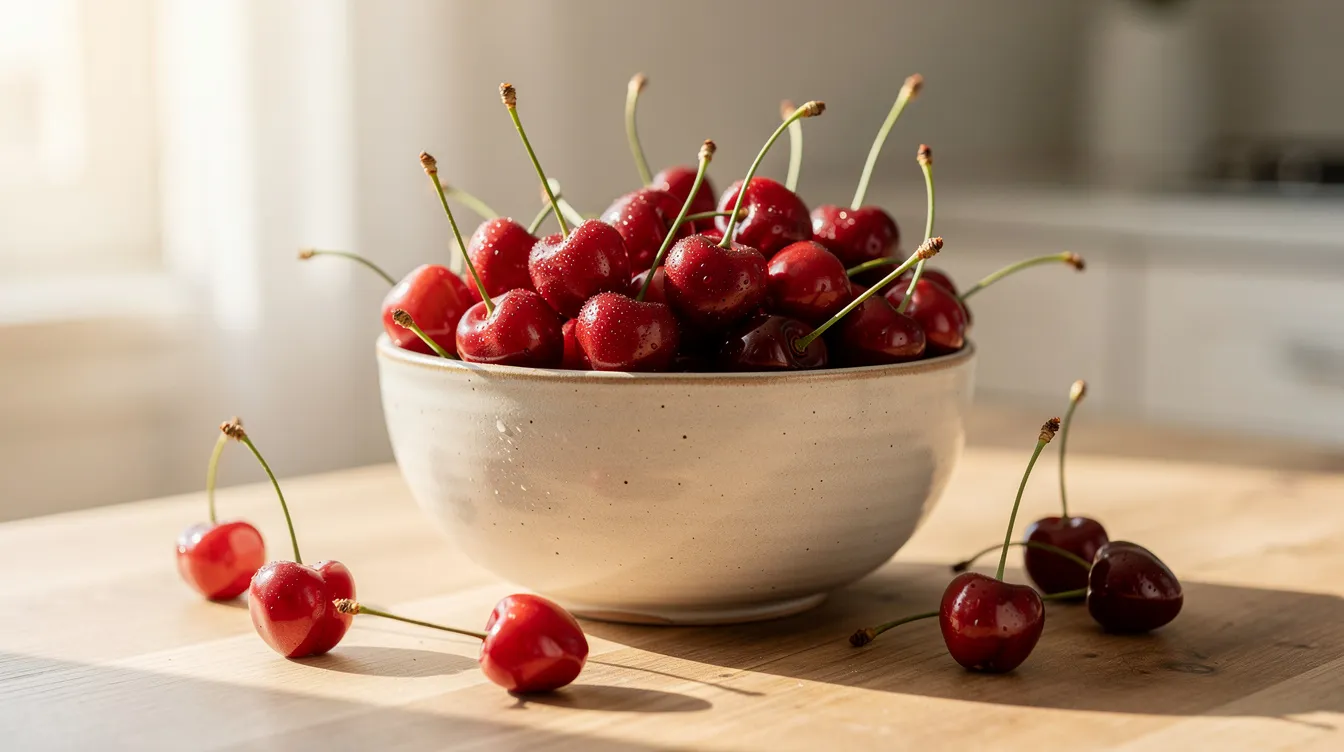
Tart cherries naturally contain melatonin—up to 13 ng/g—making drinking tart cherry juice an evidence-backed strategy for improve sleep quality. One study found that one week of Montmorency tart cherry juice (8 oz twice daily) raised time in bed to 514.7 minutes and total sleep time to 419 minutes versus 380 minutes in controls.
Kiwifruit offers health benefits through serotonin precursors and antioxidants. Two kiwis eaten one hour before bed for four weeks boosted total sleep time from 354.5 to 395.3 minutes and reduced wake time after sleep onset.
Berries—strawberries, blueberries—supply flavonoids and vitamin C that reduce inflammation supporting sleep.
Nuts, Seeds, and Healthy Fats
Walnuts contain melatonin (~3 ng/g) and omega-3s that support sleep. Almonds provide magnesium and healthy fats that stabilize blood sugar overnight.
Benefits of nuts for sleep:
- Direct melatonin content
- Omega-3 fatty acids
- Blood sugar stabilization
- Other nutrients supporting relaxation
The unsaturated fats found in nuts and seeds also support heart health, making them a beneficial choice for both cardiovascular and sleep wellness.
A light snack—a handful (1 oz) of nuts paired with fruit—works well before bed without causing weight gain or digestive issues.
Herbal Tea and Warm Drinks
Herbal tea functions as a calming beverage that can promote sleep. Chamomile inhibits GABA breakdown for relaxation, producing sedative effects similar to benzodiazepines but milder.
Passionflower enhances GABA activity and shows potential benefits in preliminary research.
Avoid caffeinated teas after noon. Sip warm herbal tea 30-60 minutes before bed to leverage thermosensory cues that signal sleepiness.
Eating Habits and Timing to Support a Good Night’s Rest

Foods that improve sleep quality – best foods and certain foods that promote better sleep
Your eating habits matter as much as food choices:
- Avoid heavy meals 2-3 hours before bed to prevent reflux and arousal from digestion
- Maintain consistent meal times daily to align with circadian clocks
- Limit late-night snacking to curb blood sugar spikes
Chrononutrition—the science of timed nutrient intake—synchronizes peripheral clocks in your liver and gut with central brain rhythms. Studies show evening carbs timed correctly amplify sleep depth and support natural melatonin onset. This approach to physical activity and meal timing helps regulate your internal clock.
Food Choices to Avoid for Better Sleep
Specific foods and drinks can disrupt sleep even hours before bedtime:
| Food/Drink | Why It Disrupts Sleep |
|---|---|
| Caffeine after noon | Half-life of 5-6 hours blocks adenosine |
| Alcohol close to bedtime | Initial sedation masks REM rebound |
| Spicy foods | Capsaicin triggers heartburn and backed up acid |
| High-sugar snacks | Increases nighttime arousals |
| Energy drinks | Caffeine plus sugar compounds disruption |
| High fat foods | Takes longer to digest, fragments sleep |
Diets low in processed foods and saturated fat consistently predict better sleep outcomes. Even one night of poor food choices can fragment your sleep architecture.
Supplements, Cautions, and When to Seek Help

Foods that improve sleep quality – food choices to avoid for better sleep
Supplements mimic food benefits but lack fiber synergy and carry overuse risks. Melatonin pills (1-5 mg) aid short-term sleep issues, but long-term use may suppress natural production.
Whole food sources sustain effects without building tolerance. More research is needed on supplement efficacy compared to dietary approaches.
Always consult a clinician before starting new supplements due to interactions—omega-3 supplements can thin blood, magnesium can amplify sedatives, and b vitamins affect energy metabolism. If you suspect sleep apnea or other sleep disorders, professional evaluation is essential.
Practical Meal Ideas and Sample Evening Snacks
Apply these principles with simple meal ideas:
Dinner option: Grilled salmon (4 oz, ~2g omega-3s) with brown rice (1 cup, high fiber) provides fatty fish benefits alongside complex carbohydrates.
Evening snack: A banana (tryptophan + magnesium) with Greek yogurt (protein) delivers the amino acid needed for melatonin without heavy digestion.
Before bed: Warm chamomile tea sipped 30-60 minutes before sleep leverages both the herbal benefits and the calming routine.
These combinations compound sleep gains through multiple pathways, representing some of the best foods for a good night’s rest.

Research Gaps and Final Takeaways
Most diet-sleep data comes from observational studies or short-term trials. Gaps persist in causation, diverse population samples, and long-term randomized controlled trials. One narrative review noted that trends toward chrononutrition and produce-heavy diets (5 cups fruits and vegetables daily yielding 16% sleep quality improvements) promise future personalization via wearables.
Key takeaways for better sleep quality:
- Prioritize consistent whole-food patterns over isolated supplements
- Include fatty fish, whole grains, and tart cherries regularly
- Time your meals to support circadian rhythms
- Avoid caffeine, alcohol close to bedtime, and spicy foods at night
The best diet for sleep emphasizes important factors like meal timing, food quality, and overall dietary patterns rather than magic bullets. Diet represents a cost-effective tool for public health amid rising insomnia prevalence affecting 30% of adults.
Start with one change tonight—swap a processed snack for tart cherries, add fatty fish to your weekly rotation, or try herbal tea before bed. Small shifts in food choices compound into measurable improvements in how you sleep. Track what works for your body, and consider working with a clinician to improve your sleep through personalized dietary sources.