
That late-night snack might be doing more than satisfying your hunger. Research shows a complex relationship between bedtime eating and sleep quality, with timing, food choices, and individual factors all playing significant roles in whether you wake up refreshed or restless.
The evidence is nuanced: eating within 3 hours of going to bed increases nocturnal awakening odds by approximately 40%, yet strategic snacking with sleep-promoting foods can actually enhance your night’s rest. This guide breaks down the science and offers practical recommendations for timing and snack choices that support quality sleep.
How Nighttime Eating Affects Quality Sleep
Your digestive system doesn’t simply shut off when you close your eyes. The body continues to digest food during sleep, which can influence both sleep quality and gut health. When you eat a large meal close to bedtime, your body redirects energy toward digestion, which can fundamentally alter your sleep architecture.
The primary mechanisms disrupting sleep include:
- Gastroesophageal reflux disease (GERD): Lying down with a full stomach allows acid to travel upward, causing irritation and frequent awakenings
- Increased heart rate: Digestion elevates metabolic activity, keeping your cardiovascular system more active than ideal for deep sleep
- Body temperature elevation: The thermic effect of food raises core temperature, which conflicts with the natural cooling your body needs to fall asleep
Research examining 793 young adults found that eating within 3 hours of bedtime was positively associated with nocturnal awakening, with 27.8% of participants who ate late experiencing sleep disruptions compared to lower rates in other groups.
The timing thresholds matter significantly. Studies using American time use survey data found that eating less than 1 hour before bedtime increased wake after sleep onset by nearly twofold. However, eating 4-6 hours prior to bedtime conferred the highest likelihood for optimal sleep duration and reduced risk of short sleep.
Falling Asleep: Foods That Help Or Hinder
Not all foods affect sleep onset equally. Two key compounds—tryptophan and melatonin—can actually help you feel sleepy and improve sleep time.
Tryptophan is an amino acid that serves as a precursor to serotonin, which your body converts to melatonin. Foods rich in tryptophan include:
- Milk (contains both tryptophan and melatonin)
- Pistachios and cashews
- Turkey and chicken
Melatonin is the hormone directly responsible for regulating your body’s internal clock. Natural sources include:
- Walnuts and almonds
- Tart cherry juice (drinking it 1-2 hours before bedtime may improve sleep length)
- Kiwifruit (one small study showed two kiwifruits before bed reduced time to fall asleep)
Conversely, caffeine blocks adenosine receptors that promote sleepiness. Research consistently shows caffeine consumed even 6 hours before bed can reduce sleep duration by more than an hour. Fried foods and high calorie meals require extended digestion time, keeping your metabolic pathways active when they should be winding down.
Poor Quality Sleep From Late Meals

Eating before bed sleep quality – how nighttime eating affects quality sleep
Poor quality sleep isn’t just about total hours—it’s measured through specific metrics that researchers use to quantify sleep disruption:
| Metric | Definition | Impact of Late Eating |
|---|---|---|
| Sleep onset latency | Time to fall asleep | Increased with high-fat meals |
| Wake after sleep onset (WASO) | Time spent awake after initially falling asleep | Increased nearly 2x with eating < 1 hour before bed |
| Nocturnal awakenings | Number of times waking during night | 40% higher odds when eating within 3 hours |
| Sleep efficiency | Ratio of sleep time to time in bed | Decreased with high-calorie late meals |
The research reveals a counterintuitive finding: eating late may actually increase total sleep duration while simultaneously increasing poor sleep quality. This means you might spend more time in bed but experience fragmented, less restorative rest.
Women appear more susceptible to these effects. Research found women who ate before bed showed higher sleep latency and lower sleep efficiency compared to men, suggesting potential sex-based physiological differences in how food consumption affects sleep patterns.
To reduce disrupted sleep, consider shifting your main evening food intake earlier. The data suggests a window of 3-4 hours before sleep time provides optimal outcomes for most adults.
Blood Sugar, Diabetes, and Nighttime Snacks
For people with diabetes or impaired glucose tolerance, nighttime eating requires additional considerations. Glucose metabolism operates differently during sleep, and medication timing can create unique risks.
Nocturnal hypoglycemia risks for insulin users:
- Insulin peaks during sleep can drop blood sugar dangerously low
- An empty stomach combined with evening insulin increases hypoglycemia risk
- Symptoms may be masked by sleep, leading to prolonged low glucose
Carbohydrate snack guidance:
- A small snack containing 15-30 grams of carbohydrates may help prevent overnight lows
- Pairing carbohydrates with protein or fat slows absorption
- Complex carbohydrates provide more sustained glucose release than simple sugars
Research indicates that nocturnal hyperglycemia can also impair sleep, creating a bidirectional relationship between blood sugar control and sleep quality. Time-restricted eating that concludes several hours before bed may help prevent these glucose spikes.
Always consult your healthcare provider about medication timing relative to meals. Adjusting insulin or oral diabetes medications without clinical guidance can be dangerous.
Sleep Medicine Perspective
Sleep medicine experts emphasize that timing recommendations should account for individual health conditions. For people with existing sleep disorders, late eating may compound problems.
Contraindications for late eating in sleep disorders include:
- Sleep apnea: Heavy meals increase reflux risk when breathing is already compromised
- Insomnia: The stimulating effects of digestion can worsen difficulty staying asleep
- Circadian rhythm disorders: Eating at inconsistent times further disrupts the biological clock
The consensus from sleep research suggests that aligning eating patterns with circadian rhythms—eating earlier and stopping food intake well before bed—supports both sleep and metabolic health.
Stop Eating Timing: Practical Rules

Eating before bed sleep quality – blood sugar, diabetes, and nighttime snacks
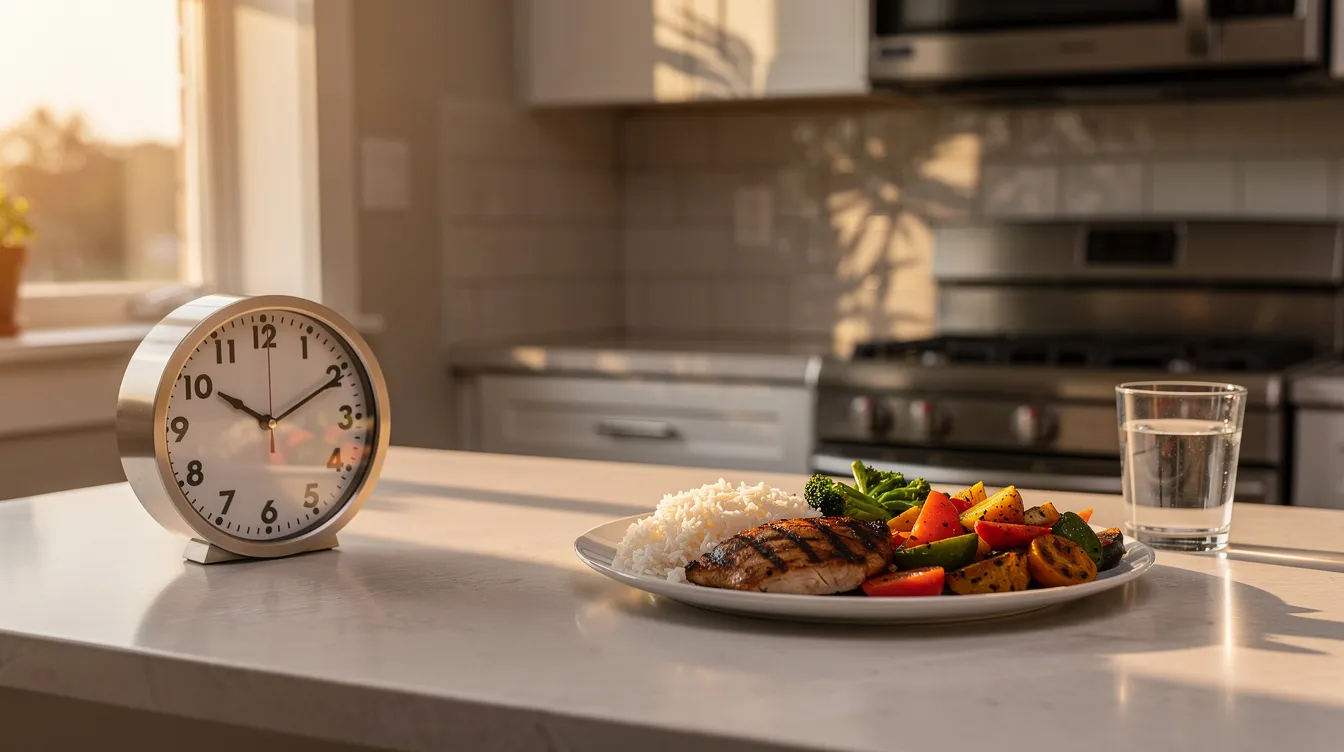
The simplest guideline: stop eating 2-3 hours before your planned sleep time. This window allows your stomach to partially empty and digestive activity to decrease before you lie down.
For standard schedules (10-11 PM bedtime):
- Eat dinner by 7-8 PM
- If hungry later, choose only small, sleep-promoting snacks
- Avoid heavy meals after 8 PM
For shift workers:
- Calculate your 3-hour window based on actual sleep time, not clock time
- Maintain consistent eating windows even on days off when possible
- The body’s internal clock can be trained with consistent meal timing
Tracking your patterns:
Consider keeping a food-sleep diary for two weeks. Record:
- What and when you ate in the evening
- Time you went to bed
- Estimated time to fall asleep
- Number of times you woke during the night
- How rested you felt in the morning
This data reveals your personal response to eating timing, which may differ from population averages.
Empty Stomach Benefits and Risks
Going to bed with an empty stomach offers potential benefits, though this approach isn’t suitable for everyone.
Potential benefits of overnight fasting duration:
- Autophagy activation: Extended fasting periods trigger cellular cleanup processes
- Immune system regulation: Quality sleep and fasting periods support immune system renewal, including T lymphocyte renewal and improved immune response
- Hormonal optimization: Growth hormone release increases during fasting sleep
- Reduced reflux: No stomach contents means no acid to travel upward
- Improved gut health: The digestive system gets a complete rest period
Hormonal changes during fasting:
- Insulin levels drop, allowing fat metabolism to increase
- Glucagon rises to maintain blood sugar from stored glucose
- Cortisol follows natural circadian patterns without digestive interference
Populations who should avoid prolonged overnight fasting:
- People using insulin or sulfonylurea diabetes medications
- Pregnant or breastfeeding women
- Individuals with history of eating disorders
- Those with certain metabolic health conditions requiring frequent eating
- Anyone experiencing gut issues that worsen with prolonged fasting
For most adults without these conditions, a 12-14 hour overnight fast (dinner at 7 PM, breakfast at 7-9 AM) is generally safe and may support metabolic function.
Weight Loss, Late Eating, and Metabolism

Eating before bed sleep quality – empty stomach benefits and risks
The relationship between eating late and weight gain involves more than just calories. Late-night eating and poor meal timing have been linked to an increased risk of obesity over time. Research shows that meal timing affects how your body processes and stores energy.
Late eating correlates with weight gain through several mechanisms:
- Evening meals are more likely to be stored as fat due to lower insulin sensitivity
- Night eating often involves less mindful food choices
- Disrupted sleep from late meals affects hunger hormones the following day
- Increased inflammation from poor sleep promotes fat storage
Time-restricted eating strategies:
Many successful weight loss approaches incorporate eating windows that conclude hours before bed. Common patterns include:
- 16:8 fasting (eating within an 8-hour window, typically 10 AM - 6 PM)
- Early time-restricted eating (eating most calories in the first half of the day)
- Consistent meal timing (eating at the same times daily)
However, research also emphasizes that total caloric intake matters more than timing alone. Eating high calorie meals at any time contributes to weight gain. The timing effect appears to be a modifier rather than a primary driver.
Cardiometabolic Function and Sleep-Aligned Eating
Evidence connects late eating to broader cardiometabolic health outcomes beyond sleep alone. Eating patterns that respect circadian rhythms appear to benefit the cardiovascular system.
Effects on nighttime blood pressure:
Studies show that eating close to bedtime can prevent the natural blood pressure dip that occurs during sleep. This “non-dipping” pattern is associated with increased risk of heart disease and cardiovascular disease over time.
Effects on nighttime heart rate:
Digestion keeps the autonomic nervous system more active, maintaining elevated heart rate when it should decrease. This reduces the restorative quality of sleep and places additional stress on the heart.
Daytime glucose benefits:
Extended overnight fasting may improve morning glucose tolerance and reduce inflammation markers. Some research suggests this effect is particularly relevant for brain health and long-term disease risk.
Clinical considerations for older adults:
- Higher risk of both hypo- and hyperglycemia overnight
- Medications may need adjustment when changing eating patterns
- Falls risk increases if getting up at night while hungry
- Consultation with healthcare providers before implementing strict timing rules
The American Heart Association has noted the importance of meal timing as a factor in cardiovascular risk, though specific recommendations continue to evolve as research accumulates.
Practical Nighttime Snack Guide
If you need to eat closer to bedtime, choose wisely. The goal is enough quality sleep without triggering digestion-related disruptions.
Small protein-rich snacks under 200 calories:
| Snack | Portion | Approximate Calories |
|---|---|---|
| Greek yogurt (plain) | 1/2 cup | 80 |
| Cottage cheese | 1/2 cup | 90 |
| Hard-boiled egg | 1 large | 70 |
| Turkey slices | 2 oz | 60 |
| String cheese | 1 stick | 80 |
Low-glycemic carbohydrate options:
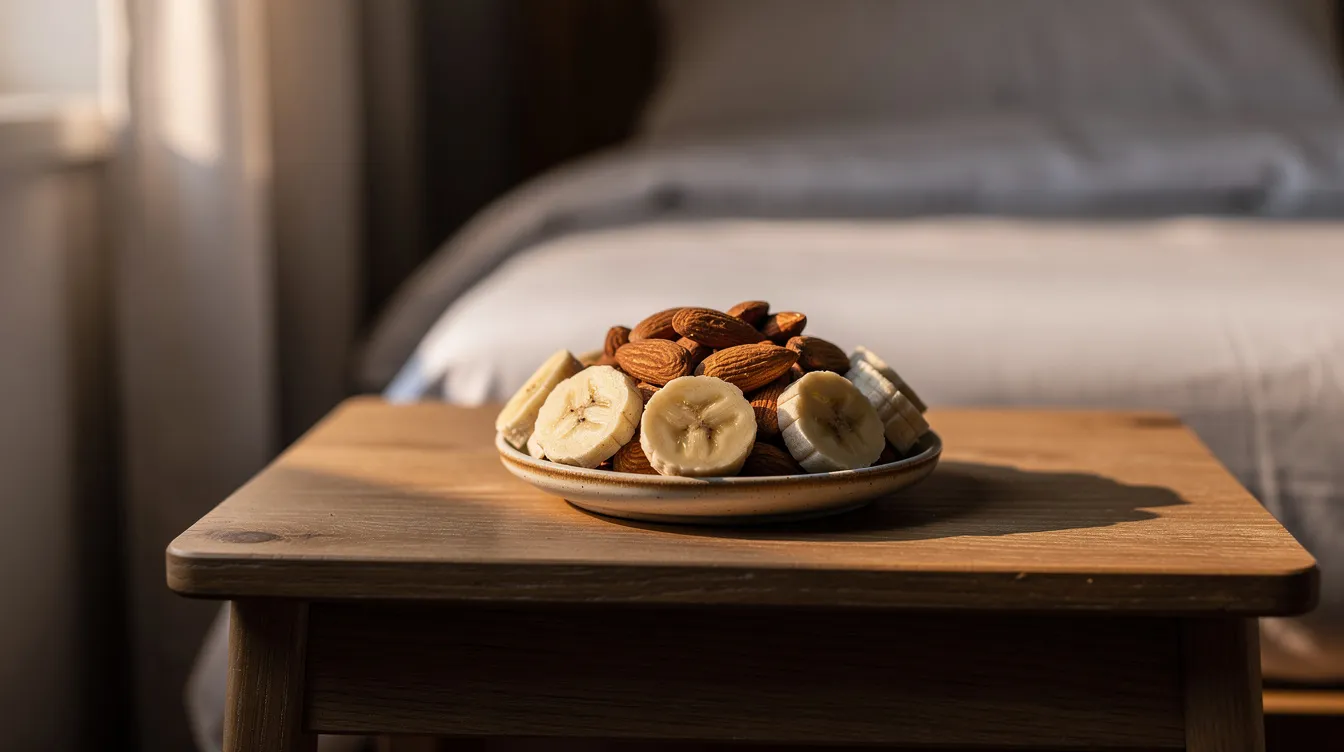
- Small handful of almonds or walnuts (about 10-12 nuts)
- Half a banana with 1 tablespoon almond butter
- 1/2 cup of tart cherries or tart cherry juice
- Small bowl of oatmeal (1/4 cup dry)
Foods to avoid before bed:
- Fried foods and high-fat meals (slow digestion, reflux risk)
- Spicy foods (heartburn trigger)
- Large meals of any composition
- Alcohol (disrupts deep sleep despite initial drowsiness)
- Caffeine-containing foods (chocolate, coffee ice cream)
Portion guidance using household measures:
- Protein: palm-sized portion
- Nuts: what fits in a cupped palm
- Dairy: tennis ball-sized serving
- Fruit: one small piece or 1/2 cup chopped
The snack should satisfy hunger without initiating a full digestive response. If you consistently feel hungry at night, evaluate whether your dinner provides adequate nutrition and satiety.
How To Implement Changes Safely
Changing eating patterns affects medication timing, blood sugar control, and overall health. Implementation requires appropriate caution.
For people with diabetes:
- Consult your healthcare provider before changing meal timing
- Monitor blood sugar more frequently during the transition period
- Watch for hypoglycemia symptoms, especially if reducing evening eating
- Never adjust insulin doses without clinician approval
For general implementation:
- Start gradually—shift dinner 30 minutes earlier each week
- Track sleep and glucose (if applicable) for two weeks before and after changes
- Note energy levels, hunger patterns, and morning alertness
- Adjust based on personal response rather than rigid rules
Warning signs to discuss with a provider:
- Persistent insomnia despite timing changes
- Blood sugar readings outside target range
- Increased stress or anxiety around food timing
- Unintended weight changes
- New digestive symptoms
As mentioned earlier, individual responses vary significantly. What improves sleep for one person may not work for another.
Sources To Cite
The recommendations in this guide draw from several research categories:
Key studies:
- Cross-sectional study of 793 young adults examining meal timing and nocturnal awakening (OR = 1.61 for eating within 3 hours of bed)
- American Time Use Survey analysis of eating timing and sleep duration outcomes
- Controlled studies on tryptophan-containing foods and sleep onset
- Some randomized controlled studies included a control group following their usual eating patterns to compare the effects of time-restricted eating interventions.
Sleep medicine guidelines:
- Northwestern University Feinberg School of Medicine research on circadian timing
- Sleep medicine consensus on meal timing for sleep disorder management
Nutritional recommendations:
- Registered dietitian guidance on bedtime snack composition
- Research on melatonin-containing foods (tart cherry, kiwifruit) and sleep outcomes
For specific health conditions, always defer to guidance from your healthcare team rather than general population research. The field of chrononutrition continues to evolve, and recommendations may be updated as new evidence emerges.
The relationship between eating and sleep isn’t about strict restriction—it’s about strategic timing. Start by tracking your current patterns for two weeks using a simple food-sleep diary. Most people find that stopping eating 3 hours before bed and choosing small, protein-rich snacks when needed creates the foundation for better rest.
If you already follow these guidelines and still struggle with sleep, consider whether other factors—stress, screen time, or underlying health conditions—might be contributing. For persistent sleep problems, consultation with a sleep medicine specialist can identify issues that dietary changes alone won’t resolve.