If you have trouble sleeping, you’ve probably tried everything from counting sheep to downloading meditation apps. But the real problem isn’t what happens after you get into bed—it’s what happens in the three hours before.
The 3-2-1 sleep rule is a simple countdown that structures your evening to help you fall asleep faster. By eliminating sleep-disrupting substances and activities at specific intervals before bed, you align your behavior with your circadian rhythm and set yourself up for a good night’s sleep.
Here’s the breakdown: stop eating and drinking alcohol 3 hours before bed, stop working 2 hours before bed, and put away screens 1 hour before bed. This article covers exactly how to implement each step, plus templates you can start using tonight.
Quick Benefits For Sleep Hygiene And Poor Sleep Prevention
The 3-2-1 rule works because it transforms scattered evening habits into consistent sleep hygiene. When your body receives the same signals at the same times each night, it learns when to start producing melatonin and when to begin winding down.
This consistency directly supports circadian rhythm alignment. Your internal body clock thrives on predictability—irregular pre-sleep routines desynchronize your system, leading to difficulty falling asleep and frequent night awakenings.
The primary measurable benefit is reduced sleep latency, which is the time between lying down and actually falling asleep. By systematically removing stimulants, stressors, and activating activities, you create optimal conditions for sleep onset.
Additional benefits include:
- Fewer middle-of-the-night awakenings
- More time in REM sleep (the restorative phase)
- Waking up feeling refreshed rather than groggy
- Improved mental health through better sleep health
- Reduced risk of developing a sleep disorder over time
The 3-2-1 Schedule: What To Do Hours Before Bed

3-2-1 sleep rule – quick benefits for sleep hygiene and poor sleep prevention
Think of the 3-2-1 rule as a countdown to better sleep. Each number represents hours before bed and a specific category of things to eliminate.
| Timeframe | Action |
|---|---|
| 3 hours before | Stop food and alcohol |
| 2 hours before | Stop work and reduce screens |
| 1 hour before | Start your wind down routine |
Let’s break down exactly what to do at each stage.
3 Hours Before Bed: Reduce Stimulants To Prime For Sleep
Three hours out, your focus is on giving your body time to process substances that interfere with quality sleep.
Cut alcohol completely. While drinking alcohol might make you feel sleepy initially, it fragments your sleep architecture and reduces REM sleep. You’ll wake up less rested even if you slept the same number of hours.
Finish eating. Large meals close to bedtime force your digestive system to work when it should be winding down. This can cause discomfort, acid reflux, and disturbed sleep. Going to bed hungry isn’t ideal either—aim to finish your last meal with enough time for digestion.
Watch your caffeine intake. While the full 10-3-2-1-0 framework recommends cutting caffeine 10 hours before bed, at minimum avoid caffeinated drinks within this three-hour window. Caffeine has a half-life of 5-6 hours, meaning half of it is still in your system long after you finish your coffee.
What you can do instead:
- Drink herbal tea or water
- Have a light snack if needed (nothing heavy)
- Prepare meals for tomorrow to stay occupied
2 Hours Before Bed: Shift Your Sleep Environment And Devices
Two hours before bed marks the transition from productivity mode to rest mode. Your nervous system needs time to downregulate from the day’s stress.
Stop work-related tasks. Work maintains cognitive activation and generates stress hormones that are physiologically incompatible with sleep. Close your laptop, stop checking emails, and create a mental boundary between work and rest.
Switch electronic devices to night mode. Blue light from phones, computers, and tablets suppresses melatonin production. Your sleep medicine doesn’t stand a chance if you’re staring at bright screens until you close your eyes. At minimum, enable night mode settings that reduce blue light exposure.
Dim household lights. Bright overhead lights signal “daytime” to your brain. Start lowering ambient light levels throughout your home. Consider using lamps instead of ceiling lights, and avoid watching TV in a fully lit room.
Adjust your sleep environment temperature. Your body temperature naturally drops before sleep. Set your thermostat to begin cooling down so your bedroom reaches the ideal range by bedtime.

1 Hour Before Bed: Start Your Wind Down Routine To Fall Asleep
The final hour is where your bedtime routine takes shape. This is your time to signal to every part of your body that sleep is coming.
Eliminate all screens. This means phones, tablets, laptops, and TV. Screen time in this final hour actively works against everything you’re trying to accomplish.
Take a warm bath or warm shower. A warm bath about 60-90 minutes before bed raises your core body temperature. When you get out, the rapid cooling mimics your body’s natural pre-sleep temperature drop, helping you feel sleepy.
Listen to calming music. Soothing music or relaxing music without lyrics can promote relaxation and ease the transition to sleep. Create a playlist specifically for this hour.
Use a calming scent. Incorporate a calming scent, such as lavender or chamomile, through a diffuser or pillow spray as part of your wind-down routine. Aromatherapy with relaxing aromas can help improve sleep quality and promote relaxation before bedtime.
Engage in low-stimulation activities. Read a physical book, do light stretching, practice progressive muscle relaxation, or write in a journal. The goal is to keep your mind occupied without stimulating it.
This nighttime routine doesn’t need to be complicated. Even 15 minutes of intentional wind down activities can make a significant difference in how quickly you fall asleep.
Wind Down Activities To Include In Your Sleep Routine
Your final hour before sleep should feel distinctly different from the rest of your evening. Here are some effective sleep tips to help you wind down and prepare for restful sleep.
Guided breathing exercises. Taking slow, deep breaths activates your parasympathetic nervous system. Try box breathing: inhale for 4 counts, hold for 4, exhale for 4, hold for 4. Repeat 5-10 times.
Progressive muscle relaxation. Starting from your toes, tense each muscle group for 5 seconds, then release. Work your way up to your head. This technique reduces physical tension that can prevent restful sleep.
Reading a physical book. Read outside your bedroom if possible, then move to bed when you feel sleepy. Avoid thrillers or anything that gets your heart racing.
Journaling or bedtime writing. Write a short to do list for tomorrow. Getting tasks out of your head and onto paper prevents lying awake running through mental checklists.
Light stretching or gentle yoga. Focus on stretches that release tension in your neck, shoulders, and lower back. Avoid anything that raises your heart rate.
Activities to avoid:
- Intense evening exercise (finish workouts at least 2-3 hours before bed)
- Stimulating conversations or arguments
- Planning or problem-solving
- Anything that triggers anxiety or stress
Relaxation Tools To Help You Fall Asleep Faster
Sometimes you need a little external help to induce sleep. These tools work with your body’s natural systems rather than against them.
Calming music playlists. Look for instrumental tracks at 60-80 BPM, which matches a resting heart rate. Avoid anything with lyrics or sudden tempo changes. Ambient sounds and nature sounds work well too.
White or pink noise machines. These mask environmental disturbances that might otherwise wake you. Pink noise (slightly deeper than white noise) has been shown to support deeper sleep in some studies.
Short guided meditations. A 10-15 minute sleep meditation can walk you through mindfulness meditation or body scanning techniques. Many apps offer free sleep-specific sessions.
Calming scents. Lavender, chamomile, and cedarwood have mild relaxation properties. Use a diffuser or pillow spray as part of your routine.
The key with relaxation techniques is consistency. Use the same tools each night so your brain associates them with sleep.
Optimize Your Sleep Environment For A Good Night’s Sleep

3-2-1 sleep rule – wind down activities to include in your sleep routine
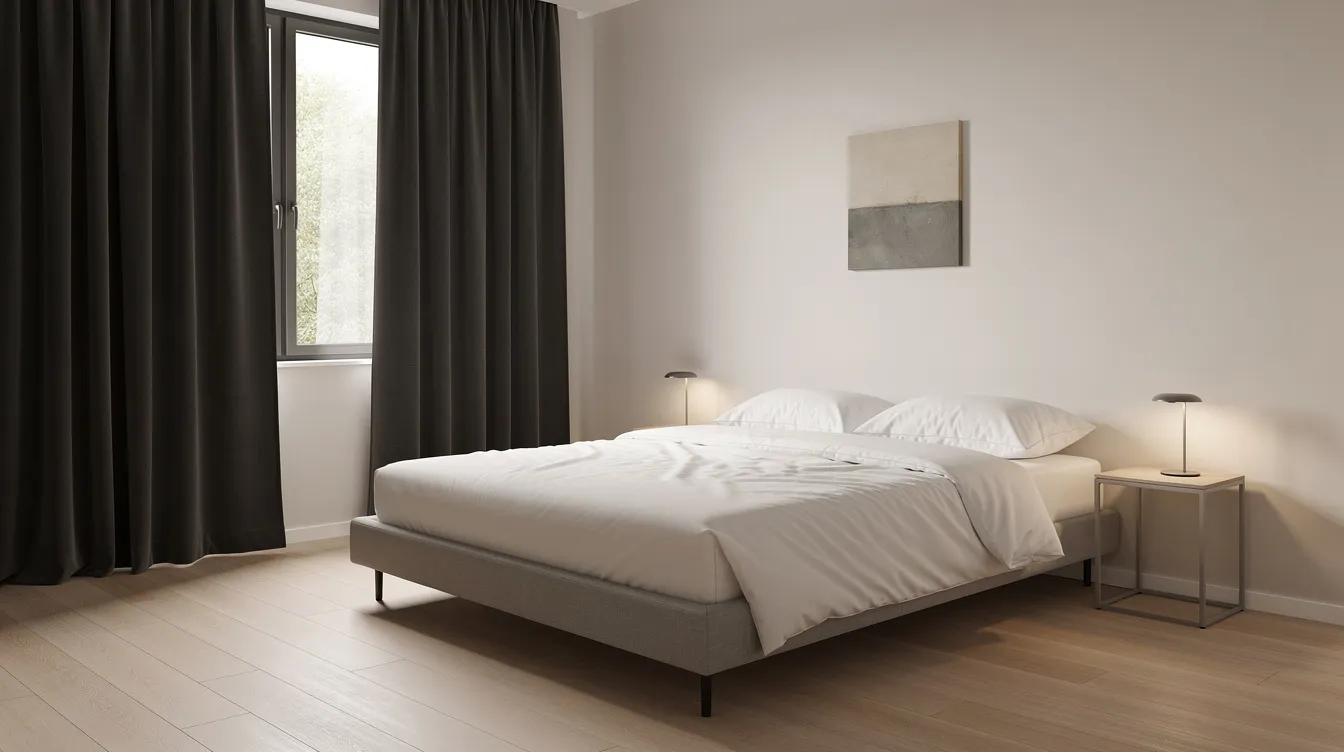
Your sleep environment does half the work of helping you achieve healthy sleep. Even the best sleep routine fails if your bedroom works against you.
Set your thermostat to 65-68°F (18-20°C). Your body temperature needs to drop for optimal sleep. A cool room supports this natural process rather than fighting it.
Block all light sources. Use blackout curtains or a sleep mask. Cover or remove any LEDs from electronics. Even small amounts of light can interfere with melatonin production and your sleep wake cycle.
Eliminate noise disruptions. If you can’t control external noise, mask it with a fan or ambient sounds. Earplugs work for some people, though they take adjustment.
Declutter your space. A chaotic bedroom creates mental noise. Keep your sleep space clean and minimal to create a calming environment.
Reserve your bed for sleep only. Don’t work in bed, don’t scroll in bed, don’t watch TV in bed. Your brain should associate your mattress exclusively with sleep (and intimacy). This strengthens the mental connection between bed and rest.
Simple Sleep Routine Templates Readers Can Follow
Here are three templates you can implement tonight. Adjust the times based on your target wake up time and how many hours of sleep you need.
60-Minute Wind Down Routine (Standard)
For a healthy adult targeting 11:00 PM bedtime:
| Time | Activity |
|---|---|
| 8:00 PM | Finish last meal and any alcohol |
| 9:00 PM | Close work laptop, switch devices to night mode |
| 10:00 PM | All screens off, dim lights throughout house |
| 10:00-10:15 PM | Warm shower or bath |
| 10:15-10:30 PM | Light stretching or progressive muscle relaxation |
| 10:30-10:50 PM | Read physical book in living room |
| 10:50 PM | Move to bedroom, brief journaling |
| 11:00 PM | Lights out |
30-Minute Quick Routine (Busy Nights)
When you can’t do the full routine but still want better quality sleep:
| Time | Activity |
|---|---|
| 10:30 PM | All screens off, dim lights |
| 10:30-10:40 PM | Quick warm shower |
| 10:40-10:50 PM | 5 minutes deep breaths, brief journaling |
| 10:50-11:00 PM | Read in bed until sleepy |
| 11:00 PM | Lights out |
Weekend-Adjusted Routine
To avoid sleep debt while maintaining your circadian rhythm:
- Keep wake up time within 1 hour of weekday schedule
- Follow the same 3-2-1 structure, just shifted later if needed
- Don’t skip the wind down routine just because it’s the weekend
- Avoid sleeping in more than 90 minutes past your usual time
The goal is enough sleep without disrupting the sleep schedule you’ve built during the week.
Addressing Lying Awake: When The Routine Isn’t Working

3-2-1 sleep rule – simple sleep routine templates readers can follow
Even with perfect sleep habits, you’ll occasionally find yourself lying awake at 2 AM. Here’s what to do.
Get up after 20 minutes. If you’ve been trying to stay asleep or fall asleep for 20 minutes without success, get out of bed. Staying in bed while awake trains your brain to associate bed with wakefulness.
Do a quiet, low-light activity. Move to another room and read under dim light, listen to calming music, or practice relaxation techniques. Avoid electronic devices and anything stimulating.
Return when you feel sleepy. Not tired—sleepy. There’s a difference. Go back to bed only when your eyelids feel heavy.
Avoid clock-watching. Turn your clock away from view. Calculating how many hours of sleep you might get creates anxiety that makes sleep harder.
Don’t turn on bright overhead lights. Any light exposure resets your melatonin production. Use the dimmest light possible if you need to see.
This approach prevents the anxiety spiral that turns one bad night into chronic poor sleep.
Troubleshoot Persistent Poor Sleep And Next Steps
If you’ve followed the 3-2-1 rule consistently for two weeks and still experience sleep issues, it’s time to dig deeper.
Track your sleep patterns. For two weeks, record:
- Bedtime and wake up time
- Time to fall asleep (estimate)
- Number of awakenings
- Caffeine, alcohol, and meal timing
- Exercise timing and intensity
- Stress levels
This data helps identify patterns your healthcare provider can use.
Evaluate your timing compliance. Are you actually stopping caffeine intake early enough? Finishing meals on time? Being honest about screen time? Small slips compound.
Consider underlying conditions. Persistent sleep deprivation despite good sleep hygiene may indicate a sleep disorder like obstructive sleep apnea, insomnia, or circadian rhythm disorders. These require professional evaluation.
Consult a sleep specialist. If you’ve done everything right and still can’t achieve healthy sleep habits, it’s time to see someone who specializes in sleep medicine. Poor sleep affects everything from high blood pressure to mental health—it’s worth getting expert help. Check the j clin sleep med resources or ask your doctor for a referral.
Content Extras To Include In The Article
3-2-1 Rule Quick Reference
Post this somewhere visible in your home:
3 HOURS BEFORE BED
✓ Last meal finished
✓ No more alcohol
✓ Switch to water or herbal tea

2 HOURS BEFORE BED
✓ Close work laptop
✓ Night mode on all devices
✓ Start dimming lights

1 HOUR BEFORE BED
✓ All screens off
✓ Warm bath or shower
✓ Start wind down activities
Sample Calming Playlist
Search for tracks like:
- Ambient piano instrumentals (60-80 BPM)
- Nature soundscapes (rain, ocean, forest)
- Classical guitar arrangements
- Binaural beats designed for sleep
Printable Bedtime Checklist
- Finished eating 3 hours before bed
- No alcohol after dinner
- Work tasks closed 2 hours before bed
- Night mode enabled on devices
- Screens off 1 hour before bed
- Completed relaxation activity
- Bedroom cool (65-68°F)
- Room completely dark
- Tomorrow’s to do list written

FAQ Section Topics To Cover
Why does calming music help some people fall asleep?
Calming music works by slowing your heart rate and breathing to match the tempo of the track. Music at 60-80 BPM mimics resting physiological states, helping your nervous system shift from alertness to relaxation. The key is consistency—using the same playlist each night creates a conditioned response where your brain begins associating those sounds with sleep onset.
How strict do the hours before bed need to be?
The specific hours (3, 2, 1) represent ideal targets, but the fundamental principle is consistency and gradual wind-down. If you can only manage 2 hours of food-free time before bed, that’s still better than eating right before sleep. Start with whatever you can realistically maintain, then tighten your timing as the routine becomes habit.
That said, the more closely you follow the rule, the better your results. Exercising regularly and maintaining these boundaries consistently yields compounding benefits over weeks.
How does the rule support circadian rhythm adjustments?
Your body clock responds to behavioral cues throughout the day. By eliminating caffeine, food, work, and screens at predictable intervals before bed, you’re sending consistent signals that sleep is approaching. Over time, this predictability helps synchronize your internal biological processes with your desired sleep schedule, making it easier to feel sleepy at the right time and wake naturally without an alarm.
What if I work night shifts?
The same principles apply, just shifted to match your schedule. Count backward from whenever you intend to sleep. The rule is about relative timing, not clock time.
Can I improve sleep without doing all three steps?
Yes. Start with whichever step feels most achievable. For most people, eliminating screens in the final hour creates the most immediate improvement because blue light suppression has such a direct effect on melatonin. Add the other components as you build momentum.
The 3-2-1 sleep rule isn’t complicated, but it does require consistency. Pick one element to implement tonight—stopping screens an hour before bed is the easiest starting point. Track how you feel after one week.
Better sleep doesn’t happen by accident. It happens when you build a system that works with your biology instead of against it. Print the checklist above, set a few phone reminders, and give your body the wind down routine it needs to deliver the restful sleep you deserve.