If you’ve ever woken up feeling exhausted while your tracker claimed you got eight hours of restorative sleep, you understand the frustration of unreliable sleep data. Sleep trackers are a key component of health tracking, which involves monitoring various health metrics beyond just sleep to provide comprehensive health insights.
This guide breaks down sleep tracker accuracy across the devices most people consider in 2026—ring trackers, smartwatches, fitness bands, and specialized sensors. You’ll find real-world accuracy percentages, battery life considerations, and practical advice on interpreting your sleep tracking metrics to actually improve your sleep health.
Quick Verdicts
Based on extensive testing and validation studies, here’s how current sleep tracking devices rank for accuracy:
| Rank | Device | Overall Accuracy | Best For |
|---|---|---|---|
| 1 | Oura Ring 4 | Highest | Accuracy seekers |
| 2 | Circular Ring 2 | Very High | Subscription-free tracking |
| 3 | WHOOP 5.0 | High | Fitness-focused users |
| 4 | Withings Sleep Analyzer | High (respiratory) | Sleep apnea screening |
| 5 | Garmin Watches | Moderate-High | Activity tracking integration |
| 6 | Fitbit Charge 6 | Moderate | Budget-conscious users |
| 7 | Apple Watch | Moderate | Ecosystem users |
| 8 | Google Pixel Watch | Moderate | Android users |
The best sleep tracker for most users remains the Oura Ring 4, combining sensor accuracy with near two-week battery life that eliminates data gaps. For those prioritizing fitness tracking alongside sleep, WHOOP 5.0 offers excellent accuracy with workout integration. Budget-focused users will find the Fitbit Charge 6 delivers reliable night-to-night trend data at a fraction of premium device costs.
While other devices, such as general fitness trackers or smartwatches, can collect some sleep data, they may lack the detailed insights provided by dedicated sleep tracking devices.
How We Tested Sleep Tracker Accuracy

Sleep tracker accuracy comparison – quick verdicts
Testing sleep tracker accuracy requires more than wearing two devices and comparing numbers. Valid comparisons need consistent protocols, reference standards, and sufficient sample sizes to account for night-to-night variability.
The testing methodology referenced throughout this guide follows Tom’s Guide’s established two-week protocol, using the Withings Sleep Analyzer as a control device to benchmark accuracy and effectiveness. During the first week, baseline data collection from both the test tracker and the Withings allows direct comparison of sleep stages, total sleep time, heart rate variability, and sleep onset latency.
Additional validation comes from peer-reviewed studies, including a 2024 Harvard Medical School study that compared consumer devices against polysomnography (the clinical gold standard for sleep measurement).
Heart Rate Measurement
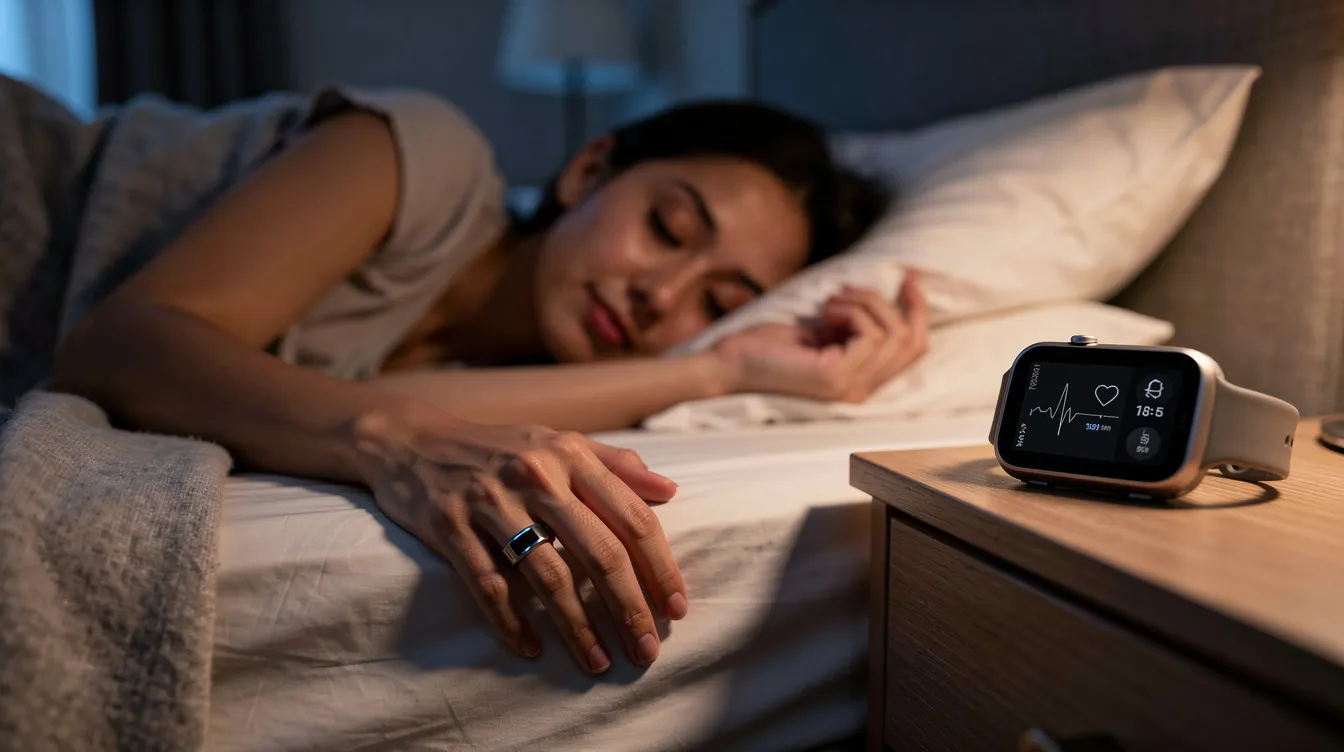
Heart rate accuracy during sleep forms the foundation of sleep stage classification. Devices use heart rate patterns to distinguish between light sleep, deep sleep, and rem sleep periods.
Accurate heart rate tracking requires:
- Consistent sensor contact throughout the night
- Sampling frequency of at least 1Hz (once per second)
- Minimal movement artifacts during measurement
Ring-based trackers demonstrate superior heart rate accuracy because finger sensors sit closer to capillary-rich tissue and move less independently than wrist sensors. The WHOOP 5.0’s upgraded sensors capture data 26 times per second, significantly improving accuracy over previous generations.
Accurate heart rate tracking during sleep can also provide important insights into heart health, supporting users in monitoring their overall cardiovascular well-being.
Respiratory Rate Tracking
Respiratory rate during sleep provides insights into sleep quality and potential breathing disorders. Most sleep trackers measure breathing rate through accelerometry and optical sensing, detecting chest movement patterns.
The Withings Sleep Analyzer uses a different approach—a pneumatic sensor combined with a built-in microphone that directly measures breathing patterns. This specialized method achieved 88% sensitivity for detecting moderate-to-severe sleep apnea in clinical comparisons.
For standard wearable trackers, respiratory rate consistency varies by device position. Ring trackers and under-mattress sensors show less night-to-night variability than wrist-based devices.
Blood Oxygen Sensing
Blood oxygen level measurement (SpO2) helps identify potential sleep-disordered breathing. However, SpO2 accuracy depends heavily on:
- Sensor placement and skin contact
- Skin temperature and circulation
- Movement during measurement
- Device calibration quality
Most consumer devices measure blood oxygen intermittently rather than continuously, which can miss brief desaturation events. The accuracy of SpO2 readings varies more than heart rate accuracy across devices, making this metric less reliable for diagnostic purposes.
Sleep Latency And Detecting When You Fall Asleep
Sleep latency—the time it takes you to fall asleep after getting into bed—is notoriously difficult for trackers to measure accurately. Devices must distinguish between lying still while awake versus actual sleep onset.
Testing shows most sleep trackers overestimate how quickly you fall asleep by 5-15 minutes. Ring-based trackers perform slightly better here due to more sensitive movement detection, but no consumer device matches the accuracy of clinical EEG monitoring for detecting the precise moment sleep begins.
Device-by-Device Accuracy Reports
The following accuracy reports synthesize data from controlled testing, validation studies, and real-world use. Each device receives ratings across core metrics: heart rate, respiratory rate, blood oxygen, and sleep staging.
Scoring uses a simple rubric:
- Excellent: 85%+ agreement with reference standards
- Good: 75-84% agreement
- Moderate: 65-74% agreement
- Fair: Below 65% agreement
Oura Ring Accuracy Overview
The Oura Ring 4, released October 2024, emerged as the top performer in Sleep Foundation’s 2026 testing and Tom’s Guide’s hands-on comparisons. Its sensor suite includes optical heart rate sensors, SpO₂ sensors, accelerometers for movement and sleep stages, plus breathing rate and skin temperature variation tracking.
The Oura Ring’s advanced health tracking features enable users to monitor a wide range of health metrics, providing detailed insights beyond sleep alone.
Heart rate accuracy at night: Excellent. The finger placement provides stable readings with minimal movement artifacts. Resting heart rate measurements show strong correlation with clinical monitors.
Blood oxygen and respiratory rate: Good to excellent. SpO2 measurements benefit from finger placement, though still less precise than medical pulse oximeters. Respiratory rate tracking integrates skin temperature data for improved accuracy.
Battery life impact on data: The Oura Ring boasts near two-week battery life on a full charge, which means you’re unlikely to miss nights due to charging. This extended battery life ensures consistent data collection across your sleep patterns.
The oura app provides three scores daily—sleep score, readiness score, and activity score—giving you a holistic view of how sleep affects your daily life. The daily readiness score helps identify patterns in recovery.
The main drawback: membership options are pricey. You’ll pay ongoing subscription fees for full feature access.
Apple Watch Accuracy Overview
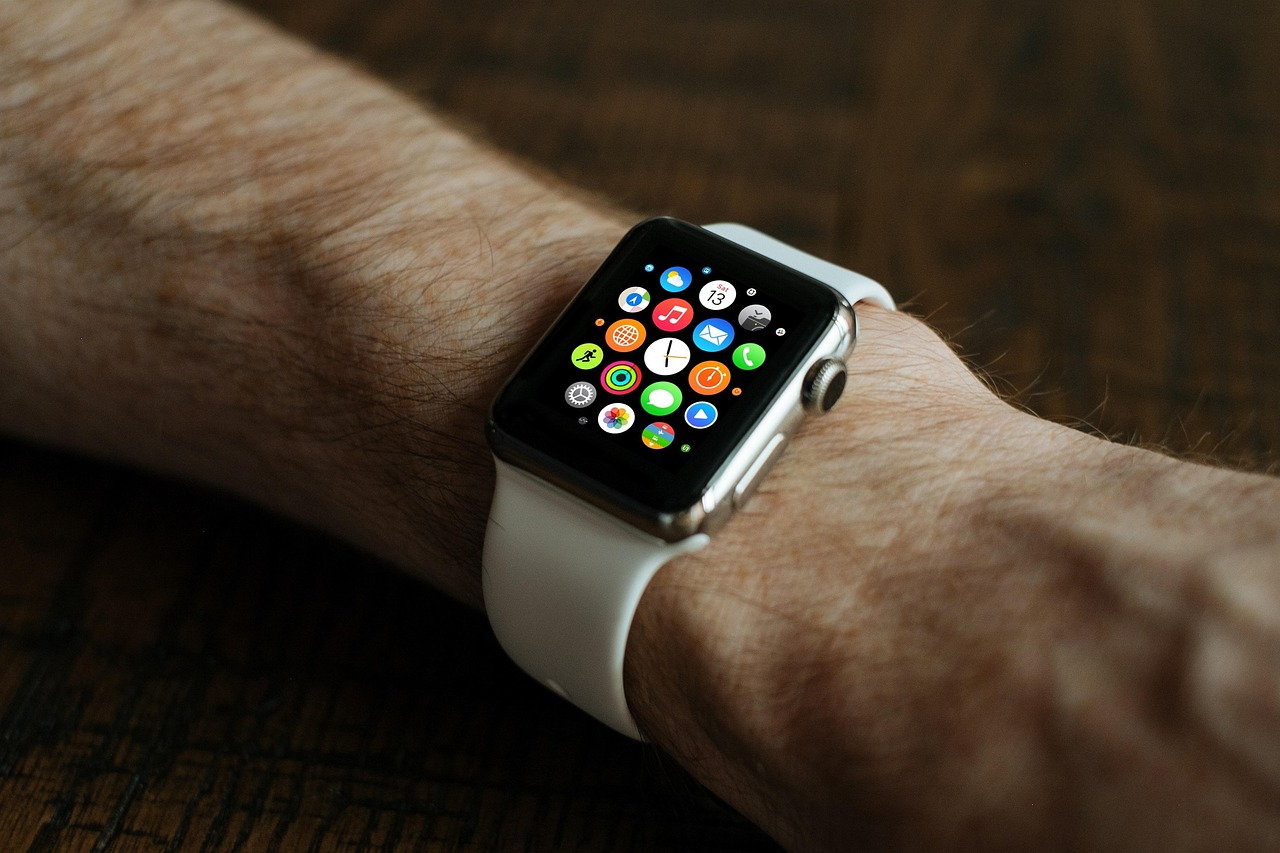
The Apple Watch offers solid sleep tracking for users already invested in Apple’s ecosystem. The health app integration makes viewing all the data straightforward, and the watch face can display sleep metrics at a glance.
Heart rate nighttime fidelity: Good. Wrist placement introduces more movement artifacts than ring trackers, but Apple’s algorithms compensate reasonably well. Heart rate tracking remains consistent throughout one night of monitoring.
Blood oxygen and respiratory rate: Moderate to good. The Apple Watch measures blood oxygen periodically rather than continuously. Respiratory rate data integrates with broader health data in the health app.
Battery life effects: This is where Apple Watch struggles for sleep tracking. Daily charging requirements mean you’ll need to establish charging routines around your wake up time to ensure the watch has power overnight. Many users charge during morning routines, but forgetting can result in missing sleep data entirely. The more frequent charging cycle compared to ring trackers creates practical challenges for consistent tracking.
Google Pixel Watch / Pixel Watch Accuracy Overview
The Google Pixel Watch integrates with Fitbit’s sleep algorithms while offering Google’s ecosystem advantages including google play app support and Fitbit’s accompanying app for detailed analysis.
Overall accuracy: Moderate to good. The Pixel Watch uses similar sensing technology to Fitbit devices but with Google’s interface layer.
Heart rate overnight performance: Good. Sampling rates and algorithms produce reliable heart rate trends, though slightly less precise than ring-based competitors.
Blood oxygen sensing: Moderate. Similar limitations to other wrist-based devices, with periodic rather than continuous measurement.
Battery life and app dependency: The Pixel Watch requires more frequent charging than many competitors, typically needing daily charges. Sleep data syncs to both Google and Fitbit apps, which some users find redundant while others appreciate having multiple views of their sleep habits.
Best Fitness Tracker Alternatives
For users who prioritize activity tracking alongside sleep monitoring, dedicated fitness trackers offer compelling options.
WHOOP 5.0:
- Heart rate accuracy: Excellent (26x/second sampling)
- Heart health insights: Tracks heart rate zones and cardiovascular performance, providing valuable data for monitoring heart health
- Sleep staging: On par with most ring trackers
- Battery life: Requires charging but uses battery pack system
- Unique advantage: Integrates sleep data with workout recovery metrics
The whoop app calculates how much sleep you need based on daily movement and exercise strain, making it ideal for athletes. Sleepopolis named it their Editor’s Pick for 2026.
Fitbit Charge 6:
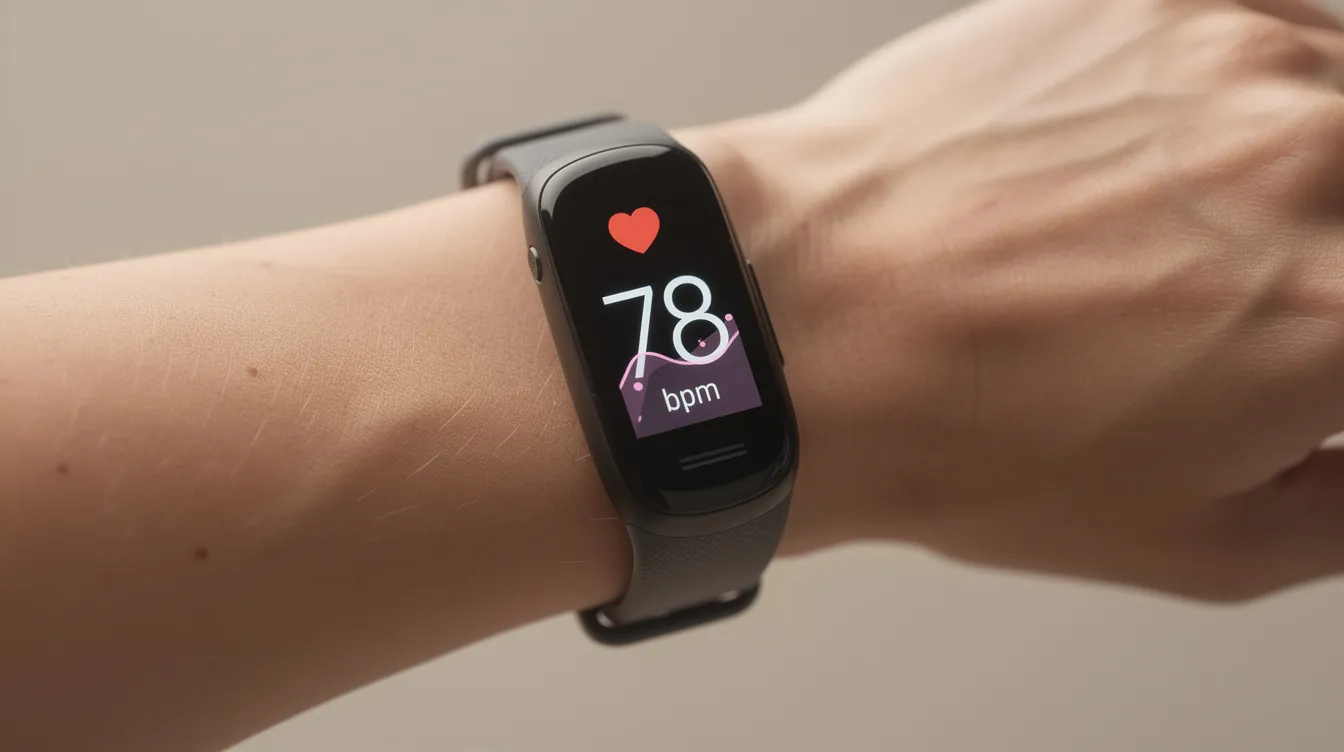
- Heart rate accuracy: Good (approximately 10% behind ring trackers per Harvard study)
- Sleep staging: Moderate—tracks light sleep, deep sleep, and rem sleep adequately
- Battery life: Up to eight days on a single charge
- Value proposition: Delivers sleep tracking that holds its own against devices costing twice as much
Many sleep trackers in the fitness band category follow similar accuracy patterns. The Fitbit Inspire 3 offers comparable tracking at lower cost, though with fewer advanced features.
Headbands And Nonwearable Devices
EEG-based headbands represent the most accurate consumer option for sleep staging, as they measure brain waves directly rather than inferring sleep stages from heart rate and movement.
Sleep staging accuracy: Excellent when worn correctly. EEG devices can distinguish between sleep stages with near-clinical precision.
Fall asleep assistance: Some headbands offer audio-based sleep assistance features, playing sounds designed to help you fall asleep faster. Effectiveness varies by individual.
Comfort and battery life tradeoffs: The fundamental limitation of headbands is comfort. Many users find them disruptive enough to affect natural sleep patterns, ironically compromising the data they’re meant to capture. Battery life typically requires nightly charging.
Under-mattress sensors (like Withings Sleep Analyzer):
- 83% overall sleep-wake classification accuracy
- Exceptional respiratory analysis (88% sensitivity for sleep apnea)
- No wearable required—track sleep without wearing anything
- Captures body temperature variations and movement patterns
While other devices, such as general fitness trackers or smartwatches, can collect some sleep data, they often lack the detailed insights and accuracy of dedicated sleep tracking devices.
Battery Life, Practical Use, And Data Gaps

Sleep tracker accuracy comparison – device-by-device accuracy reports
Battery life directly affects sleep tracker accuracy through data continuity. A tracker that dies mid-night or requires charging during sleep hours creates gaps that undermine long-term pattern analysis.
| Device | Typical Battery Life | Charging Impact |
|---|---|---|
| Oura Ring 4 | 12-14 days | Minimal gaps |
| WHOOP 5.0 | 4-5 days (with pack) | Low impact |
| Fitbit Charge 6 | 7-8 days | Low impact |
| Apple Watch | 18-36 hours | High impact |
| Pixel Watch | 24 hours | High impact |
| Garmin Watches | 5-14 days | Low impact |
Optimal charging routines:
- Charge smartwatches during morning routines, not overnight
- Set charging reminders for multi-day battery devices
- Keep backup charging cables at work for emergency top-ups
Common causes of missing or corrupted data:
- Forgot to charge before bed
- Tracker loosened during sleep (wrist devices)
- Rest mode activated unintentionally
- App sync failures between device and phone
Interpreting Metrics To Get Better Sleep
Raw data from your tracker only helps if you know how to act on it. Here’s how to translate sleep tracking metrics into better sleep.
Using heart rate trends: Your resting heart rate during sleep should remain stable night to night. Elevated heart rate compared to your baseline often indicates:
- Insufficient recovery from exercise
- Alcohol consumption effects
- Oncoming illness
- Stress or anxiety
Track your heart rate variability (HRV) trends over weeks rather than focusing on single-night values. Higher HRV generally correlates with better recovery and sleep quality.
Respiratory rate for breathing pattern insights: Sudden changes in respiratory rate during sleep may indicate:
- Sleep-disordered breathing
- Respiratory illness
- Environmental factors (allergens, air quality)
If your tracker consistently shows elevated or irregular breathing patterns, consider discussing with a healthcare provider.
When to act on blood oxygen drops: Occasional minor SpO2 drops during sleep are normal. Concerning patterns include:
- Repeated drops below 90%
- Drops correlated with snoring (if tracked)
- Daytime fatigue despite adequate total sleep time
These patterns warrant medical evaluation for potential sleep apnea.
Reducing sleep latency: If your tracker shows you’re taking more than 20-30 minutes to fall asleep consistently:
- Maintain consistent bedtimes (sleep consistency matters)
- Avoid screens 30 minutes before bed
- Ensure bedroom temperature stays cool
- Consider cognitive behavioral techniques for insomnia
Choosing The Best Sleep Tracker For You

Sleep tracker accuracy comparison – interpreting metrics to get better sleep
Your ideal device depends on what you’re optimizing for. Use this checklist to match your goals with the right tracker.
For maximum accuracy seekers:
- First choice: Oura Ring 4
- Alternative: Circular Ring 2 (subscription-free option)
- Key consideration: Budget for ongoing subscription costs with Oura
For fitness-focused users:
- First choice: WHOOP 5.0
- Alternative: Garmin watches with Body Battery
- Key consideration: How important is integrating sleep with workout recovery?
For budget-friendly options:
- First choice: Fitbit Charge 6
- Alternative: Fitbit Inspire 3
- Key consideration: Accept ~10% accuracy trade-off for significant cost savings
For Apple ecosystem users:
- First choice: Apple Watch (latest generation)
- Key consideration: Solve the battery life challenge with consistent charging routines
For non-wearable preference:
- First choice: Withings Sleep Analyzer
- Key consideration: Exceptional for respiratory analysis, moderate for sleep staging
Limitations And When Not To Rely On Trackers
Consumer sleep trackers have meaningful limitations that every user should understand.
Night-to-night variability: Even the best sleep tracker shows variance between nights that doesn’t reflect actual sleep quality changes. A single night showing poor deep sleep doesn’t necessarily indicate a problem—look at trends over weeks.
When to consult clinicians:
- Persistent daytime fatigue despite tracker showing adequate sleep
- Partner reports loud snoring or breathing pauses
- Tracker consistently shows unusual metrics
- Sleep problems affecting daily functioning
Consumer devices cannot diagnose sleep disorders. They can provide data that helps conversations with healthcare providers, but clinical polysomnography remains the diagnostic standard.
Limitations for certain populations: Optical sensors may perform differently based on:
- Skin tone (darker skin may affect some optical readings)
- Body composition
- Circulation conditions
- Medication effects
If your tracker’s readings seem consistently inconsistent with how you feel, the device may not be calibrating well for your physiology.
Data Presentation Appendix
Comparison table of key metrics:
| Device | Sleep Staging | Heart Rate | SpO2 | Battery | Subscription |
|---|---|---|---|---|---|
| Oura Ring 4 | Excellent | Excellent | Good | 14 days | Required |
| Circular Ring 2 | Excellent | Excellent | Good | 4 days | Optional |
| WHOOP 5.0 | Good | Excellent | Good | 5 days | Required |
| Withings Sleep Analyzer | Good | N/A | N/A | Plugged | None |
| Fitbit Charge 6 | Moderate | Good | Moderate | 8 days | Optional |
| Apple Watch | Moderate | Good | Moderate | 1.5 days | None |
| Pixel Watch | Moderate | Good | Moderate | 1 day | Optional |
For sample night-by-night agreement charts and raw testing notes, validation studies from Harvard Medical School and Sleep Foundation provide detailed methodology documentation.
Final Recommendations And Next Steps
After analyzing accuracy data, battery life impacts, and practical considerations, three devices stand out for different user needs:
- Oura Ring 4: Best overall accuracy with excellent battery life. Accept the subscription cost for the most reliable sleep data available in a consumer device.
- WHOOP 5.0: Best for fitness-focused users who want sleep score calculated against daily activity. The integration between sleep quality and workout recovery is unmatched.
- Fitbit Charge 6: Best value for users who want reliable trend tracking without premium pricing. The 10% accuracy gap versus ring trackers is tolerable for most use cases.
Before purchasing:
- Check return policies—most devices need 2-3 weeks to calibrate and show meaningful patterns
- Consider trial periods where available
- Verify app compatibility with your phone
Home testing you can do:
- Compare wake times with your tracker’s detected wake time
- Note how rested you feel versus reported sleep efficiency
- Track time spent falling asleep manually for comparison with device estimates
Start with consistent tracking for at least two weeks before drawing conclusions about your sleep patterns. The value of sleep tracking comes from trends over time, not individual night snapshots. Use your tracker’s insights as one input among many—including how you actually feel—when optimizing your sleep health and overall health.