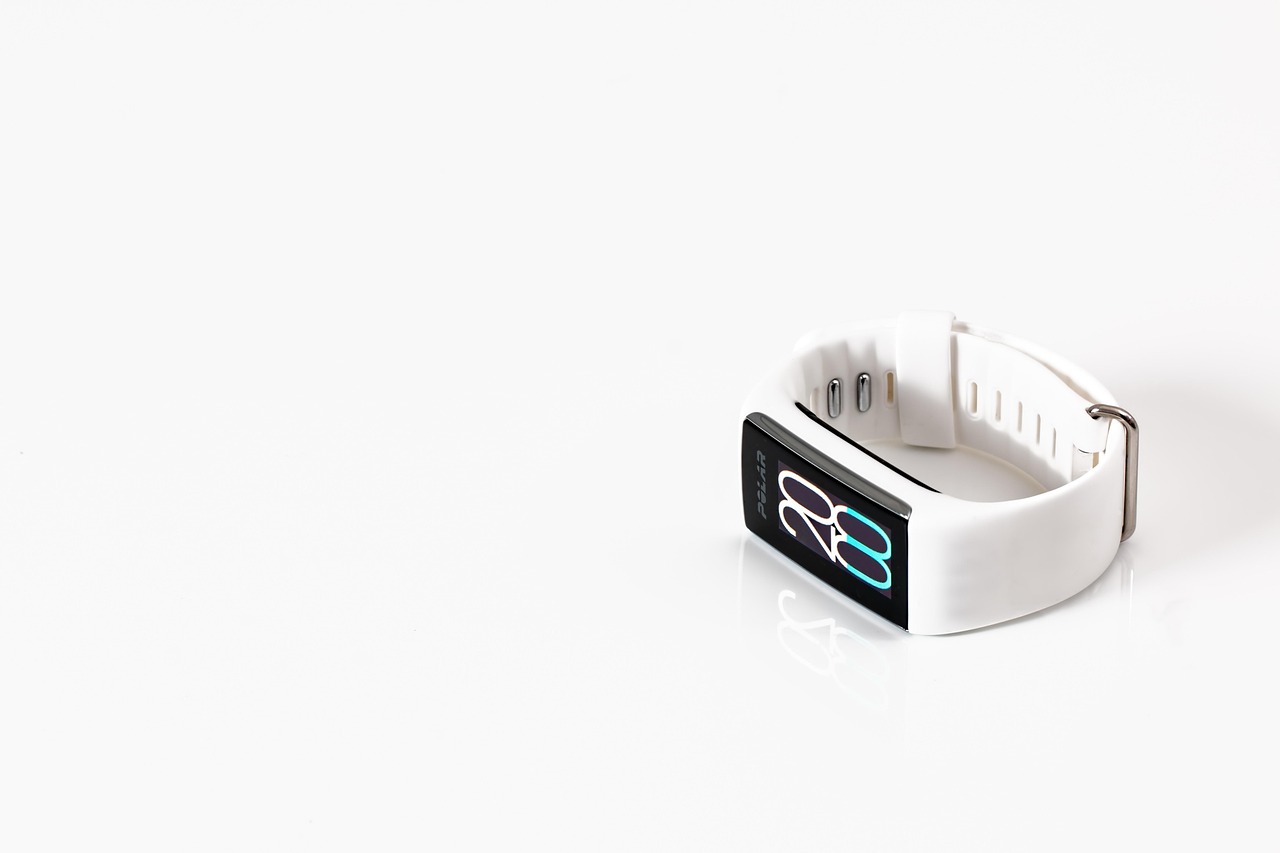
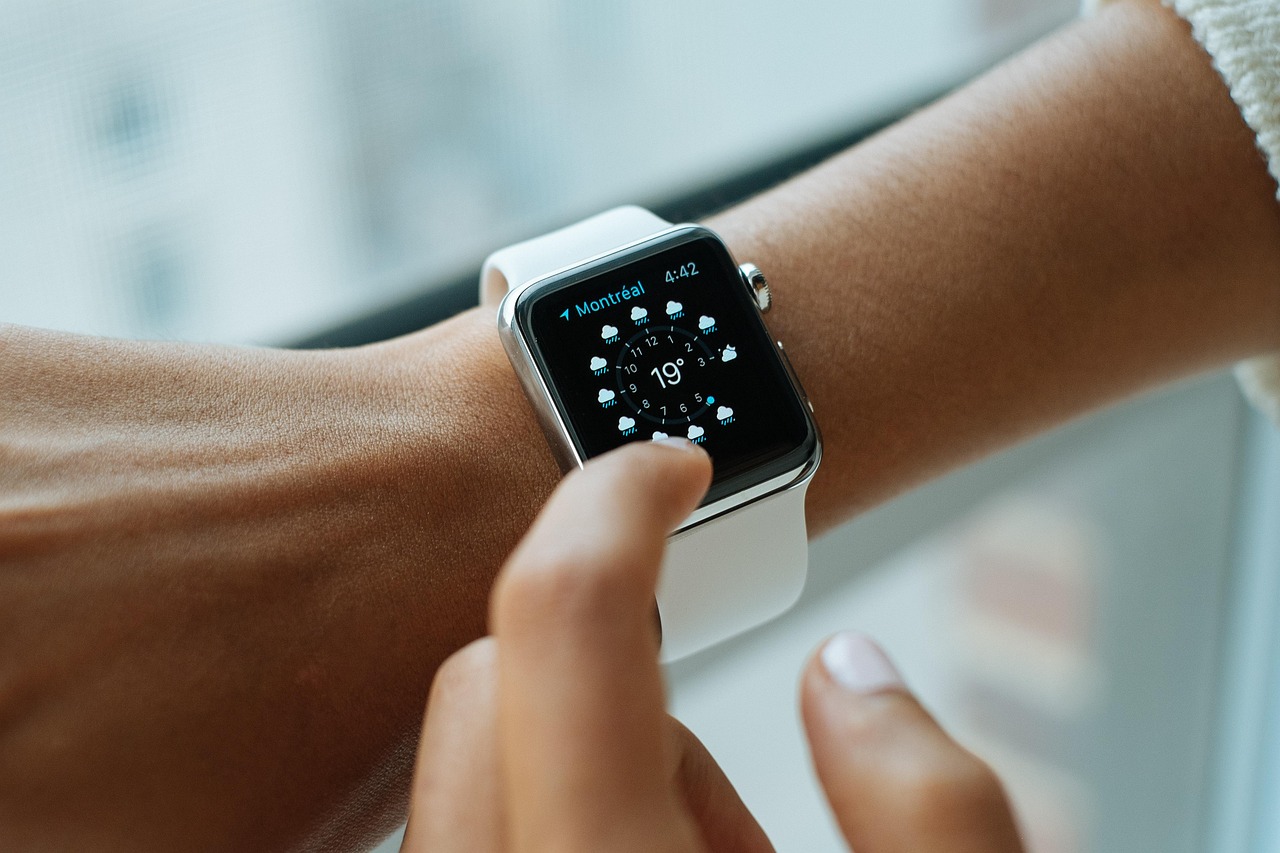
This guide breaks down the best sleep tracking devices on the market in 2026—helping you find the right wearable to monitor your sleep patterns, improve sleep quality, and wake up feeling restored.
Whether you prefer a discreet ring that disappears on your finger, a feature-packed smartwatch, a fitness tracker, or even a headband that monitors brain activity, sleep tracking wearables have evolved dramatically. The latest devices can now track sleep stages with up to 82% accuracy compared to lab-grade polysomnography, making them genuinely useful tools for understanding how sleep affects your overall health.
Who This Is For: Readers Wanting Better Sleep
Sleep tracking devices work best for specific groups:
- Busy professionals managing stress who want to correlate recovery with work demands
- Athletes monitoring deep sleep and recovery score for performance optimization
- Women tracking menstrual cycles via integrated tagging features
- General users aiming to improve mild insomnia through sleep efficiency insights
Who should avoid trackers:
Those with diagnosed sleep disorders like severe sleep apnea should consult sleep experts before relying on wearable devices. These products lack FDA clearance as medical devices for diagnosis. People prone to data-anxiety may develop orthosomnia—obsessive checking that actually worsens sleep. If you have sensitive skin irritated by prolonged wear, consider nonwearable alternatives.
Quick Picks: Best Sleep Trackers At A Glance

Sleep tracking wearables – who this is for: readers wanting better sleep
| Pick | Device | Why It Wins |
|---|---|---|
| Best Overall | Oura Ring 4 | Top-tier accuracy, 7-8 day battery life, comprehensive health metrics |
| Best Smartwatch | Apple Watch Series 11 | Seamless iPhone integration, FDA-cleared sleep apnea detection |
| Budget Pick | Fitbit Charge 6 | Solid sleep stages tracking under $150 with 7-day battery |
How We Tested Sleep Trackers
Testing protocols for sleep tracking wearables in 2026 typically span 1-4 weeks per device with 5-10 testers. Outlets like Sleep Foundation and Tom’s Guide have established rigorous methodologies that we reference throughout this guide.
Test duration: Each device was worn for a minimum of 14 consecutive nights to allow calibration algorithms to establish baseline patterns.
Primary evaluation criteria:
- Sleep stage accuracy (light sleep, deep sleep, rem sleep, wakefulness)
- Heart rate variability measurements
- Blood oxygen level monitoring
- Usability of the accompanying app
- Overnight comfort
Data-collection controls:
- Consistent bedtime routines across testers
- Room temperature maintained at 60-67°F
- Cross-validation against polysomnography or third-party apps
- Multiple testers with varying sleep habits and body types
Testing Criteria And Metrics

Sleep tracking wearables – how we tested sleep trackers
Understanding what these devices actually measure helps you interpret your sleep data effectively.
Sleep Stages Defined
| Stage | Typical % of Night | What It Does |
|---|---|---|
| Light sleep | 50-60% | Transition phase, memory consolidation begins |
| Deep sleep | 10-25% | Physical restoration, immune function |
| REM sleep | 20-25% | Dream state, emotional processing |
Key Vitals Tracked
Most sleep trackers collect data on:
- Sleep duration: Aiming for 7-9 hours
- Sleep efficiency: Time spent asleep versus time in bed (85-95% is healthy)
- Sleep latency: How long it takes to fall asleep (under 30 minutes is ideal)
- Restlessness index: Movement frequency during the night
- Heart rate: Resting heart rate typically drops 5-20 bpm during sleep
- Blood oxygen: SpO2 readings above 95% are normal
- Body temperature: Deviations can signal illness
Third-party validation studies show Oura, Eight Sleep Pod, WHOOP, Pixel Watch, and Galaxy Watch 8 achieving 75-82% agreement with lab-grade polysomnography. Garmin and older Fitbit models lag slightly behind.
Top Pick: Oura Ring 4 — Best Sleep Tracker
Oura Ring 4
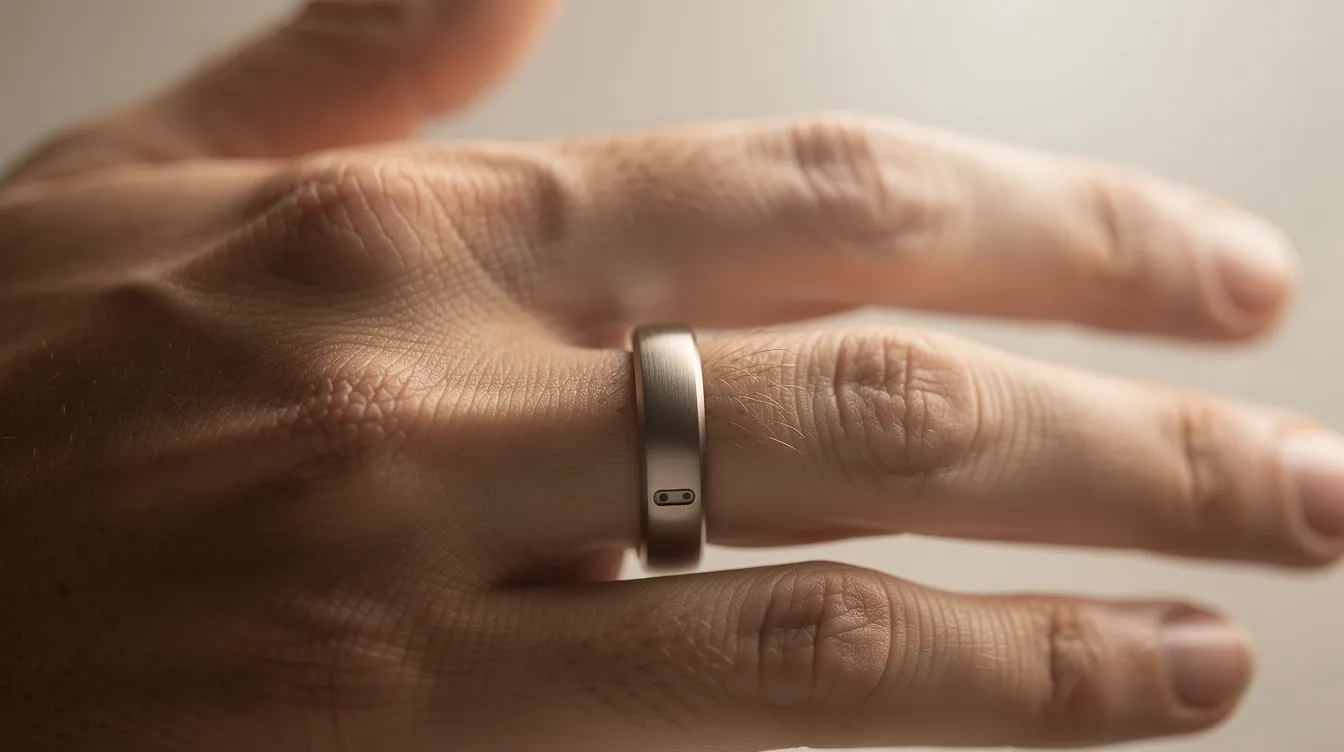
The Oura Ring 4 earns its position as the best sleep tracker through a combination of accuracy, comfort, and comprehensive health data.
Current pricing: $349-$549 depending on finish (ceramic models at the higher end)
Subscription requirement: $5.99/month or $71.88/year for full app access after a 14-day trial period
Battery life: Up to 8 days (real-world usage: 5-7 days with heavy activity tracking)
Why it’s the best: The finger-based placement minimizes motion artifacts that plague wrist-based sensors. Blood flow measurement via photoplethysmography (PPG) proves more accurate from the finger, where arteries are closer to the surface. The Oura Ring 4 incorporates smarter algorithms, more accurate sensors, and robust ceramic materials for skin-friendly wear.
A certified sleep science coach would appreciate that Oura achieves impressively low wake-detection error rates, making it particularly reliable for identifying sleep phases and time spent in each stage.
How To Present Oura Metrics
The Oura Ring reports nightly metrics that paint a complete picture of your sleep:
Primary scores:
- Sleep score (0-100): Composite rating factoring duration, efficiency, and stages
- Readiness score (0-100): Combines sleep quality, activity, and heart rate variability
- Recovery score: Indicates how prepared your body is for strain
Detailed metrics:
- Sleep stage timeline with color-coded graphs
- Sleep latency (how quickly you fall asleep)
- Sleep efficiency percentage
- Restlessness count
- Chronotype insights (whether you’re a morning or evening person)
Special features to highlight:
- Cycle-tracking integration for women’s health
- Tagging system to correlate daily habits (caffeine, alcohol, screen time) with sleep outcomes
- Symptom Radar for detecting elevated resting heart rate signaling illness
- Trend analysis over weeks and months to recognize patterns
Oura Ring Pros And Cons
Pros:
- Sleek, minimal design that doesn’t scream “fitness device”
- Industry-leading 7-8 day battery life
- Comprehensive sleep tracking metrics including body temperature
- Free sizing kit ensures proper fit
- Skin-gentle materials reduce irritation
- Passive all-day monitoring without distracting notifications
Cons:
- Monthly subscription required for full data access (additional cost adds up)
- Initial 1-2 week calibration period before accurate readings
- Higher upfront cost than most sleep trackers
- No on-device display forces complete app reliance
- Limited real-time feedback during the day
Best Smartwatch For Sleep: Apple Watch

Sleep tracking wearables – top pick: oura ring 4 — best sleep tracker
Apple Watch
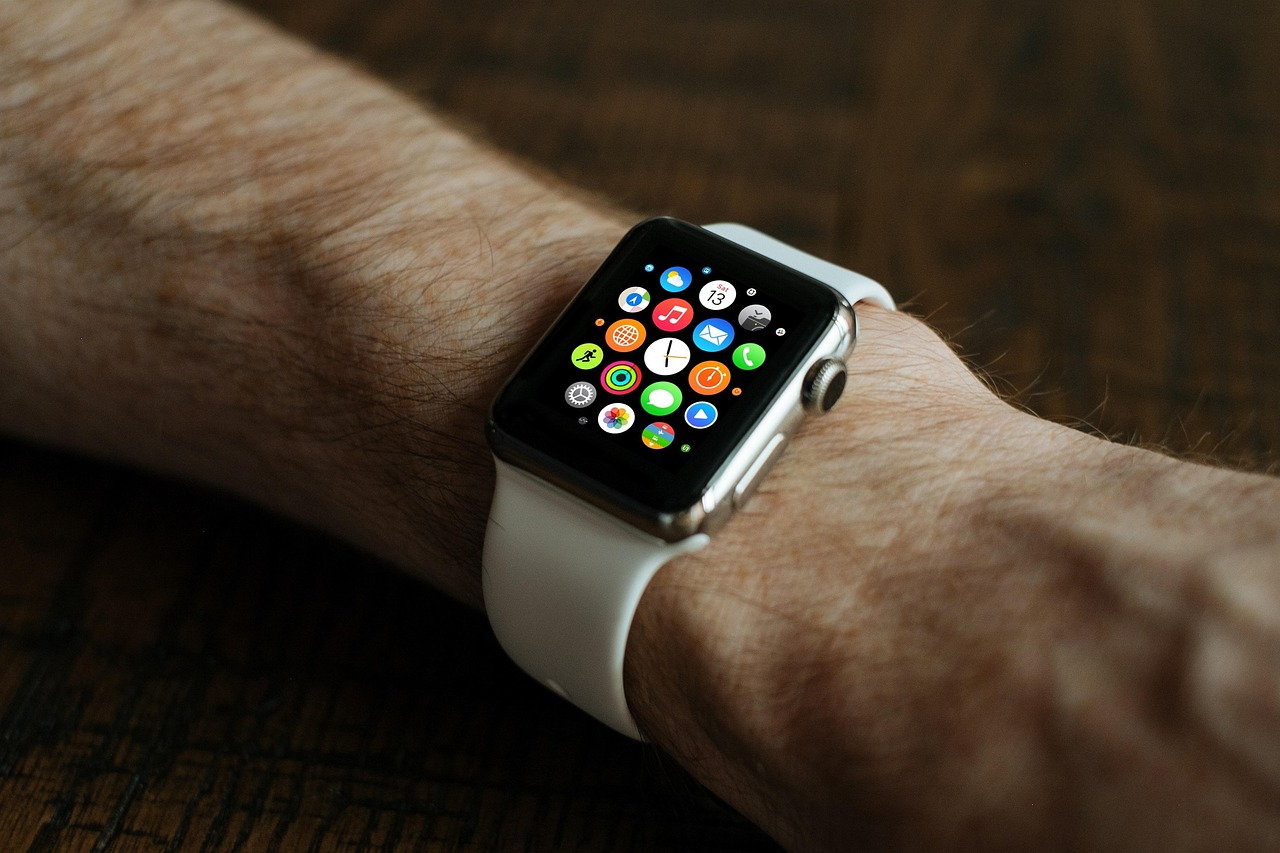
The Apple Watch Series 11 represents Apple’s most capable sleep tracking device to date.
Model tested: Apple Watch Series 11 / Ultra 3
Price range: $399-$799 depending on model and materials
Integration: Seamless connection with iPhone via Apple Health, aggregating health data from multiple sources
Battery life limitation: 18-36 hours maximum. This remains the Apple Watch’s most significant drawback for sleep tracking—many users need to charge during the day to ensure the watch survives overnight.
The Apple Watch includes FDA-cleared breathing disturbance detection that can notify users of potential sleep apnea signs. This makes it one of the few wearable trackers with some medical validation for respiratory monitoring.
Apple Watch Sleep Features To Highlight
On-screen capabilities:
- Sleep score displayed via watchOS updates
- Stage breakdown pie charts showing light sleep, deep sleep, and rem sleep percentages
- Trend views over days and weeks
In-wrist vitals tracked:
- Resting heart rate
- Heart rate variability
- Respiratory rate
- Wrist temperature (useful for cycle predictions)
Comparison to ring-based metrics: Apple Watch achieves approximately 75-80% accuracy for sleep stages—competitive but slightly below the Oura Ring 4’s precision. Wrist movement interference creates more noise in the data, particularly for detecting transitions between sleep phases.
The Apple Watch excels for users already embedded in Apple’s ecosystem who want sleep tracking without buying an additional device.
Pixel Watch And Fitbit Integration
Pixel Watch
The Pixel Watch 4 brings Fitbit’s sleep expertise to Google’s wearable platform.
Model: Pixel Watch 4
Price: $349-$449
Fitbit integration: Full access to Fitbit’s advanced sleep analytics, including the Sleep Profile feature
Subscription: Fitbit Premium ($9.99/month or $79.99/year) required for AI-powered insights after a 6-month trial
The Fitbit app delivers one of the most detailed sleep analysis experiences available. Sleep Profile dynamically scores your sleep consistency and schedule regularity, going beyond single-night metrics to identify patterns over months.
Compare Pixel Watch To Apple Watch
| Feature | Pixel Watch 4 | Apple Watch Series 11 |
|---|---|---|
| Best for | Android users | iOS users |
| App ecosystem | Google Fit + Fitbit | Apple Health |
| Sleep coaching | Superior AI-driven insights | Basic recommendations |
| Health app polish | Good but fragmented | Excellent integration |
| Battery life | 24-36 hours | 18-36 hours |
| Charging speed | 80% in 30 minutes | Slower |
| Subscription | $9.99/month for Premium | None required |
For Android users, the Pixel Watch 4 offers a more cohesive experience. The Fitbit app is available on Google Play and provides detailed sleep times analysis that rivals dedicated sleep products.
Best Fitness Tracker Options
Fitness Tracker Picks
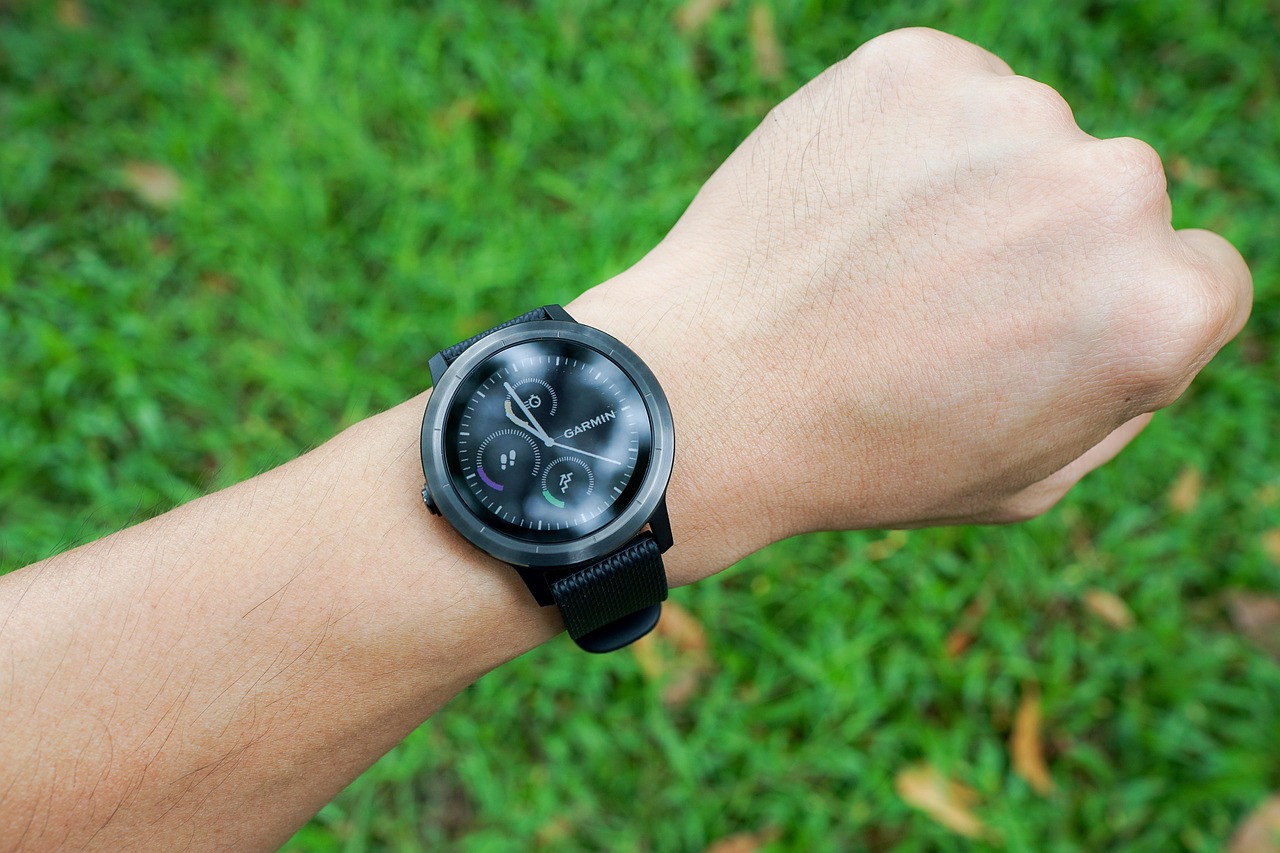
Mainstream pick: Garmin Venu 3
- Price: $449
- Battery: 14 days in smartwatch mode (longer battery life than any smartwatch)
- Features: Sleep Coach, Body Battery recovery metric, ECG, 30+ sports apps
- Best for: Athletes wanting more fitness related metrics alongside sleep data
Budget option: Fitbit Charge 6
- Price: Under $150
- Battery: 7 days
- Features: Basic sleep stages, stress level monitoring, SpO2
- Best for: Users wanting solid sleep tracking without premium pricing
Fitness Trackers Versus Rings
Overnight comfort: Fitness bands weigh 20-30 grams compared to rings under 6 grams. Side sleepers often find wrist devices uncomfortable, pressing into wrists during position changes. The Oura Ring’s minimal profile makes it nearly undetectable during sleep.
Activity tracking depth: Fitness trackers like Garmin excel at daytime activity tracking with GPS, workout modes, and fitness related metrics that rings simply cannot match. If you want a single fitness device for both workouts and sleep, a tracker offers better value.
The tradeoff: Choose rings for sleep-first priorities with passive monitoring. Choose fitness trackers when you need deeper workout analytics and can tolerate wrist wear overnight.
WHOOP And Recovery-Focused Trackers
WHOOP (Recovery-First Fitness Tracker)
WHOOP 5.0 takes a different approach—no upfront hardware cost, subscription-only model.
Membership: $239-$399/year (includes the band)
Analytics included:
- Strain score (0-21 exertion measurement)
- Recovery tracking with color-coded status (green/yellow/red)
- Sleep need predictions based on accumulated strain
- Heart rate variability trending
- Respiratory rate monitoring
- Blood oxygen tracking
Band battery life: Up to 5 days
Wearing options: Wrist band, upper arm band, or integrated into WHOOP apparel
WHOOP targets serious athletes and biohackers who want prescriptive recovery guidance rather than just descriptive data. The app-only interface means no screen distractions—your data lives entirely in the comprehensive dashboard.
How Trackers Help You Fall Asleep
Beyond monitoring, several wearable trackers include features designed to help you fall asleep faster and stay asleep longer.
Short-term sleep aids:
- Guided breathing: Apple Watch offers wind-down modes with haptic breathing guidance
- Adaptive smart alarms: Oura and Fitbit can vibrate during light sleep phases for gentler wake-ups
- Soundscapes: Devices like the Bía Smart Sleep Mask include audio hypnosis and bedtime routines
Studies suggest these features can reduce sleep latency by 10-20 minutes initially, though effectiveness varies by individual.
Recommendations:
- For guided audio: Consider the Bía sleep mask with sunrise alarm simulation
- For vibration-based wind-down: WHOOP and Oura offer subtle haptic cues
- For testing adaptive alarms: Fitbit’s smart wake feature identifies optimal light sleep windows
Start with one feature at a time. Activating multiple sleep aids simultaneously makes it harder to identify patterns and what actually works for your sleep schedule.
Battery Life: What To Compare
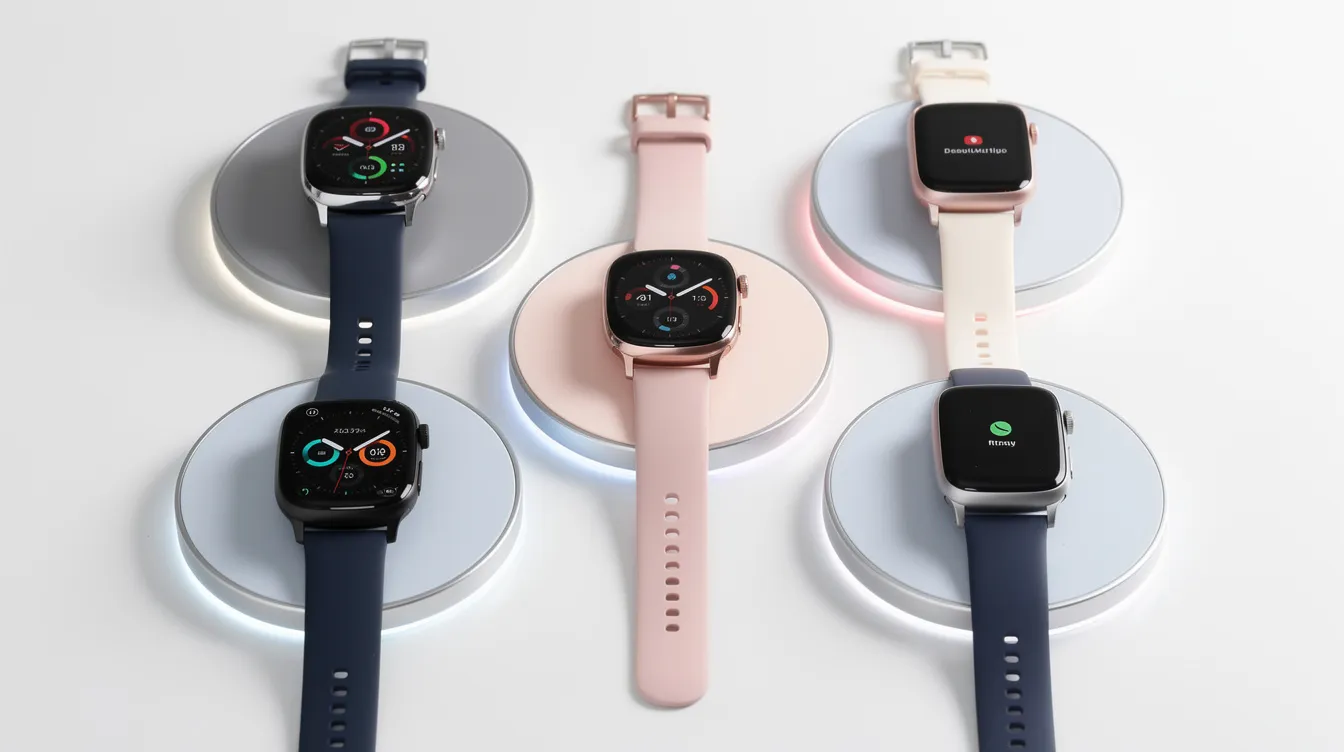
Battery life significantly impacts sleep tracking usability. A dead device at bedtime means lost data.
| Device | Days Per Charge | Charging Time | Charging Method |
|---|---|---|---|
| Oura Ring 4 | 7-8 days | 20-80 minutes | Magnetic puck |
| Garmin Venu 3 | 14 days | ~1 hour | Proprietary dock |
| WHOOP 5.0 | 4-5 days | ~2 hours | Slide-on charger |
| Fitbit Charge 6 | 7 days | ~2 hours | Magnetic cable |
| Apple Watch | 1-1.5 days | ~1.5 hours | Magnetic charger |
| Pixel Watch 4 | 1-2 days | 30 min to 80% | USB-C dock |
| Samsung Galaxy Watch 8 | 1-2 days | ~2 hours | Wireless pad |
Key insight: Screenless devices (rings, bands) typically double battery life compared to smartwatches. If you don’t want to charge daily, prioritize Oura, Garmin, or WHOOP.
Subscriptions, Data Access, And Privacy
The wellness space has embraced subscription models. Understanding what you’re paying for helps avoid surprises.
Subscription Costs
| Device | Monthly Cost | Annual Cost | What It Unlocks |
|---|---|---|---|
| Oura Ring | $5.99 | $71.88 | Full metrics, trends, AI insights |
| Fitbit Premium | $9.99 | $79.99 | Sleep Profile, detailed analytics |
| WHOOP | ~$20-33 | $239-399 | Everything (hardware included) |
| Apple Watch | Free | Free | Full features, no subscription |
| Garmin | Free | Free | Full features, no subscription |
Privacy Considerations
Oura: Offers opt-out for anonymized research sharing. GDPR compliant for EU users. Data stored encrypted.
Apple/Fitbit: No-sale policy for personal health data, but ecosystem data aggregation occurs across other devices and services.
WHOOP: Athlete database opt-ins available. Review settings carefully if concerned about aggregate data usage.
Action step: Review each app’s privacy settings before syncing. Most allow granular control over what gets shared with third parties or used for research.
Other Sleep Trackers To Consider
- Bía Smart Sleep Mask: This mask uses sensors to monitor your sleep patterns and approximates brain activity, providing insights into your sleep quality and cycles.
Other Sleep Trackers
Not all the sleep trackers fit the ring/watch/band mold. Alternative form factors serve specific needs.
Headband and mask options:
- Bía Smart Sleep Mask: Soft material, brain activity approximation, bedtime audio routines, sunrise alarm simulation. Requires adaptation period. More expensive than wrist-based options. Best for those who want to detect snoring or prefer a bedside table approach without body contact.
Nonwearable alternatives:
- Eight Sleep Pod 5: A mattress cover achieving 81-82% sleep stage agreement in 2026 testing—matching or exceeding most wearable sleep tracker options. Includes temperature regulation. Works as a smart home device integrated with other systems. Best for couples (tracks two sleepers) or those who dislike wearing anything to bed.
Niche considerations: If you have specific health concerns like suspected sleep apnea, dedicated medical devices or professional testing remain necessary. Consumer trackers can identify patterns and major signs, but cannot self diagnose conditions requiring clinical intervention.
How To Choose The Best Sleep Tracker For Best Sleep
Use this checklist to narrow your decision:
1. Define your primary goal
- Sleep optimization only → Ring (Oura)
- Sleep + smartwatch features → Apple Watch or Pixel Watch
- Sleep + intense fitness tracking → Garmin Venu 3 or WHOOP
- Budget-conscious sleep tracking → Fitbit Charge 6
2. Check ecosystem compatibility
- iPhone users → Apple Watch integrates best
- Android users → Pixel Watch with Fitbit
- Platform-agnostic → Oura Ring or Garmin
3. Assess comfort requirements
- Side sleeper → Ring strongly preferred
- Don’t mind wrist wear → Any option works
- Hate wearing anything → Eight Sleep Pod
4. Calculate total cost
- Include subscription fees over 2-3 years
- Factor in potential band/accessory replacements
5. Consider medical needs
- Suspected sleep apnea → Consult a doctor, don’t rely on wearable trackers
- General optimization → Any validated tracker works
- Specific respiratory concerns → Apple Watch has FDA-cleared detection
Interpreting Tracker Data For Better Sleep
Collecting sleep data matters less than knowing what to do with it.
Start Simple: Correlate Behaviors
Keep a basic journal for 2-4 weeks alongside your tracker:
- Note caffeine intake and timing
- Record alcohol consumption
- Track screen time before bed
- Log exercise timing and intensity
- Mark stress level (1-10 scale)
After two weeks, review your sleep tracking metrics alongside journal entries. Patterns emerge: perhaps alcohol reduces your deep sleep by 20-30%, or caffeine after 2 PM consistently increases sleep latency.
Evaluate Meaningful Trends
Single nights of poor sleep don’t indicate problems. Look for:
- Consistent changes over 14+ days
- Shifts of 30+ minutes in total sleep duration
- Recurring drops in sleep efficiency below 85%
- Persistent changes in heart rate variability
Avoid Orthosomnia
Orthosomnia—anxiety caused by obsessing over sleep data—affects some users who check metrics multiple times daily.
Prevention strategies:
- Review data weekly, not daily
- Focus on 7-day averages rather than individual nights
- Remember: trackers have 20-25% error margins
- If tracking increases anxiety, take a break
The goal is better sleep, not perfect data. Use insights to guide daily habits, then step back and let your body do the work.
FAQ And Common Reader Questions
Q: Do I need a subscription, or can I buy once and track forever?
Depends on the device. Garmin and Apple Watch provide full features without ongoing costs. Oura Ring requires $5.99/month for detailed insights—basic metrics are free, but the AI-powered recommendations need the subscription. WHOOP is subscription-only. Consider total ownership cost over 2-3 years when comparing.
Q: How accurate are these devices compared to medical sleep studies?
The best sleep trackers achieve 75-82% agreement with polysomnography (lab-grade sleep testing). That’s useful for identifying patterns and trends, but not diagnostic-quality. No consumer wearable has FDA clearance for sleep stage diagnosis—only Apple Watch has clearance for breathing disturbance detection.
Q: When should I seek professional sleep testing instead of relying on a tracker?
Consider professional evaluation if:
- You consistently sleep fewer than 6 hours despite trying to sleep longer
- You wake unrefreshed regardless of tracked sleep duration
- Your partner reports loud snoring or breathing pauses
- You experience excessive daytime sleepiness
- Tracker shows persistent SpO2 drops below 90%
Polysomnography remains the gold standard for diagnosing sleep apnea and other disorders. Trackers help you collect data and identify patterns to discuss with doctors—they don’t replace clinical assessment.
Q: Can sleep trackers detect snoring?
Some devices offer snoring detection through microphone analysis or respiratory pattern changes. The Eight Sleep Pod and certain phone-based apps track snoring more reliably than wrist-worn devices. If snoring detection matters, verify the specific feature before purchasing.
Appendix: Comparison Tables And Specs
Top 8 Sleep Tracking Devices: Full Specifications
| Device | Price | Battery Life | Subscription | Key Sleep Metrics |
|---|---|---|---|---|
| Oura Ring 4 | $349-549 | 7-8 days | $5.99/mo | Stages, HRV, SpO2, temp, Readiness |
| Apple Watch Series 11 | $399-799 | 1-2 days | None | Stages, RHR, respiration, apnea detection |
| Pixel Watch 4 | $349-449 | 1-2 days | $9.99/mo (Premium) | Stages, Sleep Profile, HRV |
| Samsung Galaxy Watch 8 | $349-449 | 1-2 days | None | Stages (improved accuracy), SpO2 |
| Garmin Venu 3 | $449 | 14 days | None | Stages, Sleep Coach, Body Battery |
| WHOOP 5.0 | $239-399/yr | 5 days | Included | Recovery, Strain, HRV, respiratory |
| Fitbit Charge 6 | $149 | 7 days | $9.99/mo optional | Stages, SpO2, stress |
| Eight Sleep Pod 5 | $2,000+ | Plugged in | Varies | Stages (81-82% accuracy), temperature |
2026 Accuracy Rankings (Based on Third-Party Validation)
| Tier | Devices | Sleep Stage Agreement |
|---|---|---|
| Top Tier | Oura Ring 4, Eight Sleep Pod, WHOOP 5.0, Pixel Watch 4, Galaxy Watch 8 | 75-82% |
| Mid Tier | Apple Watch Series 11, Garmin Venu 3 | 72-78% |
| Entry Tier | Older Fitbit models, basic fitness bands | 65-72% |
Key trends for 2026: AI personalization and multimodal sensor fusion have boosted accuracy 10-15% compared to devices from 2-3 years ago. Expect continued improvement as algorithms mature.
Key Takeaways
- The Oura Ring 4 leads as the best sleep tracker for accuracy and comfort
- Apple Watch works best for existing iOS users who want sleep tracking without another device
- Budget options like Fitbit Charge 6 deliver solid sleep tracking under $150
- Battery life varies dramatically—rings and bands last 5-14 days while smartwatches need daily charging
- Subscriptions add $60-400/year depending on the platform
- Use tracker data to identify patterns over weeks, not to obsess over individual nights
- Consult sleep experts for suspected disorders rather than attempting to self diagnose with consumer devices
The best wearable sleep tracker is ultimately the one you’ll wear consistently. Start with your priorities—whether that’s accuracy, comfort, budget, or ecosystem fit—and let the sleep data guide meaningful improvements to your sleep habits over time.