
Whether you’re a weekend warrior, a collegiate basketball player, or an elite athlete chasing podium finishes, sleep affects athletic performance more than most training variables you can control. Research shows that sleep deprived athletes experience measurable drops in accuracy, reaction time, and endurance—sometimes by staggering margins.
This guide covers the science behind sleep and athletic performance, practical strategies for building a healthy sleep routine, and specific recommendations for managing jet lag, travel fatigue, and individual sleep needs.
Why Sleep Matters for Athletic Performance
Sleep is when your body shifts from breakdown mode to repair mode. During waking hours, training sessions create micro-damage to muscle fibers, deplete energy stores, and tax the nervous system. Sleep reverses this.
Beyond physical recovery, sleep supports cognitive function essential for sports performance. Improving sleep quality and duration is key for improving cognitive performance, such as mental alertness and decision-making in athletes. Decision-making speed, spatial awareness, and the ability to read opponents all depend on a well-rested brain. Studies in sports medicine confirm that reaction time degrades significantly after even partial sleep deprivation, with effect sizes around -0.52 for speed performance.
Physiological Benefits of Healthy Sleep for Athletic Performance
During deep sleep, your body executes critical repair processes:
Muscle repair and tissue repair: Athletes spending approximately 50% or more of total sleep time in deep sleep experience optimal muscle recovery. This sleep stage triggers the release of human growth hormone, which drives protein synthesis and tissue regeneration. Adequate sleep is also essential for maintaining muscle strength, as sleep deprivation can lead to reductions in muscle strength and power output.
Hormonal recovery: Sleep deprivation disrupts glucose metabolism and neuroendocrine function. Chronic sleep loss alters carbohydrate metabolism, appetite regulation, and protein synthesis—factors that cascade into compromised training adaptations.
Immune system support: Adequate sleep maintains immune function. Sleep deprivation reduces capacity to recover from physical stressors such as injury or illness, leaving athletes vulnerable to infections during heavy training blocks.
| Sleep Stage | Primary Function | Athletic Relevance |
|---|---|---|
| Deep sleep (N3) | Tissue repair, hormone release | Muscle recovery, growth |
| Rapid eye movement | Memory consolidation | Skill retention |
| Light sleep (N1-N2) | Transition, basic restoration | Overall rest |
Cognitive Function and Skill Consolidation
Sleep doesn’t just rest your body—it actively processes what you learned during training.
Memory consolidation: After practice, your brain replays and strengthens neural pathways during sleep. Research indicates that adequate sleep is required to reinforce learned material, making sleep essential for skill development.
Decision-making accuracy: Choices such as passing the ball or taking a shot yourself become slower and less accurate when you’re sleep deprived. Executive functions decline measurably, with skill control showing effect sizes of -0.87 under sleep deprivation.
Skill retention evidence: A Stanford study found that collegiate basketball players who extended sleep to 10 hours improved free throw and three-point shooting accuracy by at least 9%. Tennis players increasing sleep to nine hours saw serve accuracy climb from 36% to nearly 42%.
How Much Sleep: Hours of Sleep, Enough Sleep, and Adequate Sleep

Sleep and athletic performance – why sleep matters for athletic performance
General recommendations provide a starting point, but athletic populations often need more:
- Most adults: 7–9 hours of sleep duration per night
- Elite athletes: Often benefit from nine or more hours, particularly during heavy training
- Most adolescents (teen athletes): 8–10 hours to support growth and recovery
Regular physical activity can increase sleep requirements, but it also contributes to better sleep quality and overall recovery.
Individual variability matters significantly. Some athletes thrive on eight hours; others require ten. Factors include training load, age, genetics, and circadian rhythm preferences. The key is monitoring your own sleep patterns and adjusting accordingly.
Sleep needs vary between individuals. General recommendations should be tailored to your specific situation and training demands.
Measuring Hours of Sleep and Sleep Quality
Tracking sleep quantity alone misses half the picture. Sleep quality—how efficiently you sleep and how much time you spend in restorative stages—determines recovery outcomes.
Sleep diaries: Subjective tracking captures when you fall asleep, wake times, and perceived quality. Simple but effective for identifying trends.
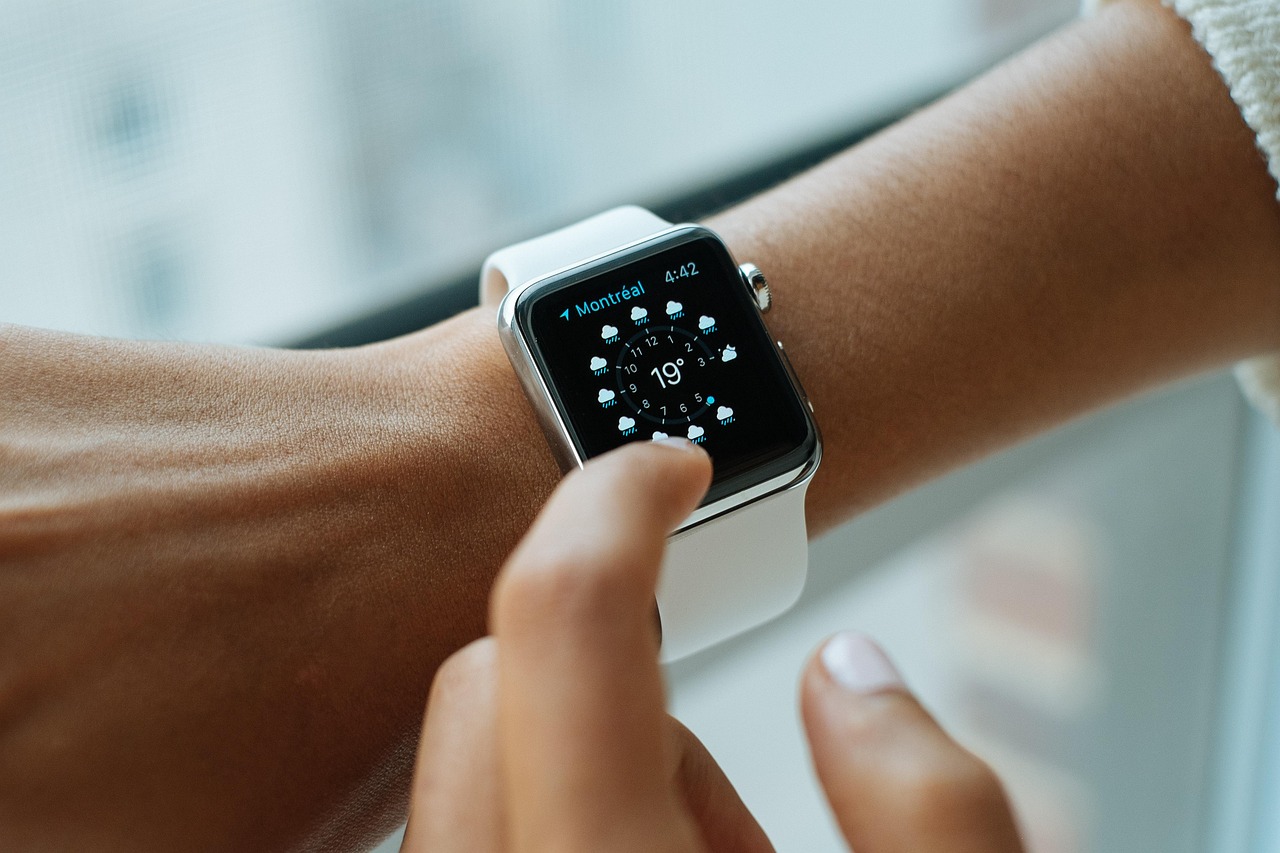
Wearable trackers: Devices estimate sleep stages and efficiency. Pros: continuous data, convenience. Cons: accuracy varies, may cause anxiety about “perfect” numbers.
Cross-checking methods: Combine wearables with questionnaires measuring daytime sleepiness and perceived recovery. If your tracker says you slept well but you feel exhausted, trust your body.
Research found athletes had lower sleep efficiency (around 80.6%) compared to non-athlete controls (88.7%), despite similar total sleep quantity. This highlights why monitoring quality, not just hours, matters.
Build a Healthy Sleep Routine for Good Sleep
Consistency beats perfection. Your internal clock—the circadian rhythm—thrives on predictability.
Consistent sleep schedule: Go to bed and wake at the same times daily, including weekends. This synchronizes your sleep cycle and makes it easier to fall asleep quickly.
Bedroom environment optimization:
- Cool temperature (65-68°F / 18-20°C)
- Complete darkness or blackout curtains
- Quiet environment or white noise
Establishing a consistent bedtime routine and managing stressors are essential steps for achieving a good night’s sleep.
The 3-2-1 rule before bedtime:
- 3 hours before: avoid large meals and alcohol
- 2 hours before: stop work and intense mental activity
- 1 hour before: no screens (blue light disrupts melatonin)
Wind-down habits: Tailor relaxation practices to what works for you—light stretching, reading, breathing exercises, or meditation. Avoid caffeine within 6-8 hours of bedtime.

Napping, Sleep Banking, and Getting a Good Night’s Sleep
Strategic naps can supplement nighttime sleep without causing disturbed sleep at night.
Nap timing and duration: Keep naps to 20-30 minutes, ideally between 1-3 PM. A 30-minute nap improves 20-meter sprint performance, increases alertness, and decreases daytime sleepiness.
Sleep extension (sleep banking): Before major competitions or long-haul travel, extend sleep to 9-10 hours nightly for several days. This builds a buffer against upcoming sleep disruption.
Warning: Late or long naps (after 4 PM or exceeding 90 minutes) can disrupt your sleep schedule and make it harder to achieve a good night’s sleep. Use naps strategically, not as a crutch for poor sleep habits.
Managing Jet Lag and Travel Fatigue for Elite Athletes

Sleep and athletic performance – build a healthy sleep routine for good sleep
Travel directly impacts athletic performance through sleep disruption and changes to circadian and homeostatic rhythms. Crossing even one time zone can create measurable effects.
Pre-travel phase-shifting:
- Traveling east: shift bedtime earlier by 30-60 minutes daily for several days before departure
- Traveling west: shift bedtime later
Light exposure strategies:
- Morning light exposure helps shift your internal clock earlier
- Evening light exposure shifts it later
- Use this strategically based on travel direction
In-flight tactics:
- Set your watch to destination time zone immediately
- Sleep during destination nighttime hours
- Avoid alcohol and limit caffeine
- Stay hydrated
Travel-related stress, jet lag, and disorientation are associated with impaired performance beyond simple sleep loss.

Risks of Not Getting Enough Sleep
The consequences of lost sleep extend beyond feeling tired during an early morning training session.
Acute performance drops:
- Poor sleep before competition causes dramatic accuracy declines—up to 53% decreased serve accuracy in tennis
- Endurance performance is inhibited due to decreased pre-exercise muscle glycogen stores
- Rating of perceived exertion increases, making the same effort feel harder
Injury risk:
- Sleep deprivation impairs neuromuscular coordination
- Meta-analysis data shows skill control decreases with effect sizes of -0.87
- Inadequate sleep reduces capacity to recover from existing injuries
Mental health consequences:
- Increased confusion, mood swings, and decreased vigor
- Chronic sleep debt affects overall health and well being
- Poor sleep quality correlates with higher anxiety and depression symptoms
Chronic sleep deprivation is also associated with an increased risk of high blood pressure, which can have serious long-term health consequences for athletes.
Monitoring Progress and Individualizing Sleep Plans
Generic advice only takes you so far. Build a system for tracking and adjusting:
Set measurable goals: Target specific sleep duration (e.g., 8.5 hours) and track weekly averages.
Align training with circadian preference: If you’re naturally a night owl, schedule intense training for afternoon rather than forcing early morning sessions when possible.
Seek specialist help: For persistent sleep problems—trouble falling asleep, frequent waking, or unrefreshing sleep despite adequate quantity—consult a sleep medicine expert. Issues like sleep apnea require professional diagnosis.
Special Populations: Teens, Elite Athletes, and Shifted Schedules

Sleep and athletic performance – risks of not getting enough sleep
Different populations face unique sleep challenges.
Teen athletes:
- Adolescents experience biological circadian delay—their internal clock shifts later
- Early morning practices conflict with natural sleep timing
- Solution: Prioritize sleep extension on weekends without shifting schedule by more than two hours
Elite athletes:
- Higher training loads demand more recovery sleep
- Limited research exists on optimal sleep for professional athletes, but current sports medicine reports suggest 9+ hours benefits most
Communication strategies:
- Discuss sleep needs with coaches to adjust training times when possible
- Schools should consider later start times for student-athletes
- Document sleep patterns to identify conflicts with practice schedules
Implementation Checklist and Resources
Use this practical template to implement what you’ve learned:
Weekly sleep plan checklist:
| Task | Frequency | Notes |
|---|---|---|
| Set consistent bedtime/wake time | Daily | Within 30-minute window |
| Track sleep in diary or app | Daily | Note quality and duration |
| Avoid caffeine after 2 PM | Daily | Earlier if sensitive |
| Optimize bedroom environment | Weekly check | Temperature, darkness, quiet |
| Review sleep averages | Weekly | Adjust as needed |
| Nap strategically | As needed | 20-30 min, before 3 PM |
Resources:
- Sleep diary templates (downloadable from sports medicine organizations)
- Evidence summaries from j sports sci and sports med journals
- Referral contacts: Find sleep specialists through the American Academy of Sleep Medicine directory
Quality sleep is the legal performance enhancer that too many athletes ignore.
Key Takeaways
- Sleep and athletic performance are directly linked through muscle repair, hormone regulation, and cognitive function
- Most adults need 7-9 hours; elite athletes often require 9+ hours of quality sleep
- A consistent sleep schedule matters more than occasional perfect nights
- Manage jet lag through strategic light exposure and pre-travel phase shifting
- Poor sleep increases injury risk and impairs improved performance potential
- Track both sleep quantity and sleep quality for complete picture
Sleep hygiene isn’t complicated, but it requires discipline. Start tonight: commit to a consistent sleep schedule for one week and track the results. Your physical health, overall performance, and mental health depend on treating sleep as seriously as any training session.