

Sleep is often treated as optional in modern work culture. Yet poor sleep imposes measurable costs that extend far beyond personal fatigue. From lost productivity to chronic disease risk, the economic and health consequences of insufficient sleep affect employers, healthcare systems, and individuals alike. Prioritizing sleep is essential for maintaining a healthy and fulfilling life.
This article examines the full scope of what happens when adults fail to get enough sleep—and what can be done about it.
Sleep Deprivation Versus Poor Sleep: Definitions and Scope
Sleep deprivation refers to a condition where a person doesn’t get adequate duration or quality of sleep to support alertness, performance, and health. It can be acute (going 24+ hours without sleep) or chronic (routinely sleeping less than needed over weeks).
Poor sleep is broader. It encompasses fragmented sleep, sleeping at the wrong time of day, or failing to cycle through necessary sleep stages. The key difference: short sleep focuses on duration, while fragmented sleep addresses quality disruption. Both sleep deprivation and poor sleep can interfere with daily activities, alertness, and overall functioning, leading to sleep debt that accumulates over time.
Insomnia—difficulty falling or staying asleep—is a sleep disorder that may cause sleep deprivation but is not identical to it.
Dollars and Health: Economic Costs of Insufficient Sleep

Cost of poor sleep – sleep deprivation versus poor sleep: definitions and scope
Research indicates that 35% of US adults report sleeping less than 7 hours per night. This sleep deficiency translates directly into economic burden through several channels. Researchers have found that lack of quality sleep significantly impacts workplace productivity, with sleep-deprived individuals being less able to stay focused and productive throughout the workday.
| Cost Category | Impact |
|---|---|
| Productivity losses | Reduced ability to be productive at work, slower task completion |
| Absenteeism | Increased sick days linked to sleep problems |
| Healthcare spending | Treatment for obesity, diabetes, heart disease |
| Accidents | Workplace injuries, motor vehicle crashes |
One study found individuals with chronic sleep deprivation have 48% higher heart disease risk and 15% higher stroke risk—conditions requiring substantial medical expenditure.
For economic estimates, consult sources like the CDC’s Morbidity and Mortality Weekly Report and Sleep Foundation research publications.
How Poor Sleep Harms Job Performance
The sleep-deprived brain requires substantially more effort to complete routine tasks. This affects job performance through presenteeism—working while impaired—rather than obvious absence.
Key workplace effects include:
- Slowed decision making and reduced focus
- Increased mistakes and safety incidents
- Irritability affecting team dynamics
- Reduced motivation and difficulty with complex problems
- Increased anxiety and depression, which can further impair concentration, mood, and overall job performance
After 24 hours without sleep, cognitive impairment resembles alcohol intoxication. Truck drivers, healthcare workers, and anyone operating machinery face elevated accident risk.
Metrics employers should track:
- Error rates by shift timing
- Safety incidents correlated with work hours
- Employee-reported fatigue levels
How Much Sleep Matters and Quality Sleep Metrics

Cost of poor sleep – how poor sleep harms job performance
The Sleep Foundation recommends 7-9 hours for adults, 8-10 hours for teens, and up to 14 hours for children depending on age.
But duration alone doesn’t define good sleep. Quality sleep requires progressing through all sleep stages:
- Stage 2 (45% of sleep): Critical for memory and learning
- Stage 3 (25% of sleep): Deepest sleep, essential for body recovery and physical restoration
Achieving high quality sleep is crucial for optimal cognitive and physical health, as it enhances focus, memory, emotional well-being, and job performance.
The body prioritizes Stage 3 when sleep-deprived, indicating its importance. Waking frequently prevents reaching these restorative stages, which is why fragmented sleep creates fatigue even with adequate hours in bed.
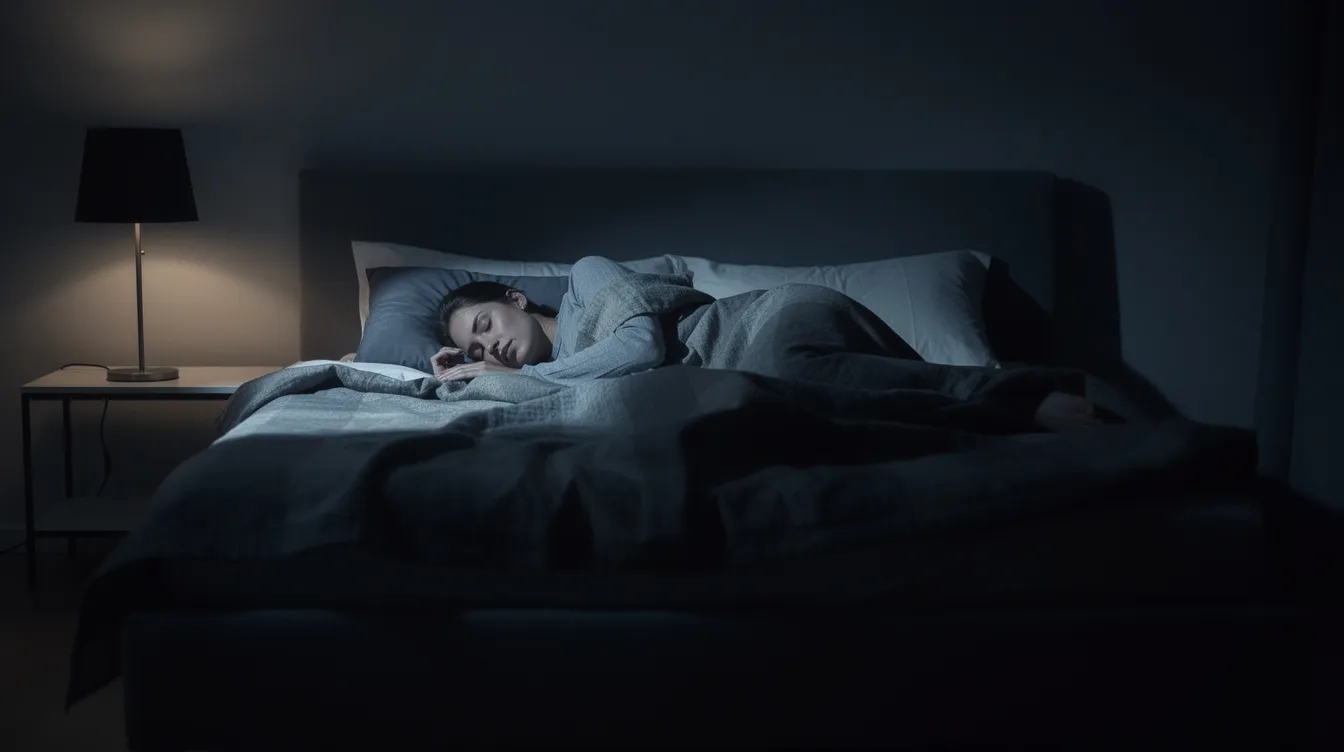
How Poor Sleep Impacts Cognition and Cognitive Decline
Short-term impairments from sleep deprivation include:
- Trouble thinking and focusing
- Memory consolidation failures
- Slowed reaction times
- Impaired ability to process new information
As deprivation continues, symptoms intensify. After 72+ hours, hallucinations and inability to distinguish reality can happen.
Long-term risks are equally concerning. Research links chronic insufficient sleep to accelerated cognitive decline and increased dementia risk. The mechanism involves the brain’s inability to clear metabolic waste during disrupted sleep.
Detecting impairment:
- Psychomotor vigilance tasks measure reaction time
- Working memory assessments track cognitive problems
- Longitudinal designs comparing sleep patterns to cognitive outcomes establish causality
How Poor Sleep Relates to Alzheimer’s Disease
Sleep research has identified connections between poor sleep and Alzheimer’s disease markers. During deep sleep, the brain clears amyloid-beta proteins. Sleep disruption allows these proteins to accumulate.
Studies show elevated tau protein levels in sleep-deprived individuals. However, this link represents risk association, not proven causation. More longitudinal research is needed.
Key studies to consult include work published in Science on glymphatic clearance and JAMA Neurology on sleep duration and dementia incidence.
Populations at Higher Risk: Teens, Shift Workers, and Military

Cost of poor sleep – how poor sleep impacts cognition and cognitive decline
Teens experience biological sleep phase delay, making early school start times misaligned with their natural sleep schedule. This creates chronic sleep debt during critical developmental years.
Shift workers face disrupted circadian rhythms. Rotating work shifts prevent establishing consistent sleep patterns. Night work conflicts with the body’s drive to stay awake during daylight and sleep at night.
Military personnel often operate under sleep-restriction conditions. Sleep culture that minimizes rest requirements affects readiness, decision making under stress, and long-term health of service members. A good night’s sleep is essential for maintaining health, operational readiness, and overall well-being among service members, and military organizations are increasingly focusing on improving sleep quality to support effective performance and safety.

How to Improve Sleep: Clinical, Behavioral, and Environmental Steps
Sleep hygiene interventions:
- Maintain consistent wake times (even weekends)
- Limit caffeine after noon
- Create cool, dark sleep environments
- Avoid screens before bedtime
Clinical recommendations:
- Screen for sleep disorders including sleep apnea
- Refer to CBT-I (Cognitive Behavioral Therapy for Insomnia) as first-line treatment
- Consider sleep studies for persistent problems
Environmental changes to test:
- Reduce bedroom temperature to 65-68°F
- Use blackout curtains
- Remove electronics from the bedroom
Practical Steps to Achieve a Good Night’s Sleep
Follow this 7-step routine:
- Set a consistent bedtime and morning wake time
- Dim lights 60 minutes before bed
- Avoid caffeine at least 6 hours before sleep
- Limit alcohol, which interferes with sleep stages
- Stop eating 2-3 hours before bedtime
- Create a brief wind-down ritual (reading, stretching)
- Keep the bedroom reserved for sleep only
For example, some workplaces implement flexible start times or quiet rooms to help employees recover from poor sleep, while individuals might set reminders to dim lights and avoid screens before bed. These practical examples show how both organizations and people can take steps to reduce the cost of poor sleep.
Gradual adjustments work best. Shift your sleep schedule by 15-minute increments rather than dramatic changes.
Measuring Good Sleep and Tracking Improvements
Consumer tracking metrics:
- Total sleep duration
- Wake episodes during the night
- Time to fall asleep
- Consistency of sleep schedule
Clinical assessment tools:
- Pittsburgh Sleep Quality Index (PSQI)
- Epworth Sleepiness Scale
- Insomnia Severity Index
Intervention outcome measures:
- Daytime fatigue ratings
- Cognitive performance tests
- Mood and well being questionnaires
Employer and Policy Actions to Reduce the Cost of Poor Sleep
Organizations can reduce sleep-related costs through structural changes:
Work schedule adjustments:
- Limit consecutive night work shifts
- Provide adequate rest between shift rotations
- Consider later start times where feasible
- Allow napping facilities for shift workers
Education programs:
- Train managers on fatigue risk indicators
- Provide sleep hygiene resources to employees
- Include sleep in wellness initiatives
Metrics to report:
- Fatigue-related incident rates
- Providing access to sleep education participation
- Absenteeism patterns by shift type
Communication and Messaging Guidance
When communicating about sleep:
- Frame around productivity and safety rather than personal blame
- Emphasize that sleep problems affect exercise, physical activity, and overall performance
- Avoid stigmatizing language about people who struggle to sleep
Effective calls to action:
- For employers: “Review your work schedule policies this quarter”
- For clinicians: “Screen patients for sleep disorders during routine visits”
- For individuals: “Track your sleep for one week to identify patterns”
Sources, Data, and Further Reading
High-quality sources for sleep economics and health data:
- CDC National Center for Health Statistics
- National Heart, Lung, and Blood Institute sleep resources
- American Academy of Sleep Medicine guidelines
- Sleep Medicine Reviews meta-analyses on chronic disease risk
- Harvard Medical School Division of Sleep Medicine publications
These sources provide the epidemiological foundation for understanding the cost of poor sleep and designing evidence-based interventions.