Your sleep tracker collects thousands of data points every night. But raw numbers mean nothing if you don’t know how to use them.
As Dr. Rebecca Robbins, an assistant professor in sleep medicine at Harvard Medical School, emphasizes, understanding and applying actionable sleep data is key to making meaningful health improvements.
This guide is for anyone who owns a fitness tracker, smartwatch, or dedicated sleep device and wants to translate that data into real improvements. Whether you’re trying to fall asleep faster, increase deep sleep, or simply wake up feeling well rested, the goal is the same: turn metrics into action.
By the end of this article, you’ll know how to set measurable sleep-improvement goals, interpret your sleep score, and run experiments that actually move the needle on sleep quality. Most adults need 7-9 hours of total sleep time, but the right approach depends on your personal baseline—not generic recommendations.
What Sleep Data Trackers Measure: Heart Rate, Deep Sleep, Duration
Understanding what your device actually tracks helps you interpret its outputs correctly.
Tracking body temperature, along with heart rate and blood oxygen, provides a more comprehensive view of overall health by helping to detect potential health issues and offering insights into your physical well-being.
Common Sensors
Most wearable devices use these core technologies:
| Sensor Type | What It Measures | How It Works |
|---|---|---|
| PPG (optical) | Heart rate | Detects blood volume changes via light |
| Accelerometer | Movement | Tracks motion as a proxy for wakefulness |
| Gyroscope | Position | Monitors body shifts during sleep |
| Temperature | Skin temp | Identifies stage-related changes |
| SpO2 | Oxygen saturation | Available on some devices |
Movement Sensors as Sleep Proxies
Your tracker’s accelerometer scores rest-activity cycles through actigraphy algorithms. These achieve 80-90% agreement with medical polysomnography (PSG) for basic sleep-wake detection. However, stage-specific accuracy drops to 50-70%.
The logic is straightforward: stillness correlates with sleep. But quiet wakefulness—lying in bed scrolling your phone or simply thinking—can fool the system.
Limitations Versus Medical Sleep Studies
Clinical PSG uses electroencephalograms (EEG) for direct brainwave monitoring, plus electrocardiograms and respiratory sensors. This is the gold standard for diagnosing conditions like sleep apnea.
Consumer trackers overestimate deep sleep by 20-30% in validation studies. They’re useful for tracking trends over time, but they’re not diagnostic tools.
How To Interpret Sleep Duration And Good Sleep Scores

Actionable sleep data – what sleep data trackers measure: heart rate, deep sleep, duration
Raw numbers need context. Here’s how to read what your tracker reports.
Tracking the time spent in different sleep stages, such as light, deep, and REM sleep, can provide valuable insights into your overall sleep quality and recovery.
Adult Sleep Duration Targets
Harvard Medical School and other health authorities recommend 7-9 hours nightly for adults ages 18-64. Research shows cognitive function declines with each hour below 7 (odds ratio 1.37 per hour of deficit).
Good sleep efficiency—the ratio of time asleep to time in bed—sits above 85%. Sleep onset latency under 20 minutes and minimal wake-after-sleep-onset (below 30 minutes) indicate quality rest.
What Constitutes a “Good” Sleep Score
Devices like the Oura Ring or Whoop calculate proprietary scores (typically 80-100 for “good”) based on weighted factors:
- Duration: 25-30%
- Efficiency: 20%
- Latency: ideal under 15 minutes
- REM sleep: 20-25%
- Deep sleep: 15-20%
- Disturbances: remaining weight
These are the key factors that most devices use to calculate your sleep score and assess sleep quality.
Prioritize Weekly Averages
Single-night artifacts—jet lag, illness, a late dinner—skew individual readings. Research shows 7-day rolling averages correlate better (r=0.72) with subjective alertness than isolated nights.
Check your monthly trends to identify chronic deficits. Accumulated sleep debt exceeding 10 hours signals intervention need.
Deep Sleep: What To Track And When To Act
Deep sleep (slow-wave sleep, N3 stage) is where physical recovery happens. Your body does most of its repair work here.
Light sleep is another important stage tracked by devices, and understanding the proportion of light sleep can help interpret overall sleep quality.
Spotting Deep Sleep Drops
In your app charts, deep sleep appears as prolonged low-movement, low-heart-rate segments—typically 50-80 bpm—usually concentrated in the first third of the night.
Watch for:
- Total deep sleep below 1 hour
- Deep sleep falling under 10% of total sleep time
- Consistent declines over 2+ weeks
Behaviors That Increase Deep Sleep Naturally
Studies show these interventions boost deep sleep measurably:
- Evening resistance training: Increases deep sleep by 20-30% the following night
- Cooler room temperature: 60-67°F (15-19°C) facilitates the core temperature drop needed for N3
- Magnesium supplementation: 300-400mg shows approximately 15% gains in trials
Alcohol Effects on Deep Sleep
When you drink alcohol, acetaldehyde interferes with delta wave production. Even one drink can suppress deep sleep by 20-50%, with effects lingering 3-4 nights.
If you notice fragmented charts with elevated arousals, check whether they correlate with nights you drink alcohol.
Heart Rate And Nighttime Vitals

Actionable sleep data – deep sleep: what to track and when to act
Your heart health metrics during sleep reveal recovery status and overall health trends.
Log Resting Heart Rate Nightly
Track your resting heart rate each morning. General healthy ranges:
- Athletes: 40-60 bpm
- General population: 60-80 bpm
Sustained elevations more than 10 bpm above your personal baseline often indicate poor recovery, stress, or illness. Readings above 85 bpm may flag infection risk.
When Elevated Nighttime Heart Rate Requires Attention
A single high reading isn’t cause for concern. Watch for:
- Persistent elevation over 3+ nights
- Correlation with other symptoms (fatigue, illness)
- No obvious explanation (alcohol, late exercise)
Track HRV Alongside Duration
Heart rate variability (measured as RMSSD) adds context. Healthy ranges span 30-100ms. Low HRV (under 20ms) despite adequate sleep duration predicts daytime fatigue.
A 14-day decline in HRV correlates with overtraining (r=-0.65). If you’re exercising intensely, this data point signals when to take a deload week.
Data Analysis: From Nightly Scores To Trends
Individual nights matter less than patterns. Here’s how to find what actually affects your sleep.
Analyzing sleep patterns over time helps identify habits and trends that impact sleep quality.
Use Weekly and Monthly Views
Switch from nightly scores to trend views in your app. You might discover:
- 30-minute duration gains after implementing a consistent bedtime
- Deep sleep improvements following caffeine cutoffs
- Recovery patterns after reducing screen time
Set a 30-Night Baseline
Before changing anything, collect 30 nights of data. This captures personal norms accounting for individual variability—weekday versus weekend patterns, natural fluctuations, and your unique sleep stages distribution.
Document your baseline averages:
- Total sleep time
- Deep sleep percentage
- Sleep efficiency
- Average heart rate
Correlate Single Habits With Sleep Shifts
Test one variable at a time. Reference data suggests:
- Caffeine after 2pm cuts deep sleep by approximately 25%
- Late exercise may boost deep sleep by 18%
- Alcohol correlates negatively with deep sleep (r=-0.45)
Tracking actionable sleep data helps you understand how sleep affects physical recovery, activity levels, and overall well-being, making it easier to optimize your habits for better health and performance.
Exporting And Analyzing Raw Sleep Data
For deeper data analysis, export your raw data:
| App | Export Method |
|---|---|
| Oura Ring | App > Account > Export |
| Apple Health | Health app > Export All |
| Whoop | Web dashboard > Download |
Plot sleep duration versus bedtime in a spreadsheet. Simple linear regression can reveal relationships—for example, bedtimes before 10pm might yield an average of 45 extra minutes of sleep.
How To Use Sleep Data To Improve Your Sleep

Actionable sleep data – data analysis: from nightly scores to trends
Data becomes actionable when you translate metrics into experiments.
Actionable sleep data can facilitate behavior change by providing feedback and personalized recommendations, helping you adjust habits and routines for better sleep.
One Metric, One Change
Pick your weakest area—low deep sleep, poor sleep consistency, long time to fall asleep—and target it with a single intervention. Don’t change five things at once.
Run Single-Variable Experiments
Test your intervention for 14 days minimum. Compare test nights against your baseline:
- Keep all other variables constant
- Log any confounding factors (travel, illness, stress)
- Calculate averages for both periods
Record Subjective Function
Numbers only tell part of the story. Use a simple scale like the Karolinska Sleepiness Scale (1-9) to rate daytime alertness. Research suggests 30 minutes of additional sleep duration correlates with approximately 15% faster reaction time.
Behavioral Tips To Achieve Better Sleep
These evidence-backed habits consistently appear in sleep research.
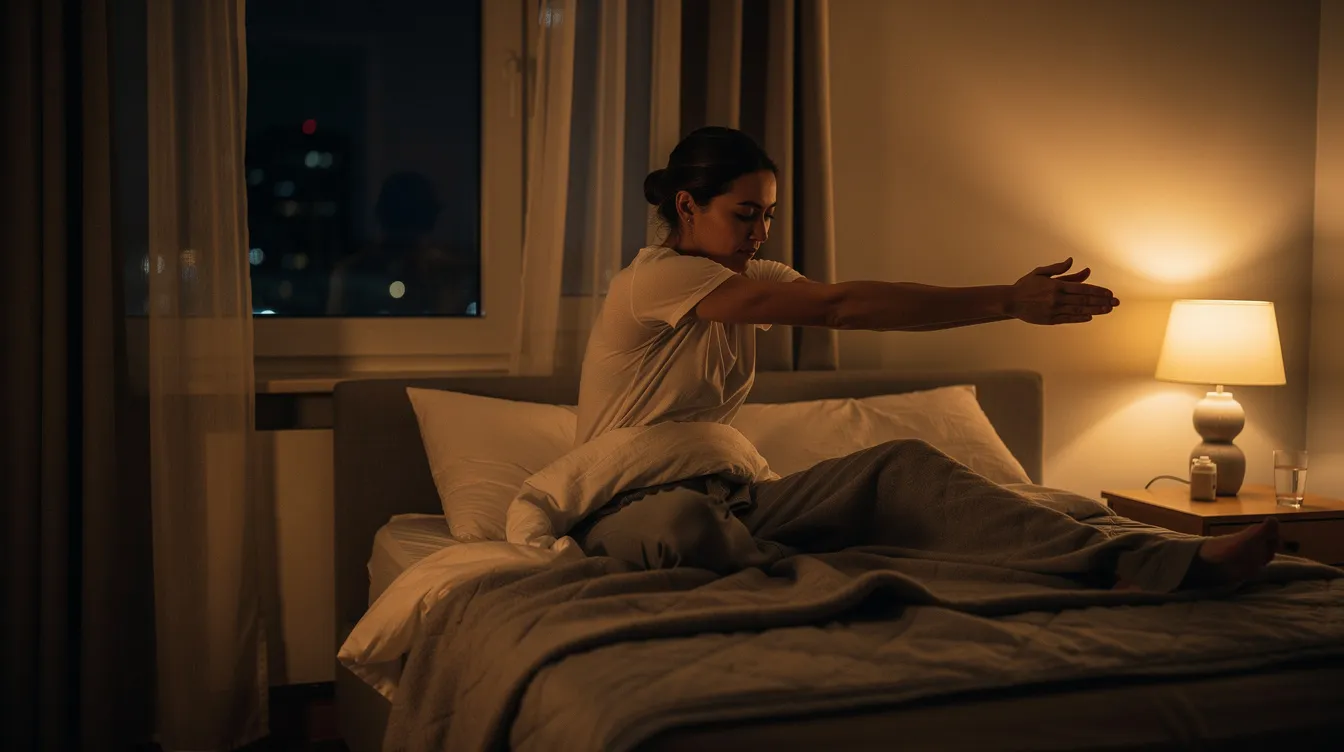
Establish a Wind-Down Routine
A 30-60 minute wind-down period before bed reduces sleep onset latency by approximately 40%. Options include:
- Deep breathing exercises
- Progressive muscle relaxation
- Journaling
- Light stretching
This helps shift your nervous system from active to rest mode.
Schedule Consistent Times
Sleep consistency—same bed and wake times daily—stabilizes your circadian rhythm. Research shows this reduces phase delay by around 50 minutes.
Your body clock benefits from predictability. Even weekends should stay within 30-60 minutes of your weekday schedule.
Limit Caffeine After Mid-Afternoon
Caffeine’s half-life runs 5-6 hours. A 2pm cup of coffee means half that caffeine remains at 8pm, potentially delaying sleep onset by 30-60 minutes.
Set a personal cutoff based on your sensitivity. Most people do well stopping by early afternoon.
Avoid Screens: Evening Strategies To Boost Sleep
Blue light emitted from screens suppresses melatonin production—the hormone that signals sleep readiness.
The One-Hour Rule
Avoid screens for one hour before your target bedtime. Research shows this preserves approximately 55% more melatonin compared to continued screen use.
Keep devices away from your bedside table to remove temptation.
Replace Screen Time
Effective alternatives:
- Paper books: Preserve 90% of melatonin versus 50% for e-readers
- Meditation: 10 minutes can lower resting heart rate by 5 bpm
- Light conversation or journaling
Late-Night Screen Settings
If you must use devices:
- Enable grayscale mode (reduces engagement by 30%)
- Turn on do-not-disturb to minimize arousals
- Use blue light filters if available
Best Sleep Trackers: Oura Ring, Apple Watch, Whoop, Others
Choosing the right device depends on your priorities. Here’s how the major options compare in the wellness space.
Hands-on testing and review of sleep products such as mattresses, sleep aids, and bedding are essential when evaluating sleep trackers, as these products can significantly impact the accuracy and usefulness of actionable sleep data.
Ring Versus Wrist Tradeoffs
| Factor | Ring (Oura) | Wrist (Apple Watch, Whoop) |
|---|---|---|
| Weight | 2-4g | 30-50g |
| Discretion | High | Moderate |
| Battery life | 5-7 days | 18 hours - 5 days |
| Comfort for side-sleepers | Generally better | Varies |
Oura Ring Strengths
The Oura Ring excels at passive 24/7 tracking with minimal intrusion. Its deep sleep accuracy reaches approximately 79% versus clinical PSG—among the best for consumer wearable trackers.
The titanium ring design suits users who want discreet tracking without the look of activity trackers.
Apple Watch Strengths
For iPhone users, the Apple Watch offers seamless integration with Apple Health. Its ECG-grade heart rate monitoring provides strong performance for health metrics beyond sleep.
The ecosystem makes trend analysis straightforward if you’re already in Apple’s world.
Subscription and Export Differences
- Oura Ring: Requires $6/month membership for full scores and data access
- Whoop: $30/month subscription model, HRV-focused
- Apple Watch: No subscription, full export available
Check what raw data you can actually export before committing. Some wellness products limit CSV exports to subscribers.
Oura Ring: Practical Notes
Real-world battery life runs 5-6 days (about 20% below manufacturer claims). Plan for weekly daytime charging sessions lasting 20-80 minutes.
The membership is required for detailed readiness score and sleep scores—basic data is accessible without it, but you lose granular insights.
Apple Watch: Practical Notes
The 18-hour battery life means daily charging is mandatory. Use fast-charge routines (80% in 45 minutes) during morning or evening routines to preserve nightly tracking.
Before bed, disable always-on display and notifications. This saves approximately 2 hours of battery life and prevents sleep disturbances.
Battery Life And Wearing Practicalities
Your device only helps if you actually wear it consistently.
Charging Schedules That Preserve Data
- Oura: Charge during morning routines or mid-day breaks
- Apple Watch: Fast-charge while showering or during meals
- Whoop: 5-day battery allows flexible charging
Never let your device die overnight—you’ll lose that night’s data entirely.
Prioritize Comfort
Test any device across multiple sleep positions. Side-sleepers often find slim rings more comfortable than watches. Back and stomach sleepers may have fewer issues with either form factor.
Discomfort leads to removing the device, which defeats the purpose.
Avoiding Orthosomnia And Data Anxiety
Obsessing over perfect scores can paradoxically worsen sleep by increasing stress hormones.
Limit App Checks
Check your data once daily—ideally in the morning. Reviewing scores throughout the day or right before bed creates unnecessary anxiety.
Focus on Trends
A bad night doesn’t matter. A bad month does. Keep attention on weekly and monthly averages rather than individual readings.
The flip side of data-driven improvement is data-driven anxiety. If tracking increases stress, the data isn’t serving you.
Take Breaks
If you notice increased pre-sleep anxiety, consider a tracking break for a week. Your nervous system may need time without the pressure of optimization.
Testing And Choosing The Best Sleep Tracker For You
Finding the best sleep tracker requires personal testing, not just spec comparison.
A holistic understanding of sleep tracking involves integrating multiple factors, methods, and expertise to achieve accurate results.
Test for 30 Nights Minimum
Your baseline data needs time to stabilize. Don’t judge a device based on the initial stage of use—give it a month.
Evaluate Comfort Across Positions
Spend enough time with a device to experience all your typical sleep positions. What feels fine on night one may become annoying by week two.
Check Export and Privacy Options
Before buying, verify:
- What data formats can you export?
- What privacy standards does the company follow (GDPR compliance is standard)?
- Do you need a subscription for full data access?
Compare Real-World Battery Life
Manufacturer claims often exceed reality by 20%. Read user reviews specifically about battery performance in daily use, not laboratory conditions.
Quick Action Plan: Four Steps To Better Sleep Using Data
Here’s your condensed path to improvement:
- Establish baseline: Collect 30 nights of data without changing habits
- Pick one change: Select a single intervention (consistent bedtime, no caffeine after noon, screen cutoff)
- Run and review: Test for 14 days, then compare weekly trends against baseline
- Celebrate gains: A 30-minute increase in duration or 10% score improvement represents real progress
Quality sleep compounds. Small improvements in the day ahead add up to significant changes over months.
FAQ And Troubleshooting
How Accurate Is Deep Sleep Tracking?
Consumer devices achieve 70-85% accuracy versus clinical PSG. They tend to overestimate deep sleep, particularly when you’re lying still but awake. Use trends rather than absolute numbers.
When Should I Seek Clinical Testing?
If you experience:
- Loud snoring combined with daytime somnolence
- Waking gasping for air
- Extreme fatigue despite adequate hours of sleep
These may indicate sleep apnea (AHI >5 events per hour). Your tracker cannot diagnose this—see a sleep specialist.
My Device Won’t Sync
Common fixes:
- Restart Bluetooth on your phone
- Force-close and reopen the app
- Ensure device firmware is updated
- If lag exceeds 24 hours, reset the device
Sources And Further Reading
For device-specific guidance:
For clinical context on sleep duration and heart rate:
- National Sleep Foundation guidelines on adult sleep requirements
- American Heart Association resources on resting heart rate ranges
Your sleep tracker generates data every night. Now you have the framework to transform it into better sleep. Start your 30-night baseline tonight, pick one habit to test, and let the trends guide your next move.