
The American Academy of Pediatrics has officially classified teen sleep deprivation as a public health epidemic. When roughly three-quarters of high school students fail to get enough sleep on school nights, the problem transcends individual households and becomes a systemic crisis affecting academic performance, mental health, and safety across all socioeconomic backgrounds.
This guide breaks down the science behind adolescent sleep, highlighting the teen years as a unique developmental period with specific and ongoing sleep needs. It identifies the most common sleep problems and provides actionable solutions for parents, educators, and policymakers working to help tired teens reclaim their rest.
Introduction to Sleep Deprivation in Teens
Teen sleep deprivation refers to insufficient sleep duration or poor sleep quality during adolescence—typically defined as getting less than the recommended amount for healthy development. The teenage years represent a unique developmental window where sleep quality directly impacts cognitive maturation, emotional regulation, and the establishment of lifelong health patterns.
Why does this matter? Sleep deprivation during adolescence undermines everything from classroom performance to impulse control. Less sleep in teens is linked to negative effects on mood, increased risk of depression and anxiety, and poorer decision-making, creating cascading effects that follow young people into adulthood.
How Much Sleep Do Teens Need (Enough Sleep)

Teen sleep deprivation – introduction to sleep deprivation in teens
Adolescents require about nine hours of sleep nightly for optimal brain development. Some sources reference eight hours as a minimum standard, reflecting individual variability during the adolescent years.
Current Reality vs. Recommendations:
| Metric | Data |
|---|---|
| Recommended sleep | 8-9 hours per night |
| Teens getting enough | Only 25-30% |
| High school students with insufficient sleep | More than 75% |
CDC data confirms that more than half of American teens are chronically sleep deprived. Female students report higher rates of insufficient sleep than male students, suggesting gender-specific factors may influence sleep patterns. Age-related variations also exist, with older teens typically experiencing more sleep deprivation due to increased academic and social pressures.
Biology: Circadian Rhythm and Sleep Phase Delay
During puberty, the internal clock that regulates sleeping patterns undergoes significant changes. The circadian rhythm can be delayed by up to two hours during adolescence—a phenomenon called sleep phase delay.
This natural shift means that while a younger child might feel sleepy at 9:00 p.m., most teens don’t experience that same drowsiness until 11:00 p.m. or later. This isn’t laziness or defiance; it’s biology.
Mary Carskadon, a leading sleep researcher from Brown University, describes adolescents as “walking zombies” because this biological shift collides with early school start times. Early school schedules force teens to wake up before their bodies are biologically ready, making it difficult for them to be alert and function well during the day, and creating a perfect storm of chronic sleep loss.
Sleep Phase Delay and Teen Biology
Scientific research confirms that sleep phase delay reflects rapid physiological changes occurring during puberty. The mechanism involves changes in circadian timing systems that are developmentally normal but create a mismatch with external social demands.
Key implications include:
- Teens wake naturally later than younger children or adults
- Forcing early wake times conflicts with biological readiness
- Weekend “catch-up” sleep represents the body’s attempt to recover from accumulated sleep debt
- Early school start times create what researchers call a “potentially destructive pattern of early-morning sleepiness”
Studies examining the effect of changing school start times from 8:25 a.m. to 7:20 a.m. demonstrated measurable negative impacts on student alertness and performance.
Common Sleep Problems in Teens (Sleep Problems)

Teen sleep deprivation – biology: circadian rhythm and sleep phase delay
Beyond general insufficient sleep, teens experience specific sleep disorders requiring clinical attention. Parents and clinicians should screen for these conditions when teens experience persistent difficulty falling asleep, staying asleep, or excessive daytime sleepiness despite adequate time in bed.
Screening questions to consider:
- Does your teen take more than 30 minutes to fall asleep regularly?
- Does your teen wake multiple times per night?
- Does your teen snore loudly or gasp during sleep?
- Does your teen feel unrested despite adequate hours of sleep?
Obstructive Sleep Apnea (Sleep Apnea)
Sleep apnea in teens often goes undetected because parents associate it primarily with adults. Warning signs include loud snoring, observed breathing pauses, morning headaches, and difficulty staying awake during the school day.
When to seek evaluation:
- Persistent loud snoring
- Witnessed apnea episodes
- Obesity combined with daytime sleepiness
- Poor concentration despite adequate sleep schedule
A sleep specialist can order a polysomnography (sleep study) to confirm diagnosis. Treatment may include CPAP therapy, positional changes, or addressing underlying conditions like enlarged tonsils.
Circadian Rhythm Sleep Disorders
When the sleep phase delay becomes severe enough to significantly impair daily functioning, it may constitute a diagnosable circadian rhythm disorder.
Signs include:
- Inability to fall asleep before 2-3 a.m.
- Extreme difficulty waking for school
- Sleeping until noon or later on weekends
- Academic decline linked to morning absences
Behavioral interventions and chronotherapy—gradually shifting bedtimes earlier—can help realign sleep patterns. Light therapy using bright light exposure in the morning may also reset the internal clock.
Insomnia, Emotional Issues, and Medical Conditions
Insomnia in adolescents goes “far beyond dissatisfaction in sleeping” and involves biologically devastating alterations including brain cortical misfunctioning, systemic inflammation, and metabolic changes.
Red flags warranting further evaluation:
- Insomnia lasting more than three months
- Co-occurring symptoms of depression or anxiety
- Recent medication changes
- Chronic pain or medical conditions
Research shows insomnia plays a major role in maintaining and exacerbating psychological distress, creating a vicious cycle where poor sleep worsens mood and depression leads to worse sleep.
Causes: School, Social, and Technology Pressures
Teen sleep deprivation stems from multiple converging factors. Human behavior—including sleep patterns, routines, and societal expectations—plays a key role in shaping when teens go to bed and wake up, influencing the impact of these factors on sleep health. Understanding these causes helps identify intervention points.
School schedule factors:
- Early school start times (often 7:20-7:30 a.m.)
- Long commutes requiring teens wake by 6:00 a.m.
- Homework loads pushing bedtimes later
- Extracurricular activities extending the school day
Social and technology factors:
- Evening activities including sports, jobs, and social events
- Screen exposure suppressing melatonin production
- Social media creating “fear of missing out” that keeps teens awake
- Stimulant use (caffeine, energy drinks) to stay awake during the day
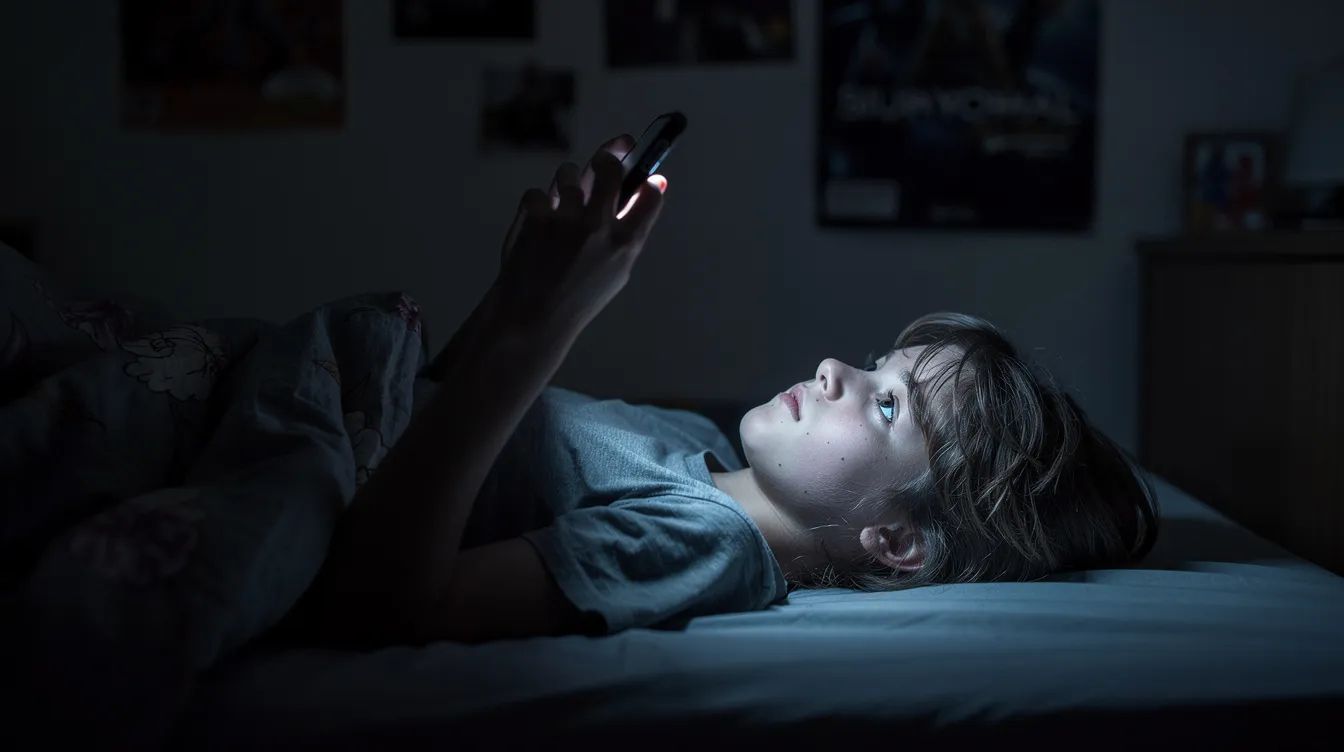
The combination of biological sleep phase delay pushing bedtimes to 11 p.m. or later, combined with 6:00 a.m. wake times for early school, creates a structural sleep deficit that accumulates across the school week.
Consequences for Health, Safety, and Well-Being (Well Being, Increased Risk)

Teen sleep deprivation – causes: school, social, and technology pressures
Sleep deprived teens experience wide-ranging impacts across every domain of functioning.
Academic and cognitive impacts:
- Inability to concentrate in class
- Poor grades despite adequate ability
- Slower reaction times
- Memory consolidation problems
- Falling asleep in class
A prominent researcher describes chronic sleep deprivation as creating “a kind of perpetual cloud or haze”—affected teens may not even realize how impaired they are until they experience adequate rest.
Mental health consequences:
- Increased risk of depression
- Higher anxiety levels
- Thoughts of suicide (multiple studies link severe sleep debt to suicidal ideation)
- Emotional lability and irritability
A 2006 National Sleep Foundation survey found that more than half (56%) of adolescents reported feeling stressed and anxious on a frequent basis. Prospective studies confirm that sleeping less than six hours per school night substantially increases risk for anxiety and depression one year later.
Safety concerns:
The National Highway Traffic Safety Administration reports that drowsy driving causes more than 100,000 traffic accidents annually, with young people at the wheel in more than half of these crashes.
Long-term health risks:
- Obesity (shorter sleep increases risk, especially in ages 10-24)
- Diabetes
- Heart disease
- Weakened immune function
- Increased susceptibility to infections
Substance Use and Risky Behavior
Research shows that sleep deprived teens engage in significantly more risky behaviors than well rested peers.
Substance use patterns:
- Higher caffeine and nicotine use to stay awake during long periods of the day
- Self-medicating with alcohol to manage sleep-related negative moods
- Increased marijuana use
- Higher rates of cigarette smoking
Other risky behaviors:
- Unprotected sex (due to impaired impulse control)
- Reckless driving
- Participation in violent activities
- Impulsive behavior leading to poor decision-making
The underlying mechanism involves compromised executive function—the brain regions responsible for impulse control aren’t fully developed in adolescence and are further impaired by sleep loss.
Recommendations:
- Screen teens experiencing sleep problems for stimulant and alcohol use
- Educate teens about the connection between sleep and decision-making
- Address sleep as a harm-reduction strategy for substance use prevention
Practical Steps to Achieve More Sleep (More Sleep, Better Sleep)
Improving teen sleep requires consistent effort across multiple areas. Here’s what works:
Establish consistent sleep schedules:
- Set a regular bedtime—even on weekends
- Limit weekend sleep-in to one hour beyond weekday wake time
- Create a wind-down routine 30-60 minutes before bed
- Keep the bedroom cool, dark, and quiet
Manage technology:
- Remove screens from the bedroom
- Stop screen use one hour before intended bedtime
- Use night mode settings in the early afternoon and evening
- Charge devices outside the bedroom
Strengthen daytime sleep drive:
- Get bright light exposure in the morning
- Exercise regularly (but not within three hours of bedtime)
- Avoid caffeine after noon
- Limit naps to 20 minutes, before 3 p.m.
Good sleep habits for teens:
| Strategy | Implementation |
|---|---|
| Consistent bedtime | Same time within 30 minutes, 7 days/week |
| Screen curfew | No devices 60 minutes before bed |
| Caffeine cutoff | None after 12 p.m. |
| Sleep environment | Dark, cool (65-68°F), quiet |
| Morning light | 15-30 minutes of bright light after waking |
Later School Start Times (Later School, Schools Shift)
Research consistently supports later school start times as one of the most effective interventions for teen sleep deprivation. When schools shift to later start times, students get more sleep each night, attendance improves, and academic performance increases.
Evidence supporting later start times:
- Rhode Island school districts implementing later starts saw measurable improvements
- Many educators and researchers recommend start times no earlier than 8:30 a.m.
- Middle schools and high schools benefit most from schedule changes
- Elementary students are less affected by early starts due to different circadian patterns
Implementation considerations:
- Bus schedules may require restructuring
- Extracurricular activities and athletic schedules need adjustment
- Working parents may need childcare solutions
- Changing school schedules affects community transportation patterns
Steps for advocacy:
- Present research to your school board
- Survey parents and students about current sleep patterns
- Engage with school districts already implementing later starts
- Address logistical concerns proactively
- Propose pilot programs before district-wide changes

Screening, Diagnosis, and Treatment Pathways
When good sleep habits aren’t enough, clinical evaluation becomes necessary.
Basic screening approach:
- Sleep diaries tracking bedtime, wake time, and sleep quality for two weeks
- Validated questionnaires (Pediatric Sleep Questionnaire, Epworth Sleepiness Scale)
- Review of medications that may affect sleep
- Assessment for co-occurring anxiety, depression, or ADHD symptoms
Treatment options by disorder:
| Condition | Primary Treatments |
|---|---|
| Insomnia | Cognitive behavioral therapy for insomnia (CBT-I), sleep hygiene |
| Sleep apnea | CPAP, positional therapy, surgical evaluation |
| Circadian rhythm disorder | Light therapy, chronotherapy, melatonin |
| Depression-related sleep issues | Integrated mental health treatment |
Important note: Some sleep deprived teens are misdiagnosed with attention disorders when their primary problem is insufficient sleep. Sleep assessment should precede or accompany any evaluation for attention-related diagnoses.
When to Evaluate for Sleep Apnea or Specialist Care
Red flags requiring urgent referral:
- Observed apnea (stopped breathing) during sleep
- Severe daytime sleepiness despite adequate sleep opportunity
- Sleep-related safety incidents
- Suicidal ideation co-occurring with sleep problems
- Failure to respond to behavioral interventions
A sleep specialist can order overnight polysomnography and provide specialized treatment recommendations.
Parents, Schools, and Community Actions
Addressing teen sleep deprivation requires coordinated action across multiple systems.
For parents:
- Model good sleep habits yourself
- Protect sleep as a non-negotiable health priority
- Advocate for later school start times in your district
- Limit evening activities during the school week
- Have direct conversations about the importance of sleep
For schools:
- Review homework policies to prevent overload
- Avoid scheduling mandatory activities before 8:00 a.m.
- Educate students about adolescent health and sleep biology
- Consider “no test before 10 a.m.” policies
- Provide sleep education in health curricula
For communities:
- Launch public awareness campaigns about teen sleep
- Coordinate with middle and high school athletic leagues on practice schedules
- Support policy changes at the district and state level
- Fund sleep research and intervention programs

Policy and Public Health: Schools Shift and System Change
Systemic change requires policy-level intervention. School districts hold significant power to improve adolescent sleep by adjusting start times.
Policy levers:
- State legislation mandating minimum start times for middle and high schools
- School board resolutions adopting later start times
- Transportation policy changes to accommodate schedule shifts
- Teacher contract negotiations addressing schedule modifications
Equity considerations:
- Low-income students often face longer commutes, worsening sleep deficits
- Working parents may struggle with childcare gaps from schedule changes
- Districts should provide transition support for affected families
- Many factors beyond school times affect sleep access in underserved communities
California became the first state to mandate later school start times (8:30 a.m. for high schools, 8:00 a.m. for middle schools), providing a model for other states to follow.
Resources and Next Steps
Clinical resources:
- American Academy of Sleep Medicine (aasm.org)
- National Sleep Foundation (sleepfoundation.org)
- CDC Division of Adolescent and School Health
Parent resources:
- Start School Later advocacy organization
- Pediatrician sleep screening tools
- Sleep diary templates for tracking patterns
Metrics to evaluate intervention success:
- Change in average hours of sleep on school nights
- Reduction in tardiness and absenteeism
- Improvement in self-reported daytime sleepiness
- Academic performance changes
- Mental health screening outcomes
Teen sleep deprivation is a solvable problem—but solutions require coordinated effort from families, schools, and communities. Start with one change this week, whether that’s establishing a consistent sleep schedule at home or contacting your school board about start times. The science is clear: when teens get more sleep, everything else improves.