The global sleep technology market reached approximately $27 billion in 2025, with the smart bed segment alone projected to hit $5.51 billion by 2032. These numbers reflect a fundamental shift in how we approach rest and recovery—moving from simply tracking sleep to actively optimizing it.
This guide covers everything you need to know about the future of sleep technology, from understanding the metrics that matter to selecting the right device for your needs.
Overview of Sleep Technology Trends
Sleep matters for more than just feeling rested. Poor sleep affects cognitive performance, immune function, stress resilience, and long-term health outcomes. The technology industry has responded with devices designed to monitor sleep patterns and intervene when problems arise.
The market now spans several device categories:
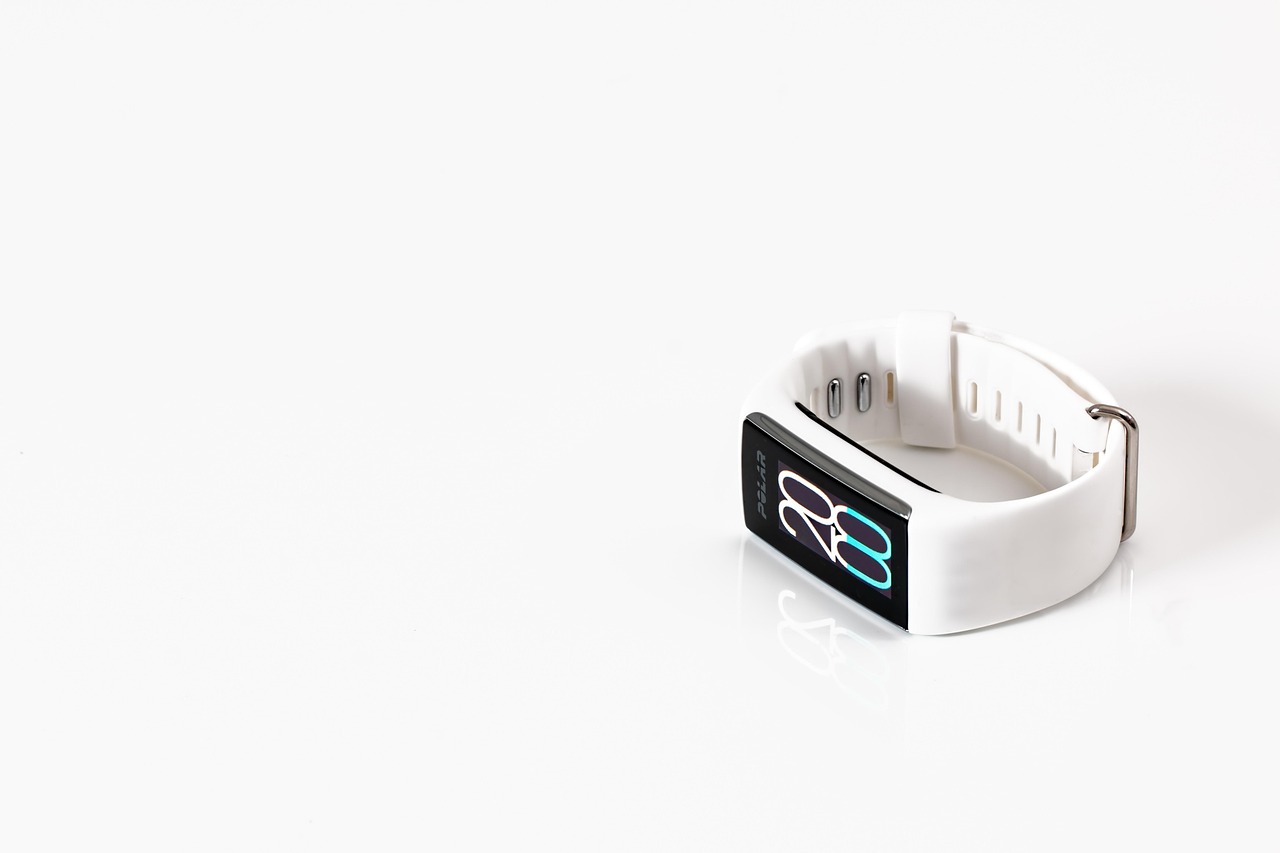
- Wearable devices (rings, wristbands, headbands)
- Non-contact and nearable trackers (radar systems, mattress sensors)
- Smart mattresses with active intervention capabilities
- AI-powered coaching platforms
The critical trend for 2026 is the shift from data collection as an end goal toward sleep optimization as a practical outcome. Many users discovered that simply collecting sleep data doesn’t improve sleep quality. The conversation has moved toward environmental design, behavioral change, and personalized guidance.
Key Metrics: Sleep Data, Heart Rate, Heart Rate Variability

Future of sleep technology – overview of sleep technology trends
Understanding which data points actually matter will help you cut through marketing noise and focus on what improves your rest.
Modern devices use advanced sensors and algorithms to show how sleep is tracked and measured, providing users with detailed insights into their nightly rest.
Core sleep tracking metrics to track:
| Metric | What It Measures | Why It Matters |
|---|---|---|
| Sleep duration | Total time asleep | Basic quantity measure |
| Sleep stages | Light, deep, REM distribution | Quality indicator |
| Sleep onset latency | Time to fall asleep | Identifies sleep initiation issues |
| Wake times | Nighttime awakenings | Fragmentation indicator |
| Sleep efficiency | Time asleep vs. time in bed | Overall effectiveness |
Heart rate during sleep provides insight into recovery status. During quality sleep, particularly deep sleep and rem sleep phases, your heart rate typically decreases compared to waking states. A consistently elevated nighttime heart rate can signal stress, illness, or inadequate recovery.
Heart rate variability measures the variation in time between consecutive heartbeats. Higher HRV during sleep indicates stronger parasympathetic activation—the “rest and digest” state associated with recovery. Lower nighttime HRV can indicate accumulated stress, poor training recovery, or emerging illness.
Physiology Focus: Parasympathetic Nervous System and Arousal
The parasympathetic nervous system controls your body’s recovery processes during sleep. When it dominates, physical restoration, immune function, and cognitive consolidation occur efficiently.
Arousal events—brief awakenings between sleep stages—represent transient sympathetic activation that interrupts parasympathetic dominance. Each arousal briefly reactivates stress responses, preventing sustained recovery. Users with high arousal counts may experience daytime fatigue despite adequate sleep duration.
Metrics indicating parasympathetic activation:
- Sustained low heart rate during sleep
- Elevated HRV during deep sleep
- Extended periods without arousals
- Consistent breathing patterns throughout the night
Advanced sleep trackers now quantify arousal-free sleep duration and can identify arousals associated with specific environmental conditions like temperature fluctuations or air quality issues.
Device Categories: Sleep Trackers, Nearables, and Smart Mattresses

Future of sleep technology – physiology focus: parasympathetic nervous system and arousal
Sleep technology devices fall into distinct categories, each serving different use cases and user populations. Wearables account for roughly 72% of the sleep tracking devices market, though non-contact options are gaining ground.
The distinction between categories reflects fundamental differences in how devices collect data and intervene in sleep. Choosing the right category depends on your specific needs, comfort preferences, and budget.
Wearable Sleep Trackers: Oura Ring, Wristbands, and Bands
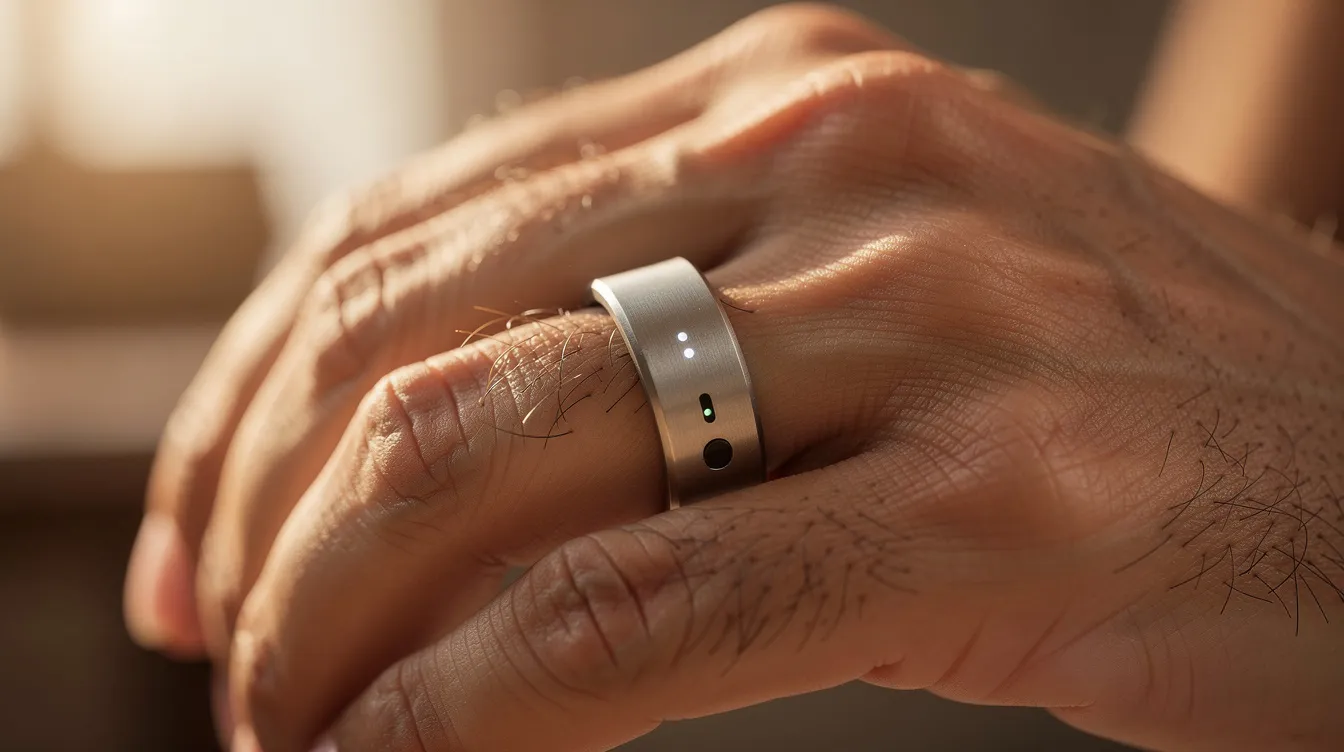
The oura ring has emerged as a leading option among consumer sleep trackers. Validation studies demonstrate up to 89% agreement with gold standard polysomnography for detecting deep and REM sleep—notably higher than many competing wrist-based devices.
Ring form factor advantages:
- Multi-day battery life (typically 3-7 days)
- Less obtrusive during sleep than wristbands
- Measures skin temperature variations
- Works well for users who find wristbands uncomfortable
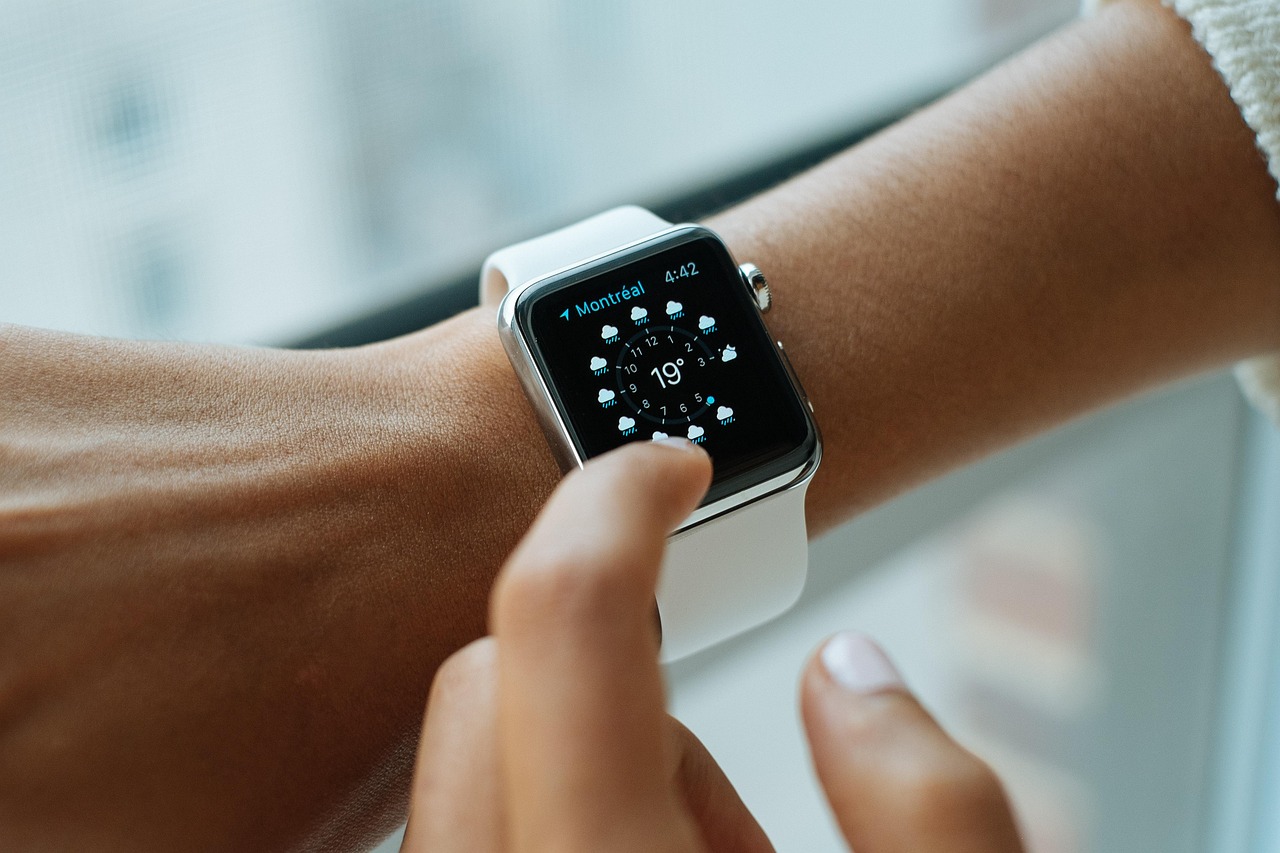
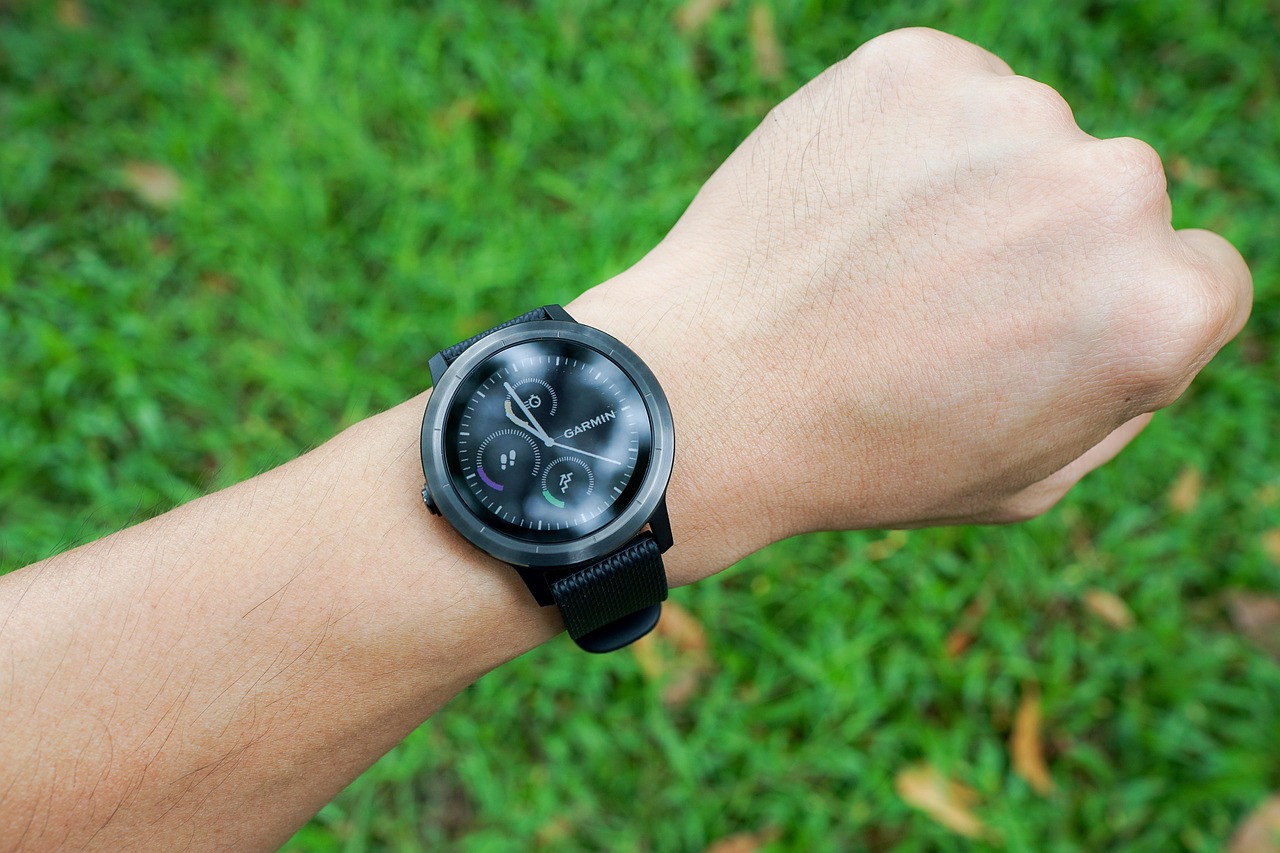
Wristband considerations:
- Often include display screens for smart alarm features
- May offer additional fitness tracking during the day
- Battery life varies widely (1-7 days depending on model)
- Some users report discomfort during multi-night wear
CES 2026 showcased several new entries including WisMedical’s Tedream Patch—a sensor patch that attaches to the forehead and claims to replicate full sleep laboratory studies at home. The Luna Band also emerged as a potential competitor to established fitness bands.
Before committing to any wearable device, test comfort for multi-night wear. Body movements during sleep can cause irritation with poorly designed bands.
Non-Contact and Nearable Sleep Trackers
Radar-based non-contact tracking eliminates adherence barriers entirely. These systems use radio frequency sensing to detect movement and breathing without physical contact. Users need not wear or interact with any device.
Mattress-embedded sensor strips represent a nearable hybrid approach:
- Detect body position, movement, and respiration
- Higher signal-to-noise ratios due to direct body contact
- Overcome the adherence problem of wearables
- Work automatically without user action
Limitations to consider:
- Bound to a specific bed location
- Cannot capture daytime recovery metrics
- Naps outside your primary sleep location won’t register
- May struggle with partner movement interference
For users who consistently sleep in the same bed and want effortless tracking, nearable devices offer a compelling advantage over wearables.
Smart Mattresses and Bedding Integration
Smart mattresses represent a category shift from passive monitoring to active intervention. Unlike other sleep trackers that primarily observe sleep architecture, smart mattresses actively modify the sleep environment.
The Eight Sleep Pod 5 Ultra exemplifies this category with:
- Temperature control ranging from 55°F to 110°F
- Dynamic temperature adjustments based on detected sleep stages
- Embedded pressure sensors for sleep tracking
- Zoned support for different body regions
Key features to evaluate:
| Feature | What to Look For |
|---|---|
| Temperature control | Range, zone independence, response time |
| Firmness adjustment | Number of zones, adjustment precision |
| App functionality | Data visualization, automation options |
| API access | Third-party integrations, data export |
| Partner compatibility | Independent temperature/firmness zones |
Before purchasing, test mattress integration with your smart home setup. Some systems offer seamless automation while others operate as closed ecosystems with proprietary apps.
Sleep Coach, AI, and Behavioral Coaching
AI-powered sleep coach capabilities represent a significant advancement in artificial intelligence applications for health. These systems move beyond passive data reporting to active guidance generation.
How AI coaching works:
Machine learning models analyze your personal sleep metrics and identify correlations between behaviors, environmental conditions, and sleep outcomes. For example, an AI system might recognize that you achieve deeper sleep when room temperature stays between 65-68°F and caffeine consumption stops before 2 PM.
Prescription digital therapeutics like Somryst demonstrated that more than 40% of patients no longer met criteria for insomnia after completing a nine-week program. This suggests AI-guided behavioral interventions can produce clinically meaningful outcomes.
Coaching models to evaluate:
- Fully automated AI systems that generate recommendations independently
- Human-plus-AI hybrid approaches where coaches review AI suggestions
- Prescription digital therapeutics requiring doctor oversight
When onboarding with any coaching platform, expect questions about your bedtime routines, caffeine and alcohol habits, stress levels, exercise patterns, and sleep environment factors.
Battery Life, Usability, and Other Features

Future of sleep technology – sleep coach, ai, and behavioral coaching
Battery life expectations vary significantly across device types:
| Device Type | Typical Battery Life | Charging Frequency |
|---|---|---|
| Smart rings | 3-7 days | Weekly |
| Wristbands | 1-7 days | Every few days |
| Headbands/EEG | 1-3 nights | Nightly or every other night |
| Smart mattresses | Plugged in | N/A |
| Nearable sensors | Plugged in or months | Rare |
Other features worth evaluating:
- Smart alarm functionality (waking during light sleep)
- Nap tracking capabilities
- In depth metrics beyond basic stages
- Social features or challenges
- Integration with smart phone apps
- Relaxation or breathing exercises
- Compatibility with your existing health ecosystem
Check monthly subscription requirements separately from device costs. Some products offer basic functionality free while locking advanced analytics behind paywalls.
Heart Rate Variability, Recovery, and Performance
Measuring nightly HRV trends provides actionable recovery insights that extend beyond sleep into overall health and performance. Athletes may notice HRV decline before consciously recognizing fatigue from overtraining.
Using HRV effectively:
- Establish your personal baseline over 2-4 weeks
- Track trends rather than individual readings
- Note factors that correlate with HRV changes (alcohol, stress, exercise intensity)
- Adjust training and rest based on HRV patterns
Validate HRV against your baseline readings rather than population averages. HRV exhibits substantial individual variation and responds to caffeine intake, ambient temperature, stress, and numerous other factors.
Consider integrating HRV data into training and stress management plans. Some fitness platforms now accept HRV data exports from wearables and adjust training recommendations based on recovery status.
Privacy, Data Ownership, and Sleep Data Governance
Sleep data includes intimate information about your circadian rhythms, health status, and behavior patterns. Before selecting any device, investigate data governance practices.
Require vendors to disclose:
- Data ownership (do you own your data or license access?)
- Retention periods (how long is data stored?)
- Cloud storage location and security measures
- Third-party sharing policies
- Anonymization practices for research use
Audit cloud storage and retention terms in privacy policies. Some companies retain data ownership and reserve rights to use de-identified data for commercial purposes.
Check third-party sharing practices carefully. Your sleep data combined with other information could be valuable to insurance companies, employers, or advertisers—though current sharing practices vary significantly across vendors.
How to Test and Evaluate a Sleep Tracker
Designing a proper testing protocol helps you make informed decisions rather than relying on marketing claims or short-term impressions.
Multi-night testing protocol:
- Baseline period (3-5 nights): Use your current sleep setup without changes
- Testing period (7-14 nights): Introduce the new device while maintaining normal habits
- Comparison period (3-5 nights): If possible, compare against a reference device
When evaluating raw data and accurate data output:
- Check if reported sleep duration matches your subjective experience
- Verify wake times align with actual awakenings you remember
- Compare sleep stage distribution across different nights
- Test how the device handles naps and unusual sleep schedules
Assess real-world battery life under your actual usage conditions. Advertised specifications often reflect optimal conditions that may not match your reality.
Evaluate app usability thoroughly:
- How easily can you access your morning data?
- Are trends and patterns clearly visualized?
- What data export options exist?
- Can you delete your data if needed?
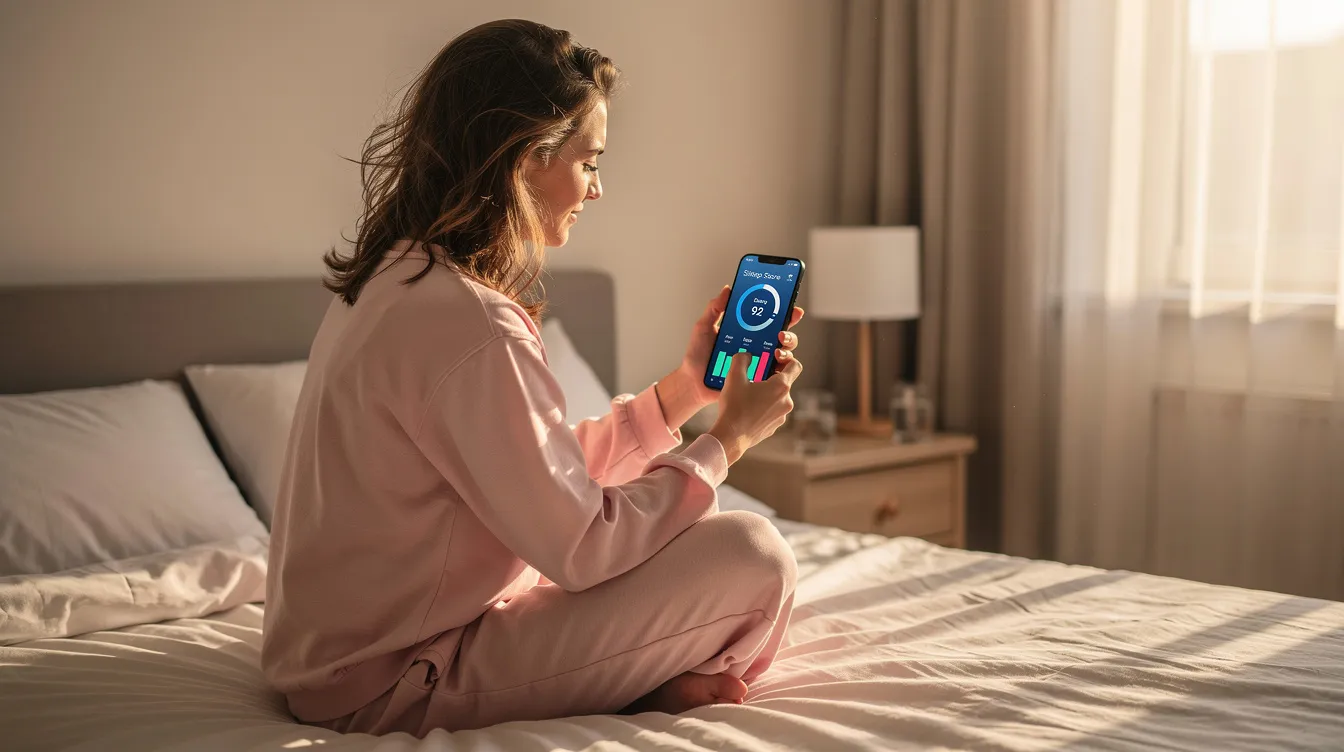
Buying Guide: Choosing a Sleep Tracker or Smart Mattress
Selecting the right device depends on your primary user goal. Different sleepers have different priorities.
Recommendations by goal:
| Primary Goal | Recommended Category | Example Devices |
|---|---|---|
| Basic sleep awareness | Entry-level wearable | Budget fitness bands |
| Recovery optimization | Advanced wearable | Oura Ring, Whoop |
| Temperature issues | Smart mattress | Eight Sleep, Sleep Number |
| Zero-effort tracking | Nearable sensors | Mattress strips |
| Clinical insights | FDA-cleared devices | Apple Watch (apnea detection) |
Red flags to avoid:
- Devices without validation against polysomnography or clinical standards
- Products requiring expensive subscriptions for basic functionality
- Vendors with unclear data ownership policies
- Systems that don’t allow data export
- Products from companies without clear privacy policies
Encourage trial periods or return windows. Many sleepers need 2-4 weeks to determine if a device actually helps them achieve better sleep. A device you won’t wear consistently provides zero value regardless of its technical capabilities.
Case Study: Oura Ring Data Practices and Integration
The Oura Ring provides a useful case study for evaluating sleep technology products. Understanding how it handles data, syncing, and subscriptions illustrates considerations applicable to any device.
Syncing and app workflows:
- Automatic syncing via Bluetooth when app opens
- Morning readiness scores combine sleep, recovery, and activity
- Historical data accessible through app and web browser
- Data export available in various formats
Heart rate and HRV reporting:
The device measures heart rate continuously throughout the night and calculates HRV from this data. The 89% agreement with polysomnography for sleep stage detection represents strong validation compared to other sleep trackers in the consumer market.
Subscription trade-offs:
Oura requires a monthly subscription for full feature access. Free tier provides basic sleep data while premium unlocks personalized guidance, detailed sleep metrics, and advanced trends. This model is increasingly common but worth factoring into total cost of ownership.
The ring demonstrates both the potential and limitations of consumer sleep technology—highly validated core metrics paired with subscription-dependent advanced features.
Future Directions in Sleep Technology
The future of sleep technology points toward several clear directions based on current development trajectories.
Sensor miniaturization:
Expect sensors to continue shrinking, enabling integration into clothing, bedding, and less obtrusive form factors. Textile-based sensors embedded in sleep clothing could improve adherence by eliminating the need to remember wearing a device.
Parasympathetic-targeted therapies:
Rather than merely monitoring parasympathetic activity, future devices may actively stimulate it through vagal stimulation, proprietary audio patterns, or haptic feedback designed to promote relaxation and help users fall asleep faster.
Mattress-to-device automation:
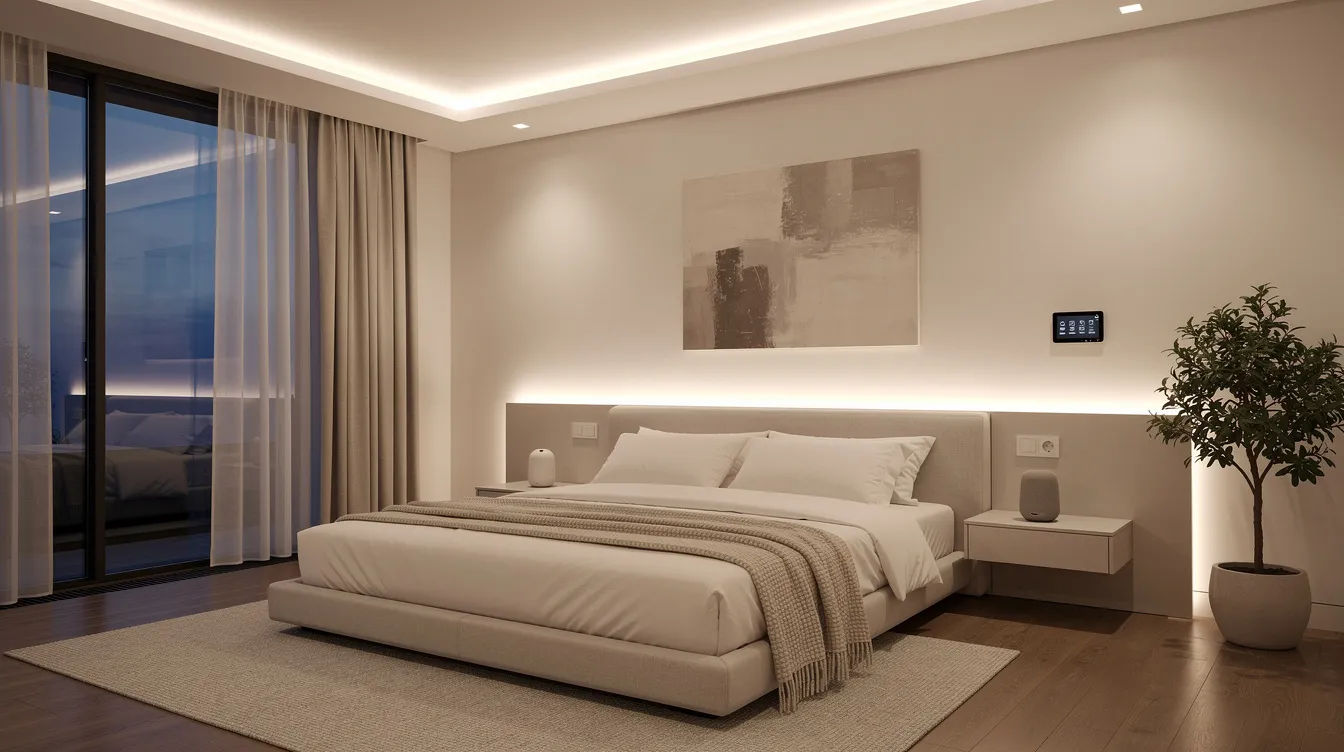
Integrated systems will coordinate temperature adjustments, light changes, and environmental modifications based on detected sleep states. Your bedside table lamp might dim automatically when sensors detect sleep onset.
Clinical validation focus:
Stronger regulatory oversight will likely establish clearer standards for accuracy claims. Manufacturer claims that previously went unchallenged may face scrutiny, driving quality improvements across the world of sleep technology.
Conclusion and Next Steps
The future of sleep technology isn’t about collecting more data—it’s about using data to actually sleep better. The most helpful devices combine accurate tracking with actionable guidance and environmental intervention.
Balance is essential. Excessive focus on sleep metrics can create worry that paradoxically degrades sleep quality. Use technology as a tool for pattern recognition and intervention testing, not as an endless feedback mechanism that dominates your bedtime experience.
Your next steps:
- Identify your primary sleep challenge (initiation, maintenance, recovery, temperature)
- Select a device category that addresses that challenge
- Test for 2-4 weeks using the protocol outlined above
- Consult with a doctor if data reveals potential sleep disorders
- Step back from constant monitoring once you’ve established effective habits
The best sleep technology helps you understand your patterns, make targeted changes, and then gets out of the way—letting you simply rest.