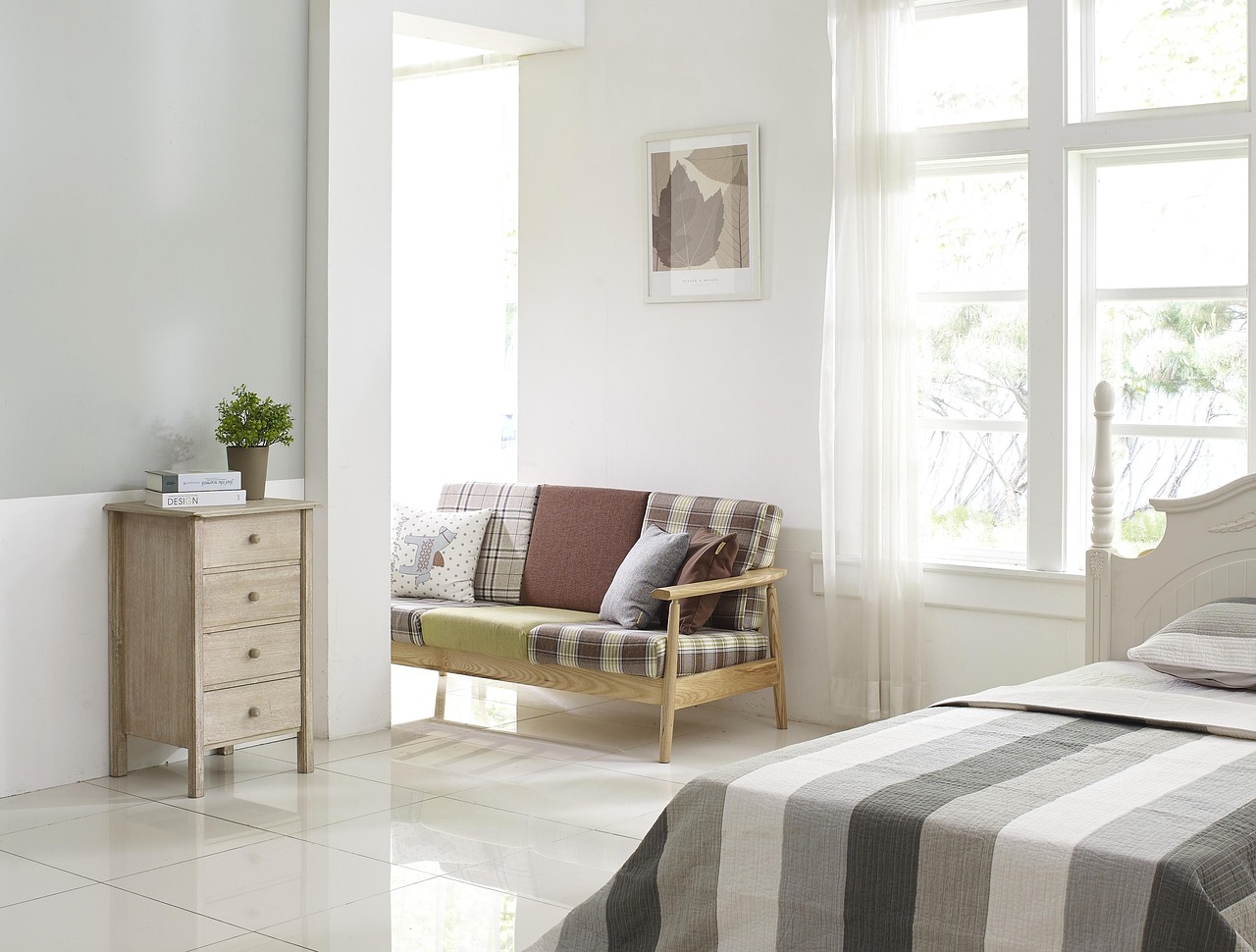
Most adults spend roughly one-third of their lives in bed, yet few take the time to deliberately shape that space for better rest. Your bedroom setup directly influences how quickly you fall asleep, whether you stay asleep through the night, and how refreshed you feel come morning.
This guide walks you through practical, research-backed strategies to optimize your bedroom for sleep—from temperature and lighting to bedding choices and decluttering routines. Keeping your bedroom tidy is essential, as a clutter-free environment reduces stress, improves relaxation, and promotes better sleep. Whether you’re battling occasional restlessness or seeking marginal gains in sleep quality, these adjustments can transform your sleep space into a genuine recovery zone.
Create a Good Night’s Sleep
A good night’s sleep is a restorative process characterized by 7-9 hours of sufficient duration, minimal disruptions, and progression through all sleep stages, including deep sleep and REM phases.
The measurable benefits of improved sleep extend far beyond feeling rested:
- Cognitive enhancement: Studies show 20-30% improvements in memory consolidation and reaction times after consistent quality sleep
- Cardiovascular protection: Meta-analyses indicate 15-25% lower incidence of hypertension and heart disease in those achieving 7+ hours nightly
- Immune function boost: Optimized sleep correlates with up to 4 times higher antibody production post-vaccination compared to sleep-deprived individuals
The goal here is straightforward: help you create a good sleep environment to improve sleep and deliver these outcomes through environmental optimizations rather than supplements or medications.
Optimize Your Sleep Environment for Restful Sleep

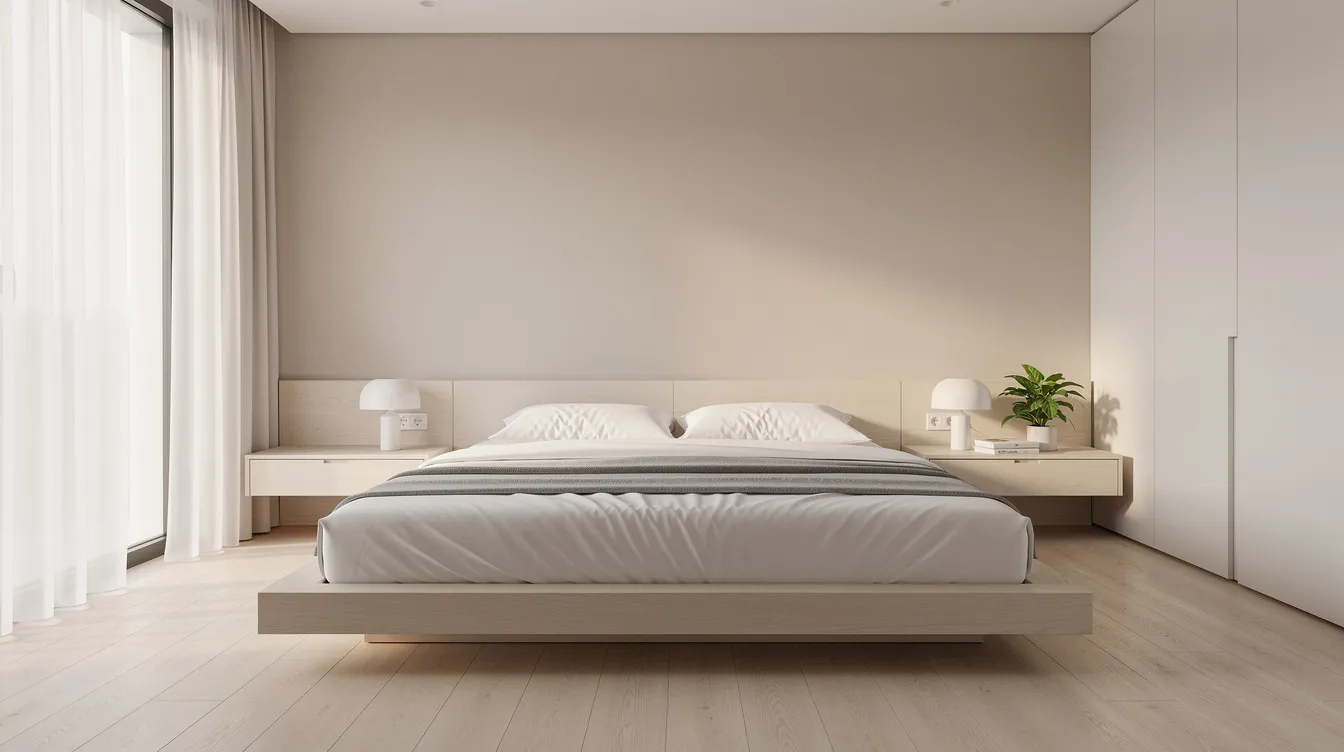
Optimize bedroom for sleep – create a good night’s sleep
Your sleep environment encompasses every sensory and physical element that influences sleep onset, maintenance, and overall night’s sleep. This includes light levels, noise, temperature, air quality, bedding comfort, and visual clutter—all of which interact with your circadian rhythms and body temperature regulation.
Sleep experts from Stanford to Harvard consistently recommend creating a “cave-like” bedroom environment: dark, cool, and quiet. Here’s how to prioritize each element:
| Element | Target | Why It Matters |
|---|---|---|
| Darkness | Near-total blackout | Even low-level light suppresses melatonin production |
| Noise | Below 35 decibels | Sounds above this threshold disrupt sleep architecture |
| Temperature | 60-67°F (15.5-19.4°C) | Supports natural core temperature drop |
| Comfort | Matched to sleep position | Prevents pressure points and overheating |
Low-cost changes that yield restful sleep include blackout curtains over expensive motorized shades, earplugs or a simple fan for white noise, breathable cotton bed sheets swapped for synthetics, and decluttering surfaces to reduce visual stress. These changes help improve sleep quality by creating a more relaxing and supportive environment that makes it easier to fall and stay asleep. Intervention studies show these basic modifications can deliver 10-20% subjective improvements in how well you sleep soundly through the night.
Use Calming Scents
Calming scents can meaningfully affect sleep by triggering parasympathetic nervous system responses. Lavender and chamomile emerge as the most evidence-based options for promoting relaxation before bed.
Research on lavender inhalation shows it can reduce anxiety by 20% and shorten the time it takes to fall asleep through GABA receptor modulation. Cedarwood and vanilla also promote parasympathetic activation, supporting transitions into deeper sleep stages.
Safe delivery methods include:
- Ultrasonic diffusers that disperse essential oils without heat (preserving active compounds)
- Pillow sprays using diluted oils at 2-5% concentration, applied 30 minutes before bedtime
A word of caution: approximately 10-15% of users experience allergic reactions like rhinitis or sensitivity migraines from essential oils. Conduct a patch test before regular use, ensure adequate ventilation, and note that synthetic fragrances don’t match natural oils’ efficacy in clinical trials.
Temperature, Bedding, and How to Stay Asleep
The optimal bedroom temperature range clusters at 60-67°F (15.5-19.4°C), though Harvard research suggests 65-68°F as a practical average for most adults. This range supports your body’s natural thermoregulation—core body temperature drops 1-2°F during nighttime sleep, and deviations from optimal room temperature increase awakenings by 30-50%.
Recent ventilation research also ties sleep disruption to CO2 levels above 800-1000 ppm, suggesting that fresh air circulation matters as much as raw temperature.
For bedding choices that promote heat regulation:
- Bamboo sheets: Absorb 3x more moisture than cotton
- Tencel fabrics: Excellent temperature regulation properties
- Avoid: Memory foam toppers that trap heat up to 5°F higher than alternatives
- Consider: Cooling gels or phase-change material covers, especially for couples using dual-zone designs
To stay asleep through the night, use a layering strategy: start with a base sheet, add a lightweight comforter, and include a topper blanket you can peel back as needed. This approach maintains 1-2°F fluctuations that sustain slow-wave deep sleep without thermal discomfort.
Sleep Hygiene and Relaxing Activities
Sleep hygiene refers to consistent habits that promote regular, high quality sleep without reliance on supplements or medications. The concept builds on behavioral research from the 1970s emphasizing routine over pharmacology.
To build good sleep hygiene, follow these steps:
- Fix your bed and wake times: Keep them within ±30 minutes daily, including weekends
- Block blue light exposure: No screens 1 hour before bed (blue light causes 23% melatonin suppression)
- Get daytime light: Sunlight exposure helps with circadian entrainment
- Create a consistent bedtime routine: Signal to your nervous system that sleep is approaching
Short relaxing activities before bed:
| Activity | How To | Benefit |
|---|---|---|
| 4-7-8 Breathing | Inhale 4s, hold 7s, exhale 8s | Reduces heart rate 10-15 bpm |
| Progressive Muscle Relaxation | Tense and release muscle groups sequentially | 20% faster sleep onset |
| Worry Journaling | Write concerns on paper for 10 minutes | Offloads rumination |
| Warm bath | 20-30 minutes before bed | Promotes natural temperature drop |
| Soothing sounds | Listen to calming background sounds like ocean waves or nature noises, possibly with noise-canceling devices or earplugs | Distracts from disruptive noises and promotes relaxation |
These activities are backed by randomized controlled trials showing 15-25 minute reductions in the time needed to feel sleepy and drift off.
Alarm Clock and Wake-Time Consistency
Where you place your alarm clock matters more than you might think. Position it 3-10 feet from your bed to force yourself to physically get up when it sounds. This placement curbs snooze-induced sleep inertia—that groggy, disoriented feeling from fragmented morning sleep.
Consistent wake times stabilize your sleep wake cycle. Even on weekends, deviations greater than 1 hour link to 25% higher insomnia risk. Your daily routine should anchor to the same wake time regardless of when you went to bed.
For travel or shift changes, make gradual adjustments:
- Shift your wake time by 15-30 minutes daily over several days
- This approach aligns with chronobiology research showing up to 50% reduction in jet lag effects
- Avoid sudden 2-3 hour jumps that disrupt your internal clock
Personalize for Sleep Preferences and Side Sleepers

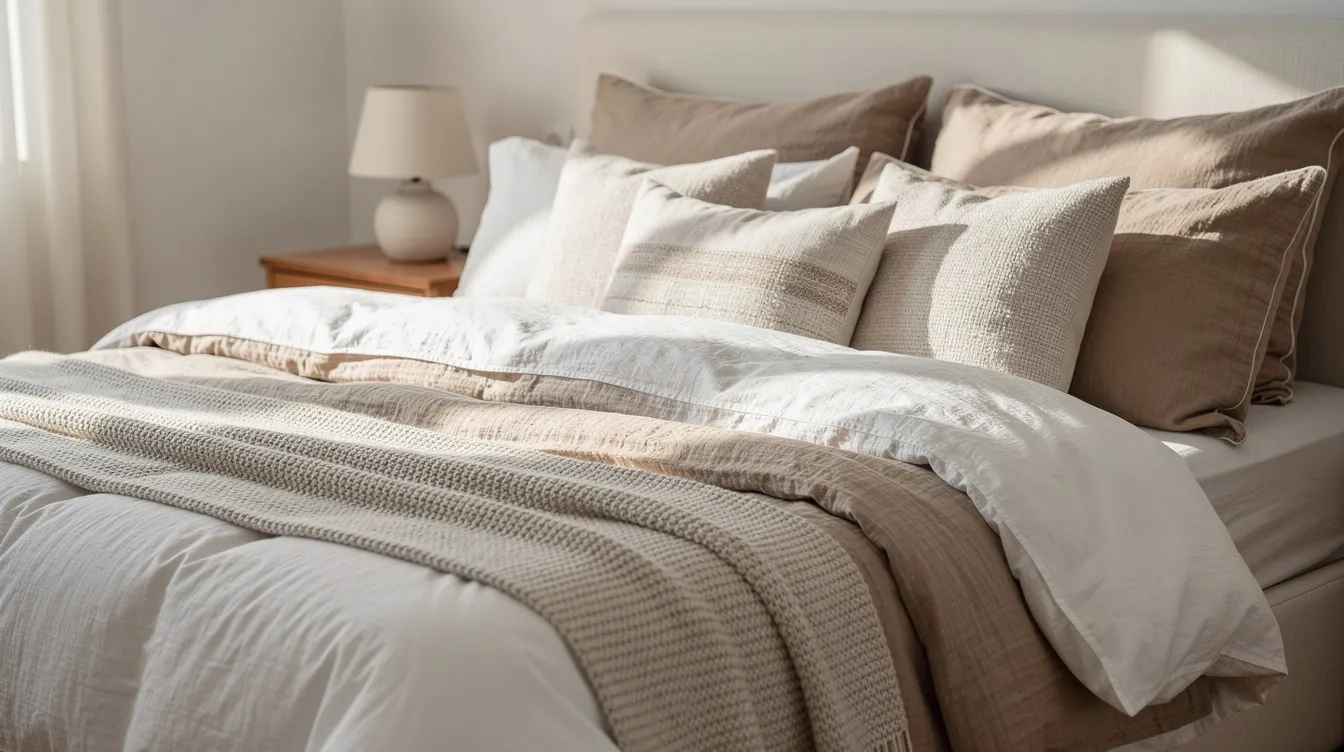
Optimize bedroom for sleep – sleep hygiene and relaxing activities
Generic advice only goes so far. Start by assessing your individual sleep preferences using a simple sleep diary that tracks your positions throughout the night and notes any discomfort upon waking. This data helps you make informed decisions about mattress and pillow choices.
Side sleeping dominates—approximately 60% of adults prefer this position. If you’re among them, your mattress and pillow strategy should reflect that:
Mattress recommendations for side sleepers:
- Target medium-firm options (5-7 on a 10-point firmness scale)
- Look for pressure relief at hips and shoulders
- Zoned foam mattresses outperform traditional innersprings by 30% in alignment studies
Pillow strategies to support alignment:
- Use contoured latex or memory foam hybrids lofted 4-6 inches
- Aim for a neutral neck position where your ear, shoulder, and spine form a straight line
- Consider a body pillow to prevent fetal curl spinal torque and reduce neck pain
Back sleepers need different support—typically firmer mattresses and lower-loft pillows. The key is matching your setup to your actual sleeping patterns, not theoretical ideals.
Light, Noise, and Strategies for the Best Sleep
Light management directly impacts how quickly melatonin—the hormone responsible for triggering sleepiness—enters your system. Even 10 lux of light exposure can delay melatonin release by 90 minutes.
The sleep cycle consists of light, deep, and REM stages that repeat every 90 to 120 minutes. Maintaining a sleep-friendly environment helps prevent disruptions to this natural rhythm.
Blackout solutions ranked by effectiveness:
- Foil-lined blackout curtains: Block 99% of light
- Room darkening shades: Block approximately 70% of light
- Smart films: Adjustable but expensive
- Eye mask: Budget backup for travel or a bed partner with different schedules
Keep your bedroom dark by eliminating other light sources: cover LED indicators on electronics, use tape over standby lights, and consider motion-activated nightlights for bathroom trips rather than overhead lights.
For noise management in your quiet environment, a white noise machine or pink noise generator at 50-60 dB mimics womb sounds and outperforms silence by 38% in arousal reduction studies. A simple fan doubles as both noise-masking and ventilation. Thick curtains and rugs also help absorb sound and reduce environmental noise penetration.
Evening screen strategies to minimize blue light:
- Enable night mode on your cell phone and other devices (filters 90% of blue light)
- Use software like f.lux on computers
- Stop all screen use 1-2 hours before bedtime approaches—2+ hours of exposure halves deep sleep duration
Declutter, Clean, and Maintain a Sleep-Friendly Room

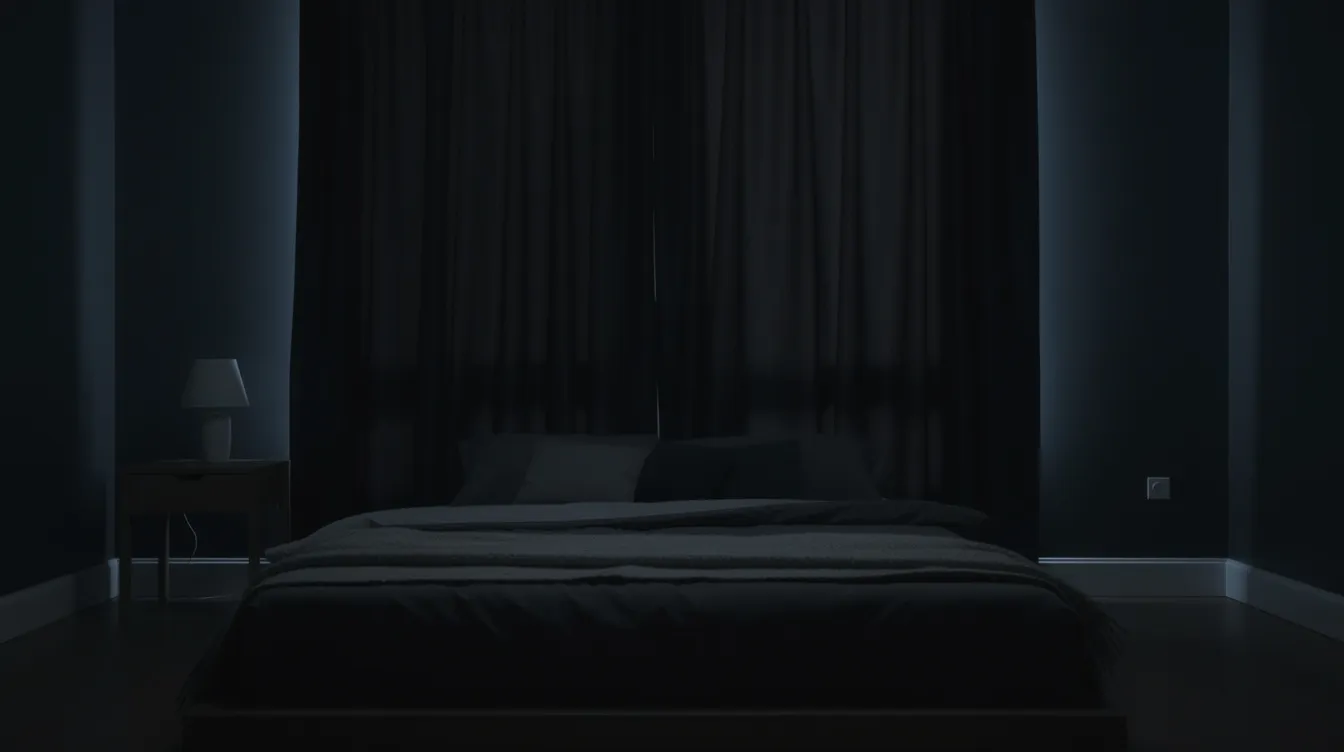
Optimize bedroom for sleep – light, noise, and strategies for the best sleep
Visual clutter elevates cortisol levels by approximately 15%, directly undermining your mental health and well being before bed. A tidy bedroom setup promotes sleep by reducing visual stress and creating psychological calm.
Simple decluttering checklist:
- Remove electronics (they emit ELF fields that can disrupt 10% of sleep)
- Limit furniture to essentials: bed, dresser, nightstand
- Use under-bed storage to clear floor space
- Keep surfaces clear of paperwork, laundry, and random items
- Relocate exercise equipment to another room
For allergen control, cleaning frequency matters. Dust mites thrive at 75°F and 75% humidity, and their populations double biweekly in pillowcases:
| Item | Cleaning Frequency | Impact |
|---|---|---|
| Pillowcases | Weekly | Controls mite growth |
| Sheets | Weekly | Reduces allergens 80% |
| Comforter | Monthly | Removes accumulated debris |
| Mattress cover | Monthly | Barrier against mites |
Monthly maintenance routine:
- Vacuum using HEPA filters
- Check window and door seals
- Air out the room for VOC reduction
- Inspect blackout curtains for light leaks
This maintenance preserves the 20% sleep gains you’ve achieved long-term and prevents gradual degradation of your ideal bedroom environment.
Troubleshooting: When the Bedroom Isn’t Enough
Sometimes bedroom changes are insufficient to address underlying causes of sleep problems. Environmental tweaks address only 30-40% of cases, meaning sleep disruption may stem from issues requiring professional attention.
Signs that bedroom optimization isn’t enough:
- Persistent sleep duration under 6 hours despite good conditions
- More than 3 awakenings per week unrelated to obvious causes (disruptive noises, temperature)
- Daytime somnolence scoring above 10 on the Epworth Sleepiness Scale
- Spending time in bed without sleeping for extended periods
- Chronic difficulty maintaining healthy sleep despite following all recommendations
These patterns may signal disorders like sleep apnea, which affects 20-30% of adults. If you recognize these signs, consult a sleep specialist and consider polysomnography evaluation. The National Institute of Health recommends professional assessment when lifestyle modifications fail to produce improvement within 4-6 weeks.
Maintain Good Sleep Long-Term
Achieving healthy sleep habits requires ongoing attention, not a one-time overhaul. Track your improvements for at least four weeks using apps like SleepScore that yield objective metrics—aim for 85% sleep efficiency as your target.
How to iterate based on results:
- Use A/B testing: Change one variable at a time (e.g., temperature) and measure for a week
- Temperature tweaks alone can yield 12% gains in sleep consolidation
- Document what works and what doesn’t in your sleep diary
- Adjust for seasonal changes in bedroom light levels and temperature
The difference between occasional good nights and consistent good quality sleep lies in this iterative approach. Small refinements compound over time.
Your one actionable takeaway for tonight:
Set your thermostat to 65°F and ensure complete darkness in your bedroom. These two changes alone can deliver a 15-20% improvement in consolidated sleep—measurable results before you finish reading anything else about sleep tips.
A healthy adult deserves an environment that promotes sleep rather than fighting against it. Your bedroom should serve one primary purpose: recovery. Every element—from the temperature to the absence of your cell phone’s glow—either supports or undermines that mission.
Start with the basics tonight. Refine based on what you learn about your own sleep preferences. And remember: the goal isn’t perfection, it’s progress toward the restorative good night’s rest your body needs to function at its best.