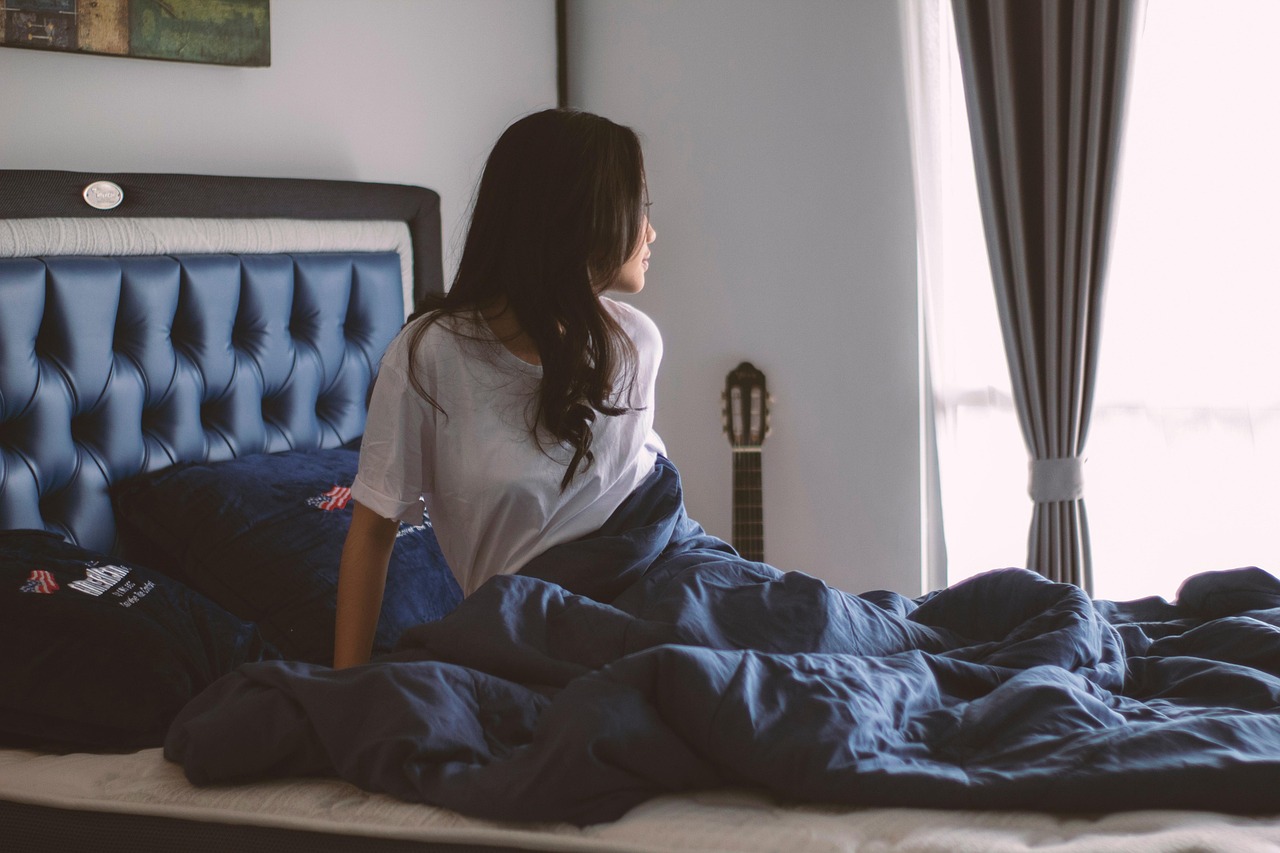
Your smartphone, laptop, and LED lights are likely interfering with your body’s ability to wind down at night. This guide breaks down the science behind blue light sleep disruption and delivers practical steps you can take to protect your sleep.
By the end, you’ll understand how evening light exposure affects your brain, which devices raise concern, and how to reduce light exposure without overhauling your lifestyle.
Quick Summary of Blue Light and Light Exposure
Blue light refers to visible light in the 400-500 nm wavelength range, with peak circadian sensitivity occurring around 460 nm. This is the light your eyes are most responsive to when signaling “daytime” to your brain. The sun is the primary natural source of blue light and plays a crucial role in setting the body’s circadian rhythm.
Common evening sources include:
- Smartphones and tablets
- Laptops and computer monitors
- LED TVs
- LED household bulbs
During the day, blue light exposure enhances alertness, energy, and cognitive performance. After sundown, however, that same exposure can suppress melatonin and delay your internal clock, making it harder to rest. Even low levels of brightness from indoor lighting or screens can interfere with melatonin production and negatively affect sleep quality.
How Blue Light Exposure Can Affect Sleep

Blue light sleep disruption – quick summary of blue light and light exposure
Blue wavelengths activate specialized cells in your retina called intrinsically photosensitive retinal ganglion cells (ipRGCs). These cells contain melanopsin, a photopigment discovered around 2002, which signals the suprachiasmatic nucleus in your brain.
When this happens at night, your brain interprets the signal as daylight. The result: your pineal gland delays or reduces melatonin release—the hormone that regulates sleep onset.
This shift doesn’t just make you feel awake. Blue light exposure at night can disrupt your body’s natural sleep-wake cycle, delaying sleep onset and affecting overall sleep quality. It can also delay your entire circadian rhythm, pushing your natural sleep window later and leading to poor sleep quality even when you finally get to bed.
Evidence: Studies Linking Blue Light to Poor Sleep and Increased Risk
Researchers at Harvard Medical School and Brigham and Women’s Hospital demonstrated that 6.5 hours of blue light exposure suppressed melatonin nearly twice as long as equivalent green light—shifting circadian rhythms by 3 hours compared to 1.5 hours. In these studies, two groups of participants were exposed to different lighting conditions to observe the physiological and hormonal effects of blue light versus green light.
A University of Toronto experiment found that participants wearing blue-blocking glasses under bright indoor light maintained melatonin levels comparable to those in dim light without glasses. This study also compared two groups—those with and without blue-blocking glasses—to assess differences in melatonin production.
Systematic reviews reveal directional harms:
- One-fifth of studies showed decreased sleep quality under blue light conditions
- One-third reported reduced sleep duration
- Three of eight studies found increased sleep latency (time to fall asleep)
Observational research links chronic circadian disruption to metabolic conditions like diabetes and obesity, as well as heart disease. These negative health outcomes can happen as a result of ongoing circadian disruption from nighttime light exposure. Disrupted circadian rhythms can impact metabolism, increasing the risk of conditions like diabetes and obesity. Some researchers have explored potential connections to cancer, though long-term prospective studies remain scarce.
Limitations exist: many trials are short-term, use small samples (fewer than 20 participants), and occur in controlled lab settings rather than real-world conditions.
Screen Time, Devices, and How They Affect Sleep
Electronic devices emit significant blue light due to their LED backlighting technology. At typical viewing distances (30 cm), screens produce 100-300 lux—enough to affect your circadian system.
Devices of concern:
| Device | Typical Peak Wavelength | Notes |
|---|---|---|
| Smartphone (OLED) | 450-470 nm | Highest portability, closest viewing |
| Tablets | 450-470 nm | Common for evening media consumption |
| Laptops | 450-470 nm | Work and entertainment use |
| LED TVs | 450-480 nm | Longer viewing sessions |
Beyond light itself, engaging screen content—scrolling social media, answering work emails, or watching intense programming—adds cognitive stimulation that compounds the alertness effect. Exposure to blue light from screens before bed can cause trouble falling asleep and further disrupt sleep quality.
Research suggests limiting screen time 1-2 hours before bed aligns with melatonin’s natural ramp-up around 9-10 PM in typical schedules.
Blue Blocking Glasses and Other Practical Protections

Blue light sleep disruption – screen time, devices, and how they affect sleep
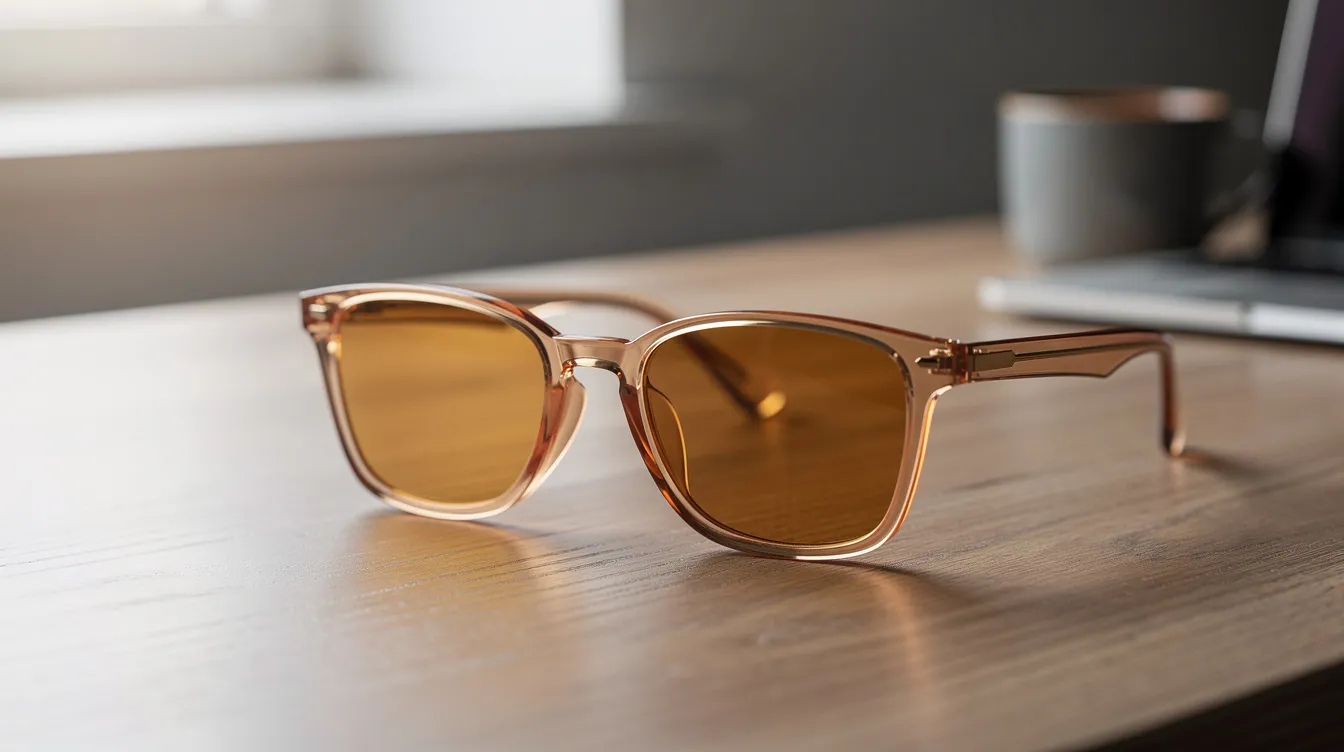
Blue blocking glasses filter 89-99.9% of light in the 400-500 nm range, typically using amber or brown-tinted lenses. Software filters like Night Shift reduce blue emission by only 20-50%, leaving residual exposure.
Comparison:
| Method | Blue Light Reduction | Pros | Cons |
|---|---|---|---|
| Blue blocking glasses | 89-99% | Portable, effective | Cost $20-100, aesthetics |
| Software filters | 20-50% | Free, built-in | Incomplete block |
| Warm-spectrum bulbs | 70-90% | Passive, whole-room | Requires replacement |
Wear glasses 2-3 hours before bed when melatonin production begins rising. For true efficacy, test lenses with a spectrometer—not all marketed “blue light glasses” actually block the critical wavelengths.
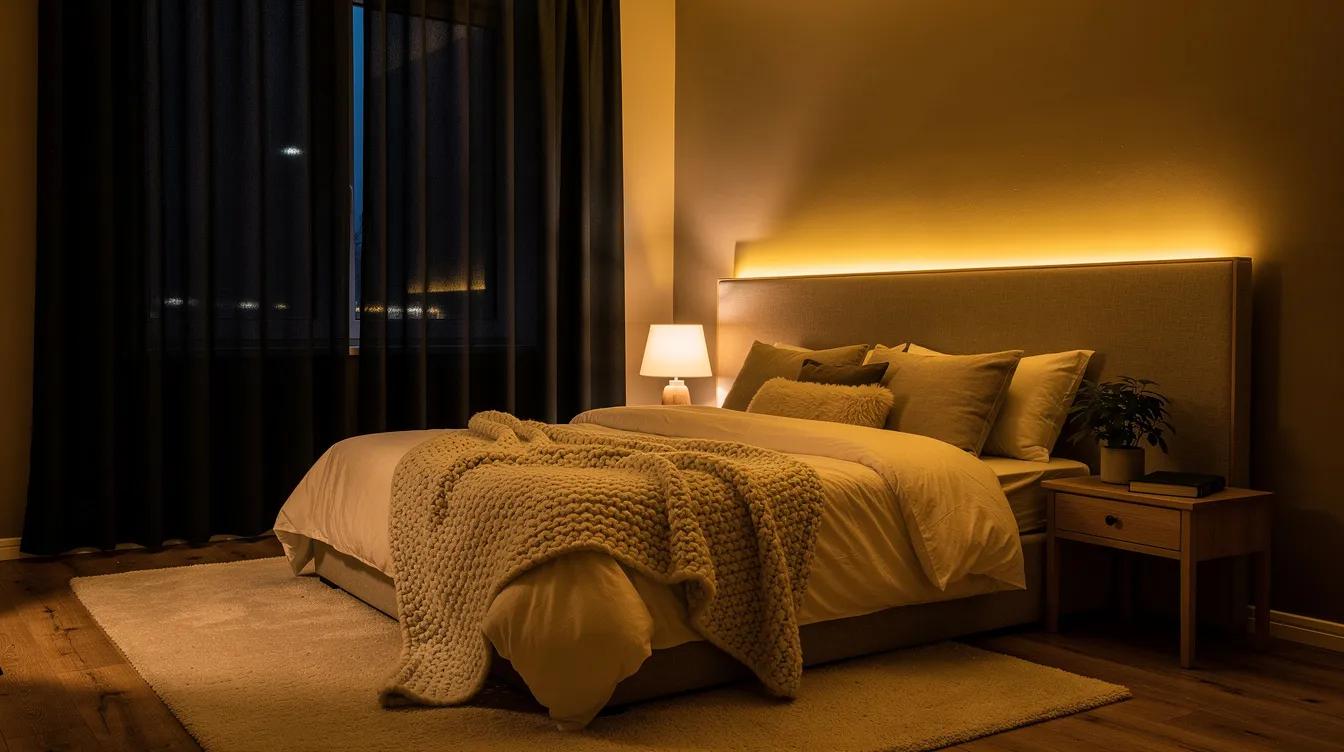
Complement glasses with warm-spectrum LED bulbs (2700K color temperature) in rooms you use during evening hours.
Adopting these sleep hygiene practices and reducing light exposure at night can serve as a form of natural medicine, supporting cardiovascular and metabolic health.
Bedroom and Evening Routines To Get Enough Sleep
Securing 7-9 hours of sleep starts with consistent bedtimes that anchor your circadian rhythms. Here’s a practical checklist:
Evening routine:
- 7:00 PM — Dim household lights to below 50 lux
- 8:00 PM — Put on blue blocking glasses if still using screens
- 9:00 PM — Stop screen use entirely
- 10:00 PM — Target bedtime
Replace screens with low-arousal activities like reading physical books or light stretching. These avoid both artificial light and the cognitive stimulation that can keep your brain from settling into rest mode.
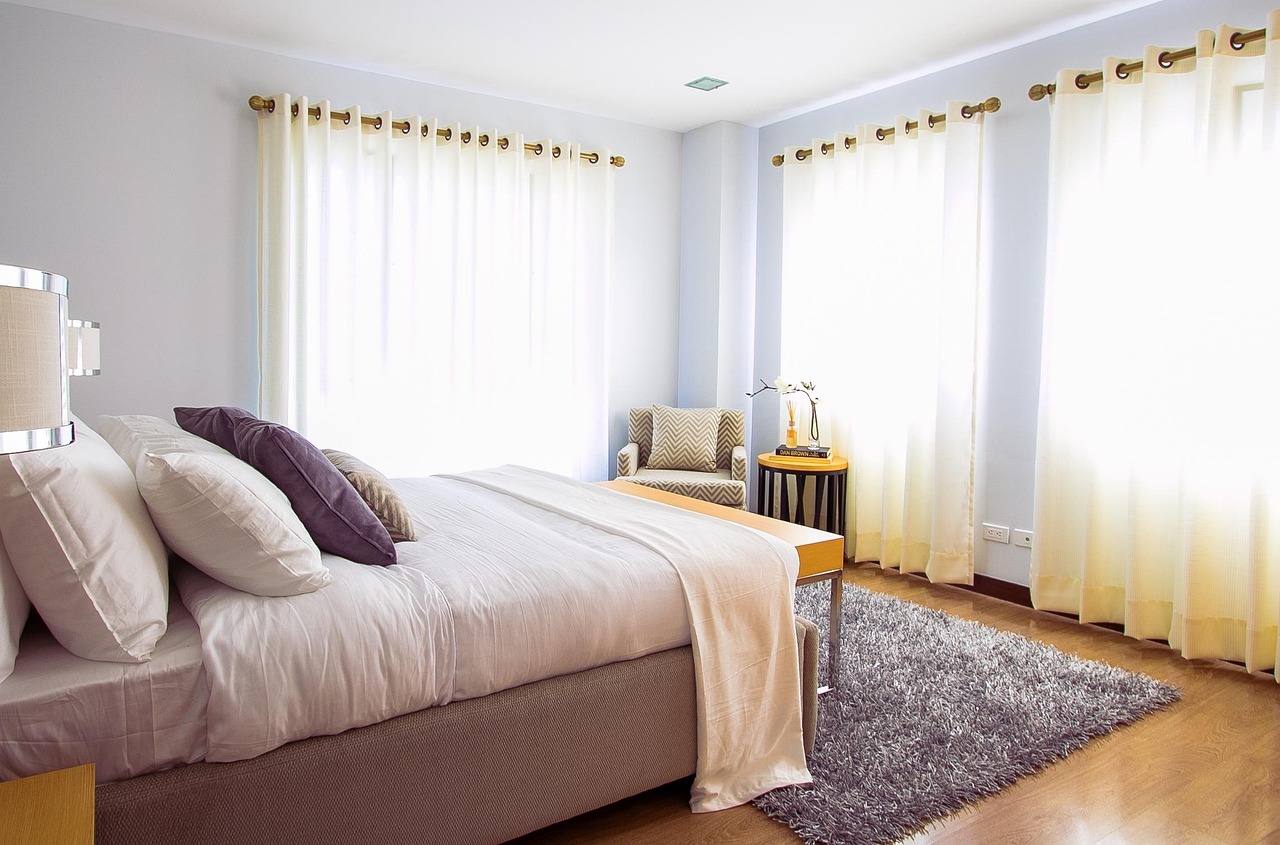
Install blackout curtains to block external light sources. Streetlights can add 1-50 lux to your room—enough to interfere with optimal melatonin production. Being exposed to even low levels of light at night can activate the body’s nervous system and interfere with restful sleep. Aim for bedroom lux levels below 3 at night.
Special Considerations: Night Shift, Children, and Older Adults

Blue light sleep disruption – bedroom and evening routines to get enough sleep
Night shift workers benefit from strategic light scheduling: bright blue-enriched light during morning shifts to stay alert, then dim red or amber environments during evening hours before sleep.
School aged children and teens require stricter limits due to higher ipRGC sensitivity and developing circadian systems. Researchers recommend less than 1 hour of screen exposure before bed for these age groups.
Older adults experience natural changes in light sensitivity. Cataract surgery, for example, improves blue light transmission to the retina—boosting daytime alertness but potentially increasing evening disruption if unmitigated. The aging lens naturally filters 20-30% of blue light over decades.
Measuring and Reducing Overall Light Exposure
A lux meter reveals your actual exposure levels. You might discover your bedroom sits at 20-50 lux from LEDs—far above the optimal < 3 lux for sleep.
Practical reductions:
- Switch to warmer LEDs (2200-2700K color temperature)
- Use smart timers for auto-dimming after 8 PM
- Position lamps lower and use indirect lighting
- Keep phones and tablets charging outside the bedroom
These changes require minimal effort but can meaningfully reduce the light your eyes receive during the hours when melatonin needs to rise.
Public Health, Workplace, and Product Recommendations
Workplaces employing night shift workers should consider lighting guidelines—blue-rich environments during active hours, red-spectrum lighting during wind-down periods.
Device manufacturers currently face no FTC mandates for spectrum labeling. Clearer blue light disclosure would help consumers make informed choices about phones, tablets, and household bulbs.
Research priorities should focus on chronic exposure effects. While short-term trials establish mechanisms, long-term data on metabolic, cardiovascular, and potential cancer links remain limited.
Content Elements To Include In Full Article
Melatonin suppression timeline:
| Time | Event |
|---|---|
| 9:00 PM | Baseline melatonin rise begins |
| 10:00 PM | 50% suppression under 100 lux blue light |
| 2:00 AM | Recovery in dim conditions |
Mitigation strategy comparison:
| Strategy | Efficacy | Cost | Effort |
|---|---|---|---|
| Blue blocking glasses | High | $20-100 | Low |
| Software filters | Moderate | Free | Low |
| Evening routines | High | Free | Moderate |
| Warm bulbs | High | $5-20/bulb | Low |
Evening checklist for readers:
- Dim lights 1-2 hours before bed
- Activate software filters on all devices
- Wear blue blocking glasses after 8 PM
- Stop all screen use 1 hour before bed
- Ensure bedroom is dark (< 3 lux)
If you are interested in learning more about the health impacts of light exposure and sleep, explore our additional resources or related articles.
Key Takeaways
Blue light sleep disruption stems from a well-documented mechanism: evening exposure to 450-480 nm wavelengths suppresses melatonin and shifts circadian rhythms. The science from Harvard Medical School and other university research groups establishes the connection, even as long-term data continues to develop.
You don’t need to eliminate screens entirely. Combining blue blocking glasses, warm-spectrum lighting, and consistent evening routines offers meaningful protection without drastic lifestyle changes.
Start tonight: dim your lights two hours before bed, and watch how your body’s natural sleep signals return.