Finding the best noise color for sleep can transform restless nights into restful sleep. Whether you’re battling noisy neighbors, a snoring sleep partner, or a racing mind, the right sleep sounds can help you fall asleep faster and stay asleep longer.
This guide breaks down every noise color, explains how sound frequencies affect your brain waves, and gives you a practical testing protocol to improve sleep quality starting tonight.
What Is Color Noise (Colored Noise Explained)
Color noise refers to sound waves with specific frequency distributions, named after their visual analogies to light spectra—just as white light contains all visible wavelengths equally, white noise contains equal intensity across all audible frequencies. Each color represents a different power distribution across sound frequencies.
Common noise colors include:
- White noise
- Pink noise
- Brown noise (also called red noise)
- Green noise
- Blue noise
- Violet noise
- Grey noise
The naming convention links directly to frequency distribution. On a logarithmic power spectrum plot, white noise appears flat, pink slopes gently downward, and brown plunges sharply toward lower frequencies.
How Color Noises Differ: Frequency, Feel, Use Cases

Best noise color for sleep – what is color noise (colored noise explained)
Lower frequency sounds like brown and pink noise activate your parasympathetic nervous system, promoting relaxation and helping your brain settle before sleep. The steady rain sound, often associated with pink or brown noise, creates a soothing and consistent background that helps mask disruptive sounds and promotes restful sleep. Higher-frequency options like blue noise can feel harsher and may increase alertness in sensitive listeners.
Here’s how each color matches natural sounds:
| Noise Color | Natural Sound Example | Frequency Character |
|---|---|---|
| Brown | Thunderous waterfalls, heavy rainstorms | Deep bass rumble |
| Pink | Steady rainfall, wind rustling through trees | Balanced, softer |
| White | TV static, whirring fan, air conditioner | Broad spectrum hiss |
| Green | Babbling brook, gentle ocean waves | Midrange focus |
| Blue | Hissing steam, sharp waves | Bright, higher pitch |
These sounds serve two functions: masking disruptive environmental sounds and providing direct relaxation through consistent sound patterns that help your brain waves synchronize to calmer states.
Which Color Noise Is Best for Sleep? (Best For Sleep)
Determining the best sleep noise depends on your sensitivity to pitch, environmental ambient noise levels, age, and sleep goals. There’s no universal answer—but research offers clear guidance for testing.
Quick Comparison: Sleep Use Cases
| Color | Best For | Research Backing |
|---|---|---|
| Pink | Falling asleep, deep sleep, older adults | Strong (multiple studies) |
| Brown | Deep immersion, ADHD focus | Limited but promising |
| White | Masking unpredictable sounds, infants | Moderate |
| Green | Moderate noise environments | Minimal |
| Blue | Alertness masking | Not recommended for sleep |
Incorporating brown noise into your sleep routine may help you achieve a better night’s sleep by providing a calming, immersive background that enhances sleep quality.
Prioritize personal testing over trends. A 7-night trial beats any TikTok recommendation.
Brown Noise: Deep Bass for Deep Sleep
Brown noise delivers a deep bass rumble with energy concentrated below 100 Hz—like standing near ocean depths or roaring rivers.
Natural examples include:
- Heavy rain on a roof
- Distant thunder
- Large waterfalls
- Strong wind through a valley
The steady sound of brown noise creates a calming background that helps mask distracting noises and promotes relaxation, making it especially useful for sleep and focus.
Recommended settings: 40-50 dB volume with 30-60 minute timers that fade out. This prevents all-night exposure while giving your brain time to settle.
Those who find brown noise particularly helpful often include deep thinkers and individuals with ADHD seeking distraction reduction. While research remains limited compared to pink noise, a small study of 22 students showed working memory improvements with similar lower frequency sounds.
Pink Noise: Balanced Tone To Help You Fall Asleep Faster
Pink noise offers a balanced, waterfall-like tone with equal perceived loudness across octaves. It’s the most researched color for sleep, with studies showing it can help you fall asleep faster and enhance deep sleep stages.
Zhou et al.’s 2011 study on 42 elderly participants found that steady pink noise (35-60 dB) increased light sleep duration and synchronized brain waves to lower complexity states. Northwestern Medicine cites pink noise as more soothing than white for light sleepers.
For memory consolidation: Research from ETH Zürich showed pink noise enhanced slow waves in middle-aged men, though results vary for older adults in long-term use.
Starting protocol: Begin at 35-45 dB for 8-hour cycles. For a beneficial effect on deep sleep, some researchers experiment with phase-locked stimulation timed to brain wave patterns.

White Noise: Broad Masking For Better Sleep
White noise provides a static like sound—a consistent “shhh” across the full 20 Hz to 20 kHz range—making it ideal for masking erratic background noise like traffic, barking dogs, or other noises you can’t control.
White or pink noise works well for light sleepers who need a sound barrier against unpredictable disruptions. Studies on infants show white noise can reduce crying and increase sleep duration.
Device recommendation: A true white noise machine produces more accurate spectra than most smartphone apps, which often distort sound deeper frequencies. Look for high-fidelity options if white noise is your preferred sleep sound.
Green Noise And Blue Noise: Midrange And Higher-Frequency Options
Green noise concentrates on midrange frequencies around 500 Hz, evoking gentle surf or foliage rustling. If you prefer green noise, you’re likely looking for a relaxing sound without heavy bass—think bubbling brooks or soft ocean waves.
Blue noise rises with frequency, creating a brighter, hissing quality similar to steam escaping from a pipe. While it can mask other sounds effectively, many find it too sharp for sleep.
When to use green noise: Moderate noise environments where you want nature sounds without the low-end rumble of brown.
When to consider blue noise: Rarely for sleep. It’s better suited for alertness or specific audio masking in work environments.
Other Color Noises And Niche Uses
Violet noise concentrates energy in high frequencies (4-8 kHz range) and may help with tinnitus masking for specific individuals. Grey noise is psychoacoustically equalized to sound flat to human ears despite having equal physical power—useful for calibration experiments or those who find other noises unbalanced.
These niche options exist but lack substantial sleep research. Test them only after establishing baseline results with more common soothing sounds.
How To Use Color Noise Safely (Prevent Hearing Loss)

Best noise color for sleep – which color noise is best for sleep? (best for sleep)
Playing sounds all night long without limits risks hearing loss over time. Follow these safety guidelines:
- Maximum volume: Keep nightly exposure at 50-60 dB (about the level of normal conversation)
- Use timers: Set 30-90 minute auto-shutoff rather than continuous playback
- Monitor for discomfort: Lower volume by 5 dB increments if you notice ear fatigue or tinnitus
- Consult professionals: If you have preexisting hearing loss, speak with an audiologist before introducing sleep noise
Prolonged exposure above 70 dB damages cochlear hair cells. Keep your steady hum at conversational levels or below.
Choosing And Testing Your Best Sleep Sound (Fall Asleep Faster)
A systematic 7-night A/B testing plan helps you find what actually works for your sleep routine:
Night 1-2: Pink noise at 45 dB, 60-minute timer Night 3-4: Brown noise at 45 dB, 60-minute timer Night 5-6: White noise at 45 dB, 60-minute timer Night 7: Winner from previous nights
Track these metrics:
- Subjective time-to-sleep (estimate via app)
- Morning restfulness (1-10 scale)
- Number of awakenings
- Wearable sleep data if available (sleep efficiency, stages)
Change only one variable per test night. Adjusting volume and color simultaneously makes results meaningless.
Make this part of your nightly routine and bedtime routine. Consistency matters as much as the sound itself—your brain learns to associate specific ambient noise with sleep over time.
Best Devices And Apps For Sleep Noise (Best Sleep Tools)

Best noise color for sleep – choosing and testing your best sleep sound (fall asleep faster)
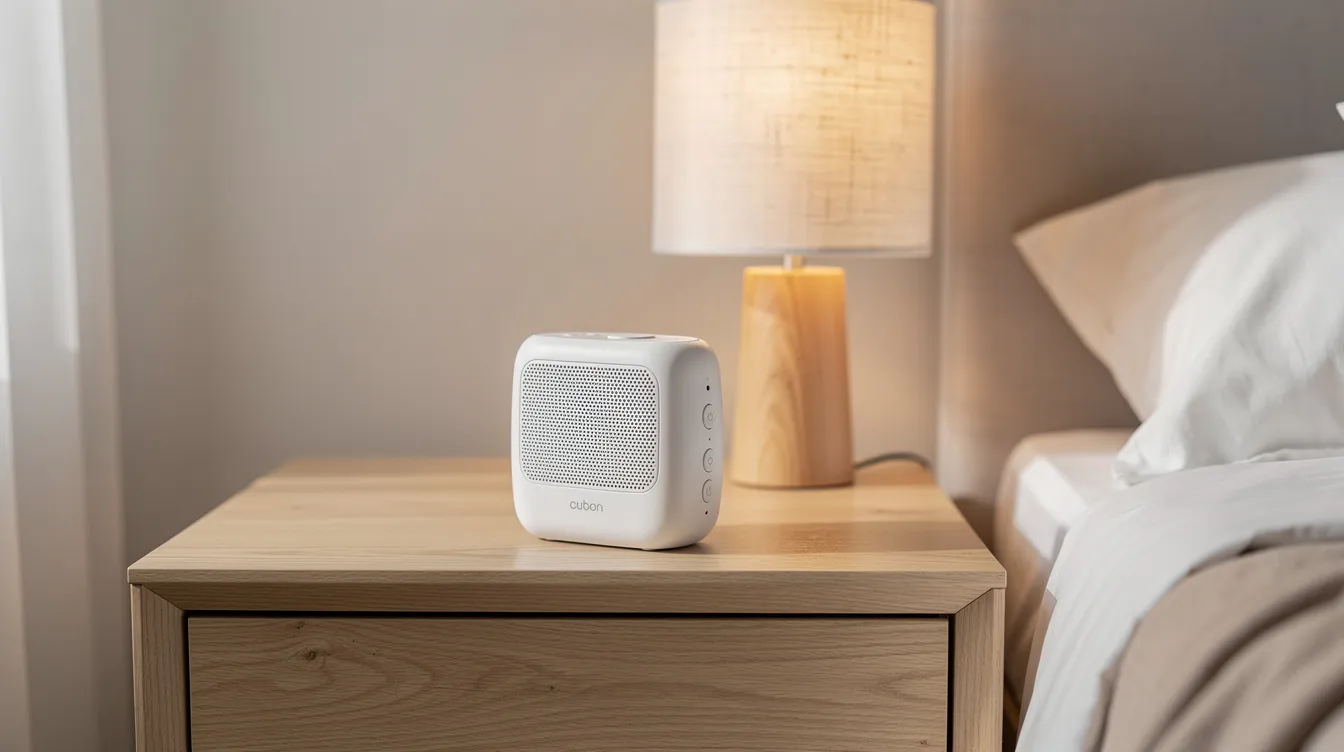
Sound machine features to prioritize:
- True spectral fidelity (verified pink, brown, white options)
- Physical volume dial for precise control
- Built-in sleep timers (30, 60, 90 minutes)
- No looping artifacts in playback
Sleep headphone comparison:
| Type | Comfort | Sound Quality | Sleep Position |
|---|---|---|---|
| Soft earbuds | High | Moderate | Side sleepers OK |
| Headband speakers | High | Lower | All positions |
| Over-ear | Low | High | Back sleepers only |
App features to look for:
- Offline waveform playback (no internet dependency)
- Mixer controls for layering sounds
- Precise timer settings
- Multiple noise colors available
Pair your sound machine or app with a comfortable temperature in your bedroom for the best results. Environment matters alongside acoustics.
Troubleshooting: When Noise Makes Sleep Worse
Not everyone responds positively to sleep sounds. A 2023 study in Sleep journal found that pink noise reduced REM sleep by nearly 19 minutes in some participants—potentially affecting memory consolidation and emotional processing.
Stop immediately if:
- Awakenings increase by more than 20%
- You feel less rested after a week of use
- Morning grogginess worsens
Adjust if:
- You experience mild tinnitus (pink and white noise can help mask this—try lowering volume first)
- The sound feels irritating rather than promoting relaxation
Seek help if:
- Insomnia persists beyond two weeks of testing
- You rely on noise to sleep but still wake exhausted
- Sleep quality continues declining despite adjustments
Consider CBT-I (Cognitive Behavioral Therapy for Insomnia) with a sleep specialist. Noise aids help 60-80% of users, but chronic cases may need different interventions. Even a constant hum won’t fix underlying sleep disorders.
Final Summary: Find The Best Noise Color For Your Sleep
Finding your best for sleep color comes down to personal preference and systematic testing—not viral trends or assumptions.
Key takeaways:
- Pink noise has the strongest research backing for deep sleep and falling asleep faster
- Brown noise suits those craving lower frequency sounds and immersive rumbles
- White noise excels at masking disruptive sounds like a steady hum
- Keep volume at 45-50 dB with timers to prevent hearing damage
- Test one variable at a time across 7 nights for reliable results
These sleep sounds can help you sleep better and achieve a better night’s sleep—but only if matched to your unique needs. To reduce stress around sleep, remember that experimentation is expected.
Start tonight: Pick one color, set your timer to 45 minutes at 45 dB, and track how you feel tomorrow morning. After a week, you’ll know exactly which sound waves help your brain settle into restful, restorative sleep. Your brain—and your sleep partner—will thank you.