
If you’re lying awake at 3 AM wondering why sleep has suddenly become so elusive, you’re not alone. This guide targets perimenopausal women aged 40-55 experiencing sleep disruptions, along with healthcare providers and family members seeking evidence-based answers. We’ll walk through the causes, diagnostic steps, and practical solutions grounded in recent clinical research.
Perimenopause sleep problems can significantly affect various aspects of a woman’s life, making it harder to manage daily responsibilities and impacting overall well-being.
Overview: Perimenopause, Menopausal Transition, and Perimenopausal Women
Perimenopause represents the transitional phase leading to menopause, typically beginning in the mid-40s and lasting 4-8 years. During this menopausal transition, menstrual periods become irregular as hormone levels fluctuate dramatically. These hormonal fluctuations, particularly changes in estrogen and progesterone, can significantly impact sleep quality.
Research shows that 47% of perimenopausal women globally experience sleep disorders. U.S. studies paint an even starker picture: 56% of perimenopausal women sleep less than 7 hours nightly, compared to 32.5% of premenopausal women. The SWAN study tracking 3,045 women found that trouble sleeping increases 1.3-1.6 times during this life stage.
How Estrogen and Progesterone Affect Sleep

Perimenopause sleep problems – overview: perimenopause, menopausal transition, and perimenopausal women
Fluctuating hormones create a perfect storm for disrupted sleep. When estrogen levels drop, they impair serotonin and GABA signaling in the brain, reducing slow-wave sleep and increasing the time you spend awake after initially falling asleep.
Progesterone loss compounds the problem. This hormone has natural sedative effects through its influence on GABA-A receptors. As progesterone levels decline, many women experience prolonged sleep latency and more frequent arousals throughout the night.
These hormonal changes also desynchronize your circadian rhythm, disrupting melatonin onset and core body temperature patterns. The result? Studies show 20-30% reductions in total sleep time and elevated cortisol (the stress hormone) that perpetuates wakefulness.
Common Sleep Disorders During Perimenopause
Several distinct sleep symptoms emerge during perimenopause:
| Condition | Prevalence | Key Feature |
|---|---|---|
| Insomnia | 41.7% | Difficulty falling asleep or staying asleep |
| Obstructive sleep apnea | 20-47% | Often presents as fatigue, not snoring |
| Restless legs syndrome | 30-50% of sleep complaints | Uncomfortable sensations requiring movement |
| Vasomotor symptoms | 60-80% | Hot flashes and night sweats |
Insomnia, defined clinically as difficulty initiating or maintaining sleep for at least three nights weekly over three months, affects a significant portion of perimenopausal women. Sleep apnea prevalence surges in midlife women but often goes undiagnosed due to atypical symptoms. Many women with obstructive sleep apnea present with poor sleep and daytime fatigue rather than classic snoring. Postmenopausal women are at increased risk for sleep disorders such as sleep apnea and insomnia due to ongoing hormonal changes.
Hot Flashes, Night Sweats, and Nighttime Awakenings
When hot flashes happen at night, they trigger rapid core body temperature elevations of 1-2°C. This happens because estrogen withdrawal impairs your body’s normal temperature regulation, causing 75% of nighttime hot flashes to coincide with awakenings.
Night sweats can drench bedding and prolong wake time by 30-60 minutes per episode. Menopausal hot flashes often reduce sleep efficiency below 80%, leaving you exhausted by morning.
Acute cooling strategies can help:
- Keep bedroom temperature at 18-20°C (64-68°F)
- Use gel cooling pads or pre-chilled pillows
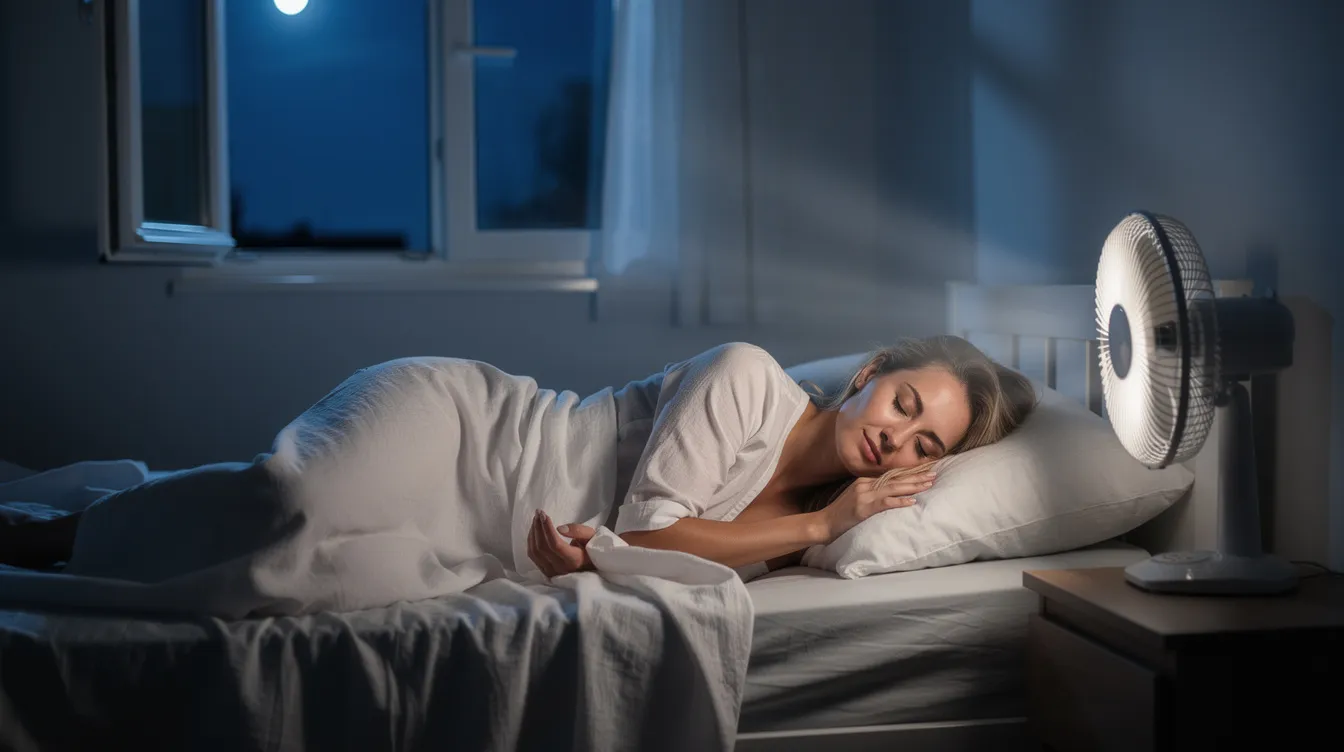
- Position a fan for immediate airflow
- Keep cool cloths by the bedside
These approaches can cut nighttime hot flashes severity by 40-60% and reduce awakenings by 25-50%.
Risk Factors That Can Worsen Sleep

Perimenopause sleep problems – common sleep disorders during perimenopause
Several factors amplify sleep issues during perimenopause:
- Depression affects 30-50% of women with sleep problems, creating a bidirectional relationship
- Anxiety heightens hyperarousal, making it harder to stay asleep
- Obesity (BMI>30) triples the risk of sleep apnea
- Smoking doubles insomnia odds through nicotine’s stimulant effects
- Alcohol fragments sleep despite initial drowsiness, increasing wake time by 20%
- Shift work disrupts circadian alignment, elevating other sleep disorders risk 1.5-2x
Women juggling career demands, aging parents, and hormonal shifts face compounded challenges. When multiple risk factors combine, sleep disorder prevalence can reach 70-80%.
Diagnosis and When To Seek Help
Start by keeping a sleep diary for two weeks. Track:
- Time to bed and wake time
- How long it takes you to fall asleep
- Number of awakenings
- Hot flash/night sweat occurrences (rate 1-10)
- Caffeine and alcohol intake
- Daytime function
Schedule a primary care or sleep specialist visit if your diary shows less than 6 hours of sleep consistently or significant daytime impairment. For suspected sleep apnea, request an overnight sleep study (polysomnography), which can capture breathing events your body experiences while you sleep.
Treatments: Hormone Therapy and Medications

Perimenopause sleep problems – diagnosis and when to seek help
Hormone therapy, particularly low-dose transdermal estradiol with micronized progesterone, alleviates menopausal symptoms including hot flashes by 70-90%. This can improve sleep quality significantly and reduce nighttime awakenings.
However, systemic hormone therapy carries risks:
- 1.2-1.5x increased risk of venous thromboembolism in the first year
- Elevated breast cancer risk (1.25 relative risk after 5+ years)
- Slightly increased stroke risk (1.3x)
Transdermal routes and use under 5 years in women under 60 mitigate these risks.
Non hormonal medications offer alternatives:
- Selective serotonin reuptake inhibitors like paroxetine (50-60% hot flash reduction)
- Fezolinetant (60% efficacy)
- Gabapentin (40-50% reduction)
- Oxybutynin
Always discuss medication choices with a healthcare professional, especially if you have a history of breast cancer or heart disease.
Behavioral Treatments and Cognitive Behavioral Therapy
Cognitive behavioral therapy for insomnia (CBT-I) is the gold standard, achieving 70-80% response rates sustained at 12 months. Unlike medications, benefits persist long-term.
Key components include:
Stimulus control: Associate bed only with sleep. If you can’t sleep after 15-20 minutes, get up. Remove clocks and screens from view.
Sleep restriction: Limit time spent in bed to actual sleep time (for example, 5 hours if that’s your current efficiency), then gradually expand as efficiency improves to 90%.
Fixed sleep-wake schedule: Maintain a consistent sleep schedule—same bedtime and wake time daily—to anchor circadian rhythms.
Relaxation exercises: Progressive muscle relaxation or 4-7-8 breathing before bed can cut the time spent falling asleep by 20-30 minutes.
Treating Sleep Apnea in Perimenopausal Women
When sleep apnea is suspected based on diary findings, elevated Epworth Sleepiness Scale scores (>10), or witnessed breathing pauses, request referral for polysomnography.
Note that many women present with atypical symptoms—insomnia and fatigue rather than loud snoring. An associate professor or sleep specialist familiar with female presentations can help avoid misdiagnosis. The National Center for Sleep Disorders Research notes that 47% of midlife women with sleep apnea remain undiagnosed.
For confirmed obstructive sleep apnea, CPAP therapy titrated to reduce breathing events can restore sleep efficiency to 85-90%. Weight management serves as adjunct therapy—losing 10% of body weight can halve apnea severity.
Lifestyle and Home Remedies for a Good Night’s Sleep
Simple lifestyle changes can dramatically affect sleep:
- Cool the bedroom to 16-19°C, cutting hot flash-related awakenings by 30-50%
- Choose breathable bedding—bamboo or cotton sheets and moisture-wicking sleepwear
- Limit caffeine after noon; its half-life can interfere with sleep well into the night
- Avoid alcohol near bedtime despite its initial sedative effect
- Regular exercise—light aerobic activity 3-4 hours before bed enhances slow-wave sleep by 20%
Implementing these lifestyle changes can help women achieve a good night’s sleep during perimenopause.

Mental Health, Cognition, and How Mood Can Affect Sleep
Mood swings and anxiety during perimenopause create a 40% overlap with sleep problems. Screen for depression and anxiety using validated tools like PHQ-9 and GAD-7.
If scores exceed 10, seek treatment referral. Treating underlying mood disorders with SSRIs or therapy can yield 50-70% improvement in sleep. For cognitive fog or memory concerns affecting 30% of perimenopausal women, request evaluation with tools like MoCA, as these symptoms often link to sleep fragmentation rather than direct menopause effects. Consider also checking for thyroid issues.
Patient Education, Decision Aids, and Tools for Better Sleep
Practical tools support your journey to quality sleep:
- Sleep diary template: Download and track for two weeks before appointments
- Hormone therapy decision aid: Weigh benefits (VMS relief) against risks (0.3-1% absolute VTE risk) using shared decision tools referenced by the North American Menopause Society
- Night sweat management handout: Detail fan positioning, hydration strategies, and trigger avoidance
- Follow-up timeline: Reassess treatment at 4-6 weeks, then every 3-6 months for titration
FAQ Topics To Address
When do perimenopausal sleep problems typically begin? Sleep disturbances typically emerge in early perimenopause (ages 42-47) and escalate in late perimenopause (47-51) as vasomotor symptoms peak.
Does hormone therapy improve sleep quality? Yes, hormone therapy can improve sleep by 20-40% primarily through hot flash control. For many women, hormone therapy can help restore a restful night’s sleep, especially when started before age 60. Short-term use is considered safer.
Are over-the-counter sleep aids safe? OTC options like diphenhydramine carry risks including tolerance, falls (1.5x higher risk), and potential cognitive decline. Limit to occasional use only.
Do natural remedies work for night sweats and hot flashes? Natural remedies like black cohosh show 25-50% hot flash relief in some meta-analyses, though results are inconsistent compared to placebo. Sage tea and cooling herbs may serve as adjunctive approaches but shouldn’t replace proven treatments.
Moving Toward Sweet Dreams
Understanding why perimenopause sleep problems occur is your first step toward reclaiming a good night’s sleep. Start with a sleep diary tonight, have that conversation with your doctor about what’s happening in your woman’s life, and implement one lifestyle change this week. Better sleep during this transition is absolutely achievable.