
Ever wonder why staying awake past midnight makes your eyelids feel like they weigh ten pounds? The answer lies in a molecule called adenosine—a byproduct of cellular metabolism that steadily accumulates in your brain the longer you remain awake.
Adenosine sleep pressure represents one of the most fundamental mechanisms governing when you feel tired and when you feel alert. This article breaks down the homeostatic process behind sleep drive, explains how adenosine interacts with circadian rhythms, explores why caffeine keeps you awake, and provides practical strategies for managing your sleep pressure.
Sleep Pressure and the Homeostatic Process
Sleep regulation follows a two-process model. Process S represents the homeostatic process—a growing sleep debt that accumulates during waking hours. Process C handles circadian timing, dictating when your body expects to sleep based on biological rhythms.
The core principle is straightforward: the longer you stay awake, the more adenosine builds in your brain, and the stronger your drive to sleep becomes. Adenosine acts as a biological currency, quantifying exactly how long you’ve been conscious.
When you finally sleep, adenosine is recycled and cleared from the brain. Research shows that a single night of 14 hours recovery sleep can restore adenosine receptor availability to baseline levels. This explains why you feel refreshed after adequate rest—your sleep pressure has been discharged.
Cellular Mechanisms Behind Sleep Drive
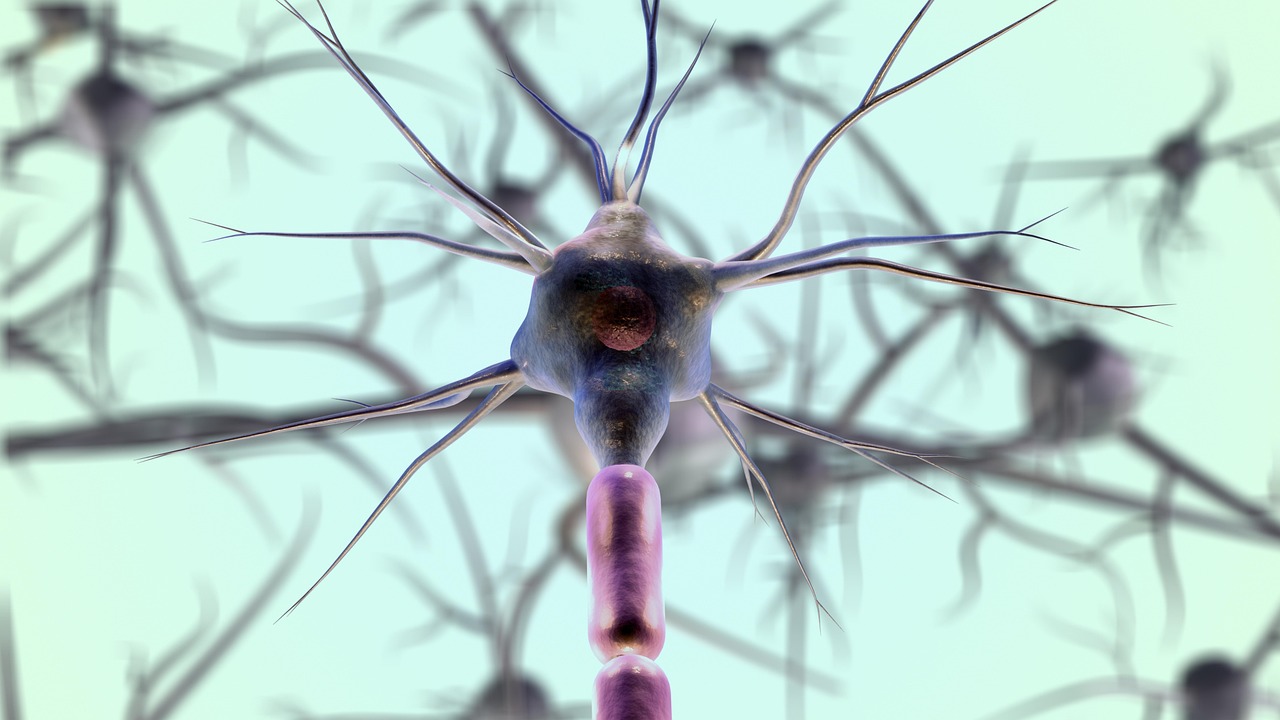
Adenosine emerges from the breakdown of adenosine triphosphate (ATP), your cells’ primary energy source. As neurons fire throughout the day, they consume ATP, releasing adenosine as a metabolic byproduct. ATP regeneration requires oxygen for mitochondrial enzymatic reactions, highlighting the importance of oxygen in cellular energy metabolism.
This adenosine acts by acting through two primary receptor types:
| Receptor | Primary Actions |
|---|---|
| A1 receptors | Inhibit wake-promoting neurons, suppress cholinergic arousal systems |
| A2A receptors | Inhibit histaminergic neurons, excite sleep-active neurons in VLPO |
When adenosine binds to these adenosine receptors, it triggers inhibition of wake-promoting brain regions. The basal forebrain plays a critical role here—adenosine released in this area suppresses neural activity and increases sleep pressure through A1 receptor activation.
The signal translates directly to measurable changes. Slow-wave activity on EEG increases as sleep loss is prolonged, serving as a reliable marker of accumulated sleep pressure. Adenosine deaminase and adenosine kinase regulate how quickly adenosine is metabolized and cleared, influencing how rapidly sleep pressure rises and falls.
How Adenosine Interacts With Circadian Rhythms

Adenosine sleep pressure – sleep pressure and the homeostatic process
Circadian rhythms govern your 24-hour sleep-wake cycle through an internal clock located in the suprachiasmatic nucleus (SCN). This clock responds to light and sunlight cues to synchronize your sleep phase with the external environment.
Here’s where adenosine’s effect becomes interesting: sleep deprivation reduces your circadian clock’s ability to respond to light. The mechanism involves adenosine blocking glutamate release from the retino-hypothalamic tract, dampening the photic signal that normally resets your clock.
This interaction has practical implications:
- Extended wakefulness increases adenosine in the SCN
- Higher adenosine reduces circadian light responsiveness
- Your body becomes less able to entrain to normal light-dark cycles
Melatonin, released in the evening as light decreases, works alongside but separately from adenosine. While melatonin signals circadian night, adenosine signals accumulated wake time. Together, they create the familiar sleepiness you feel at bedtime.
Caffeine and Other Modifiers of Sleep Drive
Caffeine works by blocking adenosine receptors. It doesn’t reduce adenosine levels—it simply prevents adenosine from binding to and activating its receptors. The result? You feel alert even though adenosine has accumulated in your brain.
This explains caffeine’s limitations. The adenosine is still there, waiting. Once caffeine clears your system, the accumulated adenosine floods receptors, often causing a “crash.”
Tolerance development occurs through receptor upregulation. Chronic caffeine use triggers your brain to produce more adenosine receptors, reducing caffeine’s effectiveness over time. Regular coffee drinkers often need progressively higher doses to achieve the same alertness.
Theophylline, found in tea, operates as another xanthine compound with similar adenosine-blocking properties, though its short half life and different receptor binding profile produce distinct effects.
Timing matters more than amount. Consuming caffeine within six hours of bedtime can delay sleep onset even if you feel tired.

Body Temperature, Adenosine, and Sleep

Adenosine sleep pressure – caffeine and other modifiers of sleep drive
Your body temperature follows a circadian pattern, dropping in the evening and reaching its lowest point during the night. This core temperature decline facilitates sleep onset and supports deep sleep maintenance.
Adenosine appears connected to thermoregulatory changes, though the mechanisms remain under investigation. Some evidence suggests adenosine signaling influences blood vessels through vasodilation, potentially affecting heat dissipation.
The vasodilator properties of adenosine in peripheral circulation may contribute to the relaxation and warmth in extremities that precedes sleep. This cardiovascular effects connection—where adenosine influences heart rate and blood pressure—links sleep physiology to broader circulatory function.
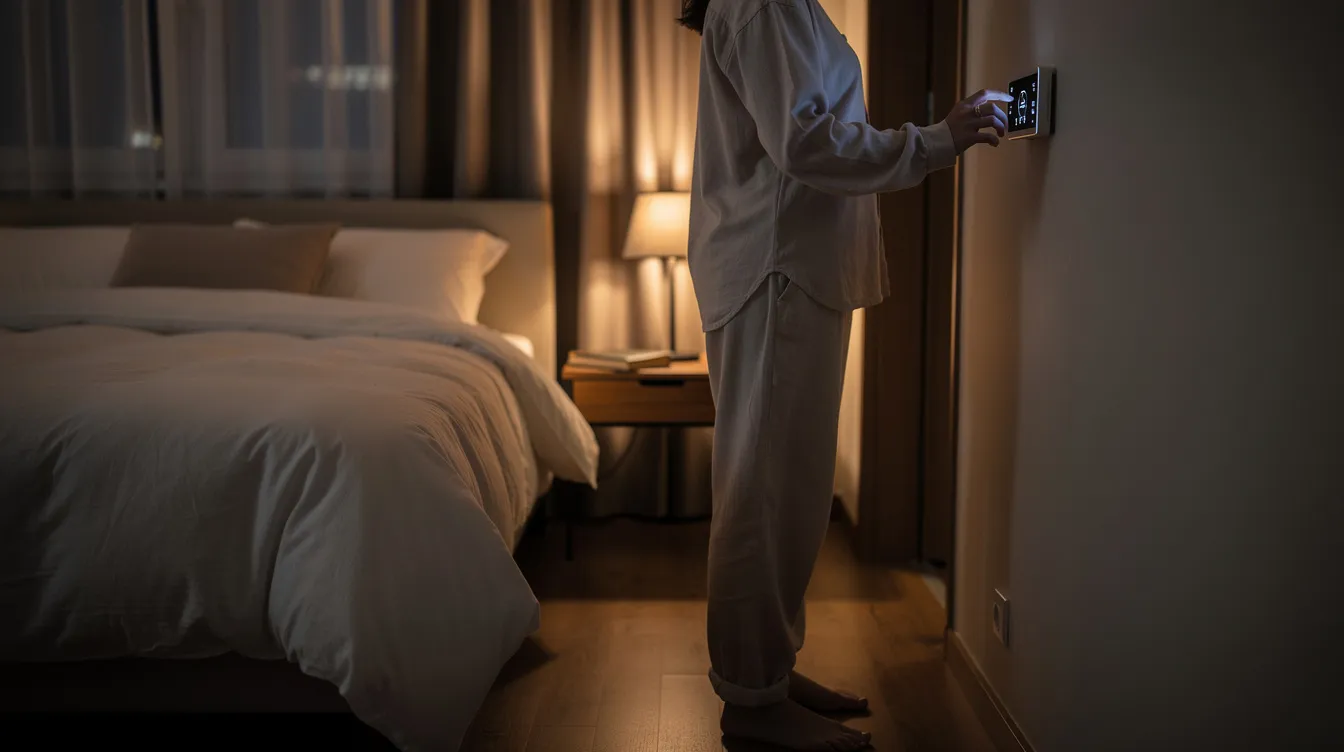
Bedroom temperature strategies:
- Keep room temperature between 65-68°F (18-20°C)
- Allow hands and feet to remain uncovered to promote heat loss
- Avoid heavy blankets that trap body heat
Clinical Relevance: Disorders and Therapeutic Notes
Altered adenosine signaling has been implicated in several sleep disorders. Restless legs syndrome and certain insomnia phenotypes may involve dysfunction in adenosine receptor expression or sensitivity.
Patients with chronic sleep difficulties sometimes show abnormal homeostatic responses—either failing to accumulate adequate sleep pressure or experiencing excessive sleepiness despite sufficient rest. These patterns suggest potential targets for future therapeutics.
Why isn’t adenosine a practical sleep supplement?
Adenosine administration faces significant challenges:
- Poor blood-brain barrier penetration
- Rapid metabolism and short half life
- Non-specific effects on cardiovascular and respiratory systems
- Potential for hypotension and AV node conduction changes
Adenosine is not typically included in sleep medications or supplements; instead, its clinical use is focused on diagnosing and treating certain heart conditions.
In cardiology, adenosine serves a different purpose entirely. The drug is administered during diagnostic stress tests, where its effects on the AV node help diagnose certain cardiac conditions. This medicine application leverages adenosine’s cardiovascular effects rather than its sleep-promoting properties.
The contrast highlights an important point: adenosine affects multiple body systems beyond the brain, including immune function, urinary systems, and circulation, making targeted sleep applications difficult. Adenosine is metabolized via deamination to form uric acid, which is a relevant metabolic end product and has clinical implications such as gout or hyperuricemia.
Practical Guidance To Manage Sleep Drive

Adenosine sleep pressure – clinical relevance: disorders and therapeutic notes
Managing your sleep drive comes down to working with adenosine rather than against it.
Limit caffeine strategically
Stop caffeine consumption at least six hours before your planned bedtime. If you have difficulty falling asleep, extend this window to eight hours. Remember that caffeine remains in your system longer than the initial alertness suggests.
Fix your wake time
A consistent morning wake time strengthens circadian rhythms and helps regulate adenosine accumulation patterns. Vary your wake time by no more than 30-60 minutes, even on weekends.
Use naps wisely
Short naps (15-20 minutes) can reduce excessive sleep pressure without entering deep sleep. Longer naps may discharge too much adenosine, making it harder to fall asleep at night.
Optimize your sleep environment
- Cool room temperature supports natural thermoregulation
- Darkness promotes melatonin release
- Minimal stress and cortisol activation before bed
Consider exercise timing
Physical activity increases adenosine accumulation through elevated metabolism. Exercise earlier in the day to boost evening sleepiness without over-stimulating close to bedtime.
Research Directions and Open Questions
Several gaps remain in our understanding of adenosine and sleep:
Circadian entrainment specificity: While adenosine clearly affects light responsiveness during sleep deprivation, its role in normal circadian entrainment remains unclear. Research distinguishing these conditions could lead to better treatments for circadian disorders and depression-related sleep disturbances.
Region-specific adenosine function: Different brain regions and cell types show distinct adenosine dynamics. Emerging research on glutamatergic versus cholinergic neuron involvement may reveal new therapeutic targets.
Human clinical trials: While receptor agonists and antagonists show promise in animal models, studies in humans are needed to validate these findings. Human trials examining adenosine modulation for sleep disorders remain limited. Priorities include identifying which conditions would benefit most and developing targeted delivery strategies.
The complexity of adenosine’s effects—spanning cognition, cardiovascular function, and immune regulation—means that safe therapeutics require sophisticated targeting approaches.
References and Further Reading
Key resources for deeper exploration:
- Journal of Sleep Research: Reviews on adenosine receptor subtypes and sleep homeostasis
- Sleep Medicine Reviews: Two-process model frameworks and clinical applications
- Primary studies on basal forebrain adenosine dynamics during sleep-wake transitions
- Clinician resources on sleep physiology from the American Academy of Sleep Medicine
For those experiencing persistent sleepiness or insomnia, consulting a sleep medicine specialist can help diagnose underlying issues and form appropriate treatment strategies.
Understanding how adenosine creates sleep pressure gives you a framework for making better decisions about caffeine, wake timing, and sleep environment. Start by tracking when you consume caffeine and how easily you fall asleep—the patterns may reveal simple changes that lead to better rest.