
Every night, your body cycles through distinct sleep stages that serve different purposes for your physical and mental health. Understanding the difference between deep sleep and REM sleep isn’t just academic—it’s the foundation for actually getting quality sleep that leaves you feeling rested.
Most people know they need seven to nine hours of sleep, but few understand what happens during those hours. Your brain waves slow, your immune system repairs damage, memories consolidate, and emotions process. The problem is that not all sleep is created equal, and many people aren’t getting enough deep sleep or enough REM sleep to reap these benefits.
Getting enough sleep overall is crucial for maintaining healthy sleep cycles, including both deep sleep and REM sleep, and for supporting overall health and cognitive function.
In this guide, you’ll learn exactly how these sleep stages differ, how much of each you need, and practical strategies to improve both.
NREM Sleep, Light Sleep, Deep Sleep, And REM Overview
Sleep architecture divides into two main categories: non REM sleep (NREM) and rapid eye movement sleep (REM). Your body cycles through these stages approximately every 90 minutes, completing 3 to 5 full sleep cycles per night. Understanding sleep res—how sleep architecture and physiological regulation work together—is essential for maintaining healthy sleep patterns and overall sleep quality.
NREM Sleep encompasses three stages that progressively deepen. It’s sometimes called quiet sleep because brain activity and physiological functions gradually slow down as you move through each stage.
Light Sleep (Stages 1 and 2) represents the transitional phases. Stage 1 is brief—the moment you’re falling asleep when muscles begin to relax. Stage 2 is where you spend about 45-50% of total sleep time, featuring sleep spindles and K-complexes that help organize memories and protect against awakenings.
Deep Sleep (Stage 3) is the deepest non REM sleep stage, also known as slow wave sleep. This is where your brain waves slow dramatically to delta waves oscillating at 0.5 to 4 Hz. Your heart rate drops 20-30% from your waking baseline, and your respiratory rate slows by up to 15%.
REM Sleep is often called active sleep or paradoxical sleep because your brain activity resembles wakefulness while your body remains immobile through temporary paralysis signals to the central nervous system. This stage of sleep features rapid eye movement, vivid dreams, and increased heart rate.
Deep Sleep vs REM Sleep: Key Differences

Deep sleep vs rem sleep – nrem sleep, light sleep, deep sleep, and rem overview
Understanding deep sleep vs rem sleep requires examining three key areas: brain activity, physiological function, and timing throughout the night.
Brain Activity Comparison
| Aspect | Deep Sleep | REM Sleep |
|---|---|---|
| Brain Waves | Synchronized delta waves (0.5-4 Hz) | Desynchronized, wake-like patterns |
| Brain Region | Frontal lobe dominance | Similar to waking activity |
| Function | Neural resonance for waste clearance | Cognitive processing |
During deep sleep, your brain waves slow dramatically, creating synchronized neural resonance. This slow wave activity aids lymphatic clearance of beta-amyloid plaques—proteins linked to Alzheimer’s disease and long-term brain health.
During rapid eye movement rem sleep, brain activity becomes desynchronized and resembles wakefulness, despite muscle tone being nearly absent throughout your body.
Physical Restoration: Deep Sleep’s Domain
The deep sleep stage is when your body handles the heavy lifting of physical restoration:
- Tissue and muscle repair occurs primarily here
- 95% of growth hormone is released during this stage
- Immune function strengthens through immune system reinforcement
- Energy stores replenish for the next day’s waking hours
This is why insufficient sleep—particularly missing deep sleep—leaves you physically fatigued with weakened immunity and impaired recovery.
Cognitive and Emotional Restoration: REM’s Territory
Rapid eye movement sleep handles your brain’s maintenance:
- Memory consolidation converts short-term memories to long-term storage
- Learning and creativity processing occurs during dream states
- Emotional regulation happens through dream processing
- Social-emotional memories receive special attention
REM sleep loss affects more than just feeling rested. It impacts mood, learning capacity, and emotional stability. Research in sleep medicine reviews consistently links inadequate REM to mood disorders and cognitive deficits.
Timing Across the Night
Deep sleep dominates the first half of the night, with episodes lasting 45-90 minutes initially but shortening in later cycles. You typically enter deep sleep 30-60 minutes after falling asleep.
REM sleep builds in later cycles. You enter REM sleep about 90 minutes after sleep onset, with initial periods lasting just 10 minutes. These periods progressively lengthen toward morning, potentially reaching up to an hour in the rem stage of your final cycle.
This timing explains why cutting sleep short affects REM disproportionately—you’re sacrificing the longest REM periods.
Duration Percentages for Adults
| Sleep Stage | Percentage of Total Sleep | Hours (7-9 hour night) |
|---|---|---|
| Stage 1 (Light) | Minimal | Minutes |
| Stage 2 (Light) | 45-50% | 3-4.5 hours |
| Stage 3 (Deep) | 13-25% | 1-2 hours |
| REM | 20-25% | 1.5-2 hours |
How Much REM Sleep Do You Need
Adult REM sleep targets stand at 20-25% of total sleep, translating to roughly 1.5 to 2 hours when you get seven to nine hours of sleep nightly. This amount of sleep in REM ensures adequate time in rem sleep for cognitive restoration.
How REM needs change with age:
REM duration decreases as you get older. Infants spend up to 50% of sleep in REM—critical for brain development—while older adults experience shorter REM periods and less overall REM time.
When to seek medical evaluation:
Consult a sleep medicine specialist if you notice:
- Persistent low REM (linked to mood disorders and mental health concerns)
- Excessive REM rebound after sleep deprivation under 7 hours nightly
- Symptoms of REM sleep behavior disorder where muscle paralysis fails during REM
- Daytime sleepiness despite adequate total sleep time
Much rem sleep or too little can both signal an underlying sleep disorder requiring professional evaluation.
How Much Deep Sleep Do You Need
Adults need 13-23% of total sleep as deep sleep, or approximately 1-2 hours nightly. Infants and children require higher percentages, while deep sleep naturally declines with age.
Consequences of too little deep sleep:
- Physical fatigue and reduced athletic recovery
- Weakened immune system and more frequent illness
- Impaired cognitive function and brain function deficits
- Non-restorative sleep leaving you disoriented upon waking (sleep inertia)
- Difficulty feeling rested despite adequate hours in bed
Track deep sleep with wearables:
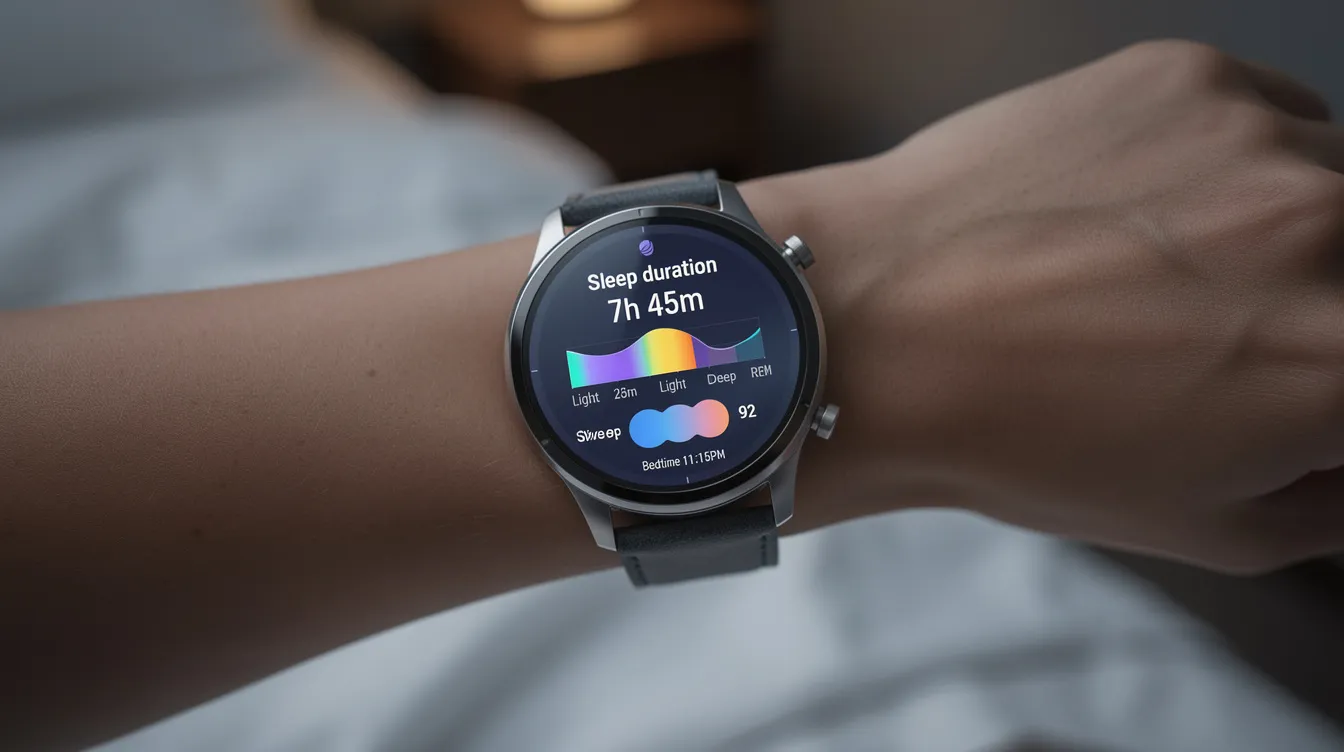
Modern sleep trackers monitor delta waves, heart rate variability, and respiratory patterns to estimate deep sleep percentages. Devices like WHOOP can quantify your deep sleep accurately over time, helping you identify whether you’re getting enough deep sleep.
Note that wearable accuracy runs 70-80% compared to polysomnography (lab studies), so use them for trend identification rather than absolute precision.
Fall Asleep Faster: Bedtime Routine And Consistent Sleep Schedule
A consistent sleep schedule is the foundation of healthy sleep patterns. Irregular bedtimes disrupt your circadian rhythm and make it harder to enter the deeper sleep stages efficiently.
Maintaining a regular sleep schedule:
- Go to bed and wake up at the same time daily, including weekends
- Align your schedule with natural circadian rhythm patterns
- Allow your sleep wake cycle to stabilize over 2-3 weeks
Building a simple bedtime routine:
A 30-60 minute wind-down period before bed signals melatonin release and prepares your body for sleep. Consider including:
- Dimming household lights
- Reading physical books (not screens)
- Gentle stretching or yoga
- Warm bath or shower
- Progressive muscle relaxation
These healthy sleep habits create consistent cues that tell your body sleep is approaching, reducing difficulty falling asleep and trouble sleeping issues.

Limit Blue Light Exposure
Blue light exposure is one of the most significant modern barriers to a good night’s sleep. Screens suppress melatonin production by up to 23%, even after dimming, disrupting your ability to enter REM and deep sleep normally.
Recommendations:
- Stop screen use at least one hour before bed
- If screens are unavoidable, use blue light blocking glasses (amber-tinted filtering 90-99% of blue wavelengths in the 440-500nm range)
- Enable night mode on devices as a secondary measure
- Keep phones and tablets out of the bedroom entirely
This single change often resolves sleep problems for people struggling with restorative sleep and can prevent circadian rhythm disorders from developing.
When You Get Much REM Sleep Or Not Enough REM Sleep

Deep sleep vs rem sleep – fall asleep faster: bedtime routine and consistent sleep schedule
REM abnormalities—either too much or too little—can indicate sleep disorders or lifestyle factors requiring attention.
Common causes of excess REM sleep:
- REM rebound following sleep deprivation or missed sleep
- Acute stress triggering more frequent, deeper REM cycles
- Drug or medication withdrawal
- Body cycles attempting to restore balance after insufficient sleep
During REM rebound, cycles become more frequent, deeper, and more intense. You may experience unusually vivid or disturbing dreams.
Common causes of low REM sleep:
| Factor | Impact on REM |
|---|---|
| Alcohol | Suppresses REM by 20-50% |
| Caffeine | Blocks adenosine, disrupting sleep architecture |
| Antidepressants | Many medications reduce REM duration |
| Sleep apnea | Obstructive sleep apnea worsens in REM due to muscle atonia |
| Aging | Natural decline in REM percentage |
| Periodic limb movement disorder | Disrupts sleep continuity |
Lifestyle steps to normalize REM duration:
- Maintain 7-9 hours of consistent sleep nightly
- Practice stress reduction through mindfulness or meditation
- Avoid evening stimulants (caffeine, nicotine)
- Address any traumatic brain injury effects with medical support
- Treat underlying conditions affecting sleep
When to get a sleep study:
If abnormal REM persists despite lifestyle changes, polysomnography (monitoring EEG, EOG, EMG) can reveal disorders like narcolepsy, REM sleep behavior disorder, or sleep apnea.
Sleep research using these studies helps identify whether you have an important sleep phase disruption requiring treatment.
Tips To Get More Deep Sleep
Increasing your time in more deep sleep requires targeting the factors that promote slow wave activity and stage 3 entry.
Exercise Earlier in the Day
Regular daytime aerobic exercise increases slow-wave activity by 20-30%. The key is timing:
- Aim for 30-60 minutes of aerobic activity
- Exercise at least 3 hours before bedtime
- Morning or early afternoon sessions work best
- Consistency matters more than intensity
Exercise earlier in the day also helps regulate your circadian rhythm, making it easier to fall asleep at your target bedtime.

Keep Your Bedroom Cool
Temperature significantly affects your ability to reach the deep sleep stage. Optimal bedroom temperature is 60-67°F (15-19°C).
Cool temperatures promote vasoconstriction, which signals your body that it’s time for deeper sleep. Many people keep bedrooms too warm, inadvertently reducing their deep sleep percentage.
Avoid Alcohol Near Bedtime
Despite its sedative effects, alcohol disrupts early deep sleep cycles. You may fall asleep faster but spend less time in restorative stages.
Alcohol creates the illusion of better sleep while actually degrading sleep quality.
If you drink, finish at least 3-4 hours before bed to minimize impact.
Limit Caffeine After Midday
Caffeine’s half-life is 5-6 hours, meaning half the caffeine from your 3 PM coffee is still circulating at 9 PM. This blocks adenosine—the compound that builds sleep pressure throughout the day.
For better sleep do you need to limit caffeine to morning hours only. Switch to decaf or herbal tea after noon.
Practice Relaxation Techniques
Techniques that enhance parasympathetic tone improve stage 3 entry:
- Progressive muscle relaxation: Systematically tense and release muscle groups
- 4-7-8 breathing: Inhale 4 seconds, hold 7, exhale 8
- Body scan meditation: Focus attention slowly through each body part
- Guided imagery: Visualize peaceful, restful scenes
These practices transition your nervous system from fight-or-flight to rest-and-digest mode, preparing you for deeper sleep.
Track Sleep To Improve Deep And REM Sleep

Deep sleep vs rem sleep – tips to get more deep sleep
What gets measured gets improved. Tracking your sleep and rem patterns helps identify what’s working and what needs adjustment.
Key Sleep Metrics to Monitor
| Metric | Target Range | What It Indicates |
|---|---|---|
| Total sleep time | 7-9 hours | Overall sleep duration |
| Deep sleep % | 13-25% | Physical restoration |
| REM % | 20-25% | Cognitive restoration |
| Sleep efficiency | 85-90% | Time asleep vs. time in bed |
| Awakenings | Minimal | Sleep continuity |
| Heart rate (deep sleep) | 40-60 bpm | Physiological restoration |
| Respiratory rate | Stable | Breathing quality |
Track Trends Over Multiple Weeks
Single night data points aren’t meaningful. Track your sleep patterns over 2-4 weeks to identify:
- Consistent deficits in deep or REM sleep
- Patterns correlating with lifestyle factors
- Signs of declining deep sleep (potential overtraining or illness)
- Weekly averages that show true sleep quality
When to Share Data with a Clinician
Bring sleep tracking data to a healthcare provider if you notice:
- Deep sleep consistently below 10% of total sleep
- REM consistently below 15% of total sleep
- Persistent daytime sleepiness despite adequate hours
- Signs of sleep disorders like obstructive sleep apnea symptoms
- Sleep inertia lasting beyond 30 minutes after waking
Wearables provide useful estimates, but clinicians can order comprehensive sleep studies when needed.
Conclusion: Prioritize A Good Night’s Sleep
Deep sleep and REM sleep serve fundamentally different purposes—physical restoration versus cognitive and emotional processing—but both are essential for optimal health. Neither can substitute for the other, and skimping on total sleep shortchanges both.
The path to better sleep starts with a consistent sleep schedule aligned with your natural circadian rhythm. From there, build healthy sleep habits: a calming bedtime routine, cool bedroom, limited blue light, and daytime exercise. Track your progress to see what works for your body cycles.
If sleep problems persist despite these changes, don’t ignore them. Persistent difficulty with sleep quality, feeling rested, or spending adequate time in rem sleep may indicate an underlying sleep disorder requiring professional evaluation.
Start tonight with one change. Your brain function, immune system, and mental health will thank you.