Understanding how melatonin works is essential for anyone looking to optimize their sleep or considering supplements. This hormone produced naturally in your body serves as the master regulator of your internal clock, signaling when it’s time to rest and when to wake.
This guide breaks down the science behind melatonin—from its production in the pineal gland to its effects on your sleep wake cycle. Whether you’re dealing with jet lag, exploring melatonin supplements, or simply curious about your body’s circadian rhythms, you’ll find clinical insights and practical recommendations to make informed decisions.
What you will learn:
- How your pineal gland produces and releases melatonin
- The biochemical pathway that converts amino acids into the sleep hormone
- Effects of melatonin on sleep, body temperature, and brain health
- Evidence-based dosage recommendations and timing strategies
- When to consult healthcare providers about sleep issues
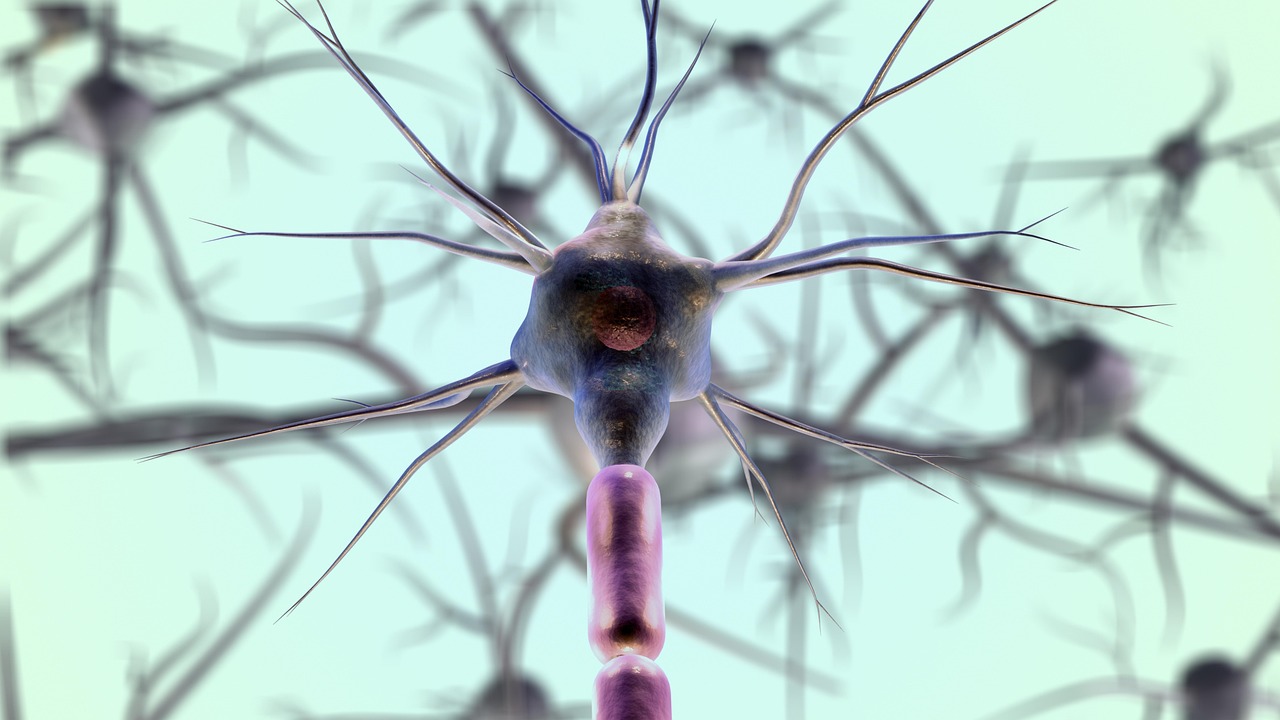
Pineal Gland: Anatomy and Main Function
The pineal gland is a small endocrine organ weighing approximately 0.1 to 0.2 grams—about the size of a grain of rice. Despite its tiny size, this gland plays an outsized role in regulating your sleep patterns and overall health.
Location and Basic Anatomy
Your pineal gland sits deep within the brain at the posterior wall of the third ventricle, nestled between the two hemispheres just above the midbrain. It rests in a groove formed by the thalami, positioned strategically to receive signals about light and darkness.
The gland consists primarily of:
| Component | Function |
|---|---|
| Pinealocytes | Main secretory cells that produce melatonin |
| Glial cells | Support structure and function |
| Blood vessels | Enable rapid hormone release |
| Sympathetic nerve fibers | Relay signals from the brain |
Unlike most brain structures, the pineal gland lacks a blood-brain barrier. This allows melatonin to diffuse rapidly into circulation once produced.
Main Function: Circadian Signaling
The main function of the pineal gland centers on circadian signaling through melatonin secretion. Think of melatonin as a “hormonal messenger of darkness”—it peaks at night to synchronize your body’s circadian rhythm with the external light-dark cycle.
The pineal gland connects to your hypothalamus via sympathetic innervation from the superior cervical ganglion. At night, postganglionic fibers release norepinephrine, which binds to receptors on pinealocytes and triggers melatonin synthesis. This pathway explains why artificial light at night can disrupt your natural melatonin production.
Melatonin Production and Synthesis

How melatonin works – pineal gland: anatomy and main function
Understanding melatonin production requires following the biochemical pathway that transforms a simple amino acid into the hormone melatonin that controls your sleep.
From Tryptophan to Melatonin
Melatonin synthesis begins with L-tryptophan, an essential amino acid you obtain from food. After absorption from the small intestine, tryptophan travels through your bloodstream to the pineal gland.
The production pathway follows these steps:
- Tryptophan hydroxylase (TPH1) converts L-tryptophan to 5-hydroxytryptophan
- Aromatic L-amino acid decarboxylase transforms this into serotonin
- Arylalkylamine N-acetyltransferase (AANAT) acetylates serotonin to N-acetylserotonin
- Acetylserotonin O-methyltransferase (ASMT) adds a methyl group to produce melatonin
The Rate-Limiting Enzyme
AANAT serves as the critical regulatory point in this pathway. At night, norepinephrine-stimulated signaling cascades can increase AANAT activity up to 100-fold compared to daytime levels. This dramatic upregulation explains why your body can produce more melatonin so rapidly when darkness falls.
ASMT, by contrast, maintains steady constitutive activity throughout the day. The pineal gland contains the highest serotonin concentrations in the brain, providing ample substrate for melatonin synthesis when AANAT activates.
Light-Driven Control
Light exposure directly controls when your body will produce melatonin. Here’s how the system works:
- Blue light (~460-480nm) activates melanopsin in specialized retinal ganglion cells
- These cells signal the suprachiasmatic nucleus (SCN) in your hypothalamus
- The SCN inhibits sympathetic outflow to the pineal gland
- AANAT activity drops within minutes, halting melatonin production
This mechanism explains why evening screen time and bright lighting can suppress melatonin levels rise at your usual bedtime.
Extra-Pineal Melatonin Sources
The pineal gland isn’t the only tissue that can release melatonin. Other sources include:
- Enterochromaffin cells in the gut (producing ~400µg daily—the largest source)
- Mitochondria in various cell types
- Skin cells and retina
- Immune cells including lymphocytes
These extra-pineal sources contribute to local paracrine effects rather than systemic circadian signaling.

Melatonin Levels, Circadian Clock, and Sleep-Wake
Your melatonin levels follow a predictable pattern across each 24-hour cycle, directly influencing your sleep wake patterns.
Daytime vs. Nighttime Levels
| Time Period | Plasma Melatonin | Salivary Melatonin |
|---|---|---|
| Daytime | <10 pg/mL | Low |
| 2-3 hours before bedtime | Rising (DLMO) | Rising |
| Peak (2-4 AM) | 80-120 pg/mL | 100-200 pg/mL |
| Early morning | Declining | Declining |
The dim light melatonin onset (DLMO) occurs 2-3 hours before your habitual bedtime and marks when melatonin levels rise significantly. This rhythm persists even in constant darkness, driven by your SCN.
Effect on Sleep-Wake Timing
Endogenous melatonin helps regulate your sleep in several ways:
- Promotes sleep propensity by signaling nighttime
- Lowers core body temperature to facilitate sleep onset
- Feeds back to the SCN to fine-tune circadian timing
When you take exogenous melatonin in the evening, it produces a phase-advancing effect, shifting your sleep wake cycle earlier. Morning doses produce the opposite effect, delaying your rhythm.
Age-Related Patterns
Melatonin production changes dramatically across the lifespan:
- Children: Robust levels with peaks up to 200 pg/mL
- Late teens/puberty: Gradual decline begins
- Age 40: Approximately 50% reduction from childhood peak
- Age 80: 80-90% reduction, contributing to insomnia in older adults
This steady decrease in melatonin production helps explain why many older adults report trouble falling asleep and staying asleep.
When to Test Melatonin Levels
Clinical testing for melatonin is recommended in specific situations:
- Evaluating shift workers with circadian disruption
- Assessing blind individuals for non-24-hour sleep-wake disorder
- Diagnosing delayed sleep phase syndrome
- Investigating unexplained circadian rhythm disorders
The gold standard involves salivary DLMO assay under dim light (<1 lux), sampling every 30 minutes from 6 PM until several hours post-DLMO. Alternatively, overnight urine collection for 6-sulfatoxymelatonin (aMT6s) provides integrated melatonin exposure data.
Effects of Melatonin
The effects of melatonin extend beyond simply making you drowsy. This hormone influences multiple physiological systems with beneficial effects for sleep and potentially broader health outcomes.
Sleep-Related Physiological Effects
Meta-analyses examining melatonin’s impact on primary insomnia reveal:
- Sleep onset latency: Reduced by 4-7 minutes
- Total sleep time: Increased by 13-16 minutes
- Slow-wave sleep: Enhanced efficiency
- REM sleep: Improved patterns
Melatonin helps control these effects primarily through MT1 receptor-mediated GABAergic inhibition in the SCN and brainstem. Unlike sedative medications, melatonin typically doesn’t cause next-day drowsiness at appropriate doses.
Circadian Phase Shifting
Melatonin functions more potently as a chronobiotic (phase-shifting agent) than as a hypnotic (sleep-inducing agent). This distinction matters for clinical applications:
| Goal | Timing | Expected Effect |
|---|---|---|
| Phase advance (earlier sleep) | 5-7 hours before DLMO | Shifts rhythm earlier |
| Phase delay (later sleep) | Morning administration | Shifts rhythm later |
| Hypnotic effect | 30-120 minutes before bed | Fall asleep faster |
Antioxidant and Neuroprotective Effects
Animal and human studies suggest melatonin has antioxidant properties:
- Directly scavenges free radicals (hydroxyl, peroxyl)
- Upregulates superoxide dismutase and glutathione peroxidase
- Activates Nrf2 pathways
Research into neurodegenerative diseases shows potential benefits:
- Reduced amyloid-beta aggregation in Alzheimer’s models
- Decreased tau phosphorylation
- Neuroprotective effects in Parkinson’s disease models
Some researchers have explored potential anti aging properties, though human studies remain limited in this area.
Side Effects and Interactions
Reported side effects at doses under 10mg are generally mild:
- Daytime drowsiness (5-10%)
- Headache (7%)
- Dizziness (5%)
Drug interactions require attention when taking melatonin:
| Medication Class | Interaction |
|---|---|
| Anticoagulants (warfarin) | Potentiated effect |
| Antihypertensives | Enhanced blood pressure lowering |
| Sedatives (benzodiazepines) | Increased sedation |
| CYP1A2 inhibitors (fluvoxamine) | Melatonin levels increase up to 20-fold |
Melatonin is generally contraindicated in autoimmune conditions due to its immune-stimulating properties.
Melatonin and Body Temperature
Melatonin exerts a significant influence on your nocturnal body temperature regulation, which directly impacts sleep initiation.
Temperature Lowering Effect
Within 1-2 hours of melatonin release or supplementation, core body temperature drops by 0.5-1°C. This occurs through:
- Peripheral vasodilation (blood flow shifts to extremities)
- Reduced metabolic heat production
- Peak cooling occurring during nighttime hours
Connection to Sleep Onset
The relationship between temperature and sleep helps explain melatonin’s mechanism:
- The threshold for sleepiness lowers by approximately 0.3°C as core temperature drops
- This temperature decline coincides with rising melatonin
- Warm baths before bed work similarly—raising then rapidly dropping temperature
Understanding this connection explains why melatonin helps regulate not just sleep timing but sleep onset itself.
Clinical Uses: Jet Lag, Sleep Disorders, and Taking Melatonin

How melatonin works – effects of melatonin
Healthcare providers commonly recommend melatonin for specific clinical scenarios where circadian rhythm disruption plays a central role.
Jet Lag
Jet lag represents one of the best-supported uses for melatonin supplements:
- Doses of 0.5-5mg taken in the evening reduce symptoms by approximately 50%
- Superior efficacy for eastward travel (requiring phase advance)
- Treatment should begin on arrival at the destination
- Continue for several days until adjusted to local time
Circadian Rhythm Disorders
For individuals with a sleep disorder involving circadian misalignment, melatonin offers significant benefits:
Delayed Sleep Phase Syndrome:
- Low doses (0.3mg) nightly can advance DLMO by 1-2 hours over weeks
- Timing is critical—take 5-7 hours before desired bedtime
- Often combined with morning bright light therapy
Non-24-Hour Sleep-Wake Disorder in Blind Individuals:
- FDA approved treatment with 0.2mg tasimelteon
- Addresses free-running rhythms affecting 50-70% of totally blind people
- Regular daily dosing entrains circadian rhythm to 24-hour cycle
Short-Term Insomnia
For occasional insomnia in healthy adults:
- Short-term use (1-2 weeks) is generally appropriate
- Most effective for sleep onset rather than sleep maintenance
- Start with low doses (0.5-3mg)
- Take 30-120 minutes before intended bedtime
When to Consult a Clinician
Extra melatonin isn’t always the answer. Seek professional evaluation for:
- Chronic sleep issues lasting more than a few weeks
- Sleep apnea symptoms (snoring, daytime fatigue, observed breathing pauses)
- Psychiatric conditions affecting sleep
- Symptoms suggesting underlying medical conditions
Cognitive behavioral therapy for insomnia (CBT-I) should be prioritized over supplements for chronic issues.

Dosage, Timing, and Safety for Taking Melatonin
Getting the dosage and timing right maximizes benefits while minimizing risks. Many people take higher doses than necessary, which may actually be counterproductive.
Starting Dose Recommendations
| Purpose | Starting Dose | Notes |
|---|---|---|
| Phase shifting | 0.3-1mg | Lower doses often more effective |
| Hypnotic effect | 3-5mg | For sleep induction |
| Jet lag | 0.5-5mg | Evening at destination |
| Children | 0.5-3mg | Under healthcare provider guidance |
The principle of starting low applies here. Higher doses don’t necessarily work better and may cause more side effects.
Timing Strategies
Your timing strategy depends on your goal:
For phase advance (earlier sleep):
- Take 5-7 hours before your usual bedtime
- Example: If bedtime is 11 PM, take at 4-6 PM
For hypnotic/sleep-inducing effect:
- Take 30-120 minutes before intended bedtime
- Use immediate-release formulations for sleep onset
- Consider sustained-release for difficulty staying asleep
Safety Considerations
Short-term safety (<3 months) is well-established with:
- No significant organ toxicity at 10mg/night for years in studies
- Mild side effect profile
- No evidence of dependency
However, exercise caution with:
- Children under 3 years (avoid routine use)
- Pregnancy and breastfeeding (insufficient data)
- Autoimmune diseases (may stimulate immune activity)
- Patients on blood thinners or blood pressure medications
Since the FDA doesn’t regulate supplements the same way as pharmaceuticals, potency can vary 15-25% from labeled amounts in over the counter supplement products. Pharmaceutical-grade formulations offer more reliability.
Cleveland Clinic Guidance and Expert Recommendations
The Cleveland Clinic endorses melatonin as safe for both adults and children at doses of 0.5-5mg when used appropriately.
Key Recommendations
Cleveland Clinic guidance emphasizes:
- Start low: Begin with the lowest effective dose
- Timing matters: Take at consistent times relative to sleep goals
- Avoid in young children: Not recommended for routine use under age 3
- Check interactions: Review current medications with a pharmacist
- Quality concerns: Consider pharmaceutical-grade products over variable OTC options
Expert Consensus
The American Academy of Sleep Medicine limits its strongest endorsement to circadian rhythm disorders rather than primary insomnia. Their position:
- Melatonin is appropriate for jet lag and circadian misalignment
- Sleep hygiene should be addressed first
- CBT-I remains first-line for chronic insomnia
- Short-term use is reasonable for acute situations
Medical Conditions Affecting Pineal Gland and Melatonin

How melatonin works – cleveland clinic guidance and expert recommendations
Several medical conditions can disrupt normal pineal function or melatonin rhythms.
Pineal Tumors and Cysts
Pineal tumors (pinealomas, germinomas) are rare, comprising approximately 1-2% of pediatric brain tumors. Symptoms may include:
- Precocious puberty (early sexual development)
- Parinaud syndrome (eye movement abnormalities)
- Hydrocephalus from aqueduct compression
- Headaches and vision changes
Pineal cysts appear incidentally on 1-4% of brain MRIs and rarely cause symptoms. Most require only monitoring.
Conditions like rabson mendenhall syndrome and hypogonadotropic hypogonadism may also involve pineal or related endocrine dysfunction, though these are extremely rare.
Blindness and Melatonin Rhythms
Approximately 95% of totally blind individuals lack retinohypothalamic input, leading to:
- Free-running melatonin cycles (non-24-hour periods)
- Non-24-hour sleep-wake disorder in 50-70%
- Cyclical insomnia and daytime sleepiness
Treatment with low-dose melatonin (0.2mg) can entrain these rhythms to a normal 24-hour cycle.
When to Evaluate for Underlying Conditions
Consider evaluation for lower melatonin levels or abnormal rhythms in:
- SCN lesions (traumatic brain injury, tumors affecting hypothalamus)
- Alzheimer’s disease (50% reduced melatonin amplitude typical)
- Depression with circadian features
- Chronic migraines
- Spinal cord injuries affecting sympathetic pathways
The reproductive system and adrenal glands may also show secondary effects from severe circadian disruption.
Practical Tips and Patient Counseling
Optimizing your melatonin function involves more than just supplements. Environmental and behavioral strategies support your body’s natural rhythms.
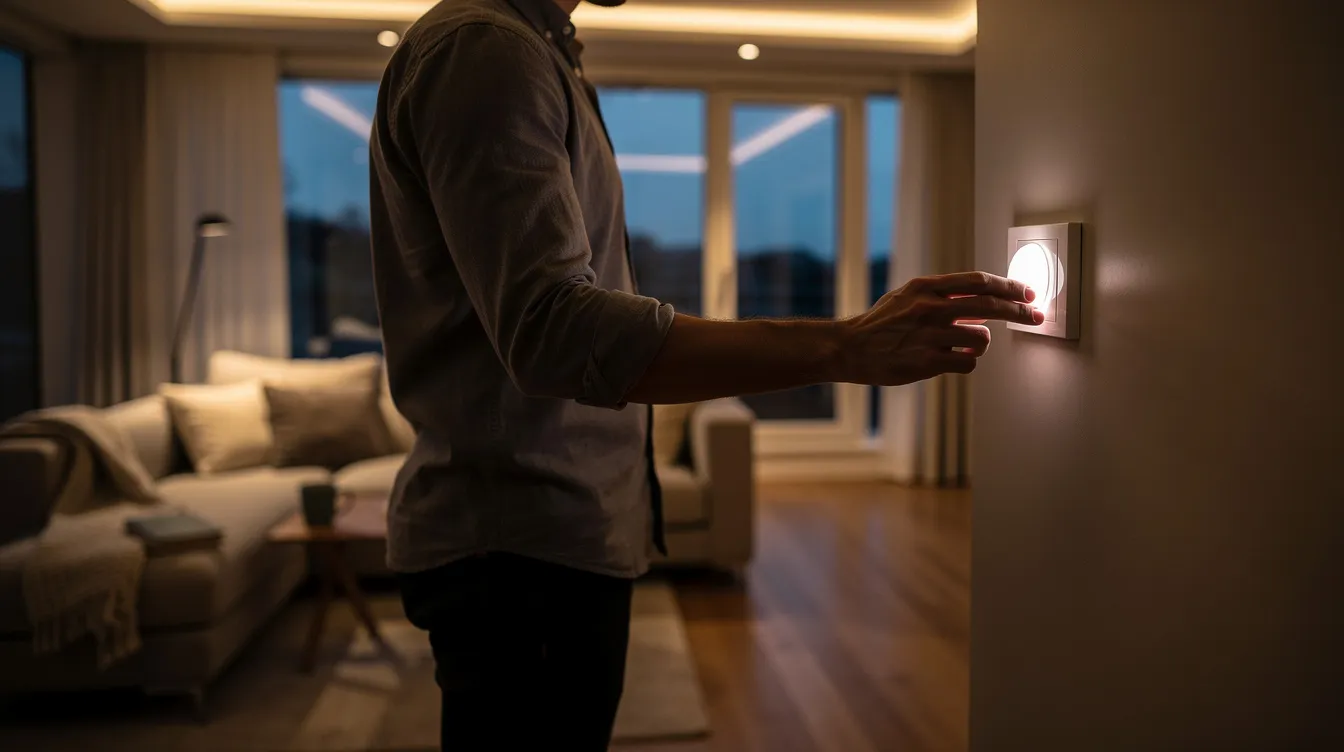
Minimize Evening Light Exposure
To boost natural melatonin:
- Dim household lights after sunset
- Use blue-blocking glasses (can raise melatonin 2-fold)
- Reduce screen brightness or use night mode
- Avoid bright bathroom lights before bed
Morning Bright Light Exposure
For circadian alignment:
- Get 10,000 lux light exposure for 30-60 minutes
- Morning light advances your circadian phase by 1-2 hours
- Natural sunlight works well; light boxes are alternatives
- Consistency matters more than duration
Track Your Sleep Patterns
When using melatonin supplements:
- Keep a sleep diary recording bedtime, wake time, and quality
- Note timing and dosage of any supplements
- Track how long it takes to fall asleep
- Record any side effects or next-day symptoms
- Use apps for convenient tracking and pattern recognition
Little Evidence Supports Some Claims
While melatonin has well-documented benefits for circadian disorders, there’s little evidence supporting some popular claims:
- Increased risk reduction for chronic diseases
- Significant improvement in sleep quality for all types of insomnia
- Universal benefit regardless of timing or dosage
A systematic review of the literature confirms benefits are most robust for circadian-related sleep issues rather than primary insomnia.
References and Further Reading
For deeper exploration of how melatonin works and clinical applications, consult these resources:
Key Review Sources
- Treasure Island (FL): StatPearls Publishing – comprehensive endocrinology reviews
- South Dartmouth (MA): MDText.com for endocrine system references
- Feingold KR et al., Endotext – detailed hormone physiology
Clinical Guidelines
- American Academy of Sleep Medicine position statements
- Cleveland Clinic patient education materials on melatonin safety
- FDA prescribing information for tasimelteon (Hetlioz)
Patient Resources
For dosing and safety information:
- Cleveland Clinic Health Library (melatonin section)
- National Sleep Foundation guidelines
- Sleep Education by AASM
Understanding how melatonin works equips you to make evidence-based decisions about your sleep health. Whether you’re addressing jet lag, exploring supplements for occasional insomnia, or simply optimizing your natural rhythms through light exposure, the principles remain consistent: timing matters, lower doses often work better, and circadian alignment should be the primary goal.
Start with behavioral strategies—light management, consistent schedules, and sleep hygiene—before reaching for supplements. When supplements are appropriate, begin with the lowest effective dose and track your results. For persistent sleep issues, consult your healthcare provider to rule out underlying conditions and discuss whether melatonin or other interventions are right for you.