

The relationship between depression and sleep runs deeper than most people realize. Depression and sleep are closely connected, with a strong, bidirectional relationship—sleep problems aren’t just a symptom of depression; they can also be a warning sign, a perpetuating factor, and a treatment target all at once. Understanding this connection can transform how clinicians and patients approach both conditions.
Overview: Depression, Sleep, And Mental Health
Sleep and mental health share a bidirectional link that’s firmly established through decades of longitudinal research. Sleep disturbances aren’t merely secondary symptoms of depression; they’re predictive indicators that can signal an emerging or recurrent episode. Importantly, sleep disturbances are also strongly associated with psychiatric disorders, not just depression, highlighting the complex interplay between sleep problems and a range of mental health conditions.
The prevalence data is striking: 83% of patients with depression experience at least one insomnia symptom, compared to just 36% in non-depressed individuals. Post-pandemic surveys across 13 countries found clinical insomnia symptoms in one-third of participants, with depression rates more than double pre-pandemic levels.
Clinicians should address sleep early because untreated sleep issues create a vicious cycle. Poor sleep worsens mood regulation, impairs cognitive function, and undermines treatment outcomes. Evidence shows that targeting sleep disturbances before, during, and after depressive episodes improves remission rates and prevents recurrence.
The Bidirectional Link Between Sleep And Mental Health Disorders

Depression and sleep – overview: depression, sleep, and mental health
Poor sleep often precedes depressive episodes. A longitudinal study of 591 young adults found that insomnia lasting two or more weeks predicted major depressive disorder at follow-up. Late-night circadian preferences also emerge as unique risk factors for depression onset.
Sleep affects not only depression but also anxiety disorders and other mental health disorders. Research shows that sleep disturbances can contribute to and result from a range of psychiatric conditions, highlighting the broad impact of sleep on overall mental health and emotional regulation.
Depression, in turn, disrupts sleep architecture in measurable ways:
- Impaired slow-wave sleep (stages 3 and 4)
- Reduced REM latency
- Prolonged initial REM periods
- Increased REM density
- Decreased sleep efficiency and continuity
This creates a feedback loop where sleep loss amplifies mood deterioration through shared neurobiological mechanisms. Monoamine neurotransmitters—serotonin, norepinephrine, and dopamine—regulate both mood and rapid eye movement sleep. Psychological vulnerabilities like black-and-white thinking exacerbate the cycle by turning sleep difficulties into alarming interpretations that foster hopelessness.
Poor Quality Sleep: Effects On Mood And Cognition
Poor quality sleep is clinically defined by specific metrics:
| Metric | Concerning Threshold |
|---|---|
| Sleep efficiency | Below 85% |
| Total sleep time | Under 6-7 hours for adults |
| Awakenings | Frequent fragmentation |
| Morning feeling | Waking unrefreshed |
Sleep fragmentation directly links to emotional dysregulation. It heightens negative emotional responses to stressors, diminishes positive emotions, and impairs prefrontal cortex activity critical for emotion regulation. Research using brain imaging techniques has shown that changes in brain activity during different sleep stages can significantly influence emotional processing and overall mental health.
Key research shows chronic insomnia triggers sympathetic nervous system activation and inflammation, elevating stress hormones in patients with comorbid depression. Studies connect chronic insomnia to reduced functional connectivity in reward networks, contributing to both non-restorative sleep and depressive symptoms.
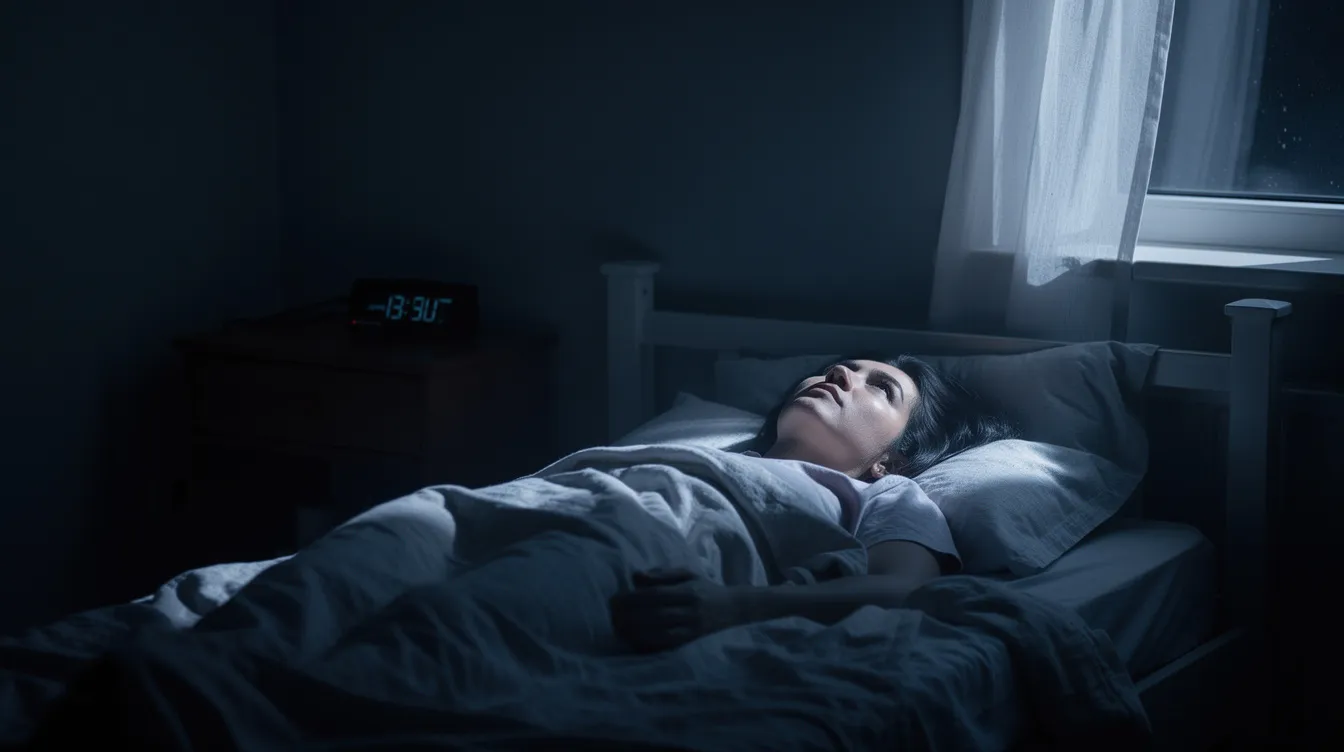
Sleep Disorders That Co-Occur With Mental Health Problems
Several sleep disorders commonly appear alongside psychiatric conditions:
- Insomnia (most prevalent)
- Obstructive sleep apnea (OSA)
- Restless legs syndrome (RLS)
- Circadian rhythm disorders (delayed sleep phase syndrome)
Obstructive sleep apnea affects mood through intermittent hypoxia and sleep fragmentation. This leads to prefrontal oxidative stress, inflammation, and executive dysfunction that mimic or worsen depressive cognitive impairments. OSA prevalence may reach 30-50% in major depressive disorder cohorts, far exceeding the general 10-20% rate.
Restless legs syndrome impacts mental health through dopamine dysregulation, while circadian disorders create phase shifts that misalign cortisol and melatonin peaks with sleep needs. The result: emotional hyperreactivity, reduced reward sensitivity, and heightened depression risk. Night owl chronotypes show particular vulnerability.
Insomnia, Circadian Misalignment, And Depression
Insomnia phenotypes relevant to depression include:
- Onset insomnia: difficulty falling asleep
- Maintenance insomnia: trouble staying asleep with frequent awakenings
- Non-restorative sleep: waking unrefreshed despite adequate sleep duration
Difficulty sleeping is a common symptom experienced by individuals with both depression and anxiety, often linked to insomnia and heightened by stress.
Circadian misalignment—characterized by delayed melatonin onset or blunted rhythms—worsens mood by disrupting the sleep-wake cycle’s regulation of alertness and reward systems.
For shift workers: Strategic napping, morning bright light exposure, and melatonin (0.5-3mg pre-sleep) can reduce depression odds by 30-50%. An anchor sleep period of fixed core 4 hours helps maintain some circadian stability.
For adolescents: The natural 2-3 hour circadian delay during puberty clashes with early school starts, doubling insomnia-depression comorbidity risks. Evidence from district trials shows 8:30-9 AM school starts improve sleep by 45 minutes and mood by 20%.
Sleep Apnea And Medical Contributors To Poor Sleep
Routine screening for sleep apnea in depressed patients is critical. Tools like the STOP-BANG questionnaire or home sleep apnea testing should be considered before escalating antidepressants, given hypoxia’s role in disrupting pathways linked to both disorders. Sleep apnea not only impacts mental health but also has significant consequences for physical health, affecting cardiovascular function and overall bodily well-being.
Evaluate medications carefully:
- SSRIs/SNRIs can induce or worsen insomnia in 20-40% of users
- Benzodiazepines carry dependence risk
- Beta-blockers and stimulants may fragment sleep
Deprescribing sleep-disruptive medications often yields rapid mood benefits.
Improving Sleep To Reduce Mental Health Symptoms

Depression and sleep – sleep disorders that co-occur with mental health problems
Initial clinician assessments should include standardized tools:
- Insomnia Severity Index (ISI): scores >14 indicate clinical insomnia
- Pittsburgh Sleep Quality Index (PSQI): >5 suggests poor sleep
- Epworth Sleepiness Scale: assesses daytime sleepiness
A one-week sleep diary quantifies latency, efficiency, and awakenings. Behavioral interventions should be prioritized over long-term medication due to superior efficacy—70-80% remission for cognitive behavioral therapy versus 50% for hypnotics—and fewer side effects. Efforts to improve sleep quality can reduce the higher risk of both mental and physical health complications, including psychiatric disorders and long-term issues such as weight gain and nutrient deficiencies.
Collaborative care between sleep specialists and psychiatrists enhances outcomes. Track measurable outcomes: ISI reductions greater than 7 points, sleep efficiency above 85%, and PHQ-9 improvements correlating to sleep gains.
Healthy Sleep Habits To Get A Good Night’s Sleep
Core healthy sleep habits for adults:
- Maintain 7-9 hours sleep opportunity nightly
- Getting enough sleep is essential for a good night’s sleep and overall well-being.
- Keep a consistent sleep schedule with fixed wake times (even weekends)
- Avoid caffeine after noon (half-life is 5-6 hours)
- Skip heavy meals 3 hours before bed to prevent reflux
- Create a calming pre-bed routine lasting 30-60 minutes
Calming pre-bed routine examples:
- Dim light reading
- Progressive muscle relaxation or relaxation techniques
- Herbal tea
- Warm bath
- Avoiding screens to preserve melatonin production
Fixed wake times build sleep drive through homeostatic pressure, making it easier to fall asleep the following night.

How To Improve Sleep Habits: Practical Strategies
Introducing the concept of sleep hygiene is essential for improving sleep quality. Sleep hygiene refers to a set of habits and environmental factors—such as consistent routines, optimizing your bedroom, and behavioral strategies—that promote better sleep.
Keep a sleep diary for two weeks. Log bed times, wake times, awakenings, and morning mood ratings. This reveals sleep patterns and identifies factors that affect sleep.
Optimize your bedroom environment:
- Temperature: 60-67°F (cool)
- Light: dark (use blackout curtains)
- Sound: quiet (or use white noise)
Adjust light exposure gradually for circadian shift:
- Morning: 10,000 lux bright light for 30 minutes
- Evening: use blue-blocking glasses
- Goal: promote healthy sleep by aligning your circadian rhythm
These environmental and behavioral changes are key components of good sleep hygiene and often produce noticeable improvements within one to two weeks.
Cognitive Behavioral Therapy (CBT-I) And Behavioral Therapy For Insomnia
Cognitive behavioral therapy for insomnia is the gold-standard first line treatment, comprising 6-8 sessions targeting sleep thoughts and behaviors. CBT-I is effective for insomnia related to chronic anxiety as well as depression, addressing sleep disturbances caused by persistent worry and stress.
CBT-I components:
| Component | Description |
|---|---|
| Psychoeducation | Understanding sleep needs and misconceptions |
| Cognitive restructuring | Challenging beliefs like “I must get 8 hours or I’ll fail” |
| Stimulus control | Strengthening bed-sleep associations |
| Sleep restriction | Limiting time in bed to actual sleep time |
Stimulus control techniques:
- Leave bed if awake more than 20 minutes
- No clock-watching
- Avoid behaviors like working in bed
- Ban daytime naps to build sleep drive
Sleep restriction therapy initially limits time in bed (e.g., 5 hours if efficiency is below 85%), gradually expanding as efficiency reaches 90%. Expect transient sleepiness during days 1-7, but 70% achieve long-term remission.
Digital CBT-I programs like Sleepio show 60-75% efficacy in randomized controlled trials, offering accessible options for rural or motivated patients. Referral to AASM-accredited talk therapy clinicians is advised for complex cases.
When To Seek Professional Help For Mental Health Problems And Sleep
Red flags warranting urgent psychiatric evaluation:
- Suicidal ideation (insomnia doubles this risk)
- Psychotic features
- Mania symptoms
- Severe psychomotor retardation or agitation
- Persistently high stress levels that disrupt sleep and mood
Refer to a sleep specialist for complex sleep disorders like combined OSA and RLS, or treatment-resistant insomnia requiring a sleep study with polysomnography or actigraphy.
When insomnia persists with depression, combined CBT-I plus antidepressants yields 60-80% better outcomes than medication alone.
Special Populations: Teens, Shift Workers, And Comorbid Conditions

Depression and sleep – when to seek professional help for mental health problems and sleep
Adolescents face unique challenges. Pubertal circadian delays mean teens naturally feel tired later and need more sleep. With average sleep of 6.5 hours versus the needed 9, younger children transitioning to adolescence face 2-4x depression risk. Societal pressures and early school start times often result in less sleep for teens, further increasing their risk for depression. School starts after 8:30 AM show measurable improvements in both sleep and mental health.
Shift workers should:
- Maintain an anchor sleep period (fixed 4 hours daily)
- Use morning bright light and evening darkness
- Take melatonin before sleep
- Limit naps to under 30 minutes
Comorbid medical and substance conditions complicate management. COPD worsens the hypoxia-apnea-depression connection. Alcohol fragments sleep and causes REM rebound. Opioids suppress respiration. Integrated protocols should taper substances, treat primary conditions, then implement behavioral therapy for insomnia.

Measurement, Tracking, And Research Directions
Objective tracking tools:
- Actigraphy (wrist-worn accelerometers) captures 85-90% accurate sleep-wake patterns over weeks
- Useful for assessing circadian disorders and variable insomnia
- These tools can help identify if someone is sleep deprived, which is important for preventing mental health problems
Standardized questionnaires:
- ISI (reliable change >7 points)
- Ford Insomnia Response to Stress Test
- PHQ-9 sleep item
Key research gaps include causal mediators (precise BDNF and inflammation roles), personalized CBT-I for depression subtypes, long-term chronotherapy trials, and biomarkers for remission prediction. Wearables and digital therapeutics show promise for scalable interventions in sleep medicine.
Content Elements To Include In An Article About Depression And Sleep
Patient story example: A 35-year-old woman whose untreated insomnia preceded MDD relapse post-remission achieved resolution via CBT-I, moving from an ISI score of 22 to 4. A shift nurse broke her sleep-mood cycle through melatonin and light therapy protocols.
Expert insight: As researchers note, “Circadian processes govern alertness; disruptions create vicious cycles with black-and-white thinking fueling hopelessness.” Evidence confirms that treating sleep disturbance plays a key role in preventing depression recurrence.
Actionable checklist for tonight:
- Set a fixed wake time for tomorrow
- No screens 1 hour before bed
- Log tonight’s sleep in a diary
- Take a 10-minute morning walk for light exposure
- Rate your mood 1-10 in the AM and PM
- Avoid caffeine after noon
- Repeat for 7 days to identify patterns
The connection between sleep and mental health is too significant to ignore. Whether you’re a clinician assessing a patient or someone struggling with sleep deprivation and low mood, addressing sleep difficulties early can break the cycle. Start with one change—a consistent sleep schedule, a sleep diary, or consulting a sleep specialist—and build from there. Better sleep and improved mental health conditions are closely linked, and progress in one often drives progress in the other.