
That mid afternoon energy crash isn’t just in your head. Power nap science confirms what many cultures have practiced for centuries: a brief nap can restore your brain, improve your mood, and sharpen your performance for hours. A good nap—timed and structured properly—maximizes these benefits by boosting alertness and relaxation while helping you avoid post-nap grogginess.
This guide breaks down the research on napping for healthy adults who want to optimize their rest without disrupting their night’s sleep. Whether you’re considering adding a daily nap to your routine or want to nap better, you’ll find actionable strategies backed by sleep medicine research. Understanding the importance of a good night’s sleep for overall health, this guide also explains how power nap science can complement your overnight rest to enhance well-being.
Benefits of Napping for Healthy Adults
Research shows that strategic daytime napping delivers measurable advantages across multiple domains:
Cognitive benefits:
- A 30-minute nap improves word recall and figure-drawing tasks, based on a study of 2,974 adults aged 65+
- NASA research found a 26-minute nap boosted pilot alertness by 54% and performance by 34%
A short nap (typically 10-30 minutes) is especially effective for boosting alertness and memory without causing grogginess.
Mood and energy improvements:
- Two 15-minute naps increased stress resilience among shift workers
- 60-minute naps improved frustration tolerance and reduced impulsivity
- You feel refreshed and experience better mood regulation throughout the afternoon
Cardiovascular benefits:
- Regular nappers limiting siestas to 30 minutes or less showed 21% lower likelihood of high blood pressure
Workplace performance:
- Enhanced reaction times for safety-critical roles
- Improved problem-solving and decision-making when sleep deprived
What Is a Power Nap?

Power nap science – benefits of napping for healthy adults
A power nap is a short sleep that lasts about 10–20 minutes. This brief duration is key: it allows you to rest without entering the deeper stages of the sleep cycle, which can be harder to wake from. The light-sleep advantage means you wake feeling alert rather than groggy. Waking up during deeper sleep stages can leave you feeling groggy and less refreshed, which is why keeping naps short is important.
The Power Nap: 10–20 Minute Nap
A power nap is precisely defined as a 10- to 20-minute bout of sleep, ideally taken in the early afternoon. This short snooze captures light sleep stages 1 and 2 without progressing to deeper stages of sleep.
The light-sleep advantage means you wake feeling alert rather than groggy. Your brain recovers quickly during these superficial stages, and you avoid the disorientation called sleep inertia that comes from waking during deep sleep.
The NASA astronaut protocols confirmed that 10- to 30-minute naps refresh alertness for several hours without grogginess.
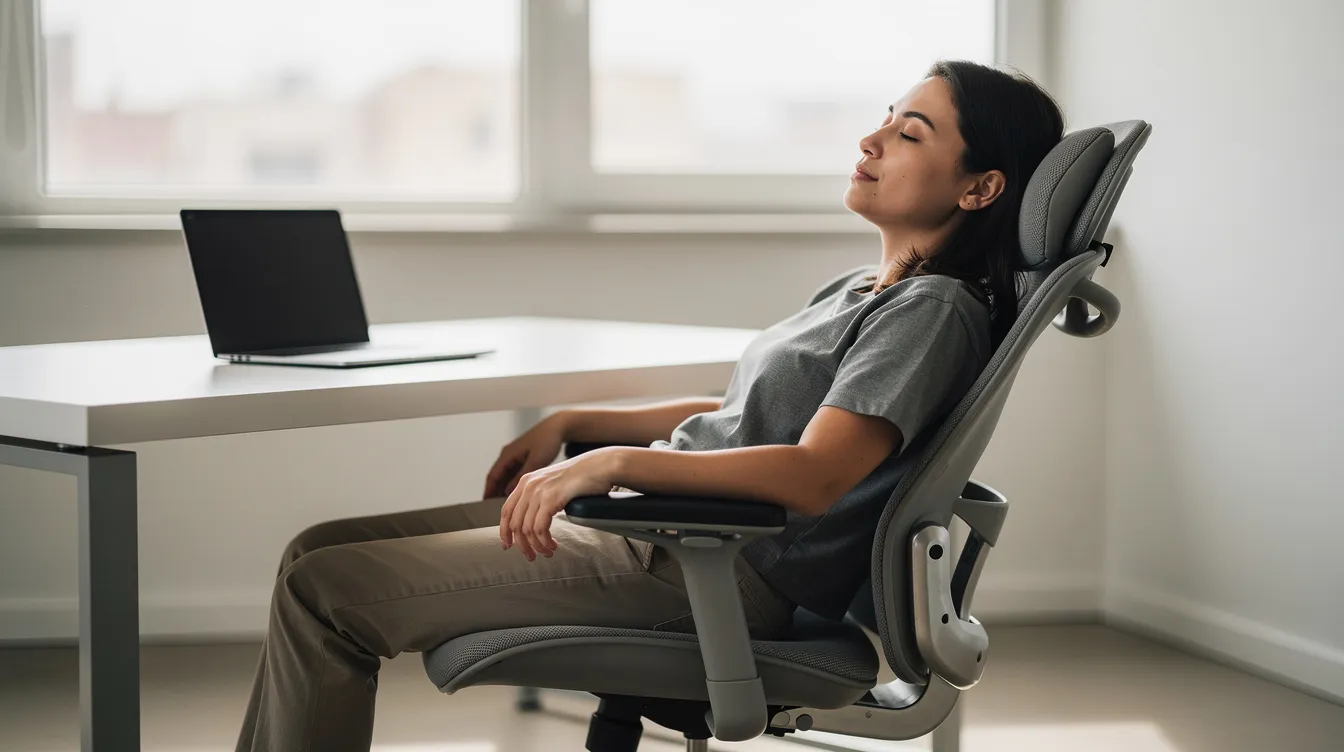
Power Naps Versus Longer Naps
| Nap Duration | Alertness | Inertia Risk | Best For |
|---|---|---|---|
| 10-20 min | Immediate | Minimal | Quick energy boost |
| 30 min | Good | Mild risk | Memory enhancement |
| 60-90 min | Delayed | High | Creativity, learning |
When you take a nap lasting 20-30 minutes, you achieve peak wakefulness without the groggy feeling. However, once you enter deep sleep (around 30+ minutes), waking becomes harder.
Sleep inertia—that dazed state from abrupt slow wave sleep interruption—escalates after 30 minutes. If you napped longer than intended, expect 15-30 minutes of reduced functioning.
Choose longer naps when:
- Recovering from severe sleep deprivation
- Preparing for memory-intensive tasks
- Athletes needing physical recovery (90-minute naps reduced muscle soreness in studies)
Limit habitual napping to 30 minutes for healthy adults to avoid potential cardiovascular risks associated with very long naps.
Sleep Cycle: When To Take A Nap

Power nap science – power naps versus longer naps
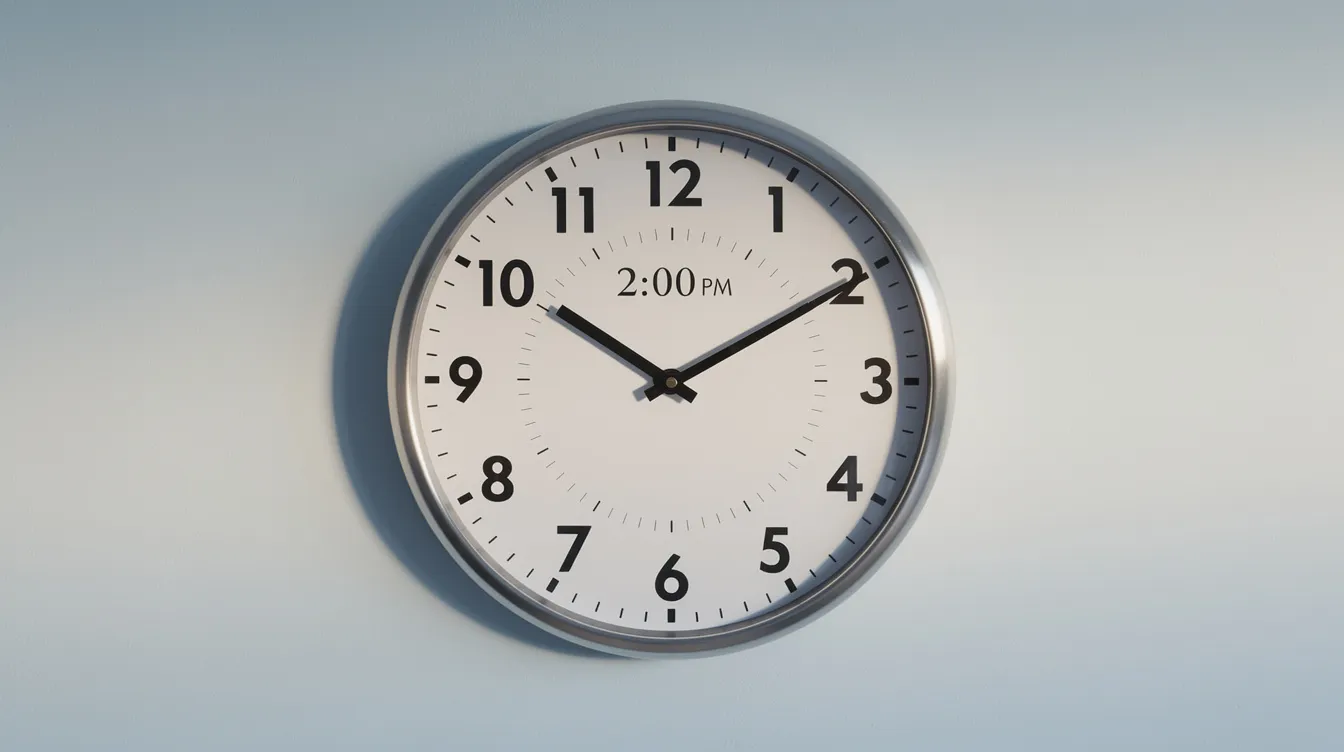
Your body moves through 90-minute cycles of light, deep, and rem sleep throughout the night. During the day, natural alertness dips around 1-3 PM due to circadian rhythms and adenosine buildup from morning wakefulness.
This post-lunch window is ideal for an afternoon nap. Timing your rest here:
- Aligns with natural vigilance troughs
- Won’t interfere with evening melatonin onset
- Prevents trouble falling asleep at bedtime
Always set an alarm. Uncontrolled naps often overshoot into inertia-prone depths. End your nap by 3 PM to protect your ability to sleep at night.
The 30-Minute and 60–90 Minute Naps
The 30-Minute Nap
The 30-minute nap balances refreshment with memory gains. Johns Hopkins data showed superior word recall in nappers versus non-nappers at this duration.
However, timing matters. If your 30 minutes hits the slow wave sleep onset point (typically 20-30 minutes in), you may wake with mild grogginess. A “napuccino” strategy—consuming caffeine before your nap—can help you feel tired enough to fall asleep while ensuring smoother transitions to awake states.
The 60–90 Minute Nap
A 60- to 90-minute nap completes a full sleep cycle, cycling through deep sleep and rem sleep. UC Berkeley research linked these longer naps to:
- Enhanced neural connections
- Improved creativity and working memory
- Better short-term memory and learning
Athletes benefit too—90-minute naps reduced fatigue perception and muscle soreness compared to 45-minute naps.
Plan 15-30 minutes of buffer time post-nap to clear lingering deep-sleep fog before demanding tasks.
Are Naps Good? Health Benefits and Risks

Power nap science – the 30-minute and 60–90 minute naps
Naps are broadly beneficial for cognition in healthy adults. The health benefits include reduced fatigue, sharper attention, and fortified memory.
However, epidemiological risks emerge with very long naps:
- Naps over one hour correlate with obesity and heightened cardiovascular disease risk
- These associations may be mediated by factors like late bedtimes, smoking, or large late lunches
If you experience excessive daytime sleepiness despite getting enough sleep at night, consult a healthcare professional. Prolonged napping may mask fragmented nighttime sleep from conditions like sleep apnea rather than causing harm independently.
How To Take A Nap: Practical Tips for Healthy Adults
Create conditions that help you relax and fall asleep quickly:
Environment:
- Dim lights to boost melatonin precursors
- Use an eye mask to block visual stimulation
- Ensure quiet via white noise, earplugs, or a quiet space
- Recline comfortably without full bedding to signal brevity
Timing protocol:
- Set an alarm before you close your eyes
- Keep naps to 10-20 minutes for energy, up to 30 for memory
- Avoid napping after 3 PM to protect nighttime sleep
- Skip caffeine 30 minutes prior (unless using the napuccino technique)
Make Power Naps Work In Your Daily Routine
Integrating a daily nap into your schedule requires intentionality:
- Schedule 1-3 PM nap slots during workdays when alertness naturally dips
- Leverage 20-minute breaks for 54% alertness gains (per NASA findings)
- Experiment with durations: try 10, 20, and 30 minutes to personalize—shorter for energy, longer for memory
Advocate for workplace policies supporting napping. Japan’s inemuri culture and NASA’s protocols prove that quiet pods or rest areas can elevate productivity without substituting for a good night’s sleep.
Not everyone will benefit equally. Track your responses in a sleep journal to optimize your approach.
Troubleshooting Nap Problems
Waking groggy?
- Shorten duration below 30 minutes
- Hydrate immediately upon waking
- Expose yourself to bright light for 2-3 minutes
Nighttime sleep suffering?
- Eliminate naps entirely if you experience delayed sleep onset
- Napping suppresses sleep pressure, which can make it harder to get enough time in deep restorative stages
Persistent excessive sleepiness?
- Consult sleep medicine specialists
- Distinguish adaptive napping from pathological hypersomnia
- Screen for underlying disorders affecting your cycle
Quick Action Plan: Minute Nap Checklist
Use this 10-20 minute power nap protocol to increase alertness without drawbacks:
Prep (5 minutes):
- Find a quiet, dim space
- Set phone alarm for 15-20 minutes
- Use an eye mask if available
- Recline or rest head comfortably
- Take slow breaths to relax
Nap (10-20 minutes):
- Close eyes; don’t stress if you don’t fully sleep
- Light rest still provides benefits
Wake ritual (2 minutes):
- Stretch arms and legs gently
- Drink water immediately
- Step into natural light or a bright area
- Move your body briefly before returning to tasks
This protocol delivers the 34% performance uplift documented in research—helping you feel alert and productive for hours.
A well-timed power nap can become one of the most effective tools in your daily routine. Start with a 10-minute trial during your next morning or afternoon slump, and adjust based on how you respond. Your body knows how to rest—you just need to give it enough time to do so.