Sleepmaxxing is a social media trend that has exploded across TikTok, where users pursue perfect sleep through an extensive array of practices aimed at maximizing rest quality. The sleepmaxxing trend is centered on efforts to optimize sleep quality by incorporating specific routines and lifestyle adjustments. Videos under the hashtag have amassed over 100 million views, with Gen Z audiences linking better sleep to everything from improved skin clarity to enhanced mental sharpness.
But how much of this wellness trend holds up to scrutiny? This guide separates evidence based practices from marketing hype.
Overview Of Sleep Health And The Trend
Public health guidelines from the CDC and American Academy of Sleep Medicine recommend at least seven hours of sleep per night for adults, with 7-9 hours optimal for most. Insufficient sleep—under six hours—increases risks for obesity, diabetes, high blood pressure, and accidents by 20-30% in population studies.
Sleepmaxxing reframes these basics into an obsessive, product-heavy pursuit. Influencers commonly tout promises of 34% increases in deep sleep through biohacking, viral “sleepy girl” mocktails, and magnesium sprays.
Sleep researcher Dr. Sara Mednick critiques sleepmaxxing as a marketing ploy to rebrand standard sleep hygiene as novel and “sexy.”
The core issue: many practices shift focus from free lifestyle adjustments to purchases, when 80% of benefits come from consistency alone. Influencers often share a variety of tips and tricks—ranging from sleep routines to specific foods, supplements, and devices—to help followers improve their sleep.
Sleep Hygiene, Circadian Rhythm, And Enough Sleep

Sleepmaxxing trend – overview of sleep health and the trend
Core sleep hygiene practices include:
- Maintaining a cool temperature (60-67°F) in the bedroom
- Creating a dark, quiet environment
- Avoiding screen use an hour before bed to minimize blue light disruption
- Establishing pre-sleep rituals like reading or light stretching
Your circadian rhythm—the body’s ~24-hour internal clock—governs sleep propensity. Misalignments from irregular schedules or evening bright light exposure delay melatonin onset by 1-2 hours, fragmenting sleep stages critical for restorative sleep.
How many hours do you actually need? The consensus statement from sleep experts remains 7-9 hours for adults, with individual needs varying by chronotype. Consistent adherence yields 15-25% improvements in sleep efficiency metrics.
Practical Steps To Get More Sleep And Improve Sleep Quality
Enforce a Consistent Schedule
Studies from the National Sleep Foundation show that maintaining a consistent bed and wake time—even on weekends—boosts sleep quality scores by 20% by anchoring your sleep-wake cycle.
Optimize Your Environment
| Factor | Recommendation | Why It Works |
|---|---|---|
| Temperature | Keep bedroom cool at 60-67°F | Core body temperature must drop 1-2°F for sleep initiation |
| Light | Use blackout curtains or eye masks | Ambient light suppresses melatonin by up to 50% |
| Sound | Consider white noise machines | Cuts sleep latency by 10-38% in noisy settings |
Some sleepmaxxing routines also include exposure to red light in the evening, as it is believed to be less disruptive to sleep than blue light, though evidence for its benefits is limited.
Wind-Down Routine
A 30-60 minute routine—dim lights, herbal tea, journaling—activates parasympathetic nervous system dominance, reducing stress indicators by 15-30% in randomized trials.
Limit Evening Substances
Avoiding caffeine after 2 PM prevents delaying sleep onset by 30-60 minutes (caffeine’s half-life is 5-6 hours). Alcohol, despite initial sedation, disrupts REM sleep by 20-40%.
Evidence-Based Techniques For Improving Sleep Quality

Sleepmaxxing trend – practical steps to get more sleep and improve sleep quality
Cognitive Behavioral Therapy for Insomnia (CBT-I) is the gold-standard treatment endorsed by sleep medicine professionals. It achieves 70-80% remission rates in chronic insomnia through techniques like stimulus control and sleep restriction. Access options include:
- Apps like Sleepio (clinically validated)
- Therapist-led programs
- VA/DoD protocols
Exercise timing matters: moderate physical activity 3-4 hours before bed increases slow-wave sleep by 15-20%. Evening high-intensity sessions elevate adrenaline and delay sleep onset.
Morning natural light exposure (10,000 lux for 30 minutes upon waking) powerfully entrains your circadian rhythm by suppressing melatonin and boosting serotonin. This can advance your sleep phase by 1-2 hours if you struggle with delayed sleep.
Use validated apps cautiously for trend monitoring, not diagnostics, to avoid orthosomnia—anxiety from obsessive tracking.
Supplements, Foods, Devices, And Contested Hacks
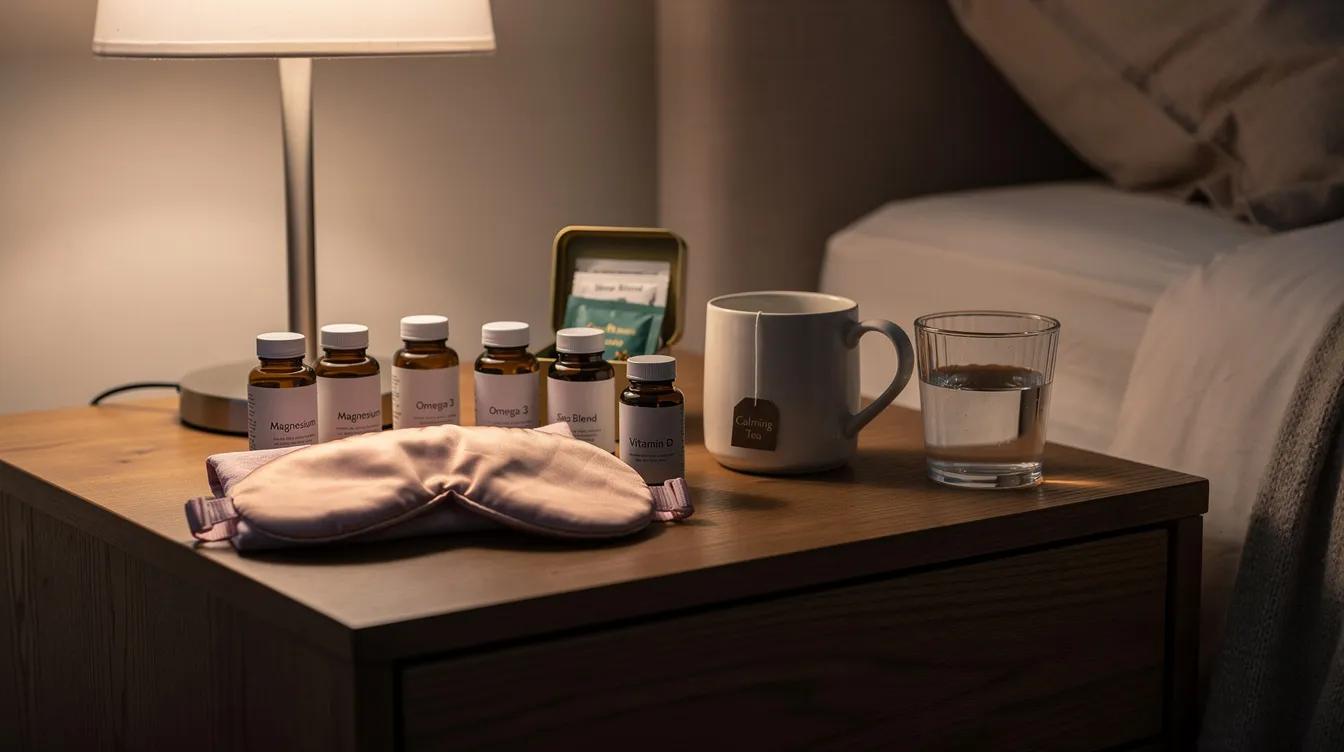
Common supplements and devices in sleepmaxxing discourse include magnesium (200-400mg glycinate), melatonin (0.5-5mg short-term for jet lag), blue light glasses, weighted blankets, and white noise machines. Lavender fragrances may reduce cortisol via olfactory pathways.
However, several popular hacks lack robust scientific evidence.
Kiwi Fruit And Dietary Hacks
Limited studies (two small trials, n=12-24) link eating two kiwi fruit before bed to 13-42% faster sleep onset via serotonin precursors and antioxidants. However, replication is absent.
General guidance: eat light meals two hours before bed to avoid reflux, which disrupts 20% of sleepers.
Mouth Taping: Claims, Risks, And Messaging
Mouth taping claims center on forcing nasal breathing to reduce mouth breathing, enhance nitric oxide production, and boost deep sleep by 20-34%. Proponents also claim it prevents bad breath and improves jawline aesthetics.
The risks are significant. An estimated 20-30% of adults have undiagnosed sleep apnea. Mouth taping could cause:
- CO2 rebreathing
- Airway obstruction
- Panic episodes
Always consult a healthcare professional before trying mouth taping, especially if you experience symptoms like gasping or witnessed apneas during sleep.
Sleep Trackers, Apps, And Nostril Expanders
Wearables like Oura Ring and other devices estimate sleep stages via accelerometry and heart rate variability but suffer 20-80% inaccuracy in deep/REM detection versus clinical polysomnography.
Use tracker data for longitudinal trends—like consistency patterns—not diagnosis.
Nostril expanders yield mixed results: a 2023 RCT (n=40) found no significant sleep quality gains over placebo, with discomfort reported in 30% of participants.
Poor Sleep, Sleep Issues, And Common Pitfalls

Sleepmaxxing trend – supplements, foods, devices, and contested hacks
Clinical signs of poor sleep quality to monitor include:
- Excessive daytime sleepiness (Epworth score >10)
- Unrefreshing rest despite adequate sleep duration
- Irritability and cognitive fog
- Microsleeps during the day
- Difficulty staying asleep
Orthosomnia risk: This condition, coined in 2017, describes perfectionist tracking leading to anxiety cycles that actually worsen sleep by 15-25% in some tracker users. Limiting daytime naps to 20-30 minutes can help if you’re monitoring your sleep habits closely.
Supplement caution: 25% of sleep aids fail purity tests. Unregulated supplements risk interactions—melatonin with SSRIs, for example, elevates serotonin syndrome odds.
Mental Health, Heart Health, And Long-Term Outcomes
Chronic poor sleep doubles depression and anxiety risk via amygdala hyperactivity and prefrontal cortex changes on brain imaging. Insomnia predicts 2-5x higher mental health disorder incidence.
The heart health associations are equally concerning:
| Sleep Duration | Health Risk |
|---|---|
| < 6 hours/night | 48% higher cardiovascular events |
| < 6 hours/night | 15% higher stroke risk |
| Chronic short sleep | 12% higher all-cause mortality |
Chronic poor sleep and sleep disorders like sleep apnea are linked to a higher risk of developing heart disease.
These associations stem from inflammation, hypertension, and insulin resistance. Poor sleep also undermines healthy weight maintenance and immune system function.
Emphasize sustained lifestyle changes over isolated hacks—80% of benefits accrue from consistency.
Evidence-Based Evaluation And Reporting Guidelines
When evaluating sleepmaxxing claims:
- Prioritize peer-reviewed sources (PubMed RCTs, AASM guidelines) over social media platforms
- Distinguish correlation from causation—kiwi eaters may simply have better overall health
- Seek expert perspectives for controversial practices
Experts like Carleara Weiss, PhD, decry product commercialization, urging clinician input for practices like mouth taping, where ENT specialists report 5-10% adverse events in trials.
When To Seek Professional Help For Sleep Issues
Seek evaluation if you experience:
- Insomnia persisting >3 months
- Daytime impairment affecting safety or work
- < 5 hours habitual sleep duration
- Weekly waking episodes >3x
- Sleep apnea symptoms (snoring + witnessed apneas)
- Chronic conditions worsening despite good sleep habits
Start with primary care for screening using tools like the STOP-BANG questionnaire (90% sensitivity). Escalate to a sleep specialist for conditions like sleep disorder evaluation.
Before your appointment:
- Maintain a 2-week sleep diary logging timings, quality, and caffeine intake
- Bring wearable trend data for context (noting accuracy limitations)
- Document any health risks or jet lag patterns
Practical Takeaways And Reader Actions
The sleepmaxxing trend contains kernels of truth buried under product marketing. Here’s what actually works for a good night’s sleep: Establishing better sleep habits is essential for consistently achieving a good night’s sleep.
Evidence-based sleepmaxxing steps:
- Anchor your schedule rigidly—same bed and wake time daily
- Prioritize morning light exposure and physical activity
- Enforce hygiene basics: cool, dark, quiet environment
- Trial CBT-I apps if you struggle to fall asleep
- Limit stimulants post-noon
- Track trends mindfully without obsession
Studies show 50-70% improvement from 4-week basics versus < 20% from isolated hacks. Building a sustainable healthy habit beats extreme interventions that backfire via stress.
Start with one change this week. Sleep optimization is about self care, not perfection—and certainly not about purchasing every product a TikTok influencer recommends. The path to more sleep and better sleep runs through consistency, not complexity.