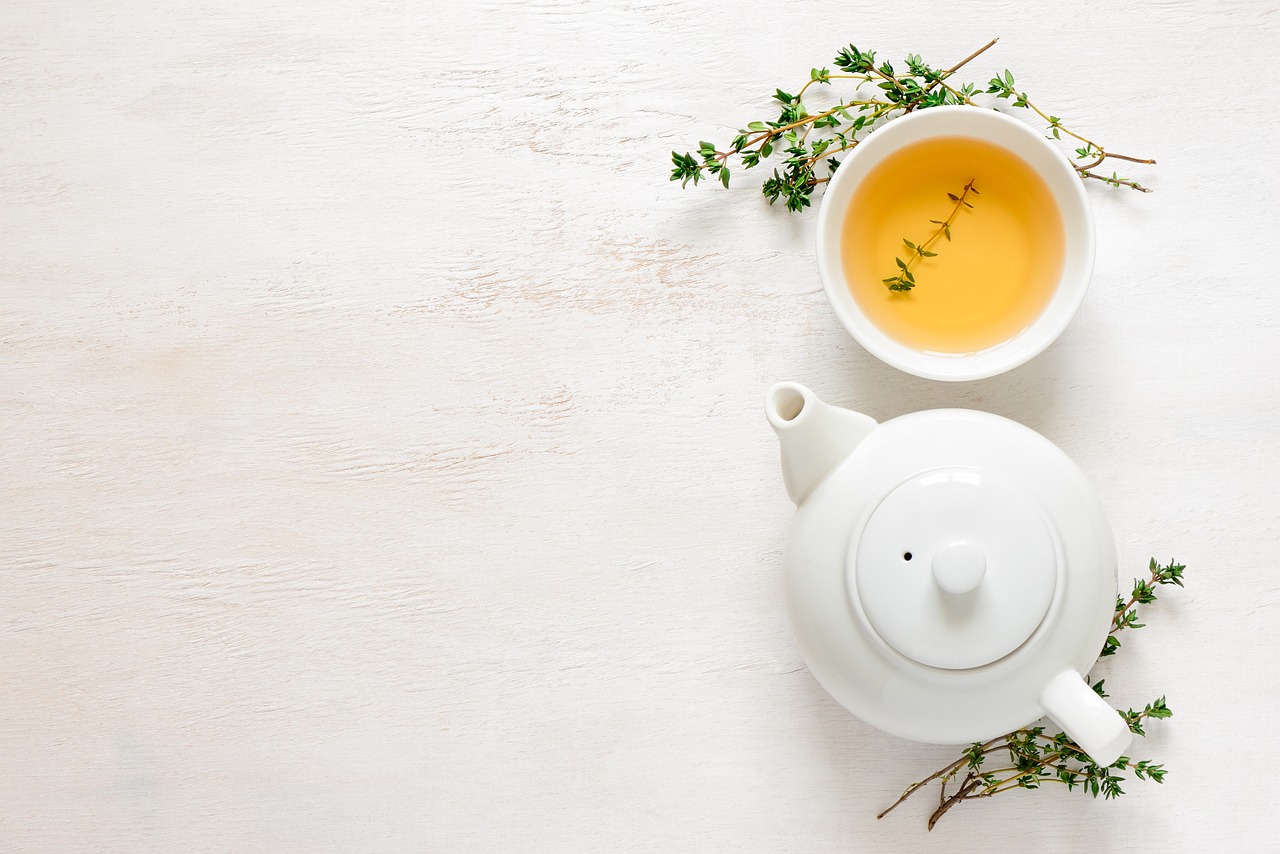
You had two drinks with dinner, drifted off easily, then woke at 3 AM staring at the ceiling. Sound familiar? The relationship between drinking alcohol and sleep is more complex than most people realize.
This guide breaks down exactly how alcohol affects your sleep, from the moment you fall asleep to the hangover symptoms you feel the next morning. Whether you’re a casual drinker or someone struggling with trouble sleeping, you’ll find practical strategies to achieve better sleep.
Alcohol and Sleep: Quick Overview
Alcohol acts as a central nervous system depressant, initially producing a sedative effect that makes you drowsy. In the short term, alcohol consumption can help you fall asleep faster. However, as your body metabolizes the alcohol, the second half of your night becomes fragmented.
Long-term effects are more concerning. Twin studies spanning 36 years demonstrate that heavy and binge drinking predict poor sleep quality later in life, with odds ratios ranging from 1.61 to 3.37 across multiple time points.
How Alcohol Affects Sleep Architecture

Alcohol effects on sleep quality – alcohol and sleep: quick overview
Your sleep architecture consists of carefully orchestrated cycles through different sleep stages. Alcohol interferes with this natural rhythm in predictable ways.
During the first half of the night, alcohol’s relaxing effects boost slow wave sleep (deep sleep) through enhanced GABA activity. However, as blood alcohol concentration drops, you experience more light sleep, frequent awakenings, and disrupted sleep patterns.

How Does Alcohol Affect Sleep?
Understanding how alcohol affects your sleep requires looking at brain activity during metabolism.
As your liver processes alcohol at approximately 0.015 g/dL per hour, several neurotransmitter changes occur:
- Adenosine accumulation initially promotes drowsiness
- Acetaldehyde byproducts trigger withdrawal-like hyperexcitability
- Noradrenergic surges in the locus coeruleus provoke arousal
- Glutamate rebound disrupts the sleeping brain
Timing matters significantly. Consume alcohol within 3-4 hours of bedtime, and peak disruption aligns with your core sleep phases. The sedative effect wears off precisely when your body needs restorative rest most.
Does Alcohol Help You Fall Asleep?
Yes and no. Meta-analyses confirm that drinking alcohol helps shorten sleep onset latency, particularly at doses exceeding 0.85 g/kg body weight. You might fall asleep 10-20 minutes faster than usual.
But here’s the catch: this initial benefit is temporary. Sleep efficiency drops below the 85% threshold considered healthy, and total sleep time often decreases despite the faster onset. Thinking of alcohol as a sleep aid is fundamentally misleading.
Why Alcohol Doesn’t Help You Stay Asleep
The problem intensifies during the second half of the night. As alcohol metabolizes completely, your body experiences withdrawal-driven awakenings.
What happens:
- Increased stage 1 light sleep replaces deeper stages
- Micro-awakenings fragment your sleep cycle
- Rapid eye movement (REM) sleep gets suppressed early, then rebounds
- You may experience vivid dreams or difficulty falling back asleep
Studies show 45% of participants report poor subjective sleep quality despite stable objective measurements, highlighting how alcohol affect your overall rest experience.
Alcohol, Snoring, And Sleep Apnea
Alcohol’s muscle-relaxant properties extend to your airway. By depressing hypoglossal nerve tone and pharyngeal dilators, alcohol can narrow the upper airway by up to 25% in susceptible individuals.
For those with existing sleep apnoea, the effects are pronounced:
| Condition | Effect of Moderate Alcohol |
|---|---|
| Mild OSA | 25-50% worsening of AHI |
| Snoring | Increased frequency and intensity |
| Ventilatory response | Reduced sensitivity to hypoxia |
| Nasal resistance | Elevated |
The increased risk of throat collapse during sleep means even regular drinking can transform mild snoring into obstructive sleep apnea. If you snore persistently after drinking, consider screening via a home sleep monitor or clinic polysomnogram. Untreated sleep apnea links to cardiovascular strain and heart disease.
Effects Of Alcohol On Next-Day Function And Hangovers

Alcohol effects on sleep quality – alcohol, snoring, and sleep apnea
Poor sleep amplifies hangover symptoms through compounding mechanisms. Fragmented rest worsens acetaldehyde-mediated dehydration while cytokine inflammation (IL-6, TNF-α) intensifies.
Common next-day effects include:
- Cognitive fog and impaired working memory
- Reduced psychomotor speed
- Elevated negative mood and irritability
- Feeling tired despite adequate time in bed
- Difficulty maintaining concentration
Research using Digit Symbol Substitution Tests shows measurable cognitive deficits, though individual variability means some people tolerate these effects better than others. Either way, you’re unlikely to wake feeling rested.
Mixing Alcohol With Medications And Sleep Aids
Combining alcohol with sedative medications creates serious risk. Synergistic GABA potentiation can cause profound respiratory suppression—pharmacovigilance data suggests odds of oversedation multiply 4-10 fold.
High-risk combinations include:
- Benzodiazepines (Valium, Xanax)
- Z-drugs like zolpidem (Ambien)
- Sleeping pills containing antihistamines
- Prescription sleep medicine
Even over-the-counter antihistamines amplify sedation via anticholinergic overlap. Always check your prescriptions before drinking and contact your prescriber about safe combinations. When in doubt, avoid alcohol entirely on nights you take sleep-related medications.
Patterns Of Alcohol Use And Long-Term Sleep Consequences

Alcohol effects on sleep quality – mixing alcohol with medications and sleep aids
Regular drinking creates tolerance within weeks, shifting your dose-response curve. You need more alcohol to achieve the same sedative effect, which chronically entrains insomnia.
Community cohort data from over 11,900 participants reveals dose-response relationships:
- Higher intake correlates with worse Pittsburgh Sleep Quality Index scores
- Elevated odds of short sleep (<6 hours)
- Increased snoring and sleep apnea risk
- Heavy use (>14 drinks/week) associates with persistent insomnia (OR 2-3)
Alcohol also disrupts circadian rhythms through suprachiasmatic nucleus interference, suppressing melatonin production by 20-30%. This compounds sleep deprivation effects over time.
Alcohol Affects Your Sleep Days Later
The disruption doesn’t end when alcohol leaves your system. REM rebound insomnia can extend 2-4 nights after heavy drinking.
You might experience:
- Prolonged REM latency days after binge drinking
- Unusually vivid dreams as REM rebounds
- Difficulty falling asleep despite feeling exhausted
- Lingering sleep related problems
This explains why even weekend-only heavy drinking can lead to chronic sleep disorders through cumulative effects on sleep patterns.
Cardiovascular Effects During Sleep: Blood Pressure And Heart Rate
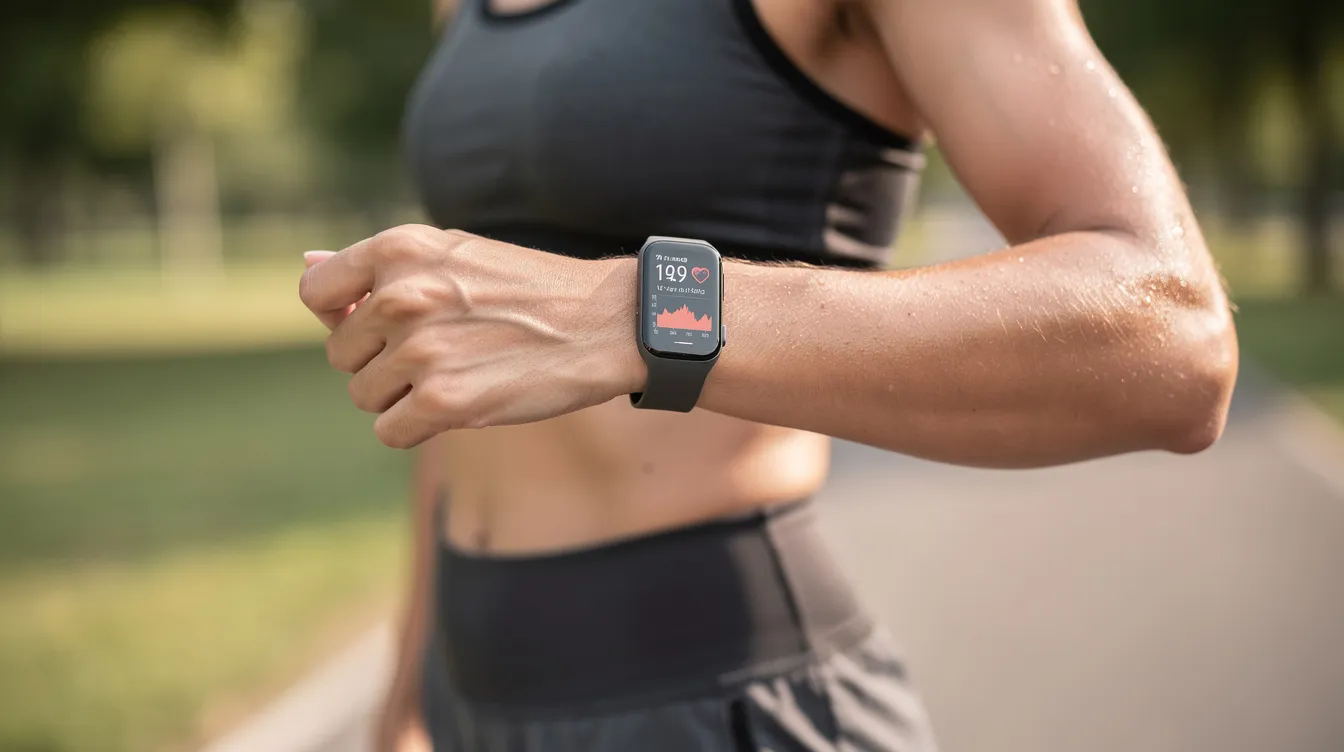
Alcohol induces measurable cardiovascular changes during sleep. Research shows even low-to-moderate intake elevates resting heart rate from baseline 63.6 bpm to 66.6 bpm—a statistically significant increase.
Additional effects include:
- Systolic blood pressure elevation of 5-10 mmHg post-moderate doses
- Sympathetic nervous system dominance overriding parasympathetic tone
- Heightened arrhythmia vulnerability (atrial fibrillation OR 1.5-2.0 per episode)
- Impaired vagal recovery during sleep
These changes correlate with subjective quality drops independent of sleep architecture changes, suggesting alcohol increases physiological strain even when you don’t consciously wake.
How To Avoid Alcohol Before Bed For Better Sleep
The simplest intervention: stop drinking at least three hours before bedtime. This allows blood alcohol concentration to drop below 0.02%, minimizing rebound insomnia.
Practical substitutions:
- Mocktails balancing electrolytes for evening rituals
- Sparkling water with bitters for a sophisticated alternative
- Herbal teas (chamomile, valerian) that support relaxation
- Non-alcoholic beer or wine for social situations
If you choose to drink, cap intake at less than one standard drink (14g ethanol) nightly. The non-alcoholic beverage market is projected to grow at 10% annually, making alternatives increasingly accessible.
Tips To Achieve Better Sleep Without Alcohol
Achieving quality rest requires more than simply cutting alcohol. Layer these sleep hygiene practices:
Schedule consistency:
- Fixed sleep/wake times aligned with your chronotype
- Aim for the same bedtime even on weekends
- Target 7-8 hours of sleep opportunity
Cognitive Behavioral Therapy for Insomnia (CBT-I):
- 70-80% efficacy in meta-analyses for alcohol-linked insomnia
- Addresses underlying thought patterns disrupting sleep
- Ask your doctor about referral options
Evening habits:
- Curtail caffeine after 2 PM (<200mg daily total)
- Light evening meals avoiding heavy proteins
- Wind-down routines: 4-7-8 breathing, progressive muscle relaxation
These approaches recalibrate autonomic balance without the rebound effects alcohol creates.
When To Seek Medical Help
Consult a doctor if you experience:
- Persistent Pittsburgh Sleep Quality Index scores above 5
- More than 3 weekly awakenings affecting daytime function
- Suspected sleep apnea (Epworth Sleepiness Scale >10)
- AUDIT scores above 8 suggesting alcohol use disorder
- Refractory insomnia despite lifestyle changes
A sleep specialist can order comprehensive evaluations including EEG, oximetry, and actigraphy. Clinical neurology and sleep medicine resources from the National Library of Medicine provide evidence-based systematic review data guiding treatment protocols.
Don’t underestimate how alcohol affects your sleep or worsen symptoms by delaying evaluation. Early intervention prevents chronic patterns from taking hold.
Writer Notes And Sources
This article draws on alcohol research including:
- 36-year longitudinal twin studies examining causality
- Meta-analysis of polysomnographic data on rapid eye movement REM disruption
- Community cohort studies with 11,900+ participants
- Pharmacovigilance data on medication interactions
Key references include clinical studies in sleep medicine journals and guidelines from organizations like the American Academy of Sleep Medicine. For further reading, explore resources from the National Institute on Alcohol Abuse and Alcoholism.
Understanding the effects of alcohol on your body empowers informed choices. Small adjustments—stopping earlier, drinking less, building better sleep habits—compound into meaningful improvements in your night and your mental health during the day.