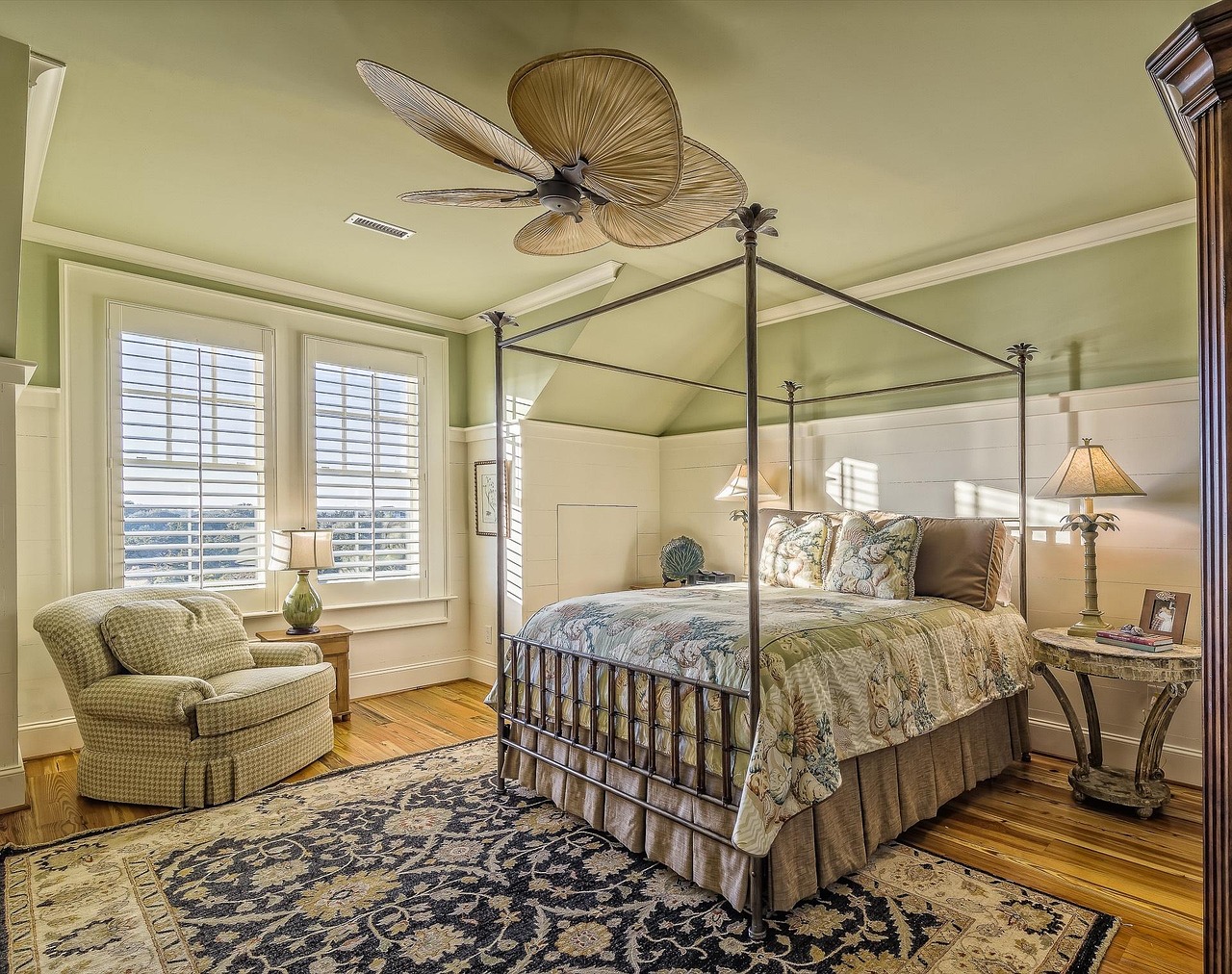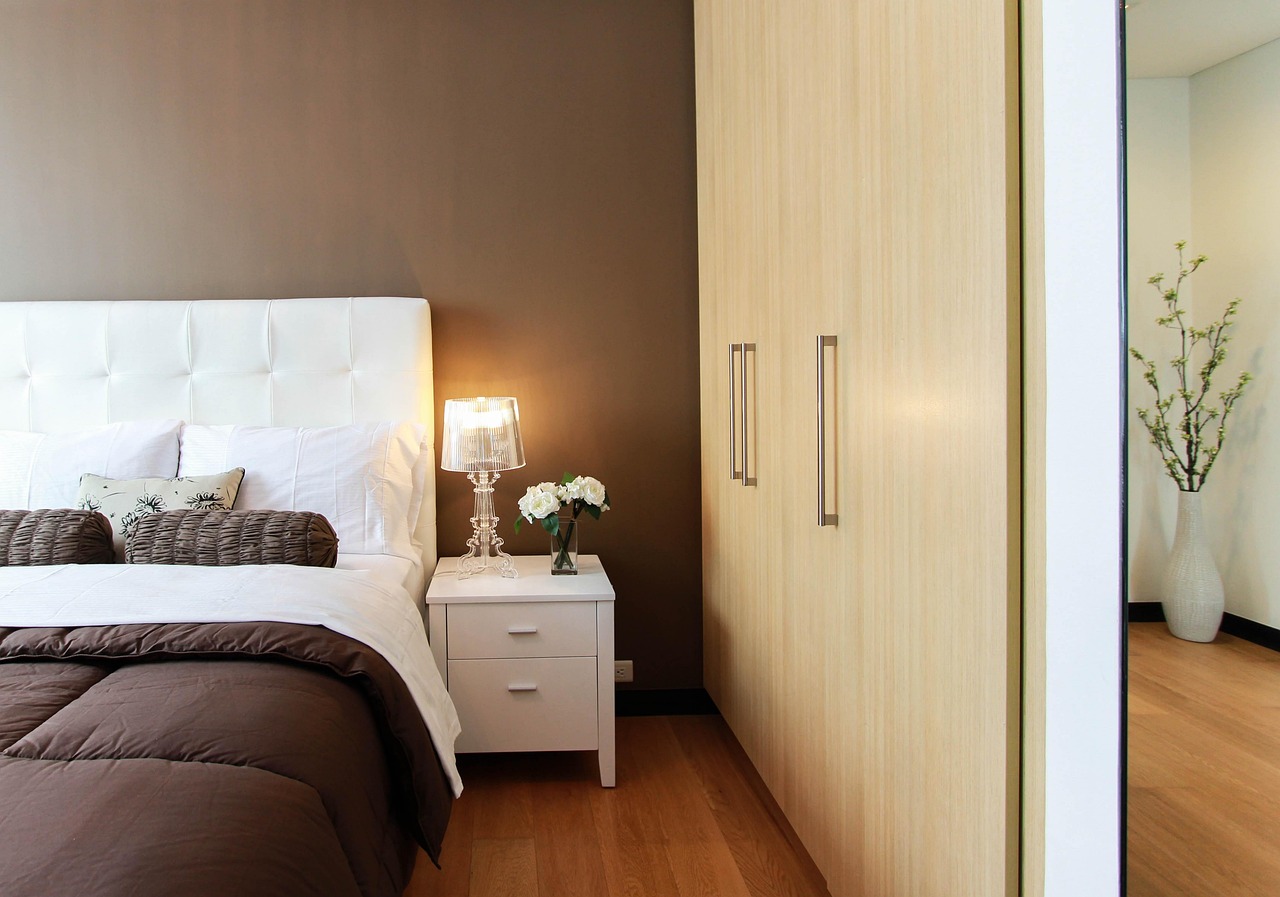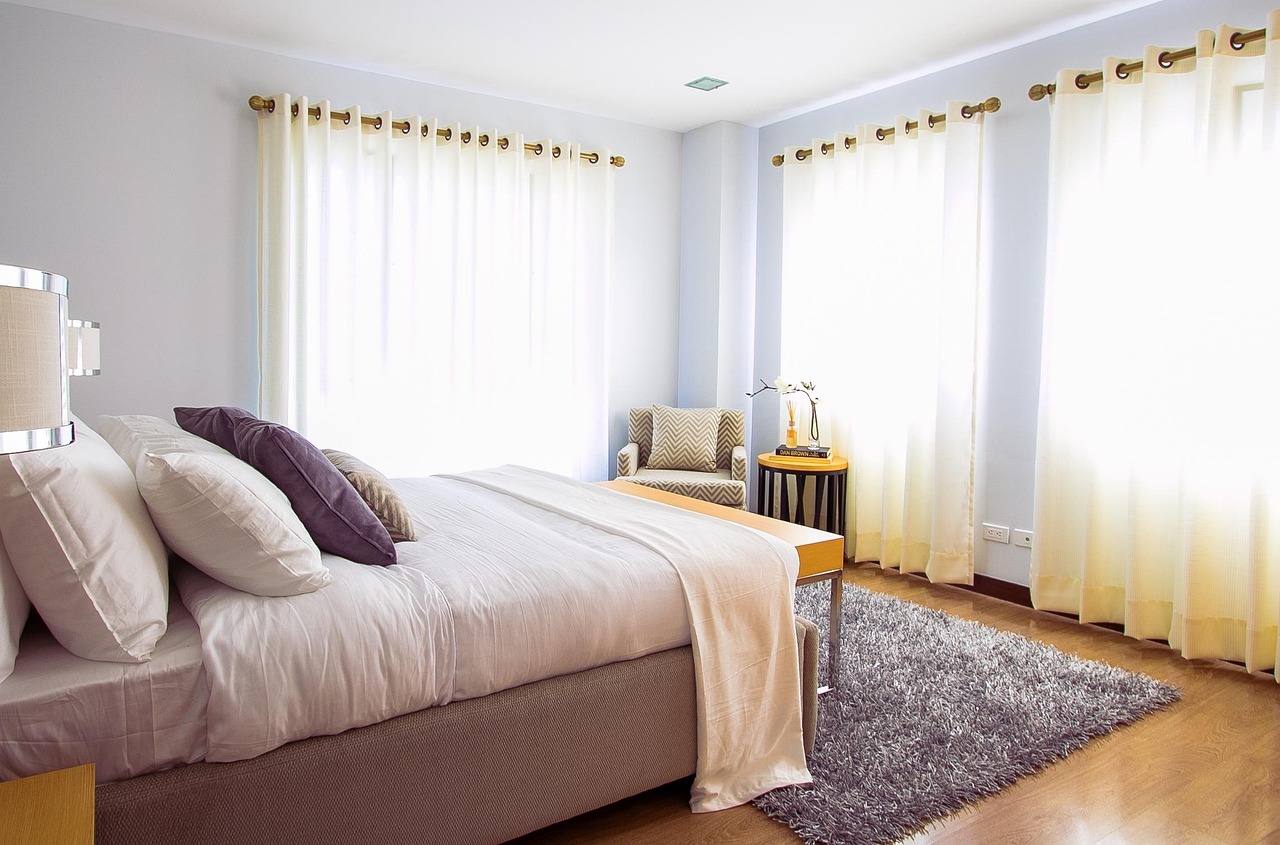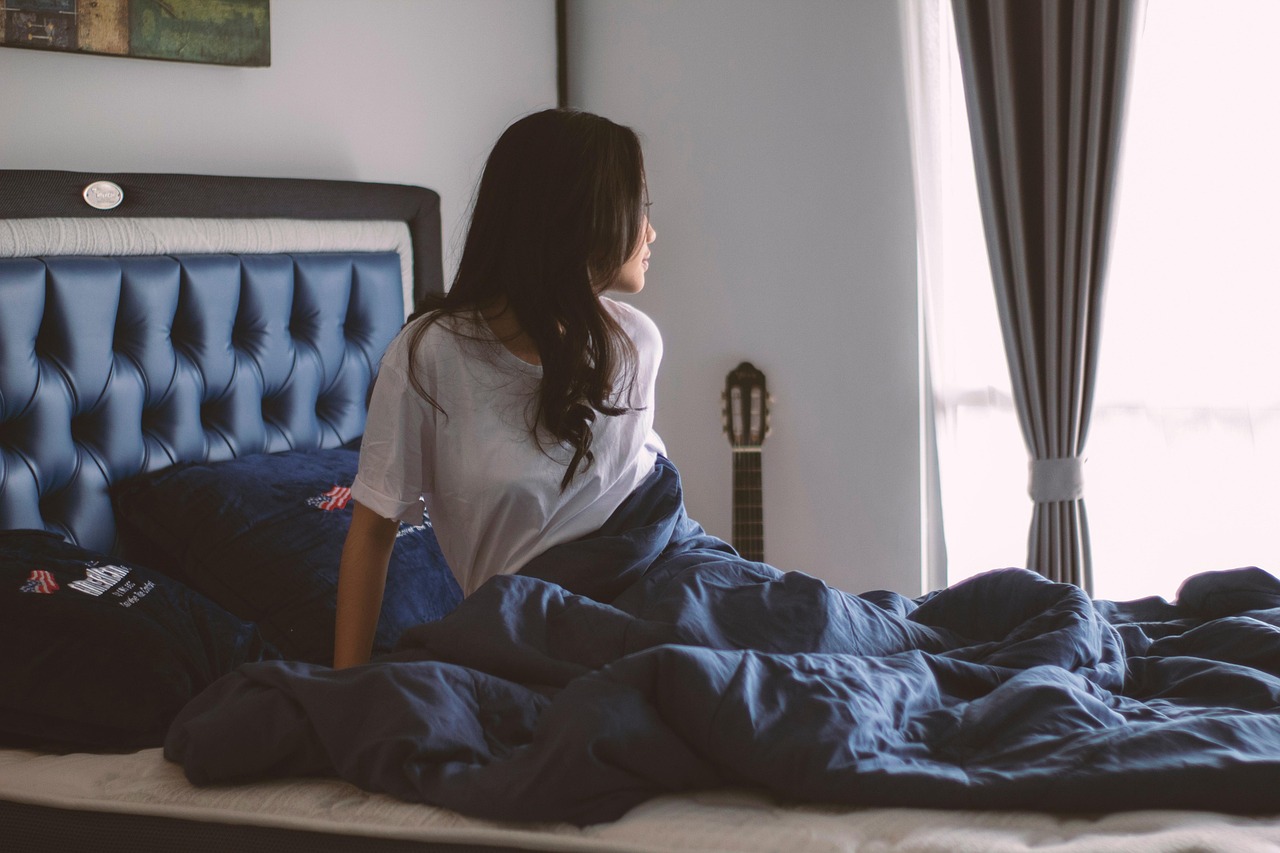
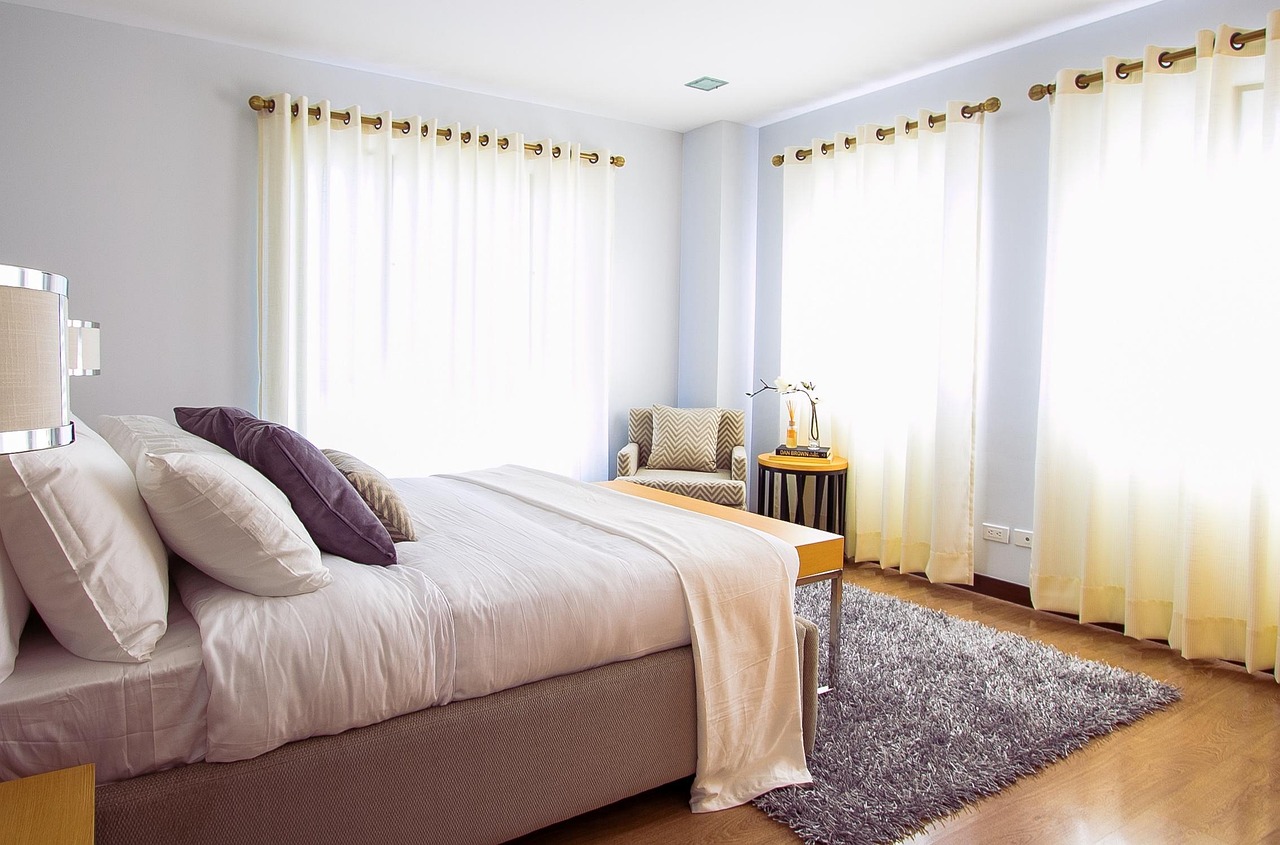
Bedroom psychology is the study of how environmental elements—decor, layout, lighting, colors, and organization—influence your emotional state, mood, and sleep quality. Drawing from environmental psychology and design psychology, this field examines how your bedroom functions as a personal sanctuary where every design choice impacts your psychological response.
In this article, we will explore how specific bedroom elements such as decor, lighting, and colors can influence your mood, sleep patterns, and overall psychological well-being.
This article equips you with research-backed strategies to transform your bedroom into a sleep-optimized environment. Whether you struggle with sleep disturbances, stress-related insomnia, or simply want to enhance your mental health through thoughtful home design, these practical changes can make a measurable difference.
Introduction: Link Between Bedroom Decor and Mental Health
The relationship between bedroom decor and mental health runs both ways. Cluttered or overly stimulating environments can exacerbate anxiety and mood disorders, while calming designs actively mitigate them.
Researchers found that disorganized bedrooms correlate with heightened cortisol levels and poorer sleep onset. A chaotic room signals disorder to your brain, triggering stress responses that prevent relaxation. Bedroom decor can also influence emotions, with soothing colors and organized spaces increasing feelings of calm, while harsh lighting or clutter may exacerbate emotional distress. Conversely, organized, serene setups activate your parasympathetic nervous system—the pathway responsible for rest.
The practical tips ahead cover neutral color adoption, lighting optimization, and stimulus control techniques to help you create a space that promotes relaxation and restful sleep.
How Bedroom Decor Influences Mood and Sleep Problems

Bedroom decor elements such as lighting, clutter, and layout have significant psychological effects on mental well-being and sleep, influencing mood, emotional states, and overall psychological health.
Clutter’s impact on sleep
Visual disorder in your bedroom increases insomnia risk by 20-30%. Your brain struggles to “shut off” amid perceived disarray, leading to prolonged wakefulness and fragmented rest. Every item on your nightstand competes for cognitive attention when you should be winding down.
Lighting choices and sleep onset
Exposure to bright or blue-toned light suppresses melatonin production by 50-80%, delaying your circadian rhythm. Warm, dim lighting below 3000K mimics sunset hues, signaling your body that it’s time for bed.
Furniture layout effects
Bed placement matters more than you might expect. Beds positioned in traffic paths or against walls create subconscious tension. Centered or diagonally placed beds enhance feelings of openness and security.
Research-backed interventions include minimalist layouts, dimmable warm LEDs, and blackout measures—yielding 15-25% improvements in sleep efficiency.
Designing a Sleep Sanctuary: Interior Design Principles
Bed placement for calm flow
Position your bed to command a view of the room, ideally facing the door without direct alignment. This arrangement evokes control and safety. Avoid placing beds directly under beams or in “coffin positions” that induce subconscious pressure.
Achieving balance in bedroom design is essential—pairing bold accents with neutral tones creates harmony and visual equilibrium, which can positively influence your mood and the overall atmosphere.
Smart storage to reduce visual clutter
Hidden organization prevents the “clutter tax” on your attention:
- Under-bed drawers for seasonal items
- Multifunctional furniture with built-in storage
- Closed nightstands instead of open shelving
Studies show decluttered spaces boost mood restoration by 40%.
Lighting layers for evening wind-down
Create three lighting layers:
| Layer | Color Temperature | Purpose |
|---|---|---|
| Ambient | 2700K warm | General illumination |
| Task | Adjustable | Reading, focused activities |
| Accent | Dimmable LEDs | Evening transition |
Noise-dampening materials
Wool rugs, upholstered headboards, and acoustic panels absorb echoes. In urban settings, ambient noise disrupts 30% of sleepers—soft materials create a sound buffer that helps you stay asleep through the night.
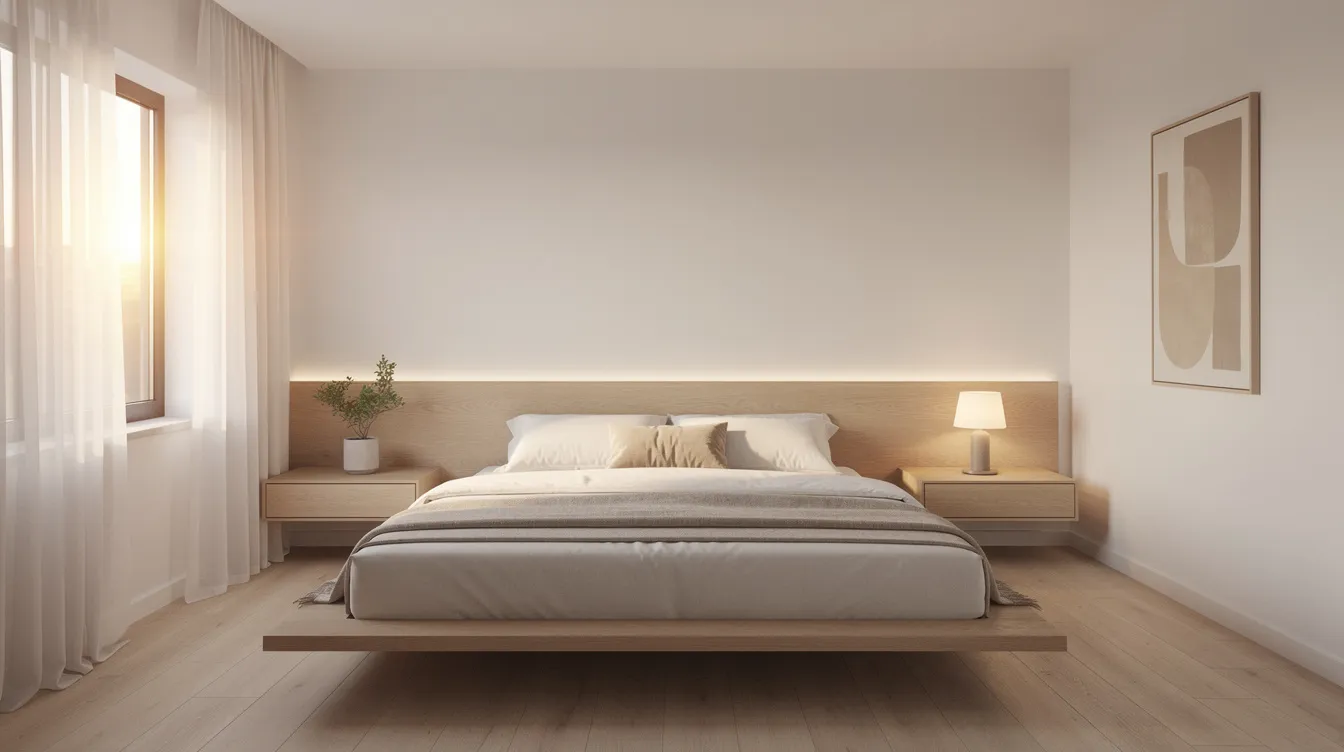
Colors, Textures, and Neutral Tones for a Good Night’s Sleep

Bedroom psychology – designing a sleep sanctuary: interior design principles
Neutral tones like soft grays, beiges, and off-whites form a calming backdrop by reflecting light evenly without overstimulation. Color psychology research reveals that blue bedrooms yield the longest sleep durations—up to 7-9 minutes more per night—due to lowered heart rates and blood pressure.
Greens promote tranquility through nature-linked restoration, while reds can energize but risk triggering nightmares in 15-20% of users.
The thoughtful combination of colors and textures in the bedroom creates a sense of calm and relaxation, positively influencing your overall well-being.
Adding warmth with accent textures
Tactile variety counters sterile minimalism:
- Linen duvets for breathability
- Knitted throws for cozy layering
- Velvet pillows for visual and tactile interest
Test colors under your actual bedroom lighting
Artificial bulbs alter how colors appear. Cool LEDs make warm tones look dull. Sample colors at dusk under your existing light to gauge accurate perception before committing to walls or large furniture pieces.
Practical Steps To Fall Asleep Faster: Good Sleep Hygiene and Stimulus Control
Core good sleep hygiene practices create the foundation for better sleep:
- Temperature: Maintain 60-67°F for optimal thermoregulation and 20-30% faster sleep onset
- Humidity: Target 40-60% to prevent respiratory discomfort
- Air quality: Ensure ventilation; stale air disrupts sleep patterns
These strategies not only support overall sleep quality but also help individuals fall asleep quicker by optimizing their sleep environment and routines.
Consistent sleep schedule
Set fixed sleep and wake times—even on weekends. This stabilizes your circadian rhythm and reduces sleep debt by 25%. When you wake at the same time daily, your body learns when to feel sleepy naturally.
Limit evening blue light
Avoid screens 2-3 hours before bedtime. Without this cutoff, sleep onset delays by approximately 1.5 hours. Use blue light filters if you must use devices.
Avoid heavy meals before bed
High-fat meals consumed within 3 hours of bedtime delay sleep by 30 minutes. Also avoid alcohol and avoid caffeine in the afternoon and evening—both fragment sleep architecture despite initial drowsiness.
Pre-sleep wind-down routine
A 30-minute routine signals neural wind-down. Options include:
- Reading physical books (not screens)
- Herbal tea without caffeine
- Light stretching or breathing exercises
This routine cuts sleep latency by 15 minutes on average.
Stimulus Control: Techniques To Strengthen Sleep Association
The 20-minute rule
If you’re still awake after 20 minutes in bed, get up. Move to another room and do something calming until you feel sleepy again. This prevents conditioning your brain to associate bed with wakefulness.
Bed purpose restriction
Use your bed only for sleep and intimacy. No work, no scrolling, no school assignments. This Pavlovian approach rewires your brain’s response to the bedroom environment.
Fixed morning wake time
Maintain the same wake time regardless of how you slept. Weekend sleep-ins desynchronize your internal clock by 1-2 hours, creating “social jet lag” that perpetuates sleep problems.
Strict adherence to stimulus control yields 50% insomnia remission within 4-6 weeks.
Addressing Common Sleep Problems and When To Seek Help

Bedroom psychology – practical steps to fall asleep faster: good sleep hygiene and stimulus control
Signs warranting professional consultation:
- Persistent insomnia (more than 3 nights per week for 3+ months)
- Daytime impairment affecting work or life quality
- Comorbid conditions like depression or anxiety
For example, chronic sleep deprivation can contribute to the development or worsening of mental health issues such as depression or anxiety.
Insomnia vs. circadian issues
Insomnia involves trouble initiating or maintaining sleep. Circadian disorders involve timing—you can fall asleep easily, just at the wrong times. Delayed Sleep Phase Disorder affects roughly 10% of adults and requires different interventions. Comorbid conditions, as well as other things like medical conditions or lifestyle factors, may also influence or coexist with sleep problems, making diagnosis and treatment more complex.
CBT-I as therapy
Cognitive Behavioral Therapy for Insomnia (CBT-I) achieves 70-80% efficacy through restructuring thoughts and sleep habits. Unlike medications, it produces lasting results without dependency risks. Many patients experience improvements that persist years after completing therapy.
Personal Style: Balancing Taste With Sleep Health
You don’t need to sacrifice personal style for sleep health. Preserve your aesthetic with calming accents:
- Nature prints or soft geometrics over abstract chaos
- Artwork depicting serene landscapes that lower arousal
- Decorative elements in muted, non-stimulating colors
Functional textiles
Match materials to your needs:
- Hot sleepers: breathable cotton or bamboo
- Cool sleepers: flannel or heavier weaves
- Allergy sufferers: hypoallergenic options reduce disrupted nights by 20%
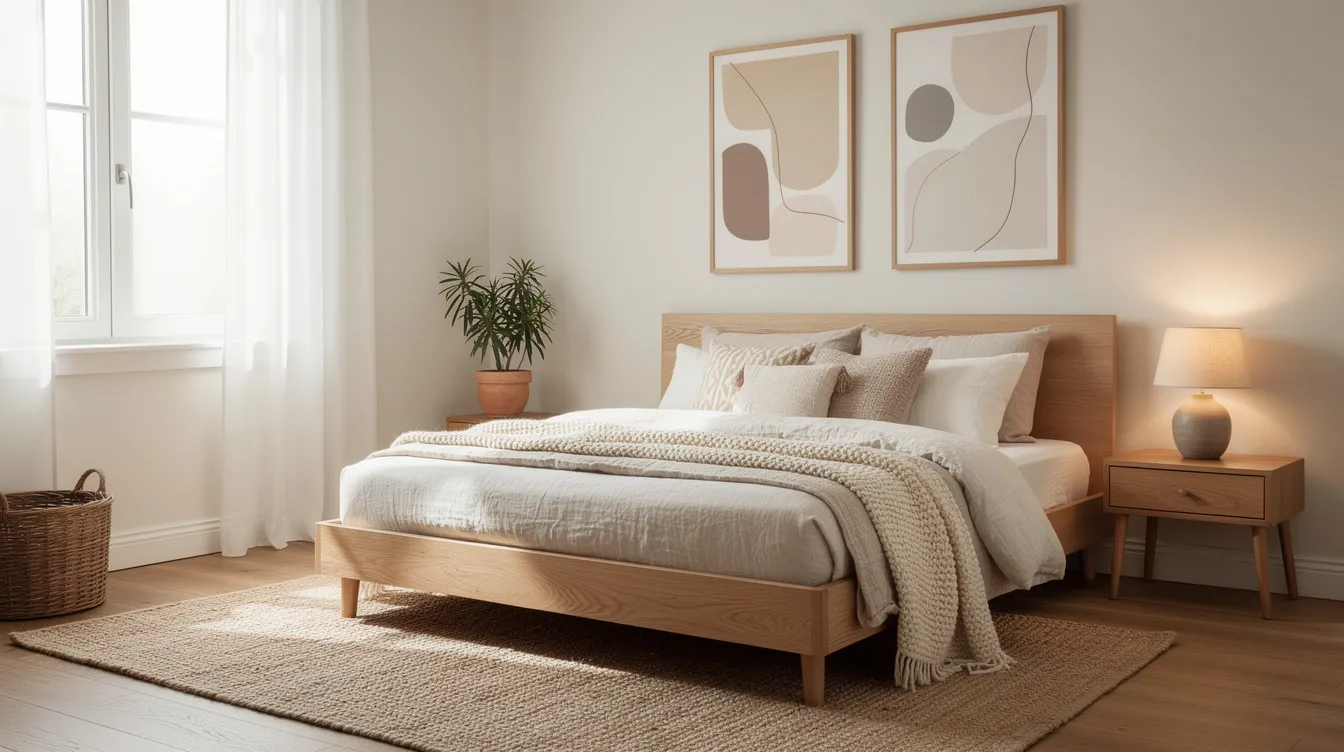
Health Outcomes: Sleep, Stress Reduction, and Blood Pressure
Getting enough sleep—7-9 hours nightly—lowers cortisol by 20-30% and enhances HPA axis regulation, directly reducing stress levels.
A thoughtfully designed bedroom environment can help reduce stress and promote relaxation, making it easier to unwind and improve overall emotional well-being.
Sleep regulates blood pressure through nocturnal dipping, a natural 10-20% decrease during rest. Chronic sleep deficits raise hypertension risk by 30%, according to meta-analyses.
Track for measurable changes
Wearable devices or sleep diaries reveal patterns. Many users report 15% efficiency gains post-bedroom redesign. Tracking creates accountability and helps you identify which changes deliver the most impact for your well being.
Checklist: Convert Your Room Into a True Sleep Sanctuary
Use this checklist to transform your space:
Declutter
- Limit nightstand items to fewer than 5
- Clear floor space of obstacles
- Remove work materials and electronics
Lighting
- Install dimmable bulbs (2700K warm tone)
- Add bedside lamps with adjustable brightness
- Eliminate standby lights from devices
Light blocking
- Switch to blackout curtains blocking 99% of light
- Keep a sleep mask accessible for morning light
Sleep surface
- Select medium-firm mattress (reduces back pain by 50%)
- Choose supportive pillows matching sleep position
- Use breathable, temperature-regulating bedding
Following these steps can help ensure a good night’s sleep and support overall health.
Resources and Further Reading
Key references:
- NIH Sleep Hygiene Guidelines
- American Academy of Sleep Medicine stimulus control protocols
- Sleep Foundation for specialist directories
Recommended reading:
- Why We Sleep by Matthew Walker for understanding sleep mechanisms
- Environmental psychology journals for deeper bedroom design research
Conclusion: Steps Toward A Better Night’s Sleep
Bedroom psychology offers a practical framework for improving sleep through intentional design. The top actionable changes—decluttering surfaces, adopting neutral warm tones, layering lighting, and practicing good sleep hygiene—can yield 20-40% improvements in sleep quality.
Start small. Pick one intervention tonight: clear your nightstand, dim your lights an hour before bedtime, or set a consistent wake time for the coming week. Track your results and build from there.
Your bedroom is more than furniture and walls—it’s the environment where you spend a third of your life. Design it with intention, and a good night’s sleep becomes the foundation for everything else.