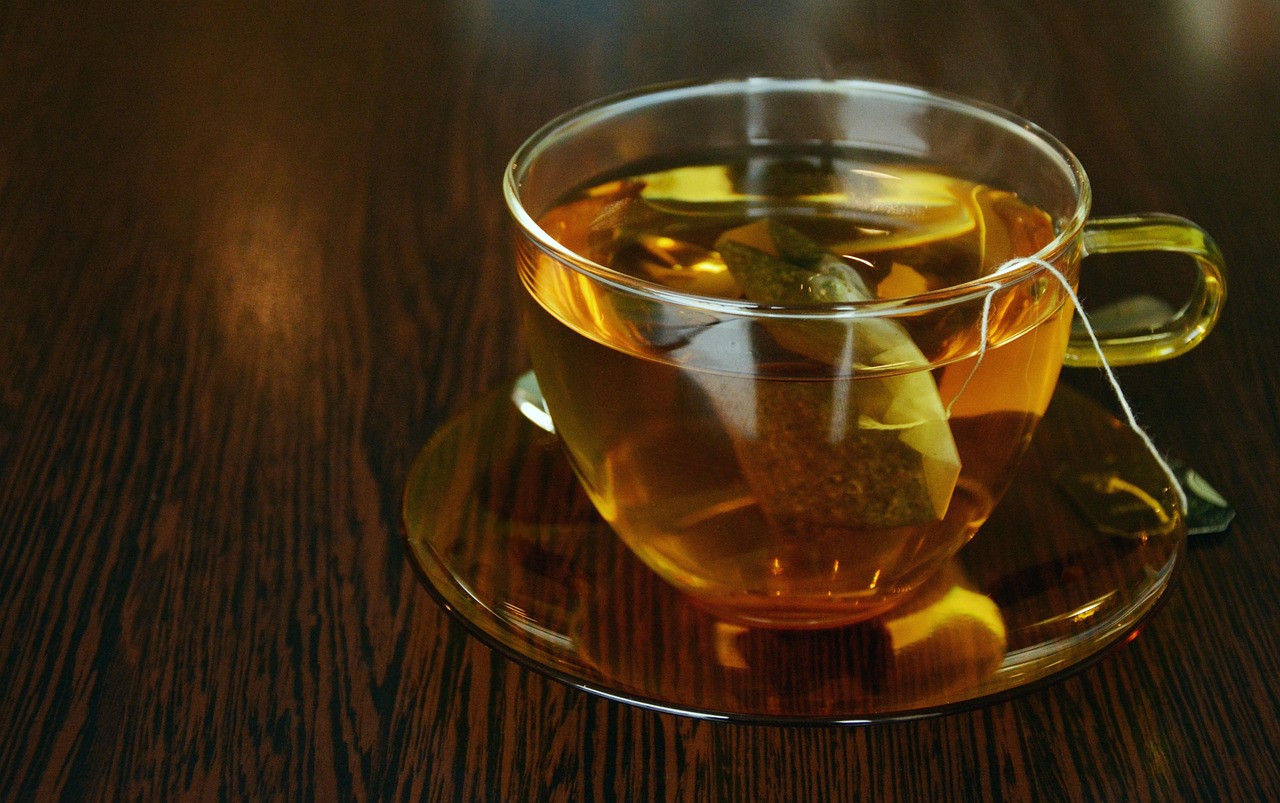
If you’ve ever found yourself staring at the ceiling at 2 AM, you’re not alone. Up to 50% of adults report experiencing mild sleep disturbances annually, from trouble sleeping to waking too early. While prescription medications offer one path, many people are turning to herbal teas for sleep as a gentler first step.
This guide breaks down the evidence behind popular sleep-supporting herbs, provides practical recipes, and helps you understand when natural remedies make sense versus when to seek professional help.
Overview: Herbal Teas As Natural Sleep Aids
Herbal teas for sleep include non-caffeinated infusions made from flowers, roots, leaves, or blends with purported sedative or relaxing properties. These teas address mild sleep problems like difficulty initiating sleep, maintaining sleep, or achieving restful sleep.
The difference between a sleep aid and sleep medicine matters. Sleep medications like benzodiazepines or zolpidem act potently on GABA receptors with rapid onset but carry risks of dependence and tolerance. Herbal medicine, by contrast, offers milder, indirect modulation of neurotransmitters. Chamomile’s apigenin or valerian’s valepotriates promote gradual relaxation without the same regulatory oversight or potency.
These teas work best for occasional insomnia, stress-induced sleep latency over 30 minutes, nocturnal awakenings, or suboptimal subjective sleep quality rather than severe disorders.
Target readers include adults seeking natural ways to support sleep hygiene, those hesitant about prescription medications, or anyone exploring complementary and integrative health approaches before escalating to pharmaceutical interventions.
Top Herbal Teas To Help You Fall Asleep And Get Better Sleep

Herbal teas for sleep – overview: herbal teas as natural sleep aids
Selecting which herbs to try shouldn’t be random. The teas featured here were chosen based on:
- Randomized controlled trial support demonstrating improvements in sleep metrics
- Traditional use spanning centuries in established herbal medicine systems
- Favorable safety profiles at recommended doses
- Effect sizes and Jadad quality scores from reviewed trials
| Herb | Primary Benefit | Onset Time | Evidence Strength |
|---|---|---|---|
| Chamomile | Sleep quality improvement | 30-60 min | Moderate (RCTs in elderly) |
| Valerian | Sleep latency reduction | 30-60 min | Mixed (stronger for chronic use) |
| Lavender | Anxiety relief, fatigue reduction | 30 min | Strong for anxiety, moderate for sleep |
| Passionflower | Sleep initiation | 45 min | Moderate (blend studies) |
| Lemon Balm | Nervous relaxation | 45 min | Moderate (blend studies) |
| Lemon Verbena | Gentle calming | 45 min | Preliminary |
| Tart Cherry | Melatonin elevation | 60 min | Preliminary |
Prioritize herbs with randomized controlled trial support when choosing your first options.
Chamomile: Common Herbal Sleep Aid
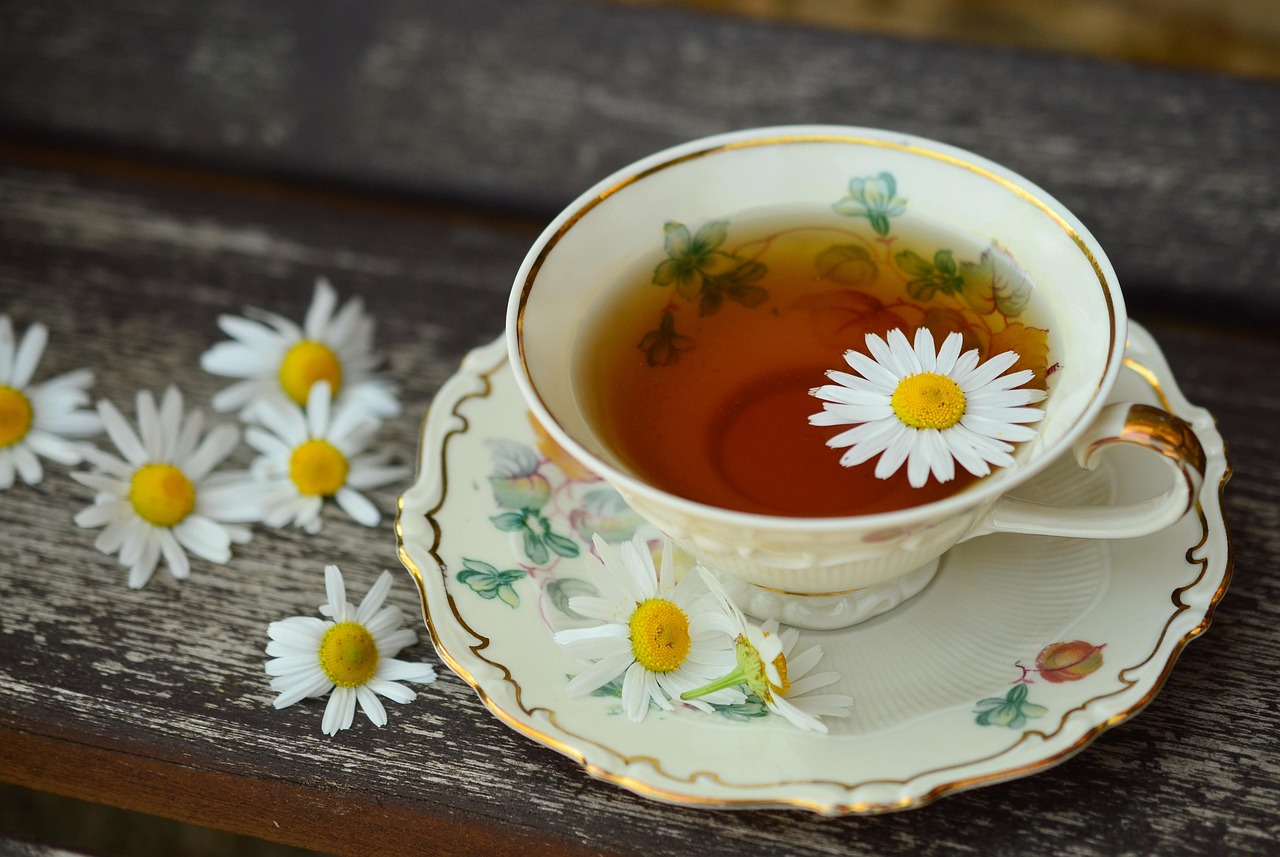
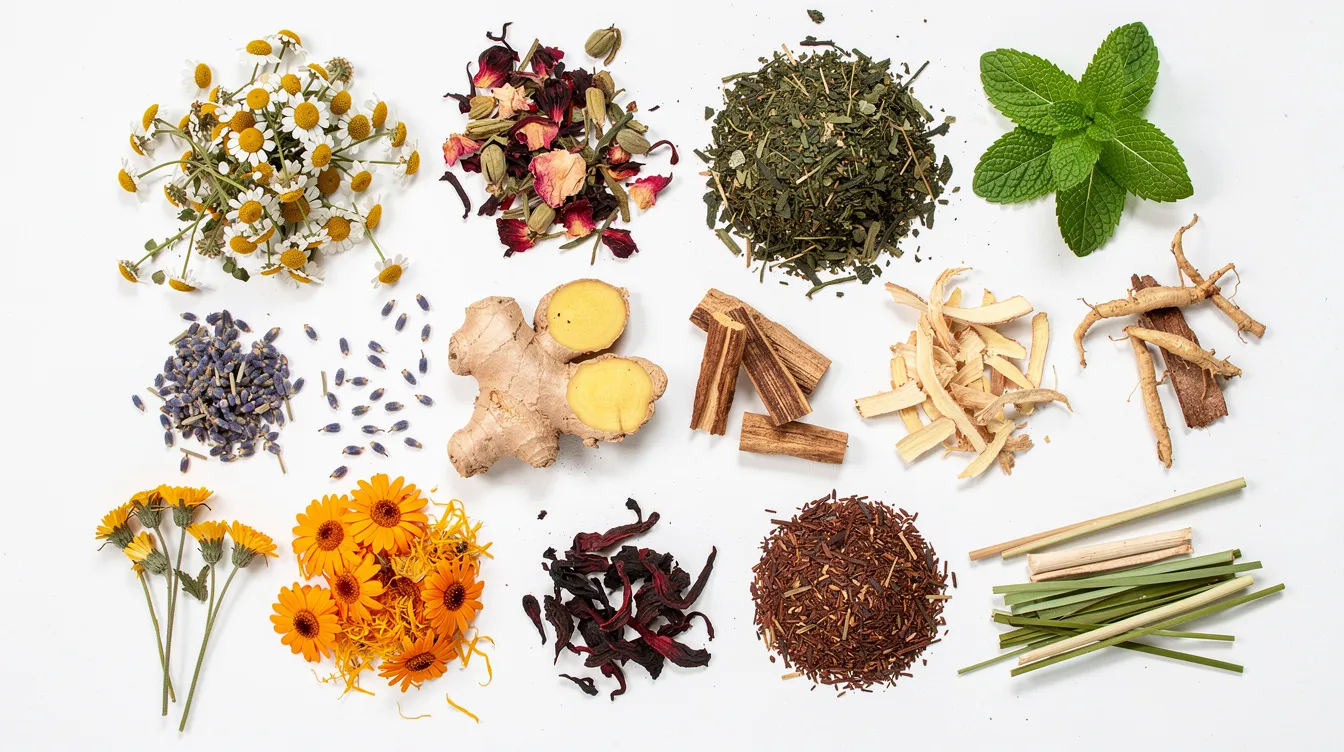
Chamomile tea, derived from Matricaria recutita flowers, has been used since ancient Egypt and Greece as a digestive calmer and mild sedative. The active compound apigenin binds to benzodiazepine receptors, mimicking mild tranquilizer effects without the associated risks.
Key research findings:
A single-blind trial with 60 elderly participants taking chamomile extract twice daily for 28 days showed significant PSQI improvements in overall sleep quality and latency. Another trial with 80 postpartum women drinking one cup daily for two weeks demonstrated enhanced sleep alongside reduced depressive symptoms.
Preparation:
- Use 1-2 teaspoons (2-4 grams) dried flowers
- Steep in 8 oz water at 90°C for 5-10 minutes
- Consume 30-60 minutes before bed
Safety notes: Allergic reactions may occur in ragweed-sensitive individuals. Chamomile contains coumarins that could theoretically interact with anticoagulants like warfarin, though clinical significance at tea doses is low. Consult your doctor if you take blood thinners.
Valerian: Sleep Aid for Sleep Onset
Valerian root has been used since Hippocratic times for insomnia and anxiety. Its compounds, including isovaleric acids and valepotriates, inhibit GABA reuptake to promote calming action.
Evidence strength and limitations:
The research picture is mixed. High-quality studies (Jadad score 5) show reduced wake after sleep onset, improved latency, and up to 90% subjective improvement. However, other trials found no polysomnographic changes with single doses.
Meta-analyses suggest valerian works better for chronic insomnia with 4 weeks of consistent use rather than acute, one-time consumption.
Practical dosing:
- Steep 2-3 grams root in hot water for 10-15 minutes
- Take 30-60 minutes before bed
- Allow 2-4 weeks for full benefit evaluation
Cautions: About 5-10% of users report morning grogginess. Avoid combining with alcohol or other sedatives, as this amplifies CNS depression. Rare hepatotoxicity has been reported at high chronic doses.
Lemon Verbena: Gentle Fall-Asleep Tea
Lemon verbena (Aloysia citrodora) originates from South America and features a pleasant lemony flavor prized in traditional Peruvian and European folk medicine for digestion and mild sedation.
Clinical trial evidence remains limited. Small observational studies note subjective relaxation aiding the ability to fall asleep, but large-scale PSQI validations are lacking. This makes it a good option for those seeking a gentle, pleasant-tasting tea without strong sedative effects.
Steeping method:
- Use 1-2 teaspoons leaves
- Water temperature: 185-195°F (85-90°C)
- Steep 5-7 minutes
- Drink 45 minutes before bed
The non-bitter taste makes lemon verbena an excellent choice for tea newcomers or those sensitive to stronger herbal flavors.
Lavender: Aromatic Tea And Sleep Support
Lavender integrates both tea consumption and aromatherapy traditions from Mediterranean herbalism. The key compounds linalool and linalyl acetate modulate serotonin and GABA pathways.
Research findings:
The Kasper et al. trials (2010 with 221 participants; 2015 with 539 participants) using 80 mg Silexan (oral lavender oil) demonstrated significant PSQI sleep quality gains and HAM-A anxiety reductions versus placebo. An open-label trial with 47 participants over 6 weeks showed reduced nocturnal awakenings.
Tea-specific studies indicate short-term benefits like reduced fatigue after single cups, though effects may diminish by 4 weeks.
Dosage and preparation:
- Steep 1 teaspoon flowers for 5 minutes at near-boiling
- Cover your mug while steeping to retain aromatic compounds
- Drink 30 minutes before bed
Lavender works particularly well for those whose poor sleep quality stems from anxiety or stress.
Passionflower And Lemon Balm: Calming Blend Options
Passionflower (Passiflora incarnata) was used by Aztec and colonial American healers for calming insomnia and nervous tension. Its flavonoids, particularly chrysin, act on GABA receptors to hasten sleep initiation.
Lemon balm (Melissa officinalis), a Mediterranean mint-family herb, contains rosmarinic acid that inhibits GABA transaminase for relaxation. Medieval herbalists used it for nervous tension.
Research on blends shows promise. The Maroo et al. trial using valerian-passionflower-hop for two weeks improved latency, awakenings, and insomnia severity scores without motor impairment.
Single-herb preparation:
- Passionflower: 1-2 teaspoons steeped 10 minutes
- Lemon balm: 1-2 teaspoons steeped 5-7 minutes
Blend preparation:
Combine equal parts passionflower and lemon balm for synergistic calming. This blend promotes relaxation without the heavy sedation some experience with valerian alone.
Other Notable Teas (Tulsi, Holy Basil, Tart Cherry)
Several additional herbs show preliminary sleep evidence:
Tulsi (Holy Basil): An adaptogen in Ayurvedic tradition with preliminary RCTs showing cortisol reduction. One study with 150 participants demonstrated a 20% PSQI drop, suggesting benefits for stress-related sleep issues.
Tart Cherry: Contains natural melatonin. Trials show up to 15-20% melatonin elevation and sleep duration extension of 84 minutes. Particularly beneficial for elderly individuals with low endogenous melatonin.
Trial these herbs when:
- Primary sleep issues relate to stress (try tulsi)
- You suspect low melatonin levels (try tart cherry)
- Standard options haven’t worked adequately
Track your subjective sleep changes in a diary over two weeks before drawing conclusions.
Evidence: Randomized Controlled Trial, Systematic Review, Meta Analysis Findings
Understanding the research landscape helps set realistic expectations for these dietary supplements.
Major RCT outcomes:
- Valerian: Five high-Jadad studies positive for latency and quality, others neutral
- Chamomile: Consistent PSQI gains in elderly and postpartum populations
- Lavender (Silexan): Significant HAM-A anxiety reductions with effect sizes of 0.5-0.8 SMD
Systematic review conclusions:
A 2020 analysis of 31 studies concluded there is preliminary but conflicting evidence for mild disturbances. Average Jadad scores reached 3.4 out of 5, indicating moderate quality. Top trials showed low bias risk, though sample sizes commonly remained under 100 participants.
Meta analysis findings:
- Lavender demonstrates significant anxiety-sleep link (SMD -0.6 for HAM-A)
- Valerian shows marginal benefit for chronic use (RR 1.8 for response vs. placebo)
- Blends like valerian-hop outperform single herbs (sleep time +30-60 minutes)
Overall evidence quality is moderate due to heterogeneity in dosing and product forms across studies.
Researchers continue investigating these herbal supplements, and the evidence base is growing.
Herbal Teas As A Sleep Aid For Chronic Insomnia

Herbal teas for sleep – evidence: randomized controlled trial, systematic review, meta analysis findings
For persistent insomnia (PSQI scores above 10 persisting over 3 months), herbal teas offer modest adjunctive help rather than standalone solutions.
Studies suggest 20-30% ISI reduction with 4-week valerian use for chronic cases. However, clinical practice guideline recommendations emphasize combining natural approaches with evidence-based behavioral interventions.
CBT-I (Cognitive Behavioral Therapy for Insomnia):
This represents the gold standard for chronic insomnia treatment, with 70-80% response rates according to AASM guidelines. Herbal teas complement CBT-I by:
- Supporting the wind-down routine component
- Providing a behavioral cue for bedtime
- Offering mild physiological relaxation
When to seek sleep medicine referral:
- Symptoms persist after 4-6 weeks of tea use plus sleep hygiene improvements
- Comorbid conditions like sleep apnea (AHI>15) are suspected
- Depression or anxiety significantly interfere with function
- Hypersomnia symptoms appear
Teas alone won’t resolve underlying health conditions requiring medical treatment.
How To Use Herbal Teas: Natural Ways To Fall Asleep
Timing and preparation matter significantly for maximizing benefit.
Ideal timing before bed:
| Herb | Minutes Before Bed |
|---|---|
| Chamomile | 45-60 |
| Valerian | 45-60 |
| Lavender | 30 |
| Passionflower | 45 |
| Lemon Balm | 45 |
Steeping specifications:
| Herb | Water Temperature | Steep Time |
|---|---|---|
| Chamomile | 90°C (194°F) | 5-10 min |
| Valerian | 95°C (203°F) | 10-15 min |
| Lavender | Near-boiling | 5 min |
| Passionflower | 95°C | 10 min |
| Lemon Balm | 90°C | 5-7 min |
Nightly routine integration:
- Begin wind-down 60 minutes before target sleep time
- Dim lights and put away screens
- Prepare tea with proper steeping
- Sip slowly while journaling or reading
- Complete any remaining bedtime hygiene
Trial period: Evaluate any herb for 2-4 weeks before concluding whether it helps. Track sleep quality using a simple diary or PSQI self-assessment.

Practical Recipes, Preparations, And Forms

Herbal teas for sleep – how to use herbal teas: natural ways to fall asleep
Simple Single-Herb Recipes
Classic Chamomile Tea:
- 2 teaspoons dried chamomile flowers
- 8 oz water at 200°F
- Steep 7 minutes, strain, enjoy
Valerian Root Tea:
- 3 grams dried valerian root
- Simmer (not boil) in water for 10 minutes
- Strain; consider adding honey to mask earthy taste
Blend Recipes
Passionflower-Lemon Balm Calming Blend:
- 1 teaspoon passionflower
- 1 teaspoon lemon balm
- Steep together 5-7 minutes in 8 oz hot water
Sleep Support Trio (based on Maroo RCT):
- Equal parts valerian, hop flowers, passionflower
- Use 1 tablespoon total blend
- Steep 10 minutes
Tinctures vs. Infusions
Tinctures offer 2-3x higher bioavailability for lipophilic compounds compared to water infusions. Take 1-2 ml sublingually 30 minutes before bed for faster absorption.
Storage tips:
- Dried herbs: Airtight container, cool and dark location, 6-12 month shelf life
- Tinctures: Refrigerated, up to 2 years
- Pre-blended teas: Check expiration dates; generally safe 12-18 months
Safety, Interactions, And Blood Pressure Considerations
These herbs are generally safe at recommended doses, but important considerations exist.
Drug interactions to verify with your clinician:
| Herb | Potential Interaction | Risk Level |
|---|---|---|
| Valerian | Benzodiazepines, sedatives, alcohol | Moderate-High |
| Chamomile | Warfarin (anticoagulants) | Low |
| All sedating herbs | CNS depressants | Variable |
Blood pressure effects:
Most sleep-supporting herbs have minimal blood pressure impact. Valerian appears neutral. Hawthorn (sometimes combined with sleep herbs) may lower systolic blood pressure by approximately 5 mmHg.
Pregnancy considerations:
Avoid valerian and chamomile during pregnancy due to theoretical uterine stimulant potential (category B/C). Passionflower lacks adequate safety testing in pregnancy. Consult your doctor before using any herbal supplements while pregnant.
Product quality:
Prioritize USP-verified products tested for heavy metals and pesticides. Look for certificates of analysis showing lead levels below 0.5 ppm.
Integrating Herbal Teas With Other Natural Remedies
Herbal teas work well alongside other integrative health approaches.
Complementary natural sleep aids:
- Magnesium glycinate (300-400 mg): Synergizes with GABA pathways
- L-theanine (200 mg): Promotes alpha brain waves when combined with tea
- Tart cherry juice: Elevates endogenous melatonin
Relaxation techniques to pair with tea:
- 4-7-8 breathing: Inhale 4 seconds, hold 7 seconds, exhale 8 seconds
- Progressive muscle relaxation during steeping time
- Gentle stretching or yoga
- Regular exercise earlier in the day (not within 3 hours of bed)
Physical activity supports circadian rhythms and improves sleep quality, but time it appropriately.
Cautions:
- Avoid mixing multiple sedating supplements (e.g., kava with valerian increases hepatotoxicity risk)
- Don’t combine herbal sedatives with alcohol
- Space herbal teas 2 hours from prescription sleep aids
When To Seek Medical Advice From Sleep Medicine
Herbal teas have limits. Recognize when professional evaluation is necessary.
Red flags requiring urgent medical attention:
- Unintentional weight loss exceeding 10%
- Loud snoring with gasping (suggests sleep apnea)
- Daytime seizures or falls
- Significant mood changes or depression
- Insomnia persisting over 3 months despite hygiene improvements
When to refer to a sleep medicine specialist:
- Teas and CBT-I fail after 4-6 weeks
- Symptoms suggest underlying disorders
- Daytime functioning significantly impaired
- Partner observes breathing pauses during night
A board-certified sleep specialist (AASM-certified) can order polysomnography and provide targeted treatment for poor sleep that doesn’t respond to self-care measures.
FAQ And Practical Guidance For Readers
Can herbal teas cause dependence?
No. Unlike benzodiazepines (which cause dependence in 30-50% of long-term users), herbal teas show no tolerance development in RCTs lasting up to 8 weeks. You can stop anytime without withdrawal symptoms.
Do herbal teas interact with prescription sleep aids?
Yes, potentially. Combining herbs like valerian with medications like zolpidem may amplify sedation. Space consumption at least 2 hours apart and consult your doctor before combining. Always inform your clinician about any supplements you take.
How long until I see benefit?
Set realistic expectations:
- Single-night: Some users notice relaxation
- 1-2 weeks: Mild improvements common
- 2-4 weeks: Full evaluation period for consistent herbs like valerian
- Expected improvement: 10-30% PSQI reduction for mild cases
These teas support better sleep but don’t cure underlying disorders. They work best as part of comprehensive sleep hygiene including consistent bedtime, limited light exposure, and mental health support.
Are herbal teas safe for long-term use?
Most studied herbs show safety profiles up to 8 weeks. For longer use, cycling between different herbs or taking periodic breaks makes sense, though specific guidelines are lacking.
References And Further Reading: Systematic Review And Meta Analysis Sources
Key randomized controlled trials:
- Kasper et al. (2010, 2015): Silexan lavender oil trials
- Maroo et al.: Valerian-passionflower-hop blend study
- Chamomile trials in elderly and postpartum populations
Systematic reviews:
- PMC 2020 analysis of 31 herbal sleep studies
- Meta-analyses on lavender for anxiety-related sleep disturbance
Authoritative resources:
- American Academy of Sleep Medicine (AASM) clinical guidelines
- National Center for Complementary and Integrative Health (NCCIH)
- ConsumerLab product testing reports
For well being and mental health support related to sleep, organizations like the Sleep Foundation provide additional educational resources.
Starting with one herb for two weeks while tracking your sleep quality in a simple journal gives you the clearest picture of what works for your body. A consistent nightly tea ritual combined with good sleep hygiene may provide the natural support you need for better sleep without jumping straight to pharmaceutical options.