Most adults believe at least one myth about sleep that actively undermines their rest. A 2019 study published in Sleep Health analyzed over 8,000 websites and identified 20 prevalent misconceptions that sleep experts rated as both false and harmful to public health. These sleep myths perpetuate poor sleep habits and contribute to chronic sleep deprivation affecting millions.
This guide addresses the most damaging myths about sleep, explains what current research actually shows, and provides actionable strategies for achieving quality sleep and optimal health.
Overview of Myths About Sleep
Sleep experts have identified several categories of beliefs that harm sleep quality:
- Duration myths: Thinking you can thrive on less sleep or catch up later
- Substance myths: Believing drinking alcohol helps you sleep
- Environment myths: Underestimating temperature and light effects
- Health myths: Dismissing snoring or oversleeping as harmless
Whether you struggle to fall asleep, wake frequently, or simply feel tired despite spending time in bed, understanding these myths can transform your approach to rest.
Hours of Sleep: Myth That Less Sleep Is Fine
The body does not adapt to chronic sleep loss. While you may feel subjectively adjusted after weeks of insufficient sleep, performance metrics continue declining. Getting enough sleep—at least seven hours per night for most adults—is essential for optimal cognitive, physical, and mental health. Not getting enough sleep increases the risk of health problems, impairs performance, and can lead to serious long-term consequences. This creates a dangerous gap between perceived function and actual impairment.
The rare exception: A small minority (estimated at 1-3% of the population) carry genetic mutations allowing them to function on 4-6 hours without deficit. Unless you’ve been evaluated for this phenotype, assume you need the standard seven to nine hours.
When to seek help: If you consistently sleep fewer hours yet experience excessive daytime sleepiness, fatigue, or difficulty concentrating, consult a healthcare provider. Sleep issues may indicate underlying health conditions requiring medical evaluation.
Nighttime Sleep: Myth You Can Catch Up Later
Weekend catch-up sleep seems logical but delivers limited benefits. While recovery after brief sleep deprivation (one or two nights) can restore cognitive baseline, chronic sleep debt creates problems that extra weekend hours cannot fix.
Only a full night’s sleep provides the restorative benefits necessary for optimal health. Naps or partial sleep cannot replace the value of a full night’s sleep, as they do not allow your body to complete all the essential sleep cycles needed for recovery.
Why consistency matters:
Shifting your sleep schedule significantly between weekdays and weekends confuses your circadian rhythm. Your brain’s master clock, the suprachiasmatic nucleus, responds to these shifts with what researchers call “social jet lag”—fragmented sleep and reduced alertness despite logging more sleep hours.
Studies show sleeping 10+ hours on weekends can actually disrupt Monday rhythms more than it helps. The better approach is maintaining a consistent sleep schedule, going to bed and waking at similar times daily.
Track your sleep debt: Use a simple log or app to quantify cumulative hours below your target. This reveals patterns invisible when you’re only counting weekend totals.
Fall Asleep Strategies (If You Can’t Fall Asleep)
When you can’t fall asleep, staying in bed often makes things worse by strengthening the association between your bed and wakefulness.
Evidence-based approach:
- Leave bed after 20 minutes of wakefulness
- Engage in calming activities in dim light (reading print books, deep breathing exercises)
- Avoid screens—blue light suppresses melatonin production by 23-55%
- Return to bed only when you feel sleepy, as recognizing this cue can help improve sleep onset and quality
This stimulus control technique forms a core component of cognitive behavioral therapy for insomnia, which outperforms sleep medications by 50-70% in long-term remission rates.
Daytime Naps: Myth That Naps Fully Replace Nighttime Sleep

Common sleep myths – nighttime sleep: myth you can catch up later
Daytime naps provide real benefits but cannot substitute for a full night’s sleep. Your sleep cycle includes multiple 90-minute phases with distinct sleep stages, including REM and slow-wave sleep essential for memory consolidation and immune function.
Nap recommendations:
| Nap Length | Effect |
|---|---|
| Under 30 minutes | Alertness boost without grogginess |
| 10-20 minutes | Optimal—34% attention improvement documented |
| Long naps (30+ minutes) | Risk of sleep inertia and nighttime interference |
Schedule short naps between 1-3pm, before your natural circadian dip, to maximize benefits without disrupting nighttime sleep.
Drinking Alcohol: Myth That Alcohol Improves Sleep
Alcohol’s sedative effect creates a convincing illusion of better sleep. Initial relaxation via GABA enhancement helps you fall asleep faster—but the second half of the night tells a different story.
What alcohol actually does:
- Suppresses REM sleep by 20-50%
- Fragments sleep continuity
- Makes it harder to stay asleep throughout the night, leading to more frequent awakenings and reduced sleep quality
- Provokes awakenings between 2-4am as metabolism rebounds
- Relaxes throat muscles, increasing sleep apnea risk
- Leaves you feeling unrefreshed despite perceived depth
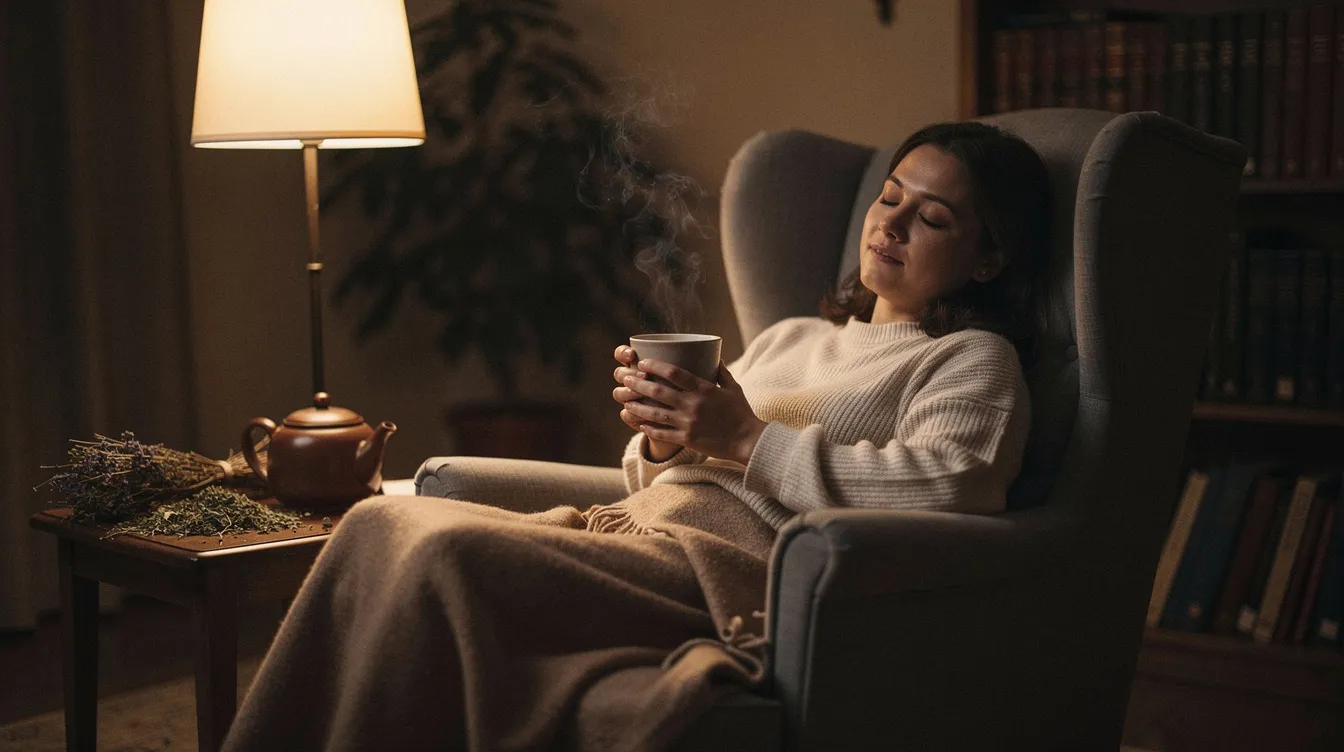
Even one serving disrupts sleep quality metrics by 15-25% on polysomnography. For better sleep, avoid drinking alcohol within 3-4 hours of bedtime. Alternatives like herbal tea preserve sleep architecture while providing evening relaxation.
Good Night’s Sleep: Myths About Environment and Habits

Common sleep myths – drinking alcohol: myth that alcohol improves sleep
Your sleep environment directly affects sleep quality through mechanisms many people underestimate.
Temperature: Keep your bedroom cool—optimal range is 60-67°F (mid-60s). Your core body temperature must drop 1-2°C for sleep onset, and warmer rooms interfere with this thermoregulation.
Light: Total darkness matters even with eyes closed. Light exposure during sleep raises melatonin delay by hours and has been linked to weight gain via leptin disruption. Remove screens from the bedroom entirely.
Routine: A consistent 30-minute wind-down routine cues your pineal gland and can improve sleep latency by 10-20 minutes. Avoid watching TV or using phones during this period.
Sleep hygiene checklist:
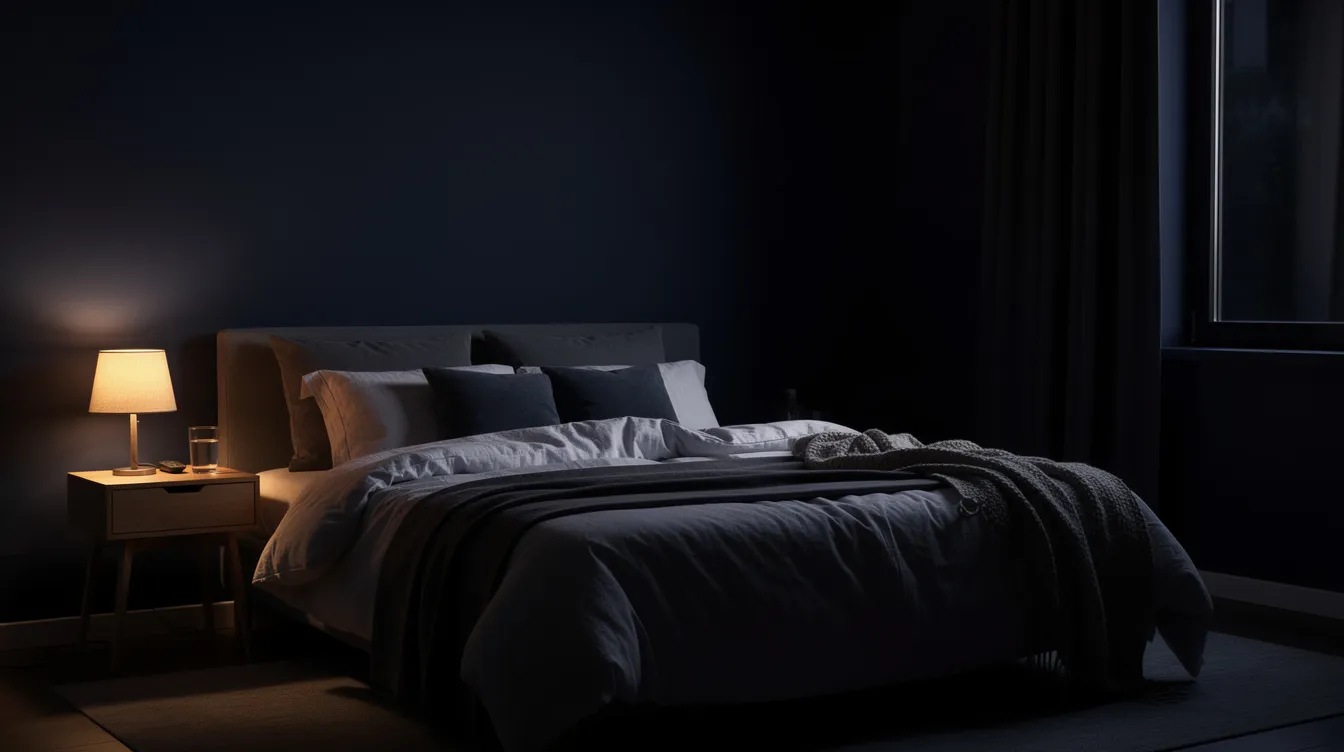
- Dark room (blackout curtains or sleep mask)
- Cool temperature (mid-60s Fahrenheit)
- No electronic screens
- Same bedtime nightly
More Sleep: Myth That More Sleep Always Means Better Health
While sleep deprivation gets most attention, consistently oversleeping (more than 9-10 hours habitually) carries its own risks. Research links chronic excessive sleep to depression, cardiovascular disease (10-20% higher odds), and paradoxically, insomnia cycles.
If you regularly need 10+ hours yet still feel tired, this warrants clinical evaluation. Underlying conditions like hypersomnia or depression may be present. Quality trumps quantity—sleep efficiency below 85% signals potential issues regardless of total duration.
Circadian Rhythm: Myths About Light and Schedule
Light exposure is the primary regulator of your circadian rhythm, yet most people underestimate its impact on sleep patterns.
Morning light: Bright light exposure (2,000-10,000 lux) in morning hours advances your circadian phase by 1-2 hours, helping align your natural rhythm with your schedule.
Evening blue light: Screen use before bed suppresses melatonin with a half-life of 45 minutes, delaying sleep onset. Use blue light filters or switch to dim, warm lighting in evening hours.
For older adults and younger adults alike, consistent light exposure patterns support better sleep and overall well being.
Mental Health: Myths About Sleep And Emotional Well-Being
The relationship between sleep and mental health runs both directions. Sleep problems can trigger or worsen anxiety and depression, while these conditions simultaneously disrupt sleep.
Key findings:
- Sleeping less than six hours doubles anxiety and depression odds
- CBT for insomnia resolves 70-80% of cases over 6 sessions
- Sleep loss impairs emotional regulation and stress response
If you experience persistent sleep problems alongside mood changes, screening for anxiety or depression is warranted. Treating the sleep disorder often improves mental health symptoms, and vice versa.
Snoring And Sleep Disorders: Myth That Snoring Is Harmless
The belief that snoring is harmless ranks as one of the most medically significant myths. Loud snoring and frequent snoring serve as primary indicators of obstructive sleep apnea, a serious sleep disorder affecting 40-60% of chronic loud snorers.
Health implications:
Untreated sleep apnea raises stroke and heart disease risk 2-3x through repeated nighttime hypoxia. It also contributes to high blood pressure, blood pressure fluctuations, and frequent awakenings.
Action steps:
- Evaluate loud chronic snoring with your healthcare provider
- Consider home sleep studies for initial screening
- Basic remedies like positional therapy can reduce events by 50%
- Severe cases may require CPAP or specialist referral
Don’t dismiss a partner’s snoring complaints—they may be alerting you to a genuine neurological disorders risk.
Practical Tips For Better Sleep
Daily habits that promote restful sleep:
- Maintain consistent sleep duration (7-9 hours for the average adult)
- Regular exercise (but not within 3 hours of bedtime)
- Caffeine cutoff by noon
- Limit alcohol consumption, especially evening hours
- Keep bedroom dark and cool
Sleep environment checklist:
- Room temperature 60-67°F
- Blackout curtains or sleep mask
- No screens in bedroom
- Consistent wind-down routine
Track improvements over 2-4 weeks, aiming for sleep efficiency above 85%. This reveals whether changes are working and helps identify remaining health issues affecting your rest.
Content Production Notes
Expert perspective: As sleep medicine researchers note, “Excessive daytime sleepiness signals deficiency, not prowess” in managing on lost sleep. The goal is never to survive on minimal sleep but to achieve physical health through adequate rest.
Frequently Asked Questions
Is 6 hours occasionally okay? Yes, occasional short nights won’t cause lasting harm. Chronic patterns below seven hours create cumulative sleep debt with documented health problems.
Should I worry about my partner’s snoring? If snoring is loud and consistent, suggest an ENT evaluation. This could indicate sleep apnea requiring treatment.
Can I train myself to need less sleep? No. While you may feel adapted, cognitive and physical performance continue declining. The body does not truly adjust to sleep longer-term deprivation.
Do sleep apps actually help? Wearables and apps can validate sleep patterns and support behavioral changes. Current sleep studies support digital CBT-I tools for improving sleep quality.
Better sleep starts with separating fact from fiction. The myths covered here—from believing you can thrive on fewer hours to dismissing snoring as harmless—actively undermine your good sleep and well being.
Start with one change this week. Whether that’s setting your bedroom cool, establishing a consistent schedule, or finally addressing that snoring, small adjustments compound into significantly better sleep habits. If problems persist despite good sleep hygiene, consult a healthcare provider to rule out underlying conditions requiring sleep medicine intervention.