
In 2024, online communities continue to promote extreme polyphasic sleep schedules as a hack for productivity. The promise is seductive: sleep just two hours per day and gain an extra six waking hours. But does the science actually support these claims?
Polyphasic sleep refers to sleeping in multiple periods throughout a 24-hour day, typically more than two segments. Segmented sleep, often used interchangeably, more precisely describes biphasic patterns involving two main sleep periods. Both contrast sharply with monophasic sleep, the single consolidated block of nighttime sleep lasting 7-9 hours that most adults consider normal.
This article assesses the scientific evidence behind polyphasic sleep patterns, separates myth from reality, and provides practical guidance for those curious about alternative sleep schedules.
Historical and Cultural Perspectives: First Sleep, Second Sleep, Biphasic Sleep
Before dismissing segmented sleep entirely, it’s worth examining how people slept throughout history. The evidence suggests our ancestors didn’t always sleep in one continuous block.
Ekirch’s First Sleep and Second Sleep Findings
Historian A. Roger Ekirch analyzed over 500 historical sources, from Homer’s Odyssey to 19th-century diaries. His research revealed consistent references to first sleep and second sleep, separated by a period of wakefulness around midnight that typically lasted a few hours.
During this wakeful interval, people engaged in:
- Prayer and meditation
- Sexual activity
- Quiet reflection
- Light household tasks
This bimodal sleep pattern persisted until artificial light from the 19th-century industrial revolution consolidated sleep into the monophasic blocks we consider standard today. The longer winter nights of pre-industrial life naturally accommodated these two sleep periods.
Siesta Traditions as Biphasic Sleep Examples
Biphasic sleep traditions thrive in equatorial regions today. In Spain, Italy, and Latin America, workers commonly take a midday nap lasting 20-90 minutes post-lunch. This siesta tradition is an example of a biphasic sleep pattern, characterized by two distinct sleep phases within a 24-hour period.
A study of 24,000 Greek men found that siesta-takers had 37% reduced heart disease risk compared to non-nappers. Researchers attributed this benefit to stress reduction rather than the sleep fragmentation itself.
The siesta represents a culturally embedded form of biphasic sleep that appears to offer health benefits when combined with adequate nighttime sleep.
Animal Patterns Versus Human Evolution
Most mammals exhibit polyphasic sleep patterns. Mice, for example, sleep in 10-20 minute bursts totaling 12-14 hours daily. This suggests polyphasic sleep is ancestral for mammals.
However, humans and simians evolved toward consolidated monophasic patterns. Interestingly, actigraphy studies of equatorial hunter-gatherers like the Hadza in Tanzania show strictly monophasic sleep averaging 6.5 hours nightly without naps.
This contradicts the universal segmented sleep hypothesis and suggests human sleep needs may be more flexible than either extreme position claims.
Physiology of Normal Sleep: REM Sleep, Non REM Sleep, Deep Sleep, Circadian Rhythm

Polyphasic sleep myth – historical and cultural perspectives: first sleep, second sleep, biphasic sleep
Understanding what happens during normal sleep explains why extreme polyphasic schedules face biological obstacles.
REM Sleep Function and Distribution
Rapid eye movement sleep, commonly called rem sleep, comprises approximately 25% of total sleep time in adults. During this sleep stage:
- Dreaming occurs most vividly
- Synaptic pruning consolidates learning
- Emotional memory processing takes place
REM sleep dominates the later portion of the night. If you cut your sleep short in the early morning hours, you disproportionately lose REM, potentially impairing memory consolidation and emotional regulation.
Non REM Sleep and Deep Sleep Importance
Non-REM sleep, also known as NREM sleep, divides into distinct stages. NREM sleep is the non-rapid eye movement phase of sleep, crucial for restorative processes and forming the foundation of healthy sleep architecture.
| Stage | Percentage | Key Functions |
|---|---|---|
| N1 (light sleep) | 5% | Transition phase |
| N2 | 50% | Sleep spindles, memory encoding |
| N3 (deep sleep) | 20% | Physical restoration, immune function |
Slow wave sleep, another name for N3 or deep sleep, peaks in the first third of the night. During this phase, growth hormone releases and immune system restoration occurs. Missing early sleep periods means missing disproportionate amounts of this restorative sleep.
Circadian Rhythm Influence on Sleep Timing
Your circadian clock, driven by the suprachiasmatic nucleus in the brain, aligns sleep propensity with environmental cues. Melatonin rises at dusk, cortisol peaks at dawn, and natural alertness dips occur in the mid-afternoon.
These circadian rhythms explain why:
- You naturally feel drowsy between 2-4 PM
- Falling asleep becomes easier after sunset
- Early morning waking often feels easier than midnight waking
Fighting your circadian clock requires constant effort and may lead to circadian rhythm disorders over time.
Age-Related Shifts in Sleep Architecture
Sleep architecture changes dramatically across the lifespan:
- Newborns: Polyphasic sleepers by nature, sleeping 16 hours in 50-60 episodes
- Infants: Consolidate to monophasic patterns by 6 months
- Adults: Average 7-9 hours of consolidated nighttime sleep
- Older adults: Drop to approximately 6 hours with fragmented N3 sleep
Notably, older adults tend to experience more interrupted sleep and may benefit from different sleep stages distribution than younger individuals. Understanding your age-related sleep needs matters more than forcing an arbitrary schedule.
How Light Exposure and Circadian Alignment Affect Sleep
Light exposure profoundly impacts your natural sleep wake cycle. Understanding this relationship helps optimize any sleep schedule you choose.
How Light Exposure Suppresses Melatonin
Your eyes contain intrinsically photosensitive retinal ganglion cells that detect light and signal your brain via the retinohypothalamic tract. When activated, these cells suppress melatonin production.
Blue light in the 460-480nm wavelength range proves most potent at disrupting sleep onset. Sources include:
- Smartphone and tablet screens
- Computer monitors
- LED lighting
- Television displays
Even 2 hours of screen exposure can delay sleep onset by 1-3 hours. A meta-analysis of 20 studies found that pre-bed blue-light avoidance using filters that reduce flux by 90% advances melatonin onset by 40 minutes.
Dim Light During Middle-of-Night Wakefulness
If you wake during the night, whether naturally or due to a segmented sleep schedule, light management becomes crucial.
Thomas Wehr’s experiments showed subjects on extended dark cycles naturally adopted biphasic sleep patterns with 1-3 hour wakeful intervals. Critically, these subjects reported no distress and maintained normal sleep quality.
The key: they experienced minimal artificial light during wakefulness. Dim red lighting preserves melatonin production while allowing basic activities.
Avoiding Blue Light Before Planned Sleep Periods
For anyone experimenting with split sleep schedules or biphasic sleep patterns, light hygiene becomes non-negotiable:
- Use blue-light filtering software on devices after sunset
- Switch to dim, warm-toned lighting 2 hours before any sleep episode
- Consider blackout curtains for daytime sleep periods
- Avoid checking phones during middle-of-night wakefulness
Poor light management can turn any sleep schedule into poor sleep quality regardless of the underlying pattern.
Evidence From Experiments: Biphasic Versus Extreme Polyphasic Sleeping

Polyphasic sleep myth – how light exposure and circadian alignment affect sleep
What does actual research say about different sleep stages distribution across various schedules? The evidence tells a nuanced story.
Wehr’s Segmented Sleep Experimental Findings
Thomas Wehr’s 1992 NIH study placed 15 subjects on natural light cycles mimicking pre-industrial conditions. Over several weeks, participants spontaneously developed biphasic sleep patterns.
Key findings:
- Subjects naturally slept in two segments totaling approximately 8 hours
- EEG recordings showed normal sleep cycles including full REM cycles
- Sleep fragmentation did not impair sleep architecture. However, certain behaviors or exposures during the interbout period, such as blue light or physical activity, have the potential to alter sleep architecture, even in biphasic or segmented sleep patterns.
- Participants reported no negative effects
This suggests segmented sleep represents a physiologically viable pattern under conditions of reduced light exposure—at least in the short term.
Stampi and Extreme-Nap Field Studies
Claudio Stampi’s 1989 field study tested extreme polyphasic patterns on six sailors during a transatlantic race. Participants attempted schedules similar to the uberman sleep schedule, consisting of six 20-minute naps totaling just 2 hours of total sleep daily.
Results:
- Polyphasic sleepers marginally sustained performance over 22 days
- Total sleep was reduced by 50%
- Vigilance lapses occurred regularly
- The pattern proved unsustainable for normal life
Stampi’s book “Why We Nap” (1992) acknowledges ancestral polyphasic patterns in animals but emphasizes human biological limits.
Extreme polyphasic schedules may work temporarily under specific high-demand conditions but lack evidence for chronic sustainability.
Military and NASA Nap Strategy Research
Operational environments requiring extended wakefulness have generated relevant research. Military and NASA studies examined nap strategies for maintaining alertness during prolonged operations.
Key findings from Air Medical Investigations on pilots:
| Condition | Total Sleep | Vigilance Maintained |
|---|---|---|
| Polyphasic (3-5 naps) | 4-6 hours | 90% |
| Monophasic (restricted) | 4-6 hours | Lower |
| Sleep deprived (48h) | Minimal | Significantly impaired |
These short naps reduced microsleeps compared to monophasic sleep under acute deprivation conditions. However, these studies examined acute performance, not long-term health outcomes.
Lack of Long-Term Randomized Trials
A 2021 systematic review examined 40,672 papers on polyphasic sleep. Among 22 studies that met inclusion criteria, zero provided supportive evidence for extreme polyphasic schedules lasting beyond one month.
No randomized controlled trials have examined:
- Chronic polyphasic sleep effects beyond 4 weeks
- Long-term cognitive outcomes
- Metabolic and cardiovascular impacts
- Mental health consequences
This evidence gap should give pause to anyone considering drastic alterations to their sleep schedule.
Cognitive and Health Risks Associated With Ultrashort Schedules
The polyphasic sleep myth often ignores well-documented risks of chronic sleep restriction. Here’s what happens when you consistently get fewer than adequate hours of sleep.
Performance Decline From Chronic Sleep Reduction
Meta-analyses consistently show performance declines of 20-30% after 4-5 hours of total sleep. At 5 hours of sleep, cognitive impairment equals approximately 19 hours of continuous wakefulness—equivalent to legal intoxication levels.
Affected domains include:
- Reaction time
- Decision-making accuracy
- Working memory capacity
- Creative problem-solving
- Emotional regulation
Polyphasic sleepers often claim they’ve “adapted” to reduced sleep. Objective testing typically reveals accumulated sleep debt that subjective perception fails to detect.
Cardiometabolic and Mood Harms
Insufficient sleep triggers cascading health consequences. The Framingham cohort studies link less than 6 hours of sleep to:
- 45% higher diabetes risk
- 30% increased cardiovascular disease risk
- Elevated inflammatory markers
- Disrupted glucose metabolism
Mental health suffers equally. Sleep deprivation increases depression and anxiety odds by 2-3 times. Chronic restriction creates a negative spiral where poor sleep worsens mood, which further disrupts sleep.
REM and Deep Sleep Loss Implications
Ultrashort polyphasic sleep schedule patterns like the uberman sleep schedule eliminate most opportunities for complete sleep cycles. The consequences for memory consolidation are severe:
- Selective REM deprivation cuts procedural recall by 40%
- Declarative memory performance drops by 20%
- Learning new skills becomes significantly impaired
- Emotional memory processing suffers
Deep sleep loss impairs physical health markers, immune function, and tissue repair. You cannot compress these different sleep stages into 20-minute naps without consequences.
Accident Risk When Sleep Deprived
Perhaps most concerning: sleep deprived individuals face dramatically elevated accident risks. Trucker studies show that 4 hours of sleep triples crash odds.
Overall, insufficient sleep correlates with:
- 3-4x increased motor vehicle accident risk
- Elevated workplace injury rates
- Impaired judgment in high-stakes decisions
- Increased likelihood of errors in medical and technical fields
Excessive daytime sleepiness isn’t just uncomfortable—it’s dangerous.

Potential Benefits and Limits of Biphasic Sleep Schedules

Polyphasic sleep myth – cognitive and health risks associated with ultrashort schedules
While extreme polyphasic patterns lack support, biphasic sleep patterns show genuine promise under specific conditions.
Cognitive Benefits of Short Daytime Naps
NASA Ames studies found that 26-minute naps boost pilot alertness by 34% and performance by 54% for 2-3 hours afterward. A meta-analysis of 39 studies confirms that short naps lasting 10-30 minutes enhance vigilance without producing significant sleep inertia.
Optimal nap characteristics:
- Duration: 10-30 minutes
- Timing: Early-to-mid afternoon (aligned with natural circadian dip)
- Environment: Quiet, dark, comfortable
- Post-nap: Brief activity to overcome grogginess
Naps taken shortly after learning new material appear particularly effective for memory consolidation.
Maintaining Sufficient Total Nightly Sleep
The critical distinction between beneficial biphasic sleep and harmful polyphasic patterns lies in total sleep duration. Biphasic schedules that maintain 7+ hours of combined sleep time show benefits. Those reducing total sleep below 7 hours accumulate debt.
| Schedule Type | Total Sleep | Evidence |
|---|---|---|
| Monophasic (7-9h) | 7-9 hours | Well-supported baseline |
| Biphasic (7h night + nap) | 7.5-8 hours | Potentially beneficial |
| Everyman (3h + naps) | 4-5 hours | Insufficient, risky |
| Uberman (6x20min) | 2 hours | Dangerous, unsupported |
A biphasic sleep schedule adds efficiency atop full nights. The Everyman or Uberman cuts 3+ hours from restorative sleep—a fundamentally different proposition.
Social Feasibility Limits
Even beneficial biphasic schedules face practical obstacles. The traditional siesta works in cultures structured around it. Modern 9-5 schedules rarely accommodate mid-afternoon naps.
Adherence studies show:
- Only 20% of participants maintain biphasic patterns long-term in Western contexts
- Workplace napping facilities remain rare
- Social expectations conflict with daytime sleep periods
- Family obligations often preclude consistent anchor sleep times
The biological benefits of biphasic sleep matter little if your life circumstances prevent consistent implementation.
Distinguishing Biphasic From Ultrashort Polyphasic
Equating siesta-style biphasic sleep with extreme polyphasic schedules represents a category error that the term polyphasic sleep community often obscures.
Biphasic sleep:
- Adds a brief nap to adequate nighttime sleep
- Preserves total sleep duration
- Aligns with circadian dips
- Has historical and cultural precedent
Ultrashort polyphasic:
- Replaces consolidated sleep with multiple brief naps
- Drastically reduces total sleep time
- Fights circadian rhythms
- Lacks long-term evidence
These are fundamentally different approaches with different risk profiles.
Common Claims by Polyphasic Sleeping Communities And Rebuttals
Online communities promoting extreme polyphasic sleep patterns make bold claims. Let’s examine them against available evidence.
The Claim: Drastically Increased Wake Time
Proponents of schedules like Uberman claim you can function on 2 hours of total sleep daily, gaining 22 waking hours. They describe a process of “adaptation” where the body learns to enter REM immediately during short naps, achieving efficient sleep in minimal time.
The promise: reclaim a third of your life currently “wasted” on sleep.
The Counterevidence: Adaptation Versus Accumulated Debt
What polyphasic communities call “adaptation” more closely resembles accumulated sleep debt masked by stress hormones. Stampi’s research shows the initial 2-week “zombie phase” that polyphasic sleepers describe eventually yields to performance crashes.
The body doesn’t truly adapt to insufficient sleep. Instead:
- Subjective sleepiness measures dissociate from objective performance
- People lose awareness of their own impairment
- Brief improvements reflect temporary tolerance, not genuine adaptation
- Cumulative debt eventually manifests in health consequences
Sleep research consistently demonstrates that sleep latency (time to fall asleep) decreases with deprivation—this reflects debt, not efficiency.
Lack of Peer-Reviewed Support
The 2021 systematic review examining extreme polyphasic schedules found zero peer-reviewed studies supporting their safety or efficacy beyond brief periods. This isn’t merely an absence of positive evidence—it represents active investigation finding no benefits.
No credible sleep medicine professional endorses extreme polyphasic schedules. Major sleep organizations have issued statements warning against them. Clinical expertise and research published in sources such as sleep med clin further confirm that clinical sleep medicine does not support extreme polyphasic schedules, emphasizing evidence-based approaches to sleep health and disorder management.
Challenging Anecdotal Success Stories
Polyphasic community members often share dramatic success stories. However, these claims typically fail scrutiny:
- Self-reported sleep logs ignore 50% or more of undetected wakefulness
- One study of self-reported polyphasic sleepers found 25% EEG microsleeps despite their claims of adequate rest
- Survivorship bias: failed attempts don’t get posted
- Placebo effects and confirmation bias inflate perceived benefits
Objective polysomnography data would be required to validate any claims about altered sleep architecture or REM-only adaptation. Such data does not exist supporting extreme schedules.
Anyone making claims about successful long-term extreme polyphasic sleeping should be able to provide objective sleep tracking data—which virtually never accompanies these anecdotes.
Practical Guidance: Trialing Biphasic Patterns Safely
If you’re curious about biphasic sleep despite the risks of extreme approaches, here’s how to experiment safely.
Consult a Clinician First
Before making major sleep schedule changes, consult a healthcare provider. This is especially important if you have:
- Existing sleep disorders
- Obstructive sleep apnea or other sleep apnea conditions
- Mental health conditions
- Cardiovascular disease
- Diabetes or metabolic disorders
Sleep medicine specialists can screen for conditions that might make schedule changes risky and provide personalized guidance.
Try a 20-Minute Midafternoon Nap
Start with the most evidence-supported intervention: a brief afternoon nap.
Protocol:
- Choose a consistent time between 1-4 PM
- Set an alarm for 20-25 minutes
- Find a quiet, comfortable location
- Don’t stress about falling asleep immediately
- Track your alertness before and after
Some people combine this with a “caffeine nap”—drinking coffee immediately before the nap. Caffeine takes about 20 minutes to affect alertness, so you wake as it kicks in.
Maintain Consistent Sleep and Wake Times
Whatever schedule you try, consistency matters more than perfection. Your circadian clock adapts to regular patterns and struggles with variability.
- Keep your main sleep period within a 30-minute window daily
- Maintain consistent wake time even on weekends
- Use morning light exposure to reinforce your schedule
- Avoid sleeping in to “catch up”—it disrupts rhythm
An anchor sleep period of consistent nighttime sleep provides stability even if you add daytime naps.
Monitor Alertness Objectively
Don’t rely solely on how you feel. Track objective markers:
- Psychomotor Vigilance Task (PVT): Apps can measure reaction time; more than 5 lapses per test suggests insufficient sleep
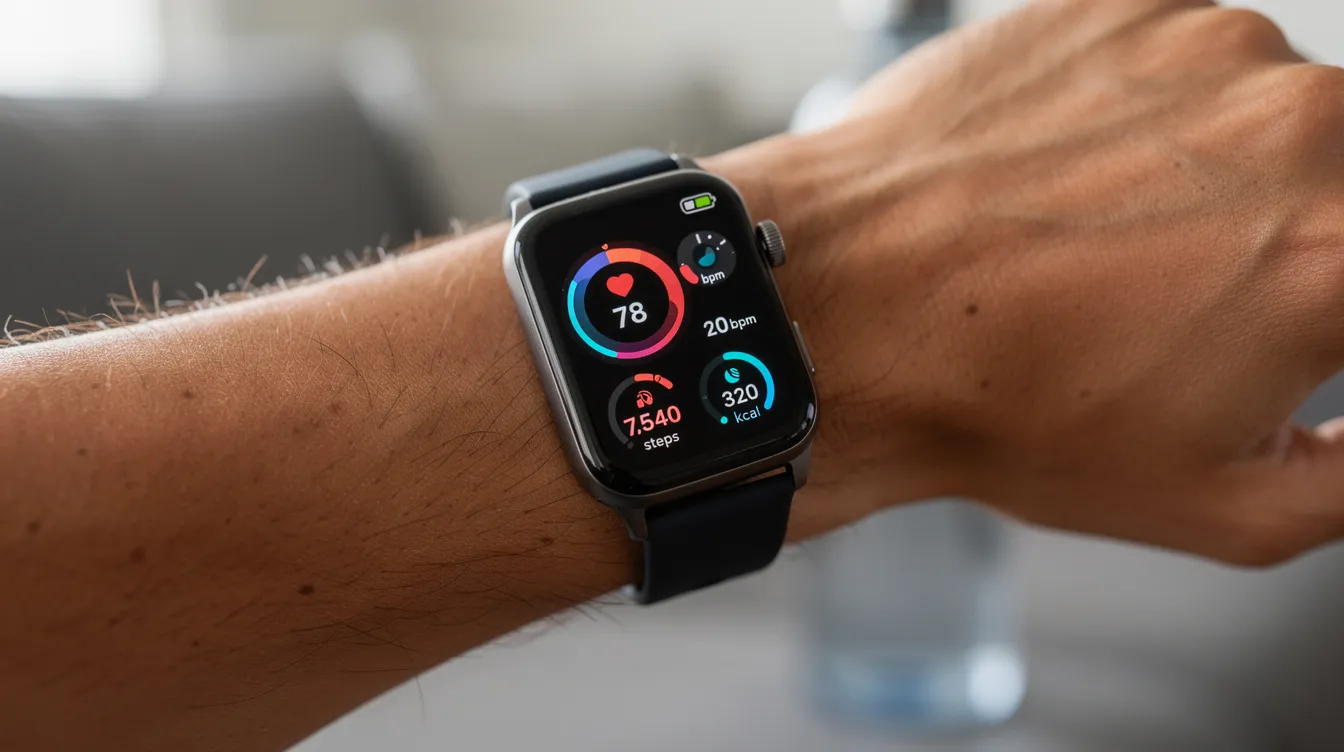
- Actigraphy: Wearable devices track actual sleep versus time in bed
- Cognitive performance: Note errors at work, reading comprehension, memory
- Mood tracking: Watch for irritability, anxiety, or depressive symptoms
If objective measures decline while you feel fine, you may be accumulating debt without awareness.
Research Gaps And Recommended Studies On Segmented Sleep
Despite centuries of sleep research, significant gaps remain regarding alternative sleep patterns.
Longitudinal Trials Comparing Schedules
The field needs randomized controlled trials comparing:
- Monophasic sleep (7-9 hours consolidated)
- Biphasic sleep (6-7 hours night + afternoon nap)
- Mild polyphasic (5 hours core sleep + multiple naps)
Trials should last 6+ months with sample sizes exceeding 100 participants. Current evidence relies too heavily on short-term studies and self-report data.
Polysomnography Requirements
Future studies should include polysomnography measuring:
- Changes in REM distribution across sleep periods
- N3 deep sleep maintenance or loss
- Sleep spindle frequency and duration
- Whether intermittent sleeping preserves sleep stages proportions
Wehr’s short-term findings hint that segmented sleep may preserve sleep architecture, but chronic effects remain unknown.
Diverse Sample Needs
Research should include:
- Different chronotypes (owls versus larks)
- Various age groups (adolescents naturally need more sleep)
- Different occupations and schedule constraints
- Individuals with and without sleep disorder histories
Current research over-represents young, healthy males in laboratory conditions.
Standardized Outcome Measures
Researchers should standardize assessments across studies:
| Domain | Recommended Measure |
|---|---|
| Cognitive function | Digit Symbol Substitution Test |
| Attention | Psychomotor Vigilance Task |
| Memory | Paired-associate learning |
| Metabolic | HbA1c, fasting glucose, cortisol |
| Cardiovascular | Blood pressure, heart rate variability |
| Mental health | Validated depression/anxiety scales |
NIH-funded designs with standardized protocols would enable meaningful meta-analyses and definitive conclusions about physical health and cognitive effects.
Key Takeaways On The Polyphasic Sleep Myth
The polyphasic sleep myth persists because the promise of extra waking hours appeals to productivity-focused individuals. However, the evidence tells a different story.
Extreme Polyphasic Claims Lack Evidence
Zero peer-reviewed studies support extreme schedules like Uberman (2 hours total) or even Everyman (4-5 hours total) for chronic use. The 2021 systematic review found no supportive evidence despite examining over 40,000 papers. Claims of “adaptation” more likely reflect accumulated sleep debt with masked symptoms.
Anyone considering these schedules should understand:
- Performance impairment equivalent to intoxication
- Elevated cardiovascular and metabolic risks
- Memory and learning deficits from REM/deep sleep loss
- Increased accident probability
- No documented long-term success with objective verification
Cautious Biphasic Experimentation May Be Reasonable
Unlike extreme polyphasic schedules, biphasic patterns that preserve total sleep show potential benefits:
- Historical precedent in pre-industrial segmented sleep
- Cultural success in siesta traditions
- Strong evidence for cognitive benefits of short naps
- NASA and military research supporting strategic napping
The key distinction: biphasic adds to adequate sleep rather than replacing it.
If experimenting, maintain at least 7 hours total sleep, keep consistent timing, and monitor objective performance markers.
Further Research Needed
Sleep research should prioritize:
- Long-term randomized trials comparing sleep patterns
- Polysomnography verification of sleep stage preservation
- Diverse populations across ages and chronotypes
- Standardized cognitive, metabolic, and health outcome measures
Until such research exists, anyone considering dramatic alterations to their sleep schedule operates without adequate safety data.
The bottom line: before restructuring your sleep around unproven schedules, ensure you’re getting enough sleep with good sleep quality on a consistent basis. That foundation matters far more than any optimization hack the internet promotes.
If you’re experiencing sleep problems, excessive daytime sleepiness, or difficulty maintaining alertness despite adequate sleep time, consult a sleep medicine specialist. You may have underlying sleep disorders requiring treatment rather than schedule manipulation.