Getting a good night’s sleep feels increasingly elusive in our fast paced lives, and many people still feel tired and exhausted despite following standard advice. Enter viral sleep hacks—those quick-fix techniques flooding your social media feeds, often featuring popular tricks that promise to help you fall asleep faster and wake refreshed. But which ones actually deliver, and which are just noise? This guide cuts through the trend to help you find what actually works.
Why Viral Sleep Hacks Spread
Viral sleep hacks are unconventional techniques, routines, or products promoted as rapid solutions for falling asleep faster or enhancing sleep quality. They range from evidence-based practices to risky, unproven remedies.
TikTok leads the charge, with the hashtag #sleephacks surpassing 36,000 posts. Top circulating hacks include mouth taping (96,800 posts), blue light glasses (over 30,000 posts), weighted blankets (23,000 posts), and the sleepy girl mocktail. These popular tricks are widely shared in hopes of helping tired people sleep better.
The primary audiences are:
- Generation Z (55% have tried viral sleep trends per AASM data)
- Millennials balancing work-life demands
- The 35% of adults failing to meet the CDC’s seven-hour minimum
How To Read This Guide

Viral sleep hacks – why viral sleep hacks spread
Each sleep hack in this guide carries an evidence label:
| Evidence Level | What It Means |
|---|---|
| Strong | Backed by randomized controlled trials |
| Moderate | Observational studies or expert consensus |
| Weak/Anecdotal | Social media testimonials only |
Practical steps appear separately from safety notes. Most hacks deserve a 7-14 night trial period—enough time to discern personal efficacy without confounding variables.
Quick Ways To Fall Asleep Tonight
Three techniques can help you fall asleep faster starting tonight:
4-7-8 Breathing Method:
- Inhale quietly through your nose for 4 seconds
- Hold your breath for 7 seconds
- Exhale through your mouth (making a whooshing sound) for 8 seconds
- Repeat for four cycles
This activates your parasympathetic nervous system and reduces anxiety. For added relaxation, gently massage your temples or neck in a circular motion to calm your nervous system and help promote sleep.
Military Method: Progressive muscle relaxation from head to legs, followed by 10-second mental visualizations of calm scenes like a canoe on still water.
Cognitive Shuffle: Mentally picture random neutral objects—a cow, a piano, a red truck—in sequence to disrupt rumination and promote relaxation.
Pair any technique with a 20-minute pre-bed wind-down routine: dim the lights, journal your worries, and avoid screens. All of these techniques are designed to promote sleep.
Use Light To Anchor Your Circadian Rhythm

Viral sleep hacks – quick ways to fall asleep tonight
Your circadian rhythm is your body’s internal 24-hour clock governing sleep-wake cycles and hormone release.
Morning natural light exposure delivers significant benefits:
- Boosts serotonin production during the day
- Suppresses melatonin when you need alertness
- Enhances evening sleepiness naturally
Recommended timing: Get 15-30 minutes of sunlight within an hour of waking. Aim for 10,000-30,000 lux of daylight—roughly what you get outdoors on a bright morning. Studies show this can improve sleep onset by up to 30 minutes.
Dutch Method: Sleep With Curtains Open
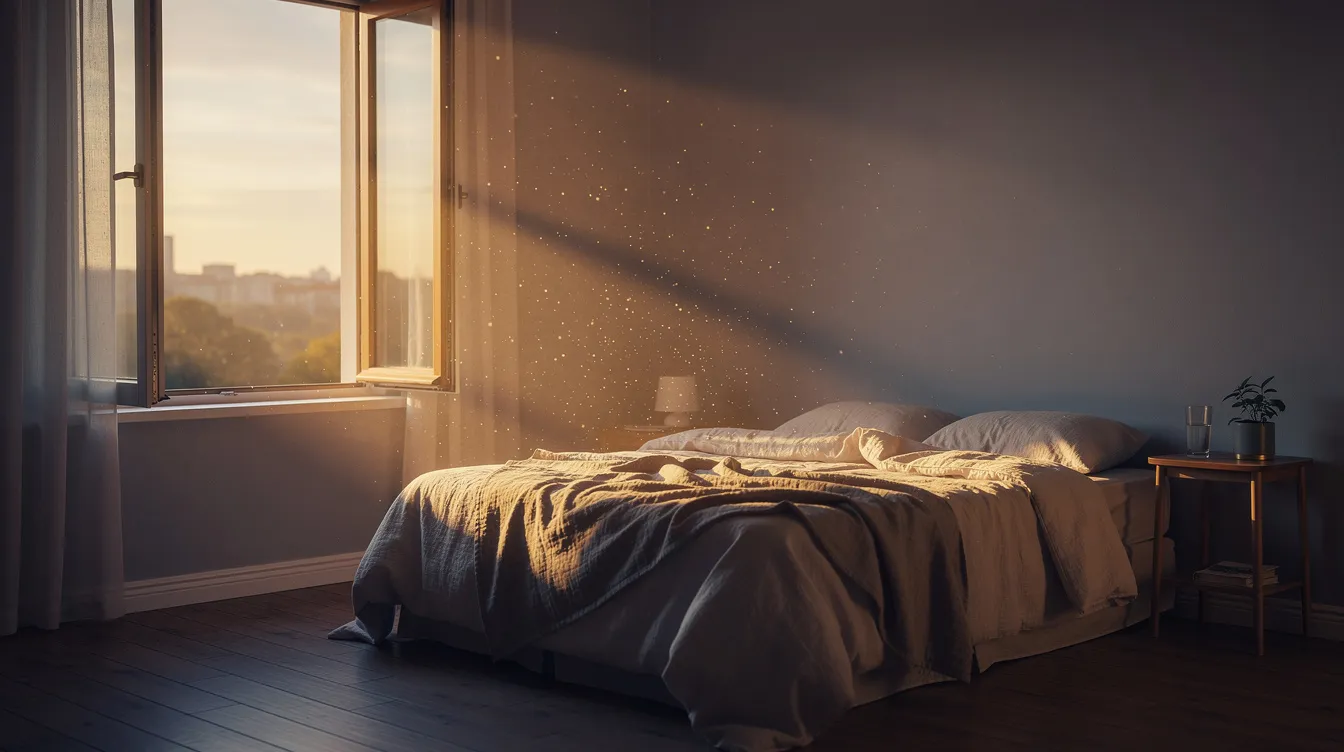
The Dutch method involves sleeping with your curtains open to allow natural dawn light to gradually enter your bedroom around 5-7 AM.
How it works: This mimics ancestral light patterns, advancing your circadian phase and strengthening your rhythm’s amplitude for consolidated night sleep. The gradual brightness signals your brain to reduce melatonin production naturally.
Who should try it:
- Early risers seeking stronger morning alertness
- People with delayed sleep phase syndrome
- Those in environments without streetlight interference
Caveat: This approach risks disrupted rest from urban lighting or early noise. It’s ideal for rural settings or rooms facing away from streetlights. Consider leaving blinds partially open rather than fully if you’re in a city.
Top Viral Sleep Hacks Tested
The following hacks have circulated widely in videos across social platforms. For each, I’ve prioritized a testing approach that emphasizes safety first, evidence second.
Mouth Taping: Trend, Evidence, Risks
The technique: Sealing your lips with hypoallergenic surgical tape (like 3M micropore) to promote nasal breathing and reduce mouth breathing during sleep.
Evidence level: Weak. One 2022 trial of 20 participants showed minor improvements in breathing metrics, but lacked proper controls.
Risk warning: Health experts from the AASM warn this could exacerbate oxygen desaturation for undiagnosed sleep apnea sufferers.
Safe self-test protocol:
- Start with 10-minute daytime trials
- Build gradually to overnight use only if nasal passages are clear
- Stop immediately if breathing feels labored
White Noise And Sleep Sounds
Different noise colors serve different purposes:
- White noise: Constant broadband sound masking disruptions
- Pink noise: Softer highs, deeper lows (like rain)—shown to increase deep sleep by 20%
- Brown noise: Even deeper, ocean-like rumble for focus and calm
Inexpensive alternatives: Phone apps like myNoise, box fans, or free YouTube loops.
Guidelines: Cap volume at 50-60 decibels (conversational level) and place sources 3-6 feet from your head to avoid overstimulation.
Sleepy Girl Mocktail And Supplements
Core ingredients:
- Tart cherry juice (8 ounces)
- Magnesium powder (glycinate or threonate form)
- Sparkling water with citrus
Evidence: A 2018 study found tart cherry juice advanced sleep onset by 84 minutes. Meta-analyses show 300-400mg daily magnesium improves insomnia scores by 20%.
Dosing safety: Start at 200mg magnesium to avoid GI upset. Consult a doctor if you have renal issues—excess can cause diarrhea or hypermagnesemia.
Lettuce Water And Other Home Remedies
How to make it: Steep romaine lettuce leaves in hot water for 10 minutes. Drinking an hour before bedtime.
Evidence level: Weak. The sedative compounds (lactucin, lactucopicrin) appear in animal models but lack robust human RCTs.
Better alternatives: Chamomile or valerian teas have moderate evidence for reducing sleep latency by 15-20 minutes. You might be surprised how much difference a simple herbal tea makes.
Weighted Blankets And Pressure Therapies
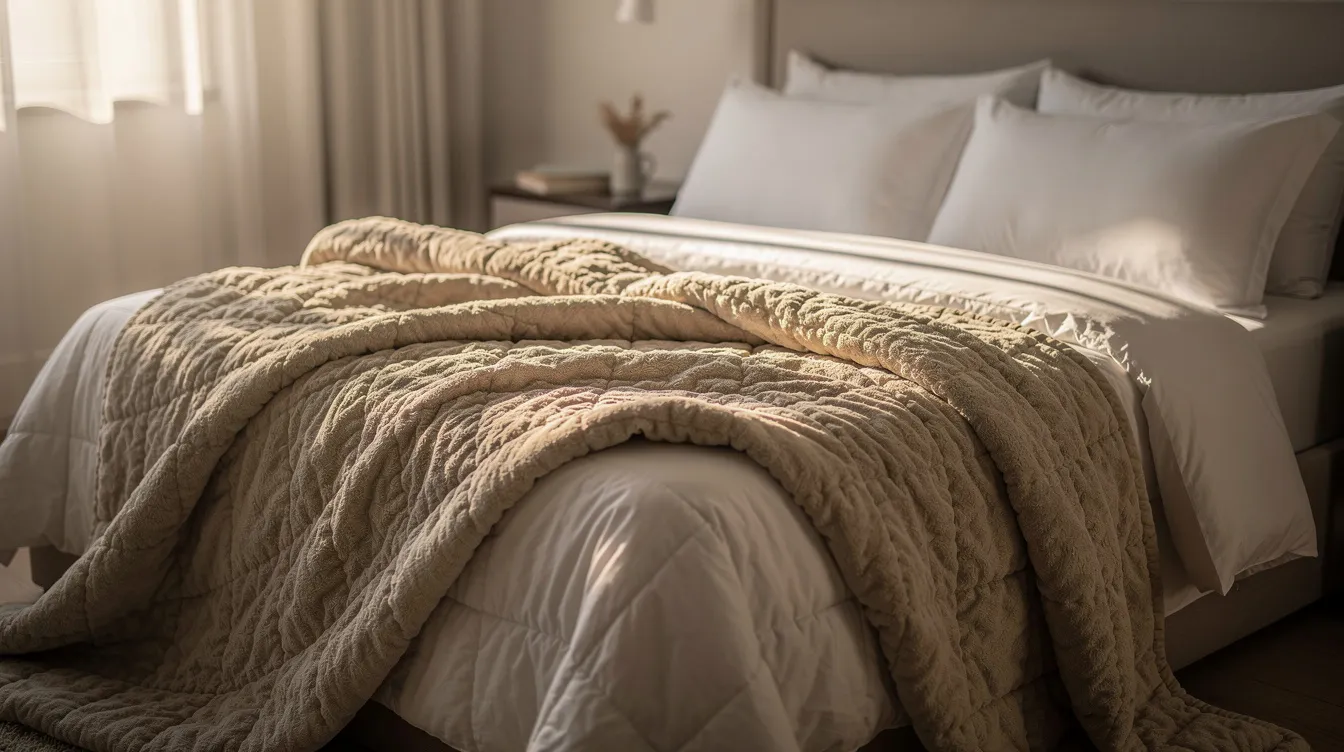
Weighted blankets apply deep pressure stimulation that calms your autonomic nervous system via increased vagal tone. A 2020 meta-analysis reports 26% anxiety reduction in users.
Some people also use acupressure by gently massaging a point behind the ear, sometimes called ‘Animian’, to promote relaxation and sleep. While this point is not scientifically recognized in acupuncture, massaging it is believed to help calm the nervous system.
Optimal weight: 7-12% of your body weight (e.g., 15 pounds for a 150-pound person)
Contraindications: Avoid if you have sleep apnea, claustrophobia, or circulation issues where pressure could hinder breathing.
Military Method And Cognitive Shuffle
Military method steps:
- Relax facial muscles completely
- Drop shoulders and exhale tension from chest
- Relax legs from thighs to calves
- Clear your mind for 10 seconds or visualize a calm lake
Cognitive shuffle: One-sentence version—imagine sequential random words (“bed, apple, truck”) to induce micro-dream states that block insomnia.
Practice frequency: Nightly for two weeks to rewire neural pathways. Sense the difference after consistent practice.
Sleep Trackers And Wearables
Consumer trackers like Oura Ring or Fitbit overestimate deep sleep by 10-20% and underestimate wake time per 2023 validation studies.
Best use case: Spotting patterns (caffeine correlations, late-night screen time effects).
Important advice: Never self-diagnose disorders based on tracker data alone. Consult a doctor before concluding you have insomnia or other conditions.
How To Test A Sleep Hack Safely

Viral sleep hacks – top viral sleep hacks tested
Follow this protocol for any new sleep hack:
- Run a two-week single-variable trial — change only one thing at a time
- Keep a nightly sleep diary tracking bedtime, hours slept, quality (1-10 scale), and factors like stress or diet
- Stop immediately if breathing worsens or you experience paradoxical insomnia (10-15% of hack adopters report this)
- Log baseline sleep for three nights before introducing any new method
Sleep Hacks Tools And Tech
Essential tools for better sleep:
- Blackout curtains: Block 99% of light to preserve melatonin production
- Box fan: Provides airflow and keeps your bedroom cool (60-67°F ideal temperature); exposure to cold air or a cold environment can help decrease core body temperature and promote sleep
- White noise machine: Masks environmental disruptions
Simple apps: Calm or Insight Timer for guided sounds and relaxing audio.
Tracker advice: Choose models validated against EEG (like Whoop) over hype-driven alternatives.
Safety: When To Stop And See A Doctor
Red flags requiring medical review:
- Chronic snoring (80% sleep apnea indicator)
- Gasping awakenings
- Excessive daytime sleepiness (Epworth score >10)
- Unrefreshing sleep persisting more than 3 months
Request sleep apnea screening via STOP-BANG questionnaire before trying supplements. Unregulated products pose contamination risk—always consult your GP before adding anything new.
Expert Tips For The Best Night’s Sleep
Sleep consultant and physician consensus emphasizes these fundamentals:
- Consistent bed and wake times: Stay within 30 minutes daily, even weekends
- Cool bedroom temperature: 62°F facilitates the core body temperature drop essential for sleep onset
- Cut blue light exposure: Stop screens 60 minutes pre-bed to avoid 23% melatonin suppression
- Regular daylight exposure: 30 minutes of bright light daily stabilizes your rhythm and can reduce stress
These basics have a positive impact that outlasts any single hack, and can also boost mood and overall well-being.
FAQs Writers Should Answer
Is mouth taping safe? Not for everyone. It’s unsafe for the 20-30% with nasal congestion or undiagnosed sleep apnea, potentially raising CO2 levels.
Who benefits from the Dutch method? Those with delayed sleep phase syndrome (prevalent in 15% of young adults) and anyone wanting natural circadian alignment without supplements.
When is melatonin appropriate? Short-term use (0.5-5mg dose) for jet lag or shift work. Avoid chronic use due to receptor downregulation—it’s not a long-term solution.
Methodology
This guide synthesizes peer-reviewed sources (PubMed RCTs, Cochrane reviews), AASM surveys, and expert guidance from sleep foundations. “Viral” classification draws from TikTok metrics (>10,000 posts per hack) and Google Trends spikes in 2024-2025. Personal trials from outlets testing hacks over multiple weeks informed practical recommendations, prioritizing recency (post-2020 data) and authority over influencer claims.
Pick one hack tonight. Track it for two weeks. Let the evidence—not the algorithm—guide your path to a better night’s sleep.