
If you wake up congested, spend nights breathing through your mouth, or drag through days despite logging enough hours in bed, your allergies and sleep problems may be more connected than you realize. This guide is for allergy sufferers dealing with seasonal allergies, dust mite allergy, or pet allergies who want to understand why their allergy symptoms sabotage rest—and what to do about it.
You’ll learn how allergic reactions disrupt sleep, the diagnostic steps that connect allergy testing with sleep evaluation, and practical treatments ranging from allergy medication to environmental controls that can improve sleep quality.
What Is Allergic Rhinitis
Allergic rhinitis is a chronic inflammatory condition where your immune system overreacts to harmless environmental triggers. When you inhale allergens like pollen, dust mite allergens, or pet dander, your body undergoes histamine release and other inflammatory mediator processes, causing the classic nasal symptoms: sneezing, itchy eyes, runny nose, and nasal congestion.
Common allergic reactions affecting the nose involve swelling of the turbinates—the structures inside your nasal passages—which narrows airflow and creates that familiar stuffy nose sensation.
The distinction matters for treatment:
| Type | Triggers | Timing |
|---|---|---|
| Seasonal allergies (hay fever) | Tree pollen, ragweed, grass | Spring, fall peaks |
| Perennial allergic rhinitis | Dust mites, mold, pet dander | Year-round, often worse indoors |
Severe persistent forms impair sleep across all dimensions compared to mild intermittent cases.
How Allergic Reactions Disrupt Sleep

Allergies and sleep – what is allergic rhinitis
Inflammation from allergic reactions does more than cause discomfort—it directly fragments your sleep architecture. When allergens trigger nasal mucosa swelling, the resulting congestion elevates upper airway resistance and forces microarousals. These brief awakenings go unnoticed but cumulatively destroy sleep efficiency and lead to sleep fragmentation, where sleep is repeatedly interrupted throughout the night.
Nasal congestion compounds the problem by promoting mouth breathing. This shifts your jaw position, narrows your pharyngeal diameter, and increases snoring. The inflammatory mediators themselves—histamine, interleukins, cysteinyl leukotrienes—directly worsen sleep quality independent of mechanical obstruction.
Timing patterns amplify nighttime symptoms:
- Nasal resistance peaks between 4-6 AM
- Supine positioning increases venous engorgement in nasal tissues
- Histamine surges overnight follow circadian patterns
- Sleep disruption itself worsens next-day rhinitis symptoms, creating a vicious cycle
This bidirectional relationship means poor sleep and worsening allergy attacks feed each other.
Role of Dust Mites and Dust Mite Exposure
Dust mites are microscopic arachnids that thrive in warm, humid environments—exactly the conditions found in most bedrooms. Species like Dermatophagoides pteronyssinus produce potent allergens, with mite feces being the primary allergenic material that penetrates airway tissue and triggers allergic responses.
Typical bedroom dust mite sources include:
- Mattresses: Can harbor up to 1.5 million mites after years of use
- Pillows: Retain 10-20% of body oils nightly, feeding mite populations
- Carpets and heavy drapes: Amplify allergen reservoirs
- Upholstered furniture: Provides additional colonization sites
Populations can exceed 10-40 mites per gram of dust in infested homes. For patients with perennial nasal allergies and persistent restless sleep despite basic controls, testing bedroom dust via ELISA assays becomes appropriate. Levels exceeding 10 μg/g warrant aggressive intervention and correlate with both nasal symptom severity and obstructive sleep apnea risk.

Breathing Difficulties and Sleep-Disordered Breathing

Allergies and sleep – role of dust mites and dust mite exposure
The nasal valve represents your airway’s narrowest segment. When allergic inflammation constricts it, upper airway resistance increases 2-3 fold during sleep. This forces a switch to mouth breathing, bringing dry air intake, sore throat, throat irritation, and turbulence that generates snoring.
These breathing difficulties connect directly to sleep disordered breathing. Research shows rhinitis patients exhibit 1.8-2.5 times higher sleep apnea prevalence. The mechanism involves pharyngeal collapsibility from altered jaw positioning plus neuroinflammatory effects from allergy mediators.
Screen for obstructive sleep apnea when you notice:
- Witnessed breathing pauses during sleep
- Gasping or choking episodes
- Epworth Sleepiness Scale scores above 10
- Persistent nighttime congestion despite treatment
Untreated nasal allergies perpetuate this cycle. Intranasal steroids have been shown to reduce apnea-hypopnea index by 20-30% in patients with both conditions.
Daytime Fatigue and Functional Impacts
The functional toll of poor sleep from allergies extends far beyond feeling tired. Patients report non-restorative sleep despite adequate duration, with higher Pittsburgh Sleep Quality Index scores and excessive daytime sleepiness ratings. Allergy-related sleep problems can also reduce sleep efficiency, meaning the proportion of time spent asleep while in bed is decreased, further contributing to impaired rest.
Specific impacts include:
- Cognitive deficits with up to 25% slower reaction times
- Mood disturbances including irritability
- Depression risk elevated 1.5-2 fold
- Chronic fatigue overlaps affecting work performance
Severe allergic rhinitis patients show 40-50% greater sleep impairment than those with mild cases. Fragmented sleep erodes slow-wave and REM stages critical for memory consolidation and emotional regulation.
Track your burden with a simple diary logging:
- Sleep latency (time to fall asleep; >30 minutes is concerning)
- Nighttime awakenings (>3 per night indicates fragmentation)
- Daytime sleepiness episodes
- Correlation with sinus pressure or postnasal drip
Diagnosis: Allergy Testing and Sleep Evaluation

Allergies and sleep – daytime fatigue and functional impacts
Effective diagnosis integrates allergy testing with sleep evaluation. Common testing options include:
| Test Type | Sensitivity | Best For |
|---|---|---|
| Skin prick testing | 85-95% | First-line, rapid results |
| Blood tests (ImmunoCAP/RAST) | 80-90% | Patients on antihistamines |
| Component-resolved diagnostics | Variable | Complex polysensitization |
Coordinate allergy testing with polysomnography if obstructive sleep apnea is suspected, or actigraphy for insomnia patterns. Allergic rhinitis patients show 2-3 times higher odds of nocturnal dysfunction.
Before your appointment, record symptom timing for two weeks:
- Perennial versus seasonal peaks
- Nighttime symptom exacerbation patterns
- Response to over the counter medications
- Cold symptoms versus allergy patterns
This data helps differentiate allergic from non-allergic rhinitis and pinpoints the sleep-allergy connection.
Treatment Options: Allergy Medication and Allergy Shots
Pharmacotherapy Classes
Allergy medication falls into several categories:
- Intranasal corticosteroids (fluticasone, mometasone): First-line treatment reducing inflammation 50-70% within days
- Oral antihistamines (loratadine, cetirizine, fexofenadine): Block H1 receptors with minimal sedation in newer formulations
- Leukotriene antagonists (montelukast): Target congestion-dominant cases
- Nasal sprays: Include both corticosteroid nasal sprays and decongestant options
- Nasal strips: Mechanical option to improve nasal patency
Time allergy medication for nighttime benefit—evening dosing of intranasal steroids counters the circadian surge of histamine and inflammation. Avoid first-generation antihistamines at night; they risk next-day impairment despite seeming logical for sleep.
Immunotherapy
Allergy shots (subcutaneous immunotherapy) desensitize your immune system through escalating allergen doses over 3-5 years, achieving 70-80% symptom reduction that persists after treatment ends.
The typical schedule involves:
- Weekly injections during build-up phase
- Monthly maintenance injections
- 3-5 year total duration for durability
- Contraindicated in uncontrolled asthma
Sublingual immunotherapy (SLIT), also known as allergy drops, offers home convenience but slower onset at 6-12 months. Both options address the root cause rather than just managing symptoms.

Environmental Controls: Air Purifier and Home Measures
Environmental controls reduce allergen exposure where you spend hours each night:
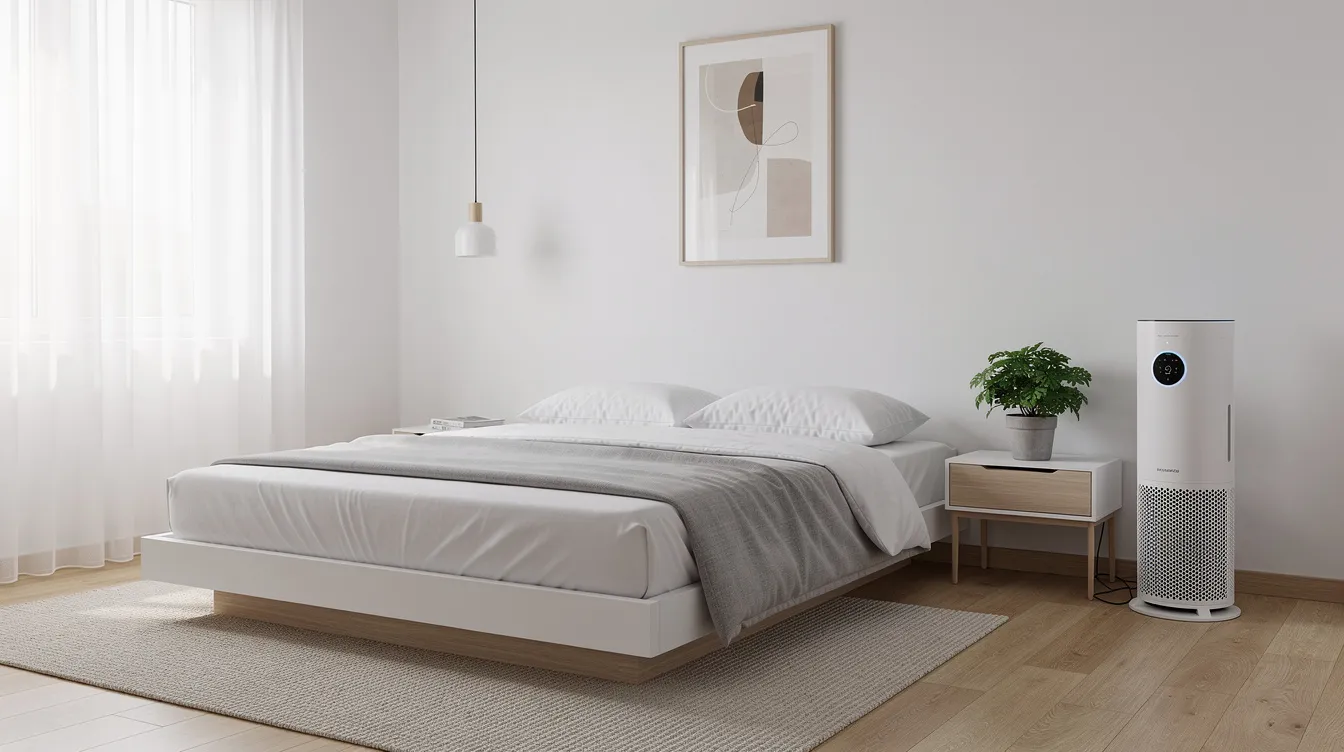
HEPA air purifiers capture 99.97% of particles 0.3 micrometers and larger. Running a high efficiency particulate air filter nightly lowers bedroom dust mite allergens by 50-70%, especially during peak seasons.
Mattress and pillow encasements with pore sizes under 10 micrometers block 95% of allergen penetration. Look for allergen proof covers that zip completely closed.
Wash bedding weekly in hot water at temperatures exceeding 130°F (54°C) to kill 90% of mites. This simple step dramatically reduces dust mites in your sleeping environment.
Keep pets out of the bedroom to halve dander exposure. Pet allergies contribute significantly to nighttime symptoms even from dander carried on clothing.
Control humidity to 40-50% using dehumidifiers. Dust mites thrive above 60% relative humidity; starve them by keeping air conditioning or dehumidification running. This also reduces mold growth.
Combined measures improve sleep scores by approximately 30%.
Bedtime Strategies to Sleep Better With Allergies
Establishing a consistent bedtime routine can significantly improve sleep for those with allergies. Layer these bedtime practices for additive 20-40% sleep quality gains:
Saline nasal rinse before bed: Using a neti pot with 2% hypertonic solution clears 60-80% of mucus and can loosen mucus from your nasal passages. This reduces congestion onset and helps rinse mucus carrying airborne allergens.
Shower before bed: A pre-bed shower removes 70-90% of surface pollen from hair and skin, preventing transfer to bedding. Essential during high pollen count days.
Sleep with head elevated: Elevating your head 30-45 degrees with extra pillows stabilizes drainage and reduces postnasal drip. This position also helps if you experience sinus pain or sinus infection symptoms.
Avoid alcohol and late caffeine: Alcohol relaxes airway muscles, worsening sleep apnea risk by 25%. Caffeine after 2 PM disrupts sleep latency. Both undermine restorative sleep even when nasal symptoms are controlled.
When to See an Allergy Specialist
Referral to an allergy specialist is appropriate when:
- Over the counter treatments fail after 4 weeks
- You’re a candidate for immunotherapy (allergy shots)
- Complex polysensitization requires component-resolved diagnostics
- Nasal polyps or chronic sinus infections complicate the picture
- You experience sinus pain unresponsive to standard treatment
Seek urgent evaluation for:
- Worsening breathing difficulties or dyspnea
- BMI over 30 combined with significant snoring (high sleep apnea risk)
- Any history of severe allergic reactions or anaphylaxis
- Risk factors for cardiovascular disease combined with sleep disturbances
Specialists can leverage advanced testing and coordinate with sleep medicine when sleep disorders coexist with nasal allergies. The allergy foundation and sleep foundation both emphasize integrated management for these overlapping conditions.
Practical Checklist: Bedroom Proofing Against Allergens
Transform your bedroom into a low-allergen sleep environment:
- Replace heavy drapes with washable blinds (reduces dust reservoirs by 60%)
- Remove stuffed toys and decorative pillows (can harbor thousands of mites each)
- Install tightly woven, zippered pillow and mattress covers
- Choose hypoallergenic bedding to reduce allergen exposure
- Run HEPA air purifiers continuously during peak allergy seasons
- Reduce dust mites by eliminating carpet if possible
- Keep windows closed during high pollen count periods
- Use air conditioning to filter and cool incoming air
- Address any dry air issues with appropriate humidification (but stay under 50%)
These combined measures cut symptoms 40-50% in clinical trials and help you breathe easier throughout the night.
Frequently Asked Questions
Can allergic rhinitis worsen sleep apnea?
Yes. Allergic rhinitis doubles obstructive sleep apnea risk through increased nasal resistance and shared inflammatory cytokines. Treating the allergy component reduces apnea-hypopnea index by 20-30% even without CPAP changes.
What are safe over-the-counter nighttime relief options?
Nasal corticosteroid sprays (fluticasone), non-sedating antihistamines (fexofenadine, cetirizine), and saline sprays are appropriate. Avoid first-generation antihistamines like diphenhydramine—they cause next-day impairment and poor sleep quality despite initial sedation.
How quickly does immunotherapy improve sleep?
Expect 30% symptom relief at 3-6 months, with effects peaking at 60-80% reduction between 1-3 years. Full 5-year protocols provide the most durable results, often persisting years after completion.
Takeaway and Next Steps
Breaking the cycle between allergies and sleep requires addressing both simultaneously. Immediate actions that yield 20-30% improvement include deploying a HEPA air purifier, installing allergen-proof encasements, and using saline rinses before bed.
If sleep problems persist beyond four weeks of environmental controls and over the counter medications, book allergy testing to identify your specific triggers. For ongoing daytime fatigue, high blood pressure concerns, or asthma reports alongside your symptoms, discuss your situation with an allergy specialist who can evaluate whether immunotherapy or additional sleep evaluation makes sense for your case.
Better sleep starts with understanding that your swollen tissues and nasal irritation aren’t just daytime problems—they’re stealing your nights too.