
If you’ve been diagnosed with obstructive sleep apnea but struggle with your CPAP machine, you’re not alone. Research shows that 40-60% of patients prescribed CPAP discontinue regular use within the first year. The good news is that several effective alternatives exist for treating sleep apnea without relying solely on continuous positive airway pressure therapy.
This guide covers the full spectrum of treatment options—from oral appliances and positional therapy to lifestyle changes and surgical interventions—helping you find an approach that works for your sleep apnea severity and lifestyle.
Sleep Apnea and Continuous Positive Airway Pressure (CPAP) Basics
Sleep apnea is a sleep disorder characterized by repeated interruptions in breathing during sleep, with obstructive sleep apnea OSA being the most common form. When you stop breathing, oxygen levels drop, and your brain triggers arousal to restore airflow.
A CPAP machine works by delivering a constant stream of pressurized air through a mask, keeping your upper airway open throughout the night. This constant pressure prevents the soft tissues in your throat from collapsing during both inhalation and exhalation—effectively eliminating sleep apnea events for most patients who use it consistently.
Why Seek Alternative Treatment to CPAP

Sleep apnea without cpap – sleep apnea and continuous positive airway pressure (cpap) basics
Despite being the gold-standard sleep apnea treatment, CPAP therapy presents challenges that drive patients toward alternatives.
Common CPAP intolerance reasons include:
- Mask discomfort and skin irritation
- Machine noise disrupting sleep quality
- Feeling restricted or claustrophobic
- Dry mouth or nasal congestion
- Difficulty exhaling against constant pressure
Lifestyle constraints also play a significant role. Frequent travelers find CPAP equipment cumbersome, and bed partners may be bothered by machine noise. Some patients simply cannot maintain consistent use regardless of mask adjustments.
Certain medical conditions may also contraindicate standard CPAP use, including some forms of central sleep apnea where alternative positive airway pressure devices or nerve stimulation may be more appropriate.
Non-PAP Treatment Options for Sleep Apnea
The treatment plan for managing sleep apnea extends well beyond CPAP machines. Your options range from dental devices to surgical interventions, with selection depending largely on your sleep apnea severity.
For mild to moderate obstructive sleep apnoea, oral appliances and positional therapy often provide sufficient relief. Severe cases may require neurostimulation or sleep apnea surgery when CPAP intolerance is confirmed. Upper airway stimulation is another alternative treatment option for patients who cannot tolerate CPAP.
Oral Appliances: Mandibular Advancement Devices and Tongue Retaining Devices
Oral appliances represent the most widely recommended alternative treatment for patients who cannot tolerate CPAP. Studies demonstrate 50-80% reduction in apnea events for many users.
Mandibular advancement devices work by positioning your lower jaw forward during sleep, which mechanically opens the airway by preventing the tongue and soft tissues from collapsing backward. This tongue forward positioning maintains airway patency throughout the night.
Tongue retaining devices take a different approach, holding the tongue in a forward position using gentle suction rather than repositioning the entire jaw.
Both device types require:
- Custom fitting by dental professionals trained in sleep medicine
- Follow-up appointments to optimize fit and effectiveness
- Periodic adjustments as jaw position may shift over time
The American Academy of Sleep Medicine approves oral appliances for mild to moderate sleep apnea and for severe cases where CPAP is not tolerated.
Positional Therapies for Positional Sleep Apnea
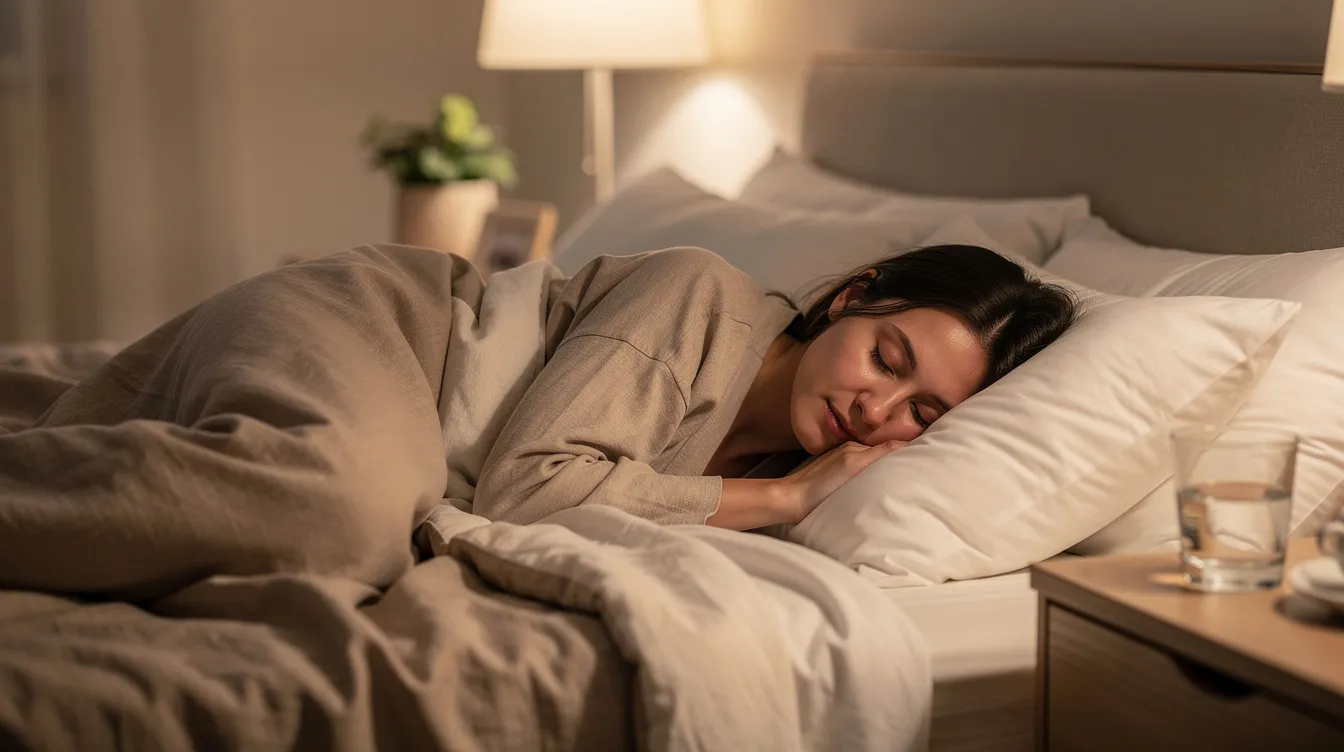
Positional sleep apnea occurs when airway obstruction happens predominantly in the supine position (back sleeping). For these patients, symptoms occur primarily when lying face-up, making sleep position correction highly effective.
Positional therapy devices include:
- Specialized pillows designed to maintain side sleeping
- Wearable vibration devices that prompt you to roll over when you shift to your back
- Positional alarm systems for real-time feedback
If your sleep study indicates position-dependent apnea, trial side sleeping interventions before pursuing more invasive options. This simple approach addresses mouth breathing and airway collapse that worsens when sleeping on your back.
Myofunctional Therapy and Orofacial Exercises
Myofunctional therapy involves targeted oropharyngeal exercises designed to strengthen throat muscles and facial muscles that support airway patency. Research indicates this approach can reduce apnea severity by 30-50% in mild OSA cases.
Common exercises target:
- Tongue positioning and strength (addressing tongue thrust)
- Throat muscles that maintain the airway open during sleep
- Breathing exercises that improve overall respiratory control
The expected timeline for results spans weeks to months of consistent practice. These orofacial myofunctional disorders therapies work best when combined with other treatments rather than as standalone therapy.
Consider referral to a certified myofunctional therapist who can guide proper technique and progression. Orofacial myofunctional therapy requires commitment but offers potential benefits without devices or surgery.
Neurostimulation, Surgery, and Implantable Alternatives
For patients with moderate sleep apnea or severe OSA who cannot tolerate CPAP, more invasive options exist.
Hypoglossal nerve stimulation (such as FDA approved Inspire therapy) is a form of upper airway stimulation for sleep apnea. It involves implanting a small device that stimulates nerves controlling airway muscles during sleep. You activate it before bed, and it works to keep your airway open throughout the night.
Common surgical interventions include:
| Procedure | Target |
|---|---|
| Radiofrequency ablation | Excess soft tissue in throat |
| Uvulopalatopharyngoplasty | Enlarged palate/uvula |
| Bariatric surgery | Weight-related airway obstruction |
| Tonsillectomy | Enlarged tonsils contributing to obstruction |
Oral surgeons and ENT specialists can evaluate your anatomy to determine if surgical correction addresses your specific obstruction pattern. Left untreated, severe OSA increases risk of developing sleep apnea complications including high blood pressure and cardiovascular disease.
Home Remedies and Lifestyle Measures for Sleep Disordered Breathing

Sleep apnea without cpap – non-pap treatment options for sleep apnea
Lifestyle changes form the foundation of any comprehensive treatment approach for sleep disordered breathing. While rarely sufficient alone for moderate-to-severe cases, they enhance effectiveness of other therapies.
Weight loss delivers measurable benefits—even modest reductions decrease soft tissue mass in the pharyngeal region, reducing mechanical obstruction. Excess weight is a primary risk factor for developing sleep apnea, so programs to lose weight should be prioritized.
Quitting smoking addresses airway inflammation and tissue swelling that worsen obstruction. The positive impact on overall health extends well beyond sleep apnea symptoms.
Avoiding alcohol 3-4 hours before bedtime prevents the muscle relaxation that causes throat muscles to collapse more readily during sleep.
Humidifier use can ease nasal congestion that contributes to upper airway resistance, particularly helpful when combined with other treatments.

Sleep Position Strategies and Positioning Aids
For supine-predominant OSA, sleep position modifications offer an accessible starting point.
Side sleeping recommendations:
- Trial positional alarm devices that vibrate when you roll onto your back
- Select pillows that support comfortable side-sleeping throughout the night
- Consider body pillows or wedge systems that physically prevent back-rolling
More research supports positional therapy for patients whose systematic review of sleep studies confirms position-dependent apnea patterns.
Addressing Airway Obstruction Causes and Diagnostics
Effective treatment requires understanding what’s causing your specific airway obstruction. Several diagnostic steps help identify the right approach:
- ENT evaluation for persistent obstruction—specialists can visualize anatomy and identify structural contributors
- Imaging referral when anatomy remains unclear after initial examination
- Sleep study if diagnosis is uncertain or to establish baseline severity
- Nasal obstruction assessment to rule out septal deviation or turbinate enlargement
- Tonsil size documentation to determine surgical candidacy
This diagnostic workup enables precise treatment matching rather than defaulting to one-size-fits-all approaches. A meta analysis of treatment outcomes consistently shows better results when therapy addresses specific anatomical factors.
How To Choose Between a CPAP Machine And Alternatives

Sleep apnea without cpap – addressing airway obstruction causes and diagnostics
Selecting the right approach requires weighing multiple factors:
| OSA Severity | First-Line Options | Alternative Options |
|---|---|---|
| Mild | Lifestyle changes, positional therapy, oral appliances | Myofunctional therapy |
| Moderate | Oral appliances, positional therapy | PAP alternatives, combination therapy |
| Severe | CPAP/BiPAP | Neurostimulation, surgery (if CPAP-intolerant) |
Before switching treatments, ensure perceived CPAP failure reflects true intolerance rather than inadequate trial duration. Most sleep specialists recommend at least 30-90 days of consistent use before declaring CPAP intolerance.
Insurance considerations vary substantially—CPAP is typically covered as first-line treatment, while additional treatment options may require prior authorization or specific clinical documentation proving CPAP failure. Out-of-pocket costs differ significantly, with home remedies being most affordable and implantable devices representing substantial expense.
Measuring Positive Impact and Follow-Up
Tracking treatment effectiveness ensures your chosen approach actually addresses your sleep apnea.
Primary metrics include:
- Apnea-Hypopnea Index (AHI): The objective measurement of apnea and hypopnea events per hour. Excellent response means reducing AHI below 5 events/hour.
- Epworth Sleepiness Scale (ESS): A subjective measure of daytime sleepiness that captures how you feel.
Recommended follow-up:
- Repeat sleep study after implementing new treatment
- Track symptom diaries for four weeks documenting sleep quality, daytime energy, and snoring reports from bed partners
- Schedule regular check-ins with your sleep medicine team
Patient Resources, Safety, and Clinical Advice
Medical Disclaimer: The information in this article is educational and should not replace consultation with qualified healthcare providers. Always discuss treatment changes with your physician or sleep specialist.
Finding qualified providers:
- Seek dental professionals certified in dental sleep medicine for oral appliance fitting
- Request referrals to board-certified sleep medicine physicians
- Consider evaluation by oral surgeons if anatomical correction is indicated
Urgent evaluation is warranted for severe daytime sleepiness affecting driving safety or work performance, witnessed breathing cessation during sleep, or symptoms despite current treatment.
Key Takeaways
Managing sleep apnea without CPAP is achievable with proper treatment selection based on your specific anatomy, severity, and lifestyle needs. Work with your sleep specialist to identify which combination of therapies—whether oral appliances, positional interventions, lifestyle modifications, or surgical options—addresses your unique situation. The goal isn’t simply avoiding CPAP; it’s finding sustainable treatment that keeps your airway open and restores healthy sleep.