
Your body’s internal thermostat does far more than regulate heat. It directly controls when you feel drowsy, how quickly you drift off, and whether you stay asleep through the night. Understanding the relationship between body temperature and sleep unlocks one of the most practical—and often overlooked—levers for better rest.
This guide walks you through the science of temperature regulation during sleep, provides research-backed bedroom temperature recommendations, and offers concrete strategies for manipulating your thermal environment. Whether you sleep hot, struggle with insomnia, or simply want to optimize your rest, you’ll find actionable steps grounded in physiology.
Introduction: Body Temperature, Circadian Rhythm, And Sleep
Body temperature plays a fundamental role in initiating and maintaining sleep. Your internal temperature doesn’t stay constant—it follows a predictable daily pattern governed by the circadian rhythm, the 24-hour biological clock that orchestrates everything from hormone release to alertness levels.
The master control center for this rhythm sits in the suprachiasmatic nuclei (SCN) of the hypothalamus. This region links light-dark cycles to physiological outputs including temperature regulation, melatonin levels, and sleep-wake transitions. As bedtime approaches, your core temperature begins dropping, signaling your body to prepare for rest.
Environmental temperature interacts directly with this physiology. Cooler ambient temperatures accelerate the natural core cooling process, while warmer environments impede it. Ambient temperature is a key factor influencing both sleep quality and thermoregulation. A bedroom that’s too warm can mimic the circadian disruption seen in jet lag or shift work, making it harder to initiate sleep and reducing overall sleep quality.
The thermal environment you create in your bedroom either supports or fights against your body’s built-in sleep mechanisms.
How Body Temperature Changes Across The Day

Body temperature and sleep – introduction: body temperature, circadian rhythm, and sleep
Core body temperature follows a robust circadian pattern throughout every 24-hour period:
| Time of Day | Temperature Pattern | Physiological State |
|---|---|---|
| Early morning (upon waking) | ~36.5°C (97.7°F) | Rising toward alertness |
| Afternoon (2-4 PM) | Minor dip | Secondary drowsiness window |
| Early evening (6-7 PM) | Peak at 37.2-37.5°C | Maximum alertness |
| Evening hours | Steady decline (~1-2°C drop) | Sleep preparation |
| During sleep | Lowest point | Deep rest |
This roughly 2°C amplitude challenges the traditional view of humans as purely homeothermic (maintaining constant temperature), but the pattern is conserved across mammals—from mice showing tail vasodilation during sleep transitions to humans experiencing distinct temperature gradients across body regions.
The proximal-to-distal temperature gradient is particularly important. As your core and proximal skin (trunk area) cool in the evening, your distal extremities—hands and feet—actually warm due to vasodilation. This gradient equalizes around sleep onset.
The implications for natural sleep timing are significant. Delaying bedtime beyond your body’s peak cooling phase, as happens in delayed sleep phase disorder, postpones the temperature minimum by over 2 hours and worsens insomnia. Aligning bedtime with peak cooling enhances sleep efficiency.
The timing of these temperature changes can directly influence the initiation and consolidation of each sleep episode, as the body’s thermal state helps determine when and how effectively distinct periods of sleep occur throughout the night.
How Temperature Helps You Fall Asleep
Distal vasodilation acts as a primary sleep cue. As blood vessels in your hands and feet dilate, increased blood flow allows body heat to dissipate through radiation and convection. Core temperature can drop by approximately 1.3°C (2°F) at sleep onset.
This process runs parallel to rising melatonin levels. Produced in darkness from the pineal gland under SCN control, melatonin directly lowers core temperature by 0.5-1°C while boosting peripheral warming. The feedback loop works like this:
- Temperature drop facilitates melatonin efficacy
- Melatonin further suppresses core temperature
- Peripheral warming through vasodilation accelerates heat loss
- Core cooling triggers sleep-promoting genes
Studies show that advancing this cooling phase experimentally can reduce time to fall asleep from 20-30 minutes to under 10 minutes in healthy adults. Conversely, anything that blocks this process—bright light exposure, warm environments, stimulants—leads to trouble sleeping.
Body Temperature During NREM Sleep
During non rapid eye movement sleep, core temperature continues falling by an additional 0.5-1°C. Brain temperature drops even more sharply—up to 0.7°C in cortical regions—due to reduced metabolic activity and enhanced heat loss. This reduction in metabolic activity also leads to decreased heat production, further promoting core cooling.
Slow wave sleep (the deepest stage of NREM sleep) coincides with the lowest temperature points. This cooling promotes restorative processes, including the expression of cold-inducible RNA-binding protein (CIRP), which influences clock genes governing sleep architecture.
The pattern shifts during rapid eye movement (REM) sleep. Temperature regulation becomes unstable during rem sleep, with core and brain temperature rebounding slightly toward waking levels due to muscle atonia and thermoregulatory changes. This alternation between NREM cooling and REM warming creates the temperature dependence of sleep architecture.
Research on mice lacking CIRP found they experienced 50% less REM rebound after sleep deprivation, underscoring temperature’s role in maintaining healthy sleep cycles.
Environmental Temperature And Bedroom Temperature Recommendations
The ideal temperature for most adults falls between 16-19°C (60-66°F) for the bedroom environment. This range promotes passive core cooling without causing discomfort.
There’s an important distinction between bedroom temperature and in-bed temperature:
- Bedroom ambient temperature: 16-19°C (60-66°F)
- Under-covers microclimate: 18-22°C for comfortable sleep
The goal is creating a thermal environment where cooler temperatures surrounding you allow heat loss from exposed skin while your bedding maintains a neutral cocoon.
Humidity control matters alongside temperature. Aim for 40-60% relative humidity. Excessive moisture impairs evaporation-based cooling from skin, while overly dry air can cause discomfort that disrupts the sleep period.
Individual preferences vary significantly:
| Sleeper Type | Recommended Range | Notes |
|---|---|---|
| Hot sleepers | 15-17°C (59-63°F) | May need additional cooling tools |
| Average | 17-19°C (63-66°F) | Standard recommendation |
| Cold sleepers | 19-21°C (66-70°F) | May need warming strategies |
Testing your preference experimentally:
The best temperature for you requires personal testing. Over 7-10 nights, adjust your bedroom temperature in 1-2°C increments and track:
- Time to fall asleep
- Number of awakenings
- Morning refreshment ratings
Using a sleep diary or app alongside this protocol helps identify your optimal range. Monitoring distal skin temperature (hand/foot thermometers) provides objective data—rises greater than 2°C before bed indicate favorable conditions for sleep propensity.
How To Manipulate Temperature To Fall Asleep

Body temperature and sleep – environmental temperature and bedroom temperature recommendations
Beyond setting your thermostat, several strategies help promote sleep by manipulating your body’s temperature cycle.
Timing of warm bath or shower:
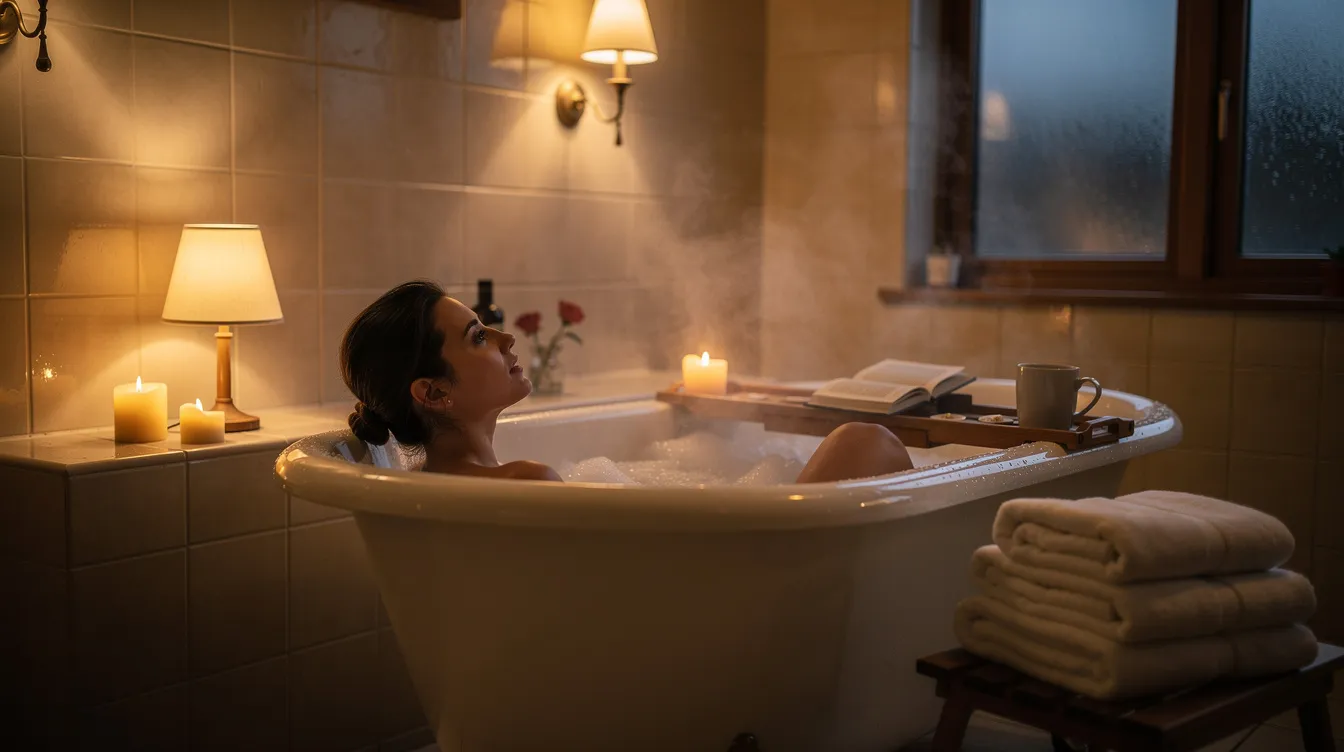
A warm bath at 40-42°C (104-108°F) for 20-30 minutes taken 60-90 minutes before bed creates a paradoxical effect. While the bath temporarily raises core temperature, the post-bath period triggers aggressive vasodilation and rapid core cooling. This mimics and amplifies the natural evening temperature decline.
Research shows this approach reduces sleep latency by 10-15 minutes and increases slow wave sleep by approximately 20%. Timing matters critically—bathing immediately before bed raises core temperature when it should be falling.
Light exercise two hours before bed:
Exercise elevates then drops core temperature through “after-drop” effects. Scheduling light activity about two hours before bed allows you to leverage this pattern, with the subsequent cooling phase aligning with your natural circadian decline.
Bedding layering strategies:
- Use breathable materials like cotton or bamboo (permeability >2000 g/m²/day)
- Layer with adjustable covers to enable microclimate control
- Avoid heavy synthetic materials that trap heat
Breathable sleepwear and mattress materials:
Choose sleepwear with good moisture management (index >0.3) and mattresses with adequate airflow (>500 L/h). These prevent body heat from accumulating in your sleep environment.
Gradual thermostat adjustments:
Rather than dramatic temperature changes, reduce your thermostat by 1°C every 30 minutes in the pre-bed hours. This gradual approach aligns with natural rhythms without thermal shock.
Warm Bath Effect And Blood Flow Changes
The warm bath effect specifically triggers peripheral vasodilation, increasing blood flow to hands and feet by 200-300%. Skin temperature in these areas rises 1-2°C and remains elevated for 1-2 hours post-bath.
This dramatically accelerates heat loss through your extremities. Studies show peak sleepiness occurs approximately 70 minutes after immersion, making this the optimal window for attempting sleep.
Scheduling guidance:
Take your bath or shower 60-90 minutes before your target bedtime. This allows full vasodilation while ensuring core temperature has begun its decline as you get into bed.
Measuring effectiveness:
You can gauge whether the bath worked by checking hand or foot temperature. A target above 34°C indicates good vasodilation response. If your extremities remain cooler than this despite the warm bath, you may have impaired vasodilation—potentially from age-related changes, caffeine, or vascular issues.
Vasodilation capacity decreases by roughly 50% after age 60, which partly explains why older adults often have more difficulty with sleep onset and staying asleep.
Blood Flow, Vasodilation, And Thermoregulation
The thermoregulatory mechanisms enabling you to lose heat at night center on arteriovenous anastomoses (AVAs)—specialized high-flow blood vessel shunts concentrated in your hands and feet.
When open, these shunts boost perfusion 10-20 fold, allowing your body to dissipate up to 80% of nocturnal heat through these areas. During waking hours, vasoconstriction keeps these shunts relatively closed to conserve energy and maintain core temperature.
The preoptic hypothalamus and ventrolateral preoptic area coordinate these changes, integrating signals from skin temperature sensors, melatonin levels, and the circadian clock.
Monitoring for trends:
Wearable devices that track distal skin temperature can reveal patterns. Watch for:
- Failure of hands/feet to warm in the evening (suggests impaired vasodilation)
- Delayed warming onset (may indicate circadian misalignment)
- Insufficient temperature gradient between core and extremities
Interventions for impaired vasodilation:
When blood vessels fail to dilate properly, several approaches may help:
- Magnesium supplementation (300-400 mg): May enhance vessel relaxation
- Compression socks during day: Improves overall circulation
- Avoiding caffeine after noon: Prevents vasoconstriction in evening hours
- Alcohol avoidance: Despite feeling warm, alcohol actually impairs thermoregulation
Maintaining the body’s ability to regulate temperature is crucial for restorative sleep, as impaired thermoregulation can negatively impact sleep quality.
These interventions have preliminary evidence and should be discussed with a healthcare provider if vasodilation issues persist.
Sleep Deprivation, Sleep Disorders, And Temperature

Body temperature and sleep – blood flow, vasodilation, and thermoregulation
Sleep deprivation profoundly alters normal thermoregulation. After 24 hours awake, a peculiar pattern emerges: feet warm while hands cool, disrupting the normal proximal-distal temperature gradient that supports human sleep.
This anti-correlation between hand and foot temperatures serves as a vigilance marker—upper body temperature gradients predict performance drops before subjects feel maximally sleepy.
Disrupted temperature rhythms both result from and worsen insomnia. People with chronic insomnia typically show:
- Delayed core temperature minimum (1-2 hours later than normal)
- Attenuated overnight temperature drop
- Misaligned melatonin release
- Poor sleep that further blunts circadian rhythms
This creates a vicious cycle. Poor sleep disrupts temperature regulation, which makes subsequent nights worse, perpetuating the pattern.
When temperature issues persist despite good sleep hygiene, screening for underlying sleep disorders is warranted. Temperature regulation problems often indicate deeper circadian disruption.
Sleep Apnea And Thermoregulation
Obstructive sleep apnea creates specific thermoregulatory disruptions. Each apnea event triggers an arousal that spikes core temperature by 0.2-0.5°C. Across a night with dozens or hundreds of events, this prevents the normal cooling trajectory.
Patients with sleep apnea exhibit:
| Measure | Sleep Apnea Patients | Controls |
|---|---|---|
| Nocturnal temperature decline | Only 0.5°C | 1.5°C |
| REM warming | Exaggerated | Normal |
| Sleep latency | Extended | Normal |
CPAP treatment restores normal temperature rhythms and reduces sleep latency by approximately 30%.
When to evaluate for sleep apnea:
Consider evaluation if you experience:
- Persistent nighttime overheating
- Failure of distal warming despite appropriate environment
- Snoring or witnessed breathing pauses
- Daytime fatigue despite adequate time in bed
The link between temperature affects and sleep apnea is bidirectional—treating the apnea improves thermoregulation, which further improves sleep quality.
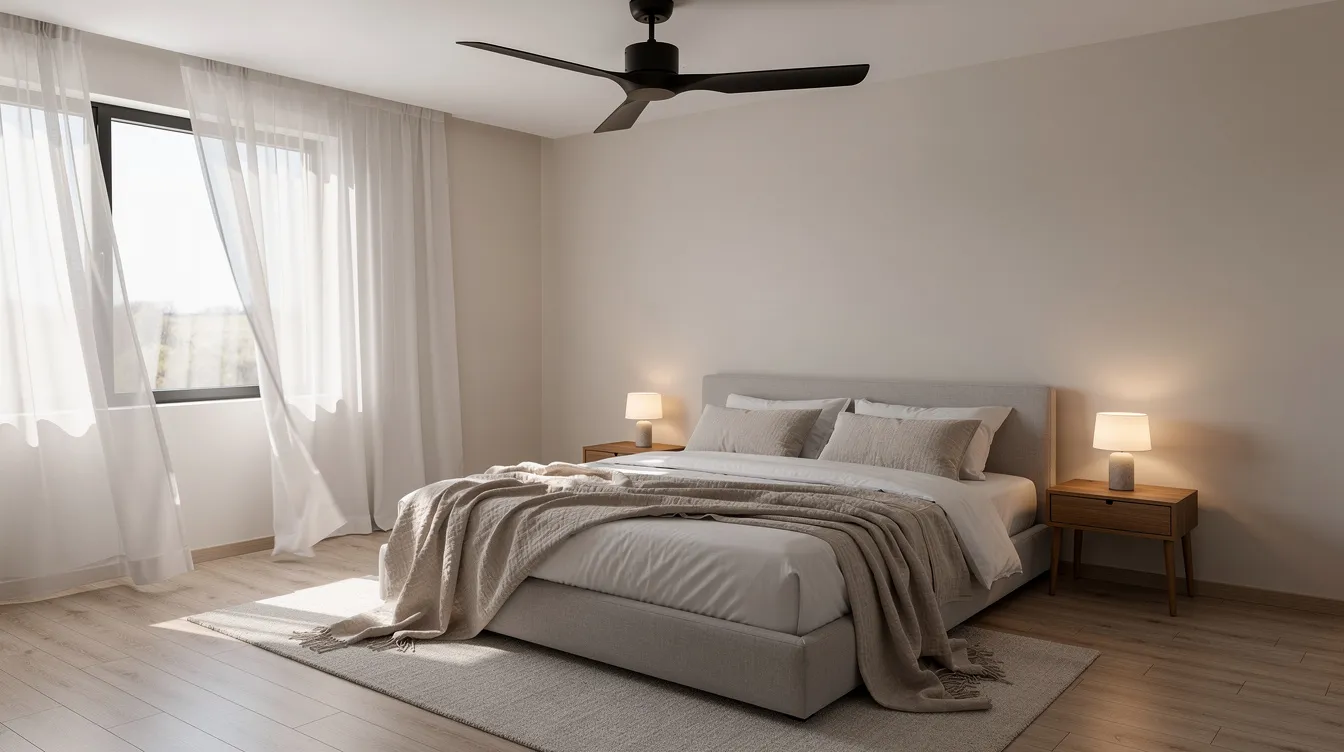
Practical Tips For Best Temperature And Bedroom Setup
Finding your optimal temperature for sleep requires systematic experimentation rather than accepting generic recommendations.
Steps to find your best temperature:
- Start at 18°C (65°F) as a baseline
- Track sleep latency, awakenings, and morning refreshment for 2-3 nights
- Adjust by 1°C in either direction
- Continue for 7-10 nights, testing each temperature for at least 2 nights
- Note patterns using a sleep diary or app
For hot sleepers:
If you consistently sleep hot, consider:
- Cooling gel mattress toppers (lower bed temperature by 2-3°C)
- Fans providing airflow of 1-2 m/s
- Active cooling systems like ChiliPad (precise control to 15-20°C)
- Cold air circulation before bed with window open
- Moisture-wicking sheets to prevent heat trapping
For cold sleepers:
If you naturally run cold:
- Heated blankets that warm to 24°C then auto-shutoff
- Wool layering for insulation without overheating
- Warmer sleepwear while maintaining cool air temperature
- Bed socks to promote distal vasodilation (counterintuitive but effective)
Bedroom setup checklist:
- Blackout curtains to support melatonin production
- Humidity at 40-60%
- East-facing windows for morning light exposure (resets SCN)
- Minimal electronics generating ambient heat
- Right bedding layers for adjustability
The goal is finding the conditions where your body’s ability to naturally cool meets the thermal environment’s support for that cooling.
When To Consult A Specialist
Most people can optimize their sleep through environmental adjustments and behavioral changes. However, some situations warrant professional evaluation.
Consider sleep clinic referral if:
- Sleep latency exceeds 30 minutes despite maintaining 16-19°C bedroom
- You experience irregular temperature patterns that don’t respond to interventions
- Daytime fatigue persists despite adequate sleep opportunity
- You suspect sleep apnea based on snoring, breathing pauses, or nighttime overheating
A sleep specialist can order polysomnography that assesses temperature-sleep coupling alongside other parameters. This testing helps rule out:
- Obstructive sleep apnea (AHI >5)
- Delayed sleep phase disorder
- Thermoregulatory disorders like Raynaud’s phenomenon (which impairs vasodilation)
- Other sleep disorders affecting temperature regulation
As mentioned earlier, the relationship between temperature and sleep is bidirectional. A sleep specialist can help determine whether temperature issues are causing poor sleep or resulting from underlying conditions.
Research Notes And Key Takeaways On Ideal Temperature
Current evidence gaps:
Research on temperature and sleep continues evolving. Key uncertainties include:
- Individual genetic variability (AVA density may explain 20-30% of temperature preference differences)
- Long-term effects of climate change on circadian rhythms and sleep
- Pediatric and geriatric data (temperature amplitudes decrease by ~0.5°C with age)
- Optimal strategies for specific populations
What the evidence supports:
Strong evidence indicates 16-19°C (60-66°F) works well for 70-80% of adults. However, individualization through tracking remains essential since the remaining 20-30% fall outside this range.
Key takeaways for a good night’s sleep:
| Action | Target | Expected Benefit |
|---|---|---|
| Set bedroom to 16-19°C (60-66°F) | Most adults | Promotes natural core cooling |
| Take warm bath 90 min before bed | 40-42°C for 20-30 min | 10-15 min faster sleep onset |
| Monitor distal temperature | Hands/feet >34°C pre-sleep | Confirms vasodilation working |
| Use breathable bedding | >2000 g/m²/day permeability | Prevents retaining heat |
| Test empirically | 1°C increments over 7-10 nights | Identifies personal optimum |
| Control humidity | 40-60% | Supports evaporative cooling |
Temperature optimization represents one of the most accessible interventions for improving sleep. Unlike medications or complex behavioral protocols, adjusting your thermal environment requires minimal effort while addressing fundamental physiology.
The process resembles nest building in other mammals—creating an optimal microclimate for rest. Your body already knows how to initiate sleep through temperature changes. Your job is ensuring the environment supports rather than fights that process.
Start tonight by checking your bedroom temperature. If it’s above 19°C, try lowering it by 2-3 degrees. Consider scheduling a warm bath 90 minutes before your target bedtime. Track your results over a week.
Small changes in temperature can yield significant improvements in how quickly you fall asleep, how well you stay asleep, and how restored you feel come morning. Your health benefits when sleep improves—and temperature is a lever you control directly.