

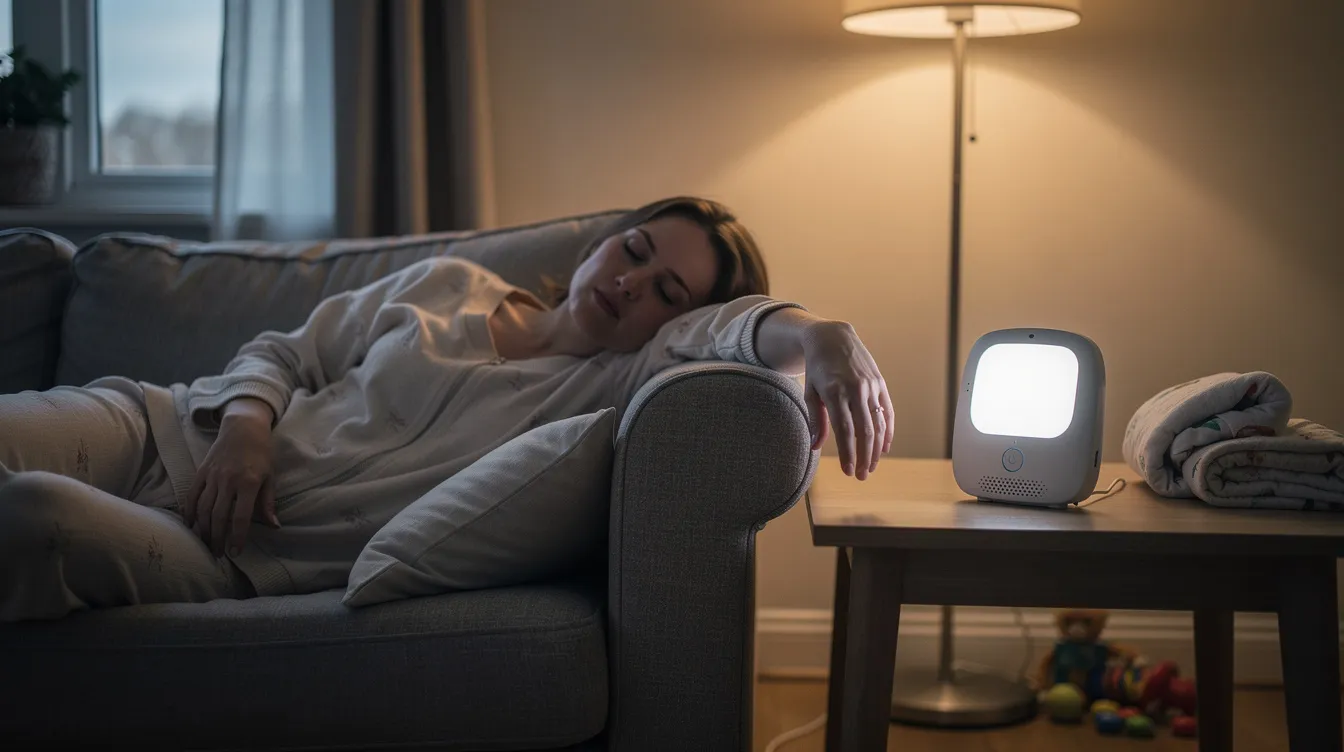
Those sleepless nights hit hard. If you’re a new parent running on fumes, you’re not alone—and you’re not imagining how difficult this is. New parent sleep deprivation affects nearly every family in the weeks and months after birth, creating real challenges for your health, your mood, and your ability to function.
Sleep patterns and challenges often begin during pregnancy, with many expecting parents experiencing disrupted sleep quality and shorter sleep duration even before the baby arrives.
This guide breaks down what’s happening, why baby sleeps the way they do, and practical strategies to help you get more sleep during this demanding time.
Overview: New Parent Sleep Deprivation in the Postpartum Period
New parent sleep deprivation is clinically defined as chronic insufficient sleep—typically averaging less than 7 hours per night—that disrupts cognitive and emotional functioning during the first year postpartum. This isn’t just feeling tired. It’s a measurable condition driven by newborn care demands that fragment sleep into short, interrupted bouts.
The timeline is predictable but brutal:
| Postpartum Week | Average Total Sleep | Longest Uninterrupted Stretch |
|---|---|---|
| Week 1 | 4.4 hours | 2.2 hours |
| Weeks 2-7 | 6.7 hours | 3.2 hours |
| Weeks 8-13 | 7.3 hours | 4.1 hours |
Prevalence is near-universal among new mothers. Research shows 31.7% endure over 24 hours without sleep in the first week alone. The cumulative loss reaches approximately 700 hours in the baby’s first year—equivalent to nearly three months of lost sleep. Full recovery may not occur until the child is six years old.
For women’s health specifically, this deprivation accelerates biological aging by 3-7 years in the first six months when sleep falls below adequate levels.
How Baby Sleeps and Why New Parents Face Sleepless Nights

New parent sleep deprivation – overview: new parent sleep deprivation in the postpartum period
Understanding infant sleep patterns helps explain why you’re struggling. Newborns sleep 14-17 hours daily, but that sleep comes in short 2-4 hour bursts. Their circadian rhythms don’t fully develop until 3-6 months, when melatonin production stabilizes and light-dark cues begin working.
Common causes of frequent night wakings include:
- Hunger (every 2-3 hours for breastfeeding infants)
- Physical discomfort or diaper changes
- Developmental leaps and growth spurts
- Disorganized sleep-wake cycles
- Some babies may remain awake for extended periods during the night, making it harder for parents to return to sleep.
This creates a bidirectional feedback loop. When baby sleeps poorly, maternal sleep suffers. Studies show low-sleep maternal profiles correlate with infants sleeping only 9.6 hours at 3 months, while mothers with average sleep profiles have infants sleeping closer to 11 hours. The sleep disruption feeds itself.
Even as your total sleep duration improves over weeks, your longest uninterrupted stretches remain curtailed—and that fragmentation is what makes staying asleep and feeling rested so difficult.

Health Impacts: Postpartum Depression, Fatigue, and Women’s Health
Monitor for persistent trouble with mood, changes in anxiety levels, and physical exhaustion that doesn’t improve with rest opportunities.
It’s important to be aware of postpartum depression symptoms and seek help early if they arise, as early awareness can facilitate timely intervention and support.
Practical Strategies for New Parents to Get More Sleep

New parent sleep deprivation – health impacts: postpartum depression, fatigue, and women’s health
The advice to “sleep when the baby sleeps” sounds simple but requires strategy. Newborns sleep 16-18 hours daily in fragments—use this to your advantage. It’s important for one parent to take the lead in organizing sleep routines and managing overnight care, so strategies are implemented effectively.
Realistic nap scheduling:
- Target 20-30 minute restorative naps during daytime lulls
- Don’t wait for perfect conditions to fall asleep
- Prioritize consolidated nighttime blocks of 4+ hours when possible
Delegating night tasks: Assign your partner specific responsibilities. One person handles feeds and diaper changes; the other sleeps uninterrupted. This division counters the 700-hour first-year deficit by ensuring at least one parent is functional.
Nighttime Division of Labor and Tag-Team Plans
Tag-team shifts work. Here’s an example structure:
| Partner | Shift | Responsibilities |
|---|---|---|
| Parent A | 10 PM - 3 AM | All wakings, feedings, diaper changes |
| Parent B | 3 AM - 7 AM | Morning relief, feeds, wake-ups |
The key: sleep in separate rooms during your “off” shift. Rotating nightly or weekly based on work schedules prevents resentment and ensures both partners average more sleep over time. Data shows partnered delegation improves maternal sleep from 5.9 hours (in low-sleep profiles) to closer to 7 hours.
Family members and friends can also provide relief during daytime hours, giving you blocks for uninterrupted rest.
Sleep Hygiene, Naps, and Short-Term Tools
Simple pre-sleep routines help your body prepare:
- Dim lights 1 hour before bed to cue melatonin production
- Avoid screens to preserve circadian integrity
- Use consistent wind-downs like herbal tea or reading
Short restorative naps (10-20 minutes) combat daytime deficits without causing grogginess—a technique proven effective for shift workers facing similar sleep fragmentation patterns.
Tools that help:
- White noise machines mask household sounds and extend infant sleep stretches
- Blackout curtains block light leaks for faster sleep onset
- Keep your room cool (60-67°F) for optimal rest
Co-Sleeping, Bed Sharing, and Safe Practices to Reduce Risks of SIDS
Terminology matters here:
- Bed sharing: Infant sleeps on the adult bed
- Co-sleeping: Broad term for any shared sleep surface or proximity
- Room-sharing: Bassinet or crib placed beside the parental bed, same room but separate surface
There is an increased risk associated with bed-sharing, as it significantly raises the likelihood of sudden infant death syndrome by 2-5 times according to AAP meta-analyses. The dangers include overlay, overheating, and CO2 rebreathing. Room-sharing, by contrast, reduces SIDS risk by 50% through proximity without same surface hazards.
Sleep related infant deaths remain a serious concern, with SIDS peaking between 1-4 months. Safe practices when caregivers choose to co sleep include:
- Sober, non-smoking parents only
- Firm mattress with no soft bedding
- Avoid pillows and duvets near infant
- Breastfeeding (a protective factor)
- Pacifier use
Bed-Sharing vs Room-Sharing: Practical Guidance
Avoid bed sharing entirely if:
- Either parent smokes or has consumed alcohol
- Parents are extremely fatigued or taking sedating medications
- BMI exceeds 30 (increased overlay risk)
- The infant is a preemie or multiple
Safer room-sharing setup:
- Position a flat, firm bassinet inches from your bed
- Maintain this arrangement until 6-12 months
- Ensure back to sleep positioning (always supine)
Talk to your pediatrician about specific sleeping plans. Cultural practices vary, but evidence-based child health guidelines consistently support room-sharing over bed sharing for reduced risks.

Create a Safer Sleep Environment for Infant and Parent

New parent sleep deprivation – co-sleeping, bed sharing, and safe practices to reduce risks of sids
Infant sleep surface requirements are non-negotiable:
- Firm and flat: Cribs with fitted sheets only
- Remove all loose items: No blankets, pillows, toys, or bumpers
- Maintain proper temperature: 68-72°F room
- Keep smoke-free: Tobacco exposure triples SIDS risk
For parents, optimize your own sleep environment for recovery:
- Dark, cool bedroom (60-67°F)
- Breathable bedding
- Sound machine to mask infant noises between wakings
- Remove electronics that tempt late-night scrolling
The infant care practices you implement directly affect your ability to recover from 4.4-hour first-week deficits. A safe sleep environment for baby creates predictability that eventually benefits parental rest.
When To Seek Help During the Postpartum Period
Warning signs of postpartum depression requiring professional help:
- Persistent sadness, irritability, or anxiety lasting more than 2 weeks
- Insomnia despite fatigue opportunities
- Withdrawal from partner, friends, or other children
- Feeling detached from your baby
Contact a board certified clinician for chronic insomnia (difficulty sleeping exceeding 3 months despite adequate opportunities). Cognitive behavioral therapy for insomnia (CBT-I) is effective, and medicine may be appropriate in some cases.
Urgent action required for:
- Severe mood swings
- Suicidal ideation
- Safety risks to yourself or infant
Sleep discontinuity often signals PPD escalation. If you’re pregnant and have a history of depression, discuss prevention strategies now. The official journal Sleep Medicine Reviews notes sleep loss as a significant risk factor—awareness before birth helps.
Practical Checklist and Resources for New Parents
One-Page Sleep Plan Checklist:
- Track daily: total sleep, longest stretch, number of wakings
- Schedule tag-team shifts (e.g., 10 PM-3 AM / 3 AM-7 AM)
- Nap when baby naps (aim for 20-90 minutes)
- Maintain consistent bedtime routine (no screens after 9 PM)
- Safe sleep setup: bassinet, supine position, same room
- Keep infant sleep surface firm with no loose objects
- Check room temperature (68-72°F)
Postpartum Mental Health Resources:
- PSI Helpline: 1-800-944-4773
- Postpartum Support International apps and local support groups
- National Suicide Prevention Lifeline: 988
Additional Support:
- La Leche League for breastfeeding and feeding-sleep connections
- AAP’s healthychildren.org for pediatric sleep guidance
- Local pediatricians offering sleep clinics (systematic review data shows consistent bedtimes can halve short sleep prevalence)
Most people underestimate how much support is available. You don’t have to navigate life with a newborn alone.
Sleep deprivation during the postpartum period is temporary, even when it feels endless. The strategies you implement now—tag-team shifts, safer infant sleep setups, and awareness of your own mental health—build a foundation for recovery. Start with one change tonight. Whether it’s assigning your partner specific night hours or repositioning the bassinet, small adjustments accumulate into real improvement. If you’re struggling beyond normal exhaustion, reach out. You deserve sleep, and help is available.