
Sleep paralysis is a temporary inability to move or speak that occurs when falling asleep or waking. During these episodes, your mind becomes conscious while your body remains paralyzed by the same mechanism that prevents you from acting out dreams. This article breaks down the causes of sleep paralysis, who’s most at risk, how sleep paralysis diagnosed cases are evaluated, and practical strategies to prevent sleep paralysis from disrupting your rest.
Quick Facts About Sleep Paralysis
- Approximately 7.6% of the general population experiences at least one lifetime episode of sleep paralysis
- Among students, prevalence jumps to 28.3%, likely due to irregular sleep patterns and stress
- About 36% of people with isolated sleep paralysis develop it between ages 25 and 44
- Males and females are affected equally
- A typical episode lasts from a few seconds to a few minutes, though it often feels longer
Causes Of Sleep Paralysis

Sleep paralysis causes – quick facts about sleep paralysis
Sleep paralysis happens when there’s a mismatch between your brain’s awareness and your body’s motor control during sleep transitions. Normally, when your body enters REM (rapid eye movement) sleep, your brain deliberately paralyzes voluntary muscles through a process called REM atonia. REM atonia is responsible for causing temporary paralysis during REM sleep to prevent you from physically acting out dreams.
The problem occurs when you become conscious while still in this paralyzed state. Your brain’s ability to control movement remains suppressed even though you’re awake.
Key biological contributors include:
- Disrupted sleep cycles that fragment REM timing
- Acute sleep deprivation, which increases vulnerability to the consciousness-sleep mismatch
- Stress and psychological tension affecting sleep quality
- Genetic predisposition (family history increases likelihood)
- Sleep position, particularly sleeping on your back and sleep paralysis appear linked
- Irregular sleep schedule that throws off natural rhythms
Narcolepsy, a sleep disorder, is also associated with sleep paralysis and is linked to a problem with the brain’s ability to regulate sleep-wake cycles.
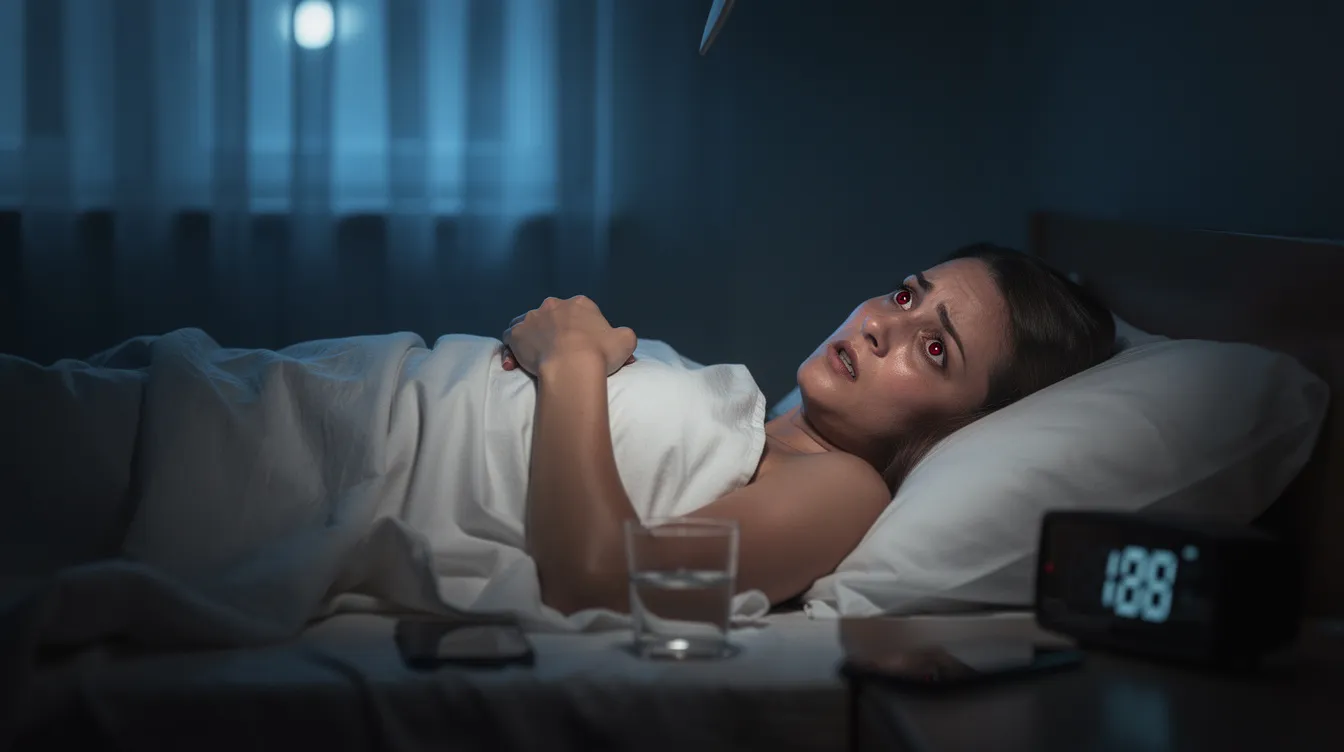
Sleep Disorders That Raise Risk
Several underlying sleep disorders contribute to sleep paralysis episodes:
Narcolepsy represents the strongest association. Sleep paralysis occurs as an auxiliary symptom in 30-50% of narcolepsy patients, making it a key diagnostic marker.
Obstructive sleep apnea fragments sleep architecture, creating conditions where the brain-body disconnect is more likely. When sleep apnea interrupts normal sleep patterns, the risk of experiencing sleep paralysis increases significantly.
Psychiatric conditions also elevate prevalence:
| Condition | Sleep Paralysis Prevalence |
|---|---|
| General population | 7.6% |
| Students | 28.3% |
| Psychiatric patients | 31.9% |
| Panic disorder patients | 34.6% |
Anxiety disorders, depression, bipolar disorder, and post traumatic stress disorder all show elevated rates. Users of anxiolytic medications are nearly five times as likely to report episodes.
What Does Sleep Paralysis Do To You?
Sleep paralysis symptoms typically include the inability to move or speak upon waking or falling asleep, even though you are fully aware of your surroundings. These primary symptoms can be distressing and have a significant impact on sleep and emotional well-being.
Common hallucination types include:
- Sensing an ominous presence in the room
- Feeling pressure on the chest or difficulty breathing
- Visual apparitions or shadow figures
- Tactile sensations of being touched
- Out-of-body experiences
Other sleep paralysis symptoms may also occur alongside the primary symptoms, such as unusual physical sensations or sensory experiences during episodes.
These vivid hallucinations amplify psychological distress. The emotional aftermath typically includes intense fear during the episode and lingering anxiety afterward. Some people develop anticipatory anxiety about sleep itself, which can worsen overall sleep health and potentially trigger sleep paralysis in a frustrating cycle.
During An Episode Of Sleep Paralysis: Why You Can’t Move Or Speak
When does sleep paralysis occur? It strikes during transitions—either as hypnagogic sleep paralysis (while falling asleep) or as hypnopompic sleep paralysis (while waking). Hypnopompic sleep paralysis occurs more commonly because morning REM periods are longer and more intense.
The experience feels visceral. You might perceive your breathing as labored, hear strange sounds, or feel your heart racing. The room appears real because your eyes can move, yet your limbs refuse to respond. Time distorts. What takes a few minutes can feel like an eternity.
Coping steps people report during episodes:
- Focus on wiggling a single finger or toe to break the paralysis
- Remind yourself that the episode is temporary and not dangerous
- Practice deep breathing exercises mentally
- Try to relax rather than fight the paralysis
Sleep Paralysis Diagnosed: Tests And Evaluation
Comprehensive sleep paralysis diagnosis starts with a detailed sleep history. Your doctor identify potential triggers by documenting:
- Frequency and timing of episodes
- Associated symptoms and hallucinations
- Sleep habits and schedule regularity
- Medication use, especially anxiolytics and antidepressants
- Stress levels and mental health history
Polysomnography (overnight sleep study) is recommended when there’s suspicion of underlying sleep disorders like sleep apnea contributing to episodes.
Multiple sleep latency test testing is indicated when narcolepsy is suspected. This measures how quickly you fall asleep during the day and whether you enter REM sleep abnormally fast.
Screening for comorbid conditions is essential. Given the strong associations with anxiety, panic disorder, and bipolar disorder, your sleep specialist may recommend mental health evaluation as part of comprehensive assessment.
A sleep diary helps track patterns. Document when episodes occur, what you ate or drank beforehand, your stress levels, and your sleep position.
Is Sleep Paralysis Dangerous?

Sleep paralysis causes – sleep paralysis diagnosed: tests and evaluation
Is sleep paralysis dangerous to your health? The reassuring answer: occasional sleep paralysis is common and generally not serious. The paralysis itself causes no physical harm, and sleep paralysis routinely stops on its own within minutes.
However, recurrent sleep paralysis—defined as frequent episodes that meet diagnostic criteria—affects 15-45% of those with lifetime history and warrants investigation.
Medical concern increases when:
- Episodes occur weekly or more frequently
- Sleep quality deteriorates due to fear of episodes
- Daytime functioning suffers from poor sleep quality
- Symptoms suggest underlying conditions like narcolepsy
Recurrent isolated sleep paralysis can impair overall sleep health through anticipatory anxiety. Some people avoid sleep or develop irregular sleep patterns trying to prevent episodes, inadvertently making them more likely.
Psychiatric referral is warranted when episodes associate with severe anxiety, panic symptoms, or when an underlying mental health condition may be contributing. Urgent evaluation is necessary if episodes coincide with suicidal ideation or severe depression.
How To Prevent Sleep Paralysis
You can reduce vulnerability to episodes by addressing known triggers systematically:
- Maintain a consistent sleep schedule—go to bed and wake at the same times daily
- Reduce late-night caffeine and alcohol consumption
- Practice stress reducing techniques before bed
- Treat sleep paralysis by addressing any underlying sleep disorder first
- Avoid sleeping on your back if you frequently experience sleep paralysis in that position
Ensuring you get a good night’s sleep is essential for reducing the risk of sleep paralysis and improving overall sleep health.

Improve Sleep Hygiene And Overall Sleep Health
Better sleep hygiene can regulate sleep transitions and reduce episodes. Here’s a simple pre-bed routine template:
- 60 minutes before bed: Limit screen time and bright lights
- 30 minutes before bed: Engage in calming activities (reading, gentle stretching)
- 15 minutes before bed: Prepare your environment—cool temperature, darkness, quiet
- At bedtime: Deep breathing exercises to reduce tension
Optimize your bedroom for sleep quality:
- Keep room temperature between 65-68°F
- Use blackout curtains or an eye mask
- Remove electronic devices that emit light or noise
- Reserve the bed for sleep only
These measures won’t guarantee you’ll stop sleep paralysis entirely, but they address several factors that potentially trigger sleep paralysis, including sleep deprivation and disrupted sleep cycles.
Address Sleep Apnea And Other Sleep Disorders
If you suspect underlying sleep disorders contributing to your episodes, referral to a sleep specialist for evaluation is essential.
For confirmed sleep apnea, CPAP (continuous positive airway pressure) therapy treats the breathing interruptions that fragment your sleep cycle. This can significantly reduce sleep paralysis frequency by stabilizing sleep architecture.
Keep a detailed sleep diary documenting:
- Episode timing and duration
- What you experienced
- Sleep position
- Pre-sleep activities
- Caffeine, alcohol, medication use
This information helps clinicians identify patterns and determine whether other sleep disorders require treatment.
How To Stop An Episode Of Sleep Paralysis

Sleep paralysis causes – how to prevent sleep paralysis
When you experience hypnagogic sleep paralysis or experience hypnopompic sleep paralysis, remember that the episode will end. How can you make sleep paralysis feel less terrifying in the moment?
Techniques to try:
- Focus intently on moving just one finger or toe—this small movement can sometimes break the paralysis cycle
- Remind yourself firmly that you’re safe and this is temporary
- Try to regulate your breathing calmly rather than panicking
- If a partner is present, they can help by gently calling your name or touching your arm
Fighting the paralysis aggressively often increases panic. Paradoxically, relaxing and accepting the experience may help it resolve faster. Some people find that attempting to go back to sleep momentarily allows a cleaner wake-up.
When To Seek Professional Help
See a doctor if you:
- Frequently experience sleep paralysis (weekly or more)
- Have episodes causing significant distress or sleep avoidance
- Notice symptoms suggesting narcolepsy (excessive daytime sleepiness, sudden muscle weakness)
- Cannot get a good night’s sleep due to episode-related anxiety
Seek urgent care if sleep paralysis episodes associate with suicidal thoughts or severe depressive symptoms. The comorbidity between sleep paralysis and psychiatric conditions means these warning signs deserve immediate attention.
Mental health referral is appropriate when:
- Anxiety about sleep paralysis impairs daily functioning
- You’re developing sleep-related phobias
- The emotional aftermath of episodes persists between nights
Sleep medicine specialists can help treat sleep paralysis through comprehensive evaluation and targeted interventions. Sleep medicine reviews have examined various approaches, though treatment options remain less studied than prevention strategies.
Comparison: Sleep Paralysis Causes And Triggers
| Category | Specific Factors | Risk Level |
|---|---|---|
| Sleep disorders | Narcolepsy | High |
| Sleep apnea | Moderate-High | |
| Other sleep disorders | Moderate | |
| Lifestyle | Sleep deprivation | High |
| Irregular sleep patterns | Moderate-High | |
| Late caffeine/alcohol | Moderate | |
| Mental health | Panic disorder | High |
| Anxiety/depression | Moderate | |
| Bipolar disorder | Moderate | |
| Medications | Anxiolytic use | High |
| Physical | Sleeping on back | Low-Moderate |
| Jet lag/shift work | Moderate |
Patient experience:
“The first time it happened, I was convinced someone was in my room. I could see shadows moving, felt pressure on my chest, and couldn’t scream. It lasted maybe 30 seconds but felt like minutes. Once I learned what it was, I stopped panicking during episodes. Now I focus on my breathing and wait it out. Fixing my sleep schedule helped more than anything—I went from weekly episodes to maybe once every few months.”
Resources
- Sleep Foundation guidelines on sleep paralysis
- American Academy of Sleep Medicine clinic finder
- National Sleep Foundation sleep diary template
Sleep paralysis can feel terrifying, but understanding its causes empowers you to reduce episodes and respond calmly when they occur. Start by examining your sleep habits—are you getting enough sleep on a regular sleep schedule? Address any factors that might contribute to poor sleep quality. If episodes persist despite lifestyle changes, consult a sleep specialist who can evaluate for underlying conditions and recommend targeted treatment.