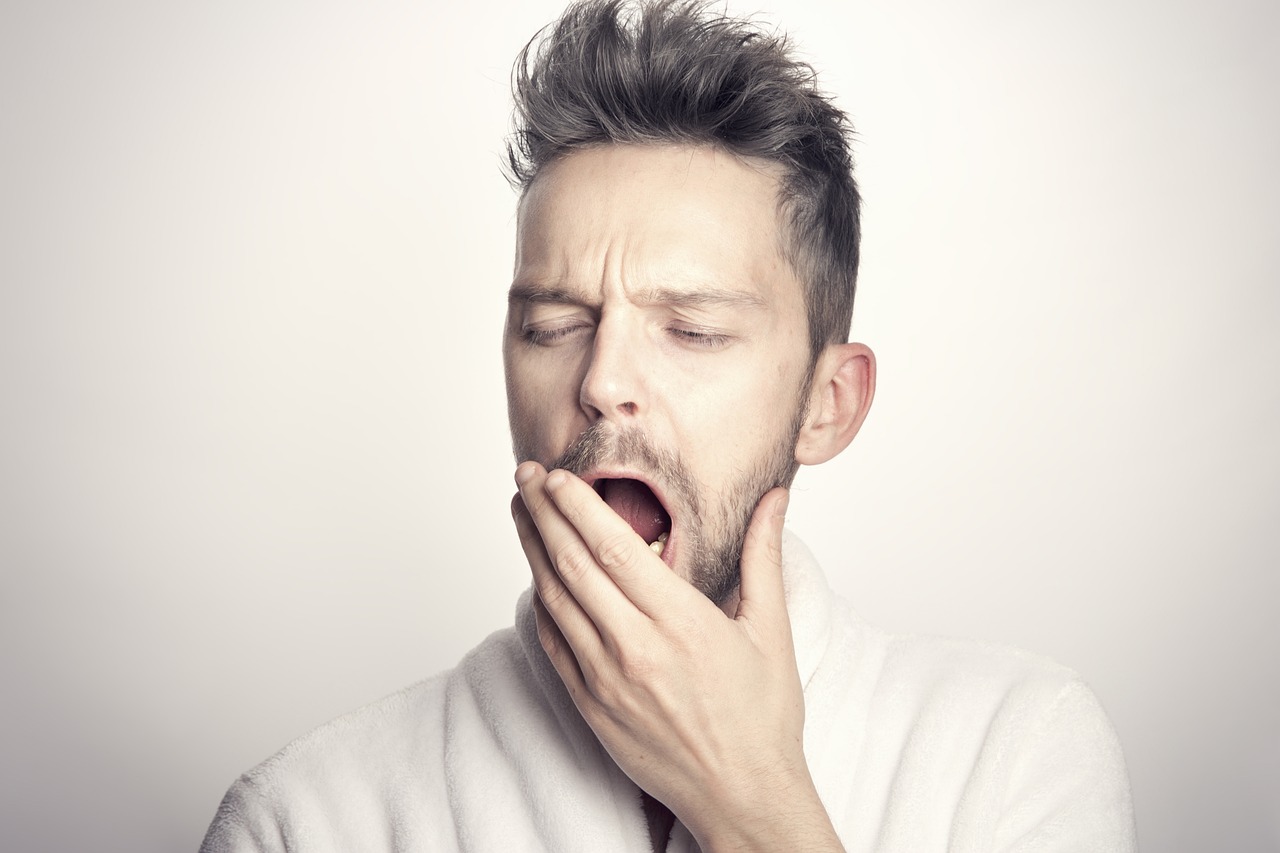

If you have attention deficit hyperactivity disorder adhd or care for someone who does, you already know the daily life challenges extend far beyond focus and hyperactivity. What many don’t realize is that up to 70% of people with adhd experience significant sleep disturbances that worsen core adhd symptoms and create a vicious cycle of exhaustion and impairment.
This guide covers the connection between adhd and sleep comprehensively. You’ll learn about common sleep disorders in ADHD, understand why falling asleep feels impossible, discover evidence-based treatment strategies, and find practical tools you can implement tonight.
Whether you’re an adult with adhd, a parent navigating restless nights with your child, or a clinician seeking patient resources, this guide provides actionable pathways to better rest.
Overview of ADHD-Related Sleep Disorders
Sleep disorders in the ADHD context refer to disruptions in sleep onset, maintenance, quality, timing, or associated daytime impairments that occur at elevated rates alongside ADHD. Research suggests that 25% to 50% of individuals with ADHD experience these sleep problems—far exceeding rates in the general population.
Common comorbid sleep conditions include:
- Insomnia
- Delayed sleep phase syndrome
- Restless legs syndrome
- Periodic limb movement disorder
- Sleep disordered breathing and sleep apnea
- Narcolepsy
The relationship between ADHD and poor sleep is bidirectional. ADHD symptoms exacerbate sleep issues, while poor sleep intensifies inattention, hyperactivity, and impulsivity. This creates a cycle where untreated sleep difficulties can even mimic ADHD itself, leading to potential misdiagnosis.
Insomnia
Insomnia is characterized by difficulty initiating or maintaining sleep despite adequate opportunity. For someone with ADHD, this often means lying in bed with a racing mind, unable to quiet thoughts long enough to drift off.
Up to half of parents of children with ADHD report insomnia as among their child’s most frequent problems. Adults with adhd show even more pronounced patterns, with studies revealing wider bedtime ranges, greater difficulty going to bed, and significantly higher daytime sleepiness (odds ratio 2.23 compared to controls).
Typical nighttime ADHD behaviors include:
- Hyperactivity and physical restlessness in bed
- Racing thoughts and inability to “shut off” the brain
- Random bursts of energy when lying down
- Impulsive decisions to stay awake longer
Consider referral for insomnia treatment when sleep difficulties persist beyond basic hygiene adjustments, significantly impair daytime function, or coexist with other disorders.
Circadian Rhythm and Delayed Sleep Phase
Circadian rhythm sleep disorders involve misalignment of the body’s internal clock with conventional schedules. The circadian clock regulates when you feel alert versus sleepy, and disruptions can make maintaining a normal sleep wake cycle nearly impossible.
Delayed sleep phase syndrome (also called delayed sleep phase or delayed circadian rhythm phase) is the most common sleep disorder linked to ADHD. It’s defined by a two-hour or greater delay in the sleep-wake cycle, creating natural night owl tendencies.
Implications of delayed sleep include:
- Feeling most alert in evenings when you should wind down
- Struggling with school or work start times
- Chronic sleep debt from forced early waking
- Sluggish cognition until midday
Contributors include smaller pineal gland size in some ADHD individuals, delayed melatonin onset, and irregularities in the internal clock. Adolescents are particularly affected.
Chronotherapy options showing preliminary promise include:
- Timed light exposure (bright light therapy in mornings)
- Taking melatonin supplements at strategic times
- Gradually advancing bedtime in 15-minute increments
Sleep-Disordered Breathing and Sleep Apnea
Sleep disordered breathing encompasses abnormal respiratory patterns during sleep, including snoring and breathing pauses. Obstructive sleep apnea involves repeated upper airway blockages causing oxygen desaturations and frequent arousals that fragment sleep.
Nearly one-third of ADHD individuals report breathing-related sleep issues. This rate climbs to 40% in those with obesity, which affects a significant portion of the ADHD population.
Signs to monitor include:
- Loud, persistent snoring
- Gasping or choking during sleep
- Witnessed breathing pauses
- Morning headaches
- Excessive daytime fatigue
- ADHD-like inattention from sleep fragmentation
Studies show that treating sleep apnea with CPAP has improved adhd symptoms in some patients. Recommend referral for polysomnography (a sleep study) when obesity, persistent daytime somnolence, or witnessed apneas are present.
Restless Legs Syndrome and Periodic Limb Movements
Restless legs syndrome features uncomfortable tingling, crawling, or pulling sensations in the legs that create an irresistible urge to move. Symptoms worsen in evenings and while resting, making it extremely difficult to fall asleep.
Periodic limb movement disorder involves repetitive leg jerks during sleep that may or may not awaken the sleeper but disrupt sleep architecture regardless.
These conditions affect up to 50% of ADHD individuals. Children with these issues spend more time in non-restorative stage 1 light sleep.
Links to iron and dopamine deficiencies—both common in ADHD—have been established. Daytime restless legs manifestations can mimic hyperactivity directly, further complicating diagnosis.
Screening questions for RLS include:
- Do you experience uncomfortable leg sensations in evenings?
- Does movement provide relief?
- Is there a family history of restless legs?
Narcolepsy and Excessive Sleepiness
Narcolepsy presents with excessive daytime sleepiness, sleep attacks, cataplexy (sudden muscle weakness triggered by emotion), and sometimes hypnagogic hallucinations upon falling asleep.
The overlap with ADHD occurs primarily through shared excessive sleepiness and inattention symptoms. However, ADHD individuals may also experience hypersomnia from:
- Arousal dysregulation
- Comorbid depression or anxiety
- Stimulant medication crashes masking underlying fatigue
Suggest specialist referral when sleepiness persists despite adequate sleep duration, when sudden sleep attacks occur, or when cataplexy symptoms are reported. These are red flags requiring evaluation beyond standard ADHD care.
Why People With ADHD Have Trouble Falling Asleep

Adhd and sleep – overview of adhd-related sleep disorders
The primary culprit behind trouble falling asleep in ADHD is hyperarousal—a state of heightened brain alertness that persists even when the body is exhausted. Racing thoughts, difficulty winding down from hyperactive states, and impulsivity all contribute.
Sensory sensitivities common in ADHD amplify this problem. A room that feels fine to others may be too bright, too warm, or too noisy for the ADHD brain to relax. Emotional triggers like stress, excitement, or overstimulation earlier in the day can also delay sleep onset for hours.
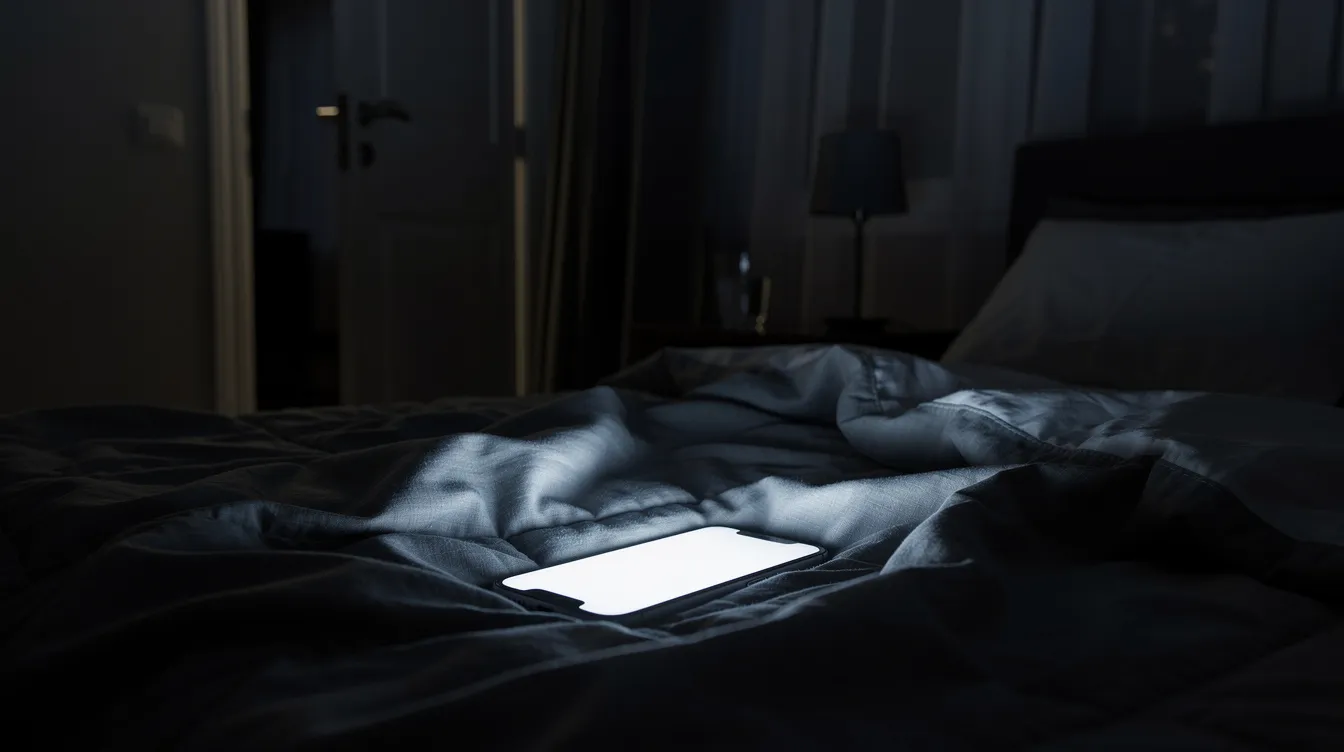
Stimulant medication timing plays a significant role. When taken late in the day, stimulants block adenosine buildup (the molecule that creates sleep pressure) and elevate dopamine, making it harder to transition into sleep. Irregular routines and screen time further disrupt natural melatonin production.
Trouble Sleeping Patterns Across Ages
Sleep patterns in ADHD shift across development, though the core adhd struggle with rest remains constant.
Children show approximately 50% prevalence of onset and maintenance issues. Common presentations include:
- Frequent night wakings
- Difficulty settling at bedtime
- Resistance to sleep routines
- Morning grogginess leading to daytime irritability and poor focus
Adolescents exhibit pronounced delayed sleep phase tendencies. Evening alertness peaks while mornings become increasingly difficult, creating conflict with school schedules and parental mental health.
Adults face chronic sleep patterns including wider bedtime variability night-to-night, persistent challenges with restful sleep, and accumulated sleep debt affecting mental health and daily function.
Difficulty Waking and Morning Dysfunction
Difficulty waking in ADHD manifests as severe grogginess, resistance to arousal, and prolonged morning dysfunction that can last hours. This trouble waking often stems from the delayed sleep cycle combined with insufficient total sleep.
Light therapy offers a physiological intervention. Devices that mimic dawn gradually brighten before wake time, helping advance the circadian rhythm and making waking feel more natural.
Morning reward or anchor activities can also help build momentum. The key is creating something immediately engaging or rewarding upon waking—whether that’s a favorite beverage, music, or brief movement that signals the brain it’s time to activate.
Assessment and Diagnosis Of Sleep Problems
Comprehensive sleep assessment begins with a detailed history. Key checklist items include:
| Assessment Area | Specific Questions |
|---|---|
| Sleep onset | Time to fall asleep (>30 minutes is concerning) |
| Maintenance | Number and duration of night wakings |
| Duration | Total sleep time vs. age-appropriate needs |
| Breathing | Snoring, witnessed apneas, gasping |
| Movement | Leg discomfort, bed partner reports of kicking |
| Daytime function | Sleepiness, napping, caffeine dependence |
| Schedule | Bedtime variability, weekend vs. weekday differences |
Validated sleep questionnaires help quantify issues objectively. The Pittsburgh Sleep Quality Index measures overall sleep quality, while the Epworth Sleepiness Scale assesses daytime sleepiness severity.
Review adhd medication timing carefully. Stimulant medication taken after early afternoon may contribute significantly to sleep difficulties.
Recommend referral for overnight sleep study when questionnaires or history suggest sleep apnea, restless legs syndrome, periodic limb movements, or narcolepsy. Polysomnography provides objective data that questionnaires cannot capture.
Treatment Strategies: Behavioral First-Line Approaches

Adhd and sleep – assessment and diagnosis of sleep problems
Prioritize behavioral interventions before medication when possible. Research consistently shows that behavioural sleep intervention produces durable improvements without medication side effects, and clinical trials support their effectiveness in ADHD populations.
Stimulus control principles form the foundation. The goal is associating bed exclusively with sleep:
- Use bed only for sleep (no reading, scrolling, or TV)
- If awake more than 20 minutes, leave bed and return when sleepy
- Maintain consistent wake times regardless of prior night’s sleep
Design a consistent sleep routine that signals the brain to transition toward rest. Establishing these routines and making environmental changes is essential for achieving a good night’s rest, especially for individuals with ADHD. This routine should begin 30-60 minutes before target bedtime and follow the same sequence nightly.
Sleep hygiene best practices include:
- Fixed wake time daily, even weekends
- No screens 1-2 hours before bed (blue light suppresses melatonin production)
- Caffeine cutoff by early afternoon
- Dim lighting in evenings
- Avoid stimulating activities close to bedtime
Sleep Routine and Sleep Hygiene Details
A sample evening routine for adults includes:
- Dim lights throughout home 60 minutes before bed
- Non-stimulating activity (reading physical book, stretching)
- Relaxation techniques such as progressive muscle relaxation or breathing exercises
- Lights out at consistent time
Good sleep hygiene actions to reduce stimulation:
- Replace overhead lights with lamps in evening
- Use blue light blocking glasses if screens are unavoidable
- Avoid checking email or news close to bed
- Practice soothing music or white noise during wind-down
Consistent wake time matters more than bedtime. Even after restless nights, waking at the same time maintains circadian rhythm alignment and builds sleep pressure for the following night.
Sensory Supports and Environmental Modifications
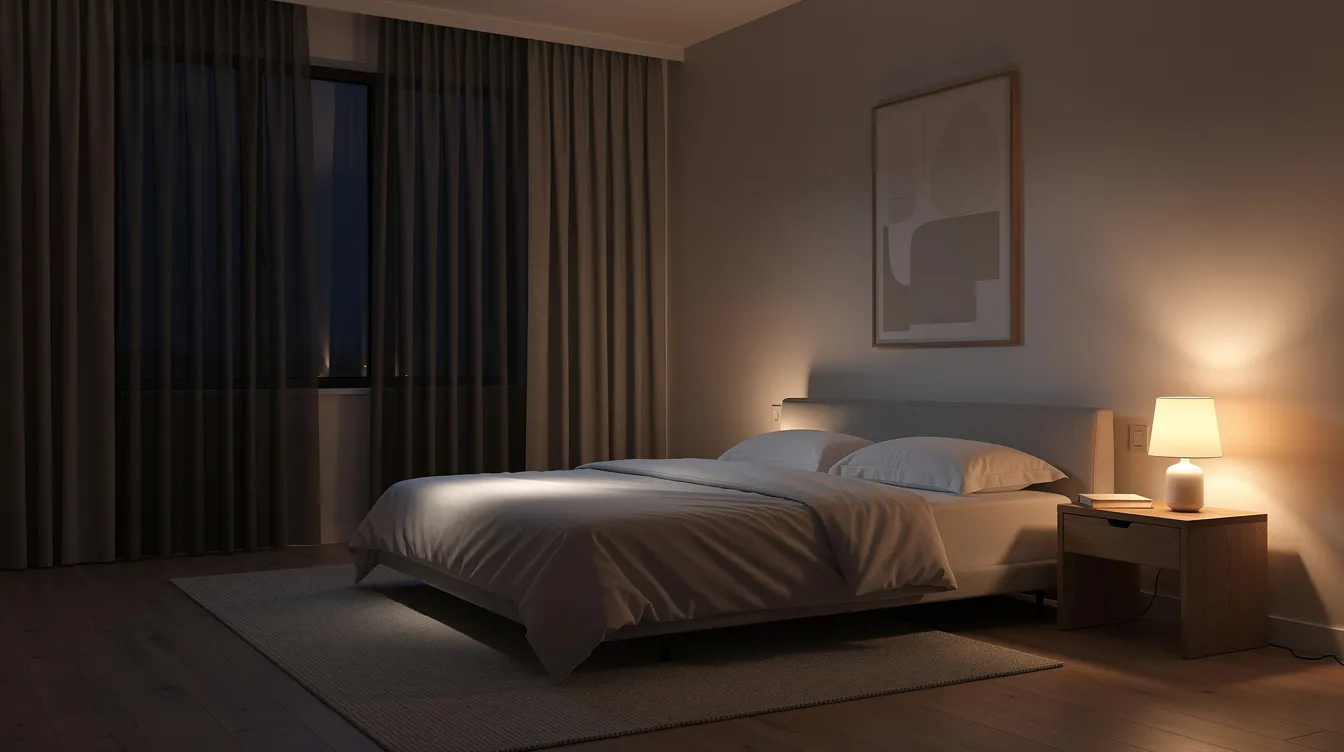
Environmental modifications address the sensory sensitivities common in ADHD that interfere with improving sleep.
Light control: Blackout curtains eliminate external light that can trigger alertness. Even small amounts of light exposure during sleep phases can disrupt rest.
Sound management: White noise machines or apps mask inconsistent sounds that might trigger hypervigilant ADHD brains. The consistent sound becomes background rather than alerting.
Pressure input: Weighted blankets (approximately 10% of body weight) provide calming deep pressure input. Research suggests this proprioceptive feedback can reduce restlessness and promote relaxation.
Temperature: Maintain bedroom temperature between 60-67°F (15-19°C). Cooler environments promote good night’s rest. Choose breathable bedding materials that wick moisture.
Medical Treatments and Device Therapies
When behavioral strategies alone prove insufficient, medical interventions become necessary.
Review ADHD medication schedules: Work with prescribers to ensure stimulant medication dosing doesn’t interfere with sleep. Options include earlier dosing times, switching to shorter-acting formulations, or adjusting extended-release timing. Some individuals benefit from treating adhd with non-stimulant alternatives if sleep issues persist.
Melatonin guidance: Melatonin supplements (typically 1-5mg taken 30-60 minutes before target bedtime) can help reset delayed circadian rhythms. Timing matters more than dose for circadian effects. Taking melatonin supplements earlier in the evening may be more effective for delayed onset issues. Consult with a clinician for individualized dosing.
CPAP for confirmed apnea: When polysomnography confirms obstructive sleep apnea, continuous positive airway pressure therapy addresses the underlying breathing obstruction. Studies show daytime symptoms and attention improve with consistent CPAP use.
Care coordination: Sleep medicine specialists should communicate with ADHD prescribers to ensure treatments complement rather than conflict. A warm bath before bed can enhance the body’s natural temperature drop that promotes sleep onset.
Practical Tools: Routines, Checklists, and Examples

Adhd and sleep – medical treatments and device therapies
Concrete tools make implementation realistic. Here are templates to adapt:
4-Step Adult Bedtime Routine
| Step | Activity | Duration |
|---|---|---|
| 1 | Dim lights, prepare for tomorrow | 15 min |
| 2 | Relaxation (reading, stretching, warm bath) | 20 min |
| 3 | Progressive muscle relaxation or breathing exercises | 10 min |
| 4 | Lights out at scheduled time | — |
5-Step Child Bedtime Routine
| Step | Activity | Duration |
|---|---|---|
| 1 | Bath time | 15 min |
| 2 | Pajamas | 5 min |
| 3 | Story time | 15 min |
| 4 | Cuddle/comfort | 5 min |
| 5 | Lights out | — |
Quick Morning Wake-Up Checklist
- Curtains/blinds open immediately (light exposure helps)
- Feet on floor within 5 minutes of alarm
- Drink water
- Brief movement (stretching, short walk)
- Rewarding activity (favorite music, coffee ritual)
Simple Sleep Log
Track these elements nightly for two weeks to identify patterns:
| Date | Bedtime | Time to fall asleep | Night wakings | Wake time | Sleep quality (1-5) | Notes |
|---|---|---|---|---|---|---|
Patterns in the log help identify triggers for trouble sleeping and measure whether interventions produce more sleep over time.

Monitoring Outcomes and When To Escalate Care
Not all sleep issues resolve with behavioral interventions alone. Red flags warranting specialist referral include:
- Persistent hypersomnolence despite adequate sleep duration
- Treatment-resistant insomnia after 4-6 weeks of behavioral changes
- Witnessed apneas or oxygen desaturation concerns
- Leg movements disrupting bed partners
- No improvement in sleep quality following behavioral tweaks
- Symptoms suggesting narcolepsy
Repeat sleep assessments after treatment changes to objectively measure progress. What felt like improvement may not show in tracked data, or vice versa.
Collaborate with sleep medicine clinicians when cases become complex. The intersection of ADHD, sleep disorders, and medication management often requires coordinated specialty care. A sleep specialist can provide expertise beyond primary care scope.
Research, Clinical Trials, and Emerging Treatments
The research landscape for ADHD-sleep connections continues expanding. Current clinical trials explore:
- Chronotherapy protocols specifically designed for ADHD populations
- Melatonin formulations and timing for ADHD-related delayed sleep phase
- CPAP and other OSA treatments improving core adhd symptoms
- Randomized clinical trial designs testing combined behavioral and pharmacological approaches
Searching registries like ClinicalTrials.gov for “ADHD sleep” reveals ongoing studies recruiting participants. Participation may offer access to emerging treatments.
Behavior trial results consistently show positive outcomes for sleep interventions in ADHD, supporting behavioral strategies as evidence-based first-line approaches. Early childhood intervention appears particularly promising for establishing healthy patterns before they become entrenched.
Resources, Support, and Sleep Foundation Guidance
Several organizations provide reliable guidance:
Sleep Foundation offers comprehensive resources on sleep hygiene, specific disorders, and age-specific recommendations. Their guidelines on common sleep disorders provide accessible patient education materials.
Patient support organizations:
- CHADD (Children and Adults with ADHD)
- ADDA (Attention Deficit Disorder Association)
- Local ADHD support groups (often found through hospitals or mental health centers)
Finding sleep clinics: The American Academy of Sleep Medicine maintains a directory of accredited sleep disorder clinics. Look for facilities experienced in adult adhd or pediatric populations depending on your needs.
Online communities can provide peer support, though medical advice should always come from qualified clinicians.
References and Further Reading
When researching adhd and sleep further, prioritize:
Recent reviews and meta-analyses: These synthesize findings across multiple studies, providing more reliable conclusions than individual studies. Look for publications within the past 5 years in journals like Sleep Medicine Reviews or Journal of Clinical Sleep Medicine.
Clinical practice guidelines: Professional organizations publish evidence-based recommendations for assessment and treatment. The American Academy of Pediatrics and European ADHD Guidelines Group provide relevant guidance.
Patient-facing fact sheets: Organizations like the Sleep Foundation and CHADD offer downloadable resources explaining sleep disturbances in accessible language—useful for sharing with family members or school personnel.
Key statistics to remember: up to 83% of ADHD individuals experience sleep disturbances, and the connection was first noted in medical literature in the 1950s but only recently quantified through rigorous study.
Addressing sleep issues in ADHD isn’t optional—it’s essential for managing symptoms effectively. Poor sleep amplifies every ADHD challenge, while good sleep creates cognitive reserves that improve attention, emotional regulation, and impulse control.
Start tonight. Choose one behavioral change from this guide and commit to it for two weeks. Track your progress with the simple log provided. If basic strategies don’t produce improvement, pursue evaluation from a sleep specialist who understands the ADHD-sleep connection.
Better sleep won’t cure ADHD, but it removes a significant burden that makes everything else harder. Your brain deserves the rest it needs to function at its best.