
Waking up night drenched in sweat can be alarming. Whether you’re experiencing night sweats occasionally or regularly, understanding the causes of night sweats helps you determine when home remedies suffice and when to see a doctor. This guide covers what triggers these episodes, how night sweats are treated, and practical steps to reduce night sweats.
Quick Overview of Night Sweats
True night sweats are severe episodes where people experience sweating suddenly during sleep, often so intense that it soaks through sleepwear and bedding. This sweating can be accompanied by symptoms like skin redness, rapid heartbeat, or even confusion, and it disrupts sleep. This differs from normal sweating at night caused by too many blankets or a very high temperature in your room.
What’s considered night sweats? Episodes that disrupt sleep and require changing sheets—not simply feeling hot under heavy covers.
Prevalence varies by age:
- 10% of adults over 64 report night sweats
- 41% of middle-aged adults (41-55) experience them
- Annual incidence of about 5% in those over 65
What Are Hot Flashes Versus Night Sweats

Night sweats causes – quick overview of night sweats
Hot flashes are sudden sensations of intense body heat affecting the face, neck, and chest, often with flushing and rapid heartbeat. When you feel hot and sweat excessively during sleep, these nocturnal episodes are night sweats. Some individuals may experience cold sweats following a hot flash or night sweat, which involves a rapid cooling sensation and clamminess as moisture evaporates, leaving the skin feeling cold and damp.
Both symptoms occur alongside hormone fluctuations. Declining estrogen levels disrupt the hypothalamus, causing your nervous system to perceive high temperature and trigger compensatory sweating. Hot flushes last 1-5 minutes; night sweats fragment your ability to fall asleep and stay sound asleep.
Common Causes Of Night Sweats
Night sweats occur from hormonal, infectious, medication-related, and lifestyle factors. Common triggers prioritized by frequency include menopause, certain medications, infections, and anxiety.
Urgent evaluation is needed for cancers like lymphoma (present in 30-50% of cases), tuberculosis, or unexplained weight loss with fevers. Night sweats accompanied by other symptoms such as fever, weight loss, or fatigue may indicate an underlying medical condition and should prompt medical evaluation.
Hormone Changes And Menopause Related Night Sweats
Menopause related night sweats stem from estrogen deficiency destabilizing your body’s temperature set point. When hormone levels drop, your body responds with vasodilation and sweating to release body heat it incorrectly perceives as excessive.
Reproductive hormones—estrogen and progesterone—shift dramatically during perimenopause. These hormone changes often begin 1-2 years before menstrual cycle cessation.
Key diagnostic questions include:
- When did irregular cycles begin?
- How long have menopause symptoms lasted?
- What is your age? (average menopause occurs at 51)
Premenstrual Dysphoric Disorder And Reproductive Causes
Premenstrual dysphoric disorder involves severe hormonal changes that can cause night sweats through hormonal swings, though evidence linking PMDD directly remains limited.
Pregnancy induces night sweats in 35% of women due to elevated progesterone and metabolism. Basal body temperature rises 0.5-1°F, peaking in the third trimester.
Screening for menstrual disorders includes tracking your menstrual cycle for sweats tied to the luteal phase.
Medical Conditions That Can Cause Night Sweats
Several underlying medical conditions cause night sweats:
| Category | Examples |
|---|---|
| Infections | Tuberculosis (60% with fever), HIV, bacterial infections, COVID-19 |
| Cancers | Non-Hodgkin lymphoma (23-30%), leukemia |
| Endocrine | Overactive thyroid, low blood sugar, pheochromocytoma |
| Other | Sleep disorders, autoimmune conditions |
A medical condition like hyperthyroidism increases metabolism, while diabetes medications can trigger reactive sweating from low blood sugar.
Medications And Side Effect Causes
Medications induce night sweats as a side effect in 10-20% of users. Drug classes that commonly cause sweating include:
- Selective serotonin reuptake inhibitors (SSRIs)
- Steroids and antipyretics
- Diabetes medications
- Blood pressure medications
Hormone therapy, often used for menopausal symptoms, can also increase the risk of gallbladder inflammation. Patients should discuss this potential side effect with their provider.
Always review prescriptions with a clinician—dose adjustments resolve 70-80% of medication-induced cases. Only your provider can determine appropriate changes.
Excessive Sweating Disorders And Other Causes
Secondary hyperhidrosis (called secondary hyperhidrosis when caused by underlying disease) produces excessive sweating throughout the body, including at night. Idiopathic hyperhidrosis rarely causes generalized night sweats.
Environmental factors affect people significantly:
- Room temperatures above 75°F
- Humidity exceeding 60%
- Obesity (20% higher prevalence)
- Alcohol and spicy foods
Certain foods and beverages, such as alcohol and spicy foods, can stimulate the sweat glands, resulting in increased sweating.
Substance use, including withdrawal from opioids, triggers autonomic surges causing too much sweat.
How Are Night Sweats Treated

Night sweats causes – common causes of night sweats
Diagnostic evaluation begins with history (episode diary, triggers, additional symptoms) and physical exam. Core labs include CBC, thyroid function, glucose/HbA1c, and hormone panels for estrogen levels or low testosterone.
The goal is treating the underlying cause—symptomatic relief alone fails in 60% of serious cases.
Night Sweats Treated: Medical Options
To treat night sweats medically, options depend on cause:
Hormone therapy: Estrogen replacement therapy relieves menopausal sweats in 75-90% of cases. However, hormone therapies carry risks including 1.2-2x VTE/breast cancer risk after five years. Women who receive estrogen replacement therapy should discuss risks with their provider.
Non estrogen medications: Paroxetine (50-60% efficacy), gabapentin (60% efficacy), or fezolinetant offer alternatives.
Other treatments: Antimicrobials for infections, cancer therapies when relevant, or medication switches for side effects.
Home Remedies And Lifestyle Changes
Effective home remedies include cooling strategies:
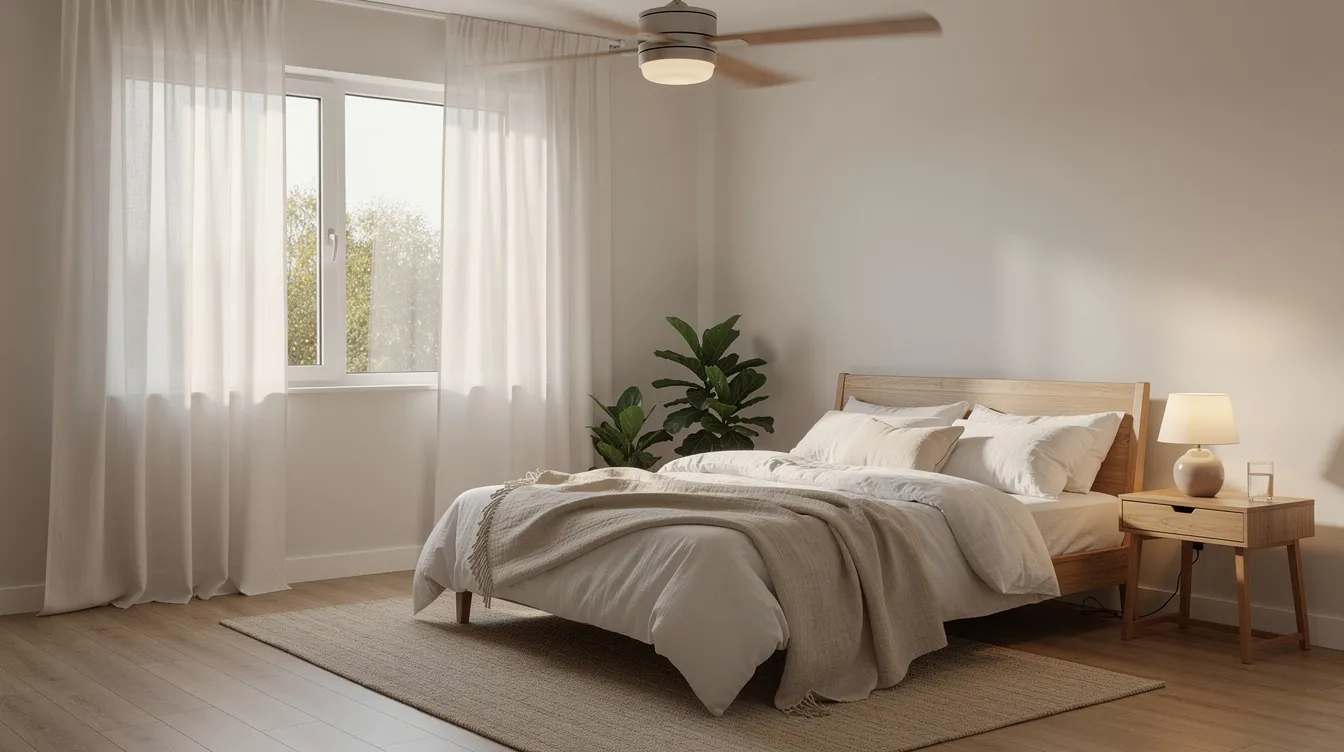
- Keep your bedroom cool (60-67°F) with air conditioning or fans
- Use lightweight bedding and breathable cotton clothing
- Try cold water or gel pillows
Avoid common triggers:
- Spicy foods (capsaicin activates heat receptors)
- Alcohol after metabolism causes flush
- Caffeine after 2pm
Stress reduction through deep breathing, CBT (40% improvement), or yoga helps. Good sleep hygiene—consistent schedule, no screens—supports better sleep.
When To Seek Medical Help For Night Sweats
Seek evaluation if night sweats occur more than 1-2 times weekly for over one month, especially if drenching.
Report other concerning symptoms immediately:
- Weight loss exceeding 10% (unexplained)
- Fevers above 100.4°F
- Swollen lymph nodes or unusual bruising
- Cough with blood
Document episodes before appointments—timing, severity (1-10), and triggers improve diagnostic yield by 80%.
Prevention, Monitoring, And Tracking Night Sweats

Night sweats causes – when to seek medical help for night sweats
Create a night-sweat diary tracking:
- Frequency and duration
- Triggers (diet, stress)
- Severity (sheets changed?)
- Sleep quality
Periodic medication reviews every six months catch iatrogenic causes. Wearable devices like Oura rings detect 85% of episodes via heart rate variability.
Special Considerations: Women Vs Men
Women experience menopause-driven sweats (80% lifetime risk), confirmed by FSH >30 IU/L. Thyroid problems and hormonal changes dominate female causes.
Men face low testosterone (hypogonadism in 20-30% over 60), tested via morning testosterone < 300 ng/dL. Sex-specific tests help recommend treatments appropriately.
FAQ And Common Patient Questions
Are night sweats usually dangerous? Rarely. Life expectancy is unaffected in most primary care cases, with fewer than 5% linked to malignancy.
When do home remedies suffice? For 60-70% of episodic cases, lifestyle changes to stop night sweats work well.
What about persistent night sweats? If you’re experiencing night sweats more than twice weekly with drenching sheets, seek evaluation within 2-4 weeks. Keep a diary for two weeks, then visit your GP for labs if symptoms persist.