Can you exercise at night without sacrificing a good night’s sleep? The short answer is yes—but it depends on when, how hard, and how long you work out. Recent research shows that regular exercise universally enhances sleep quality, yet the timing and intensity of evening sessions serve as critical moderators that can either support or disrupt sleep in healthy adults. Doctors recommend regular exercise for its health benefits and emphasize that the timing of exercise should be tailored to individual circumstances and preferences.
This guide breaks down the latest sleep research, explains how physical activity affects your body at night, and provides practical recommendations to help you find your optimal workout window.
Does Evening Exercise Affect Sleep?
The consensus from recent studies reveals a nuanced picture. Evening exercise can be compatible with quality sleep when managed properly, but specific factors matter more than blanket rules.
A 2023 cross-sectional analysis of gym-goers and walkers found that vigorous sessions lasting over 90 minutes correlated positively with poor sleep quality scores. Meanwhile, light exercise showed no significant correlation with sleep disturbances at all.
Individual variability emerges as a key moderator. Factors like chronotype, fitness level, and recovery capacity influence how your body responds to nighttime exercise. Some people find that post-exercise muscle soreness and elevated energy persist to bedtime, while others benefit from evening exercise’s stress-reducing effects. Engaging your muscles through exercise can lead to muscle soreness, but it also improves muscle performance and overall bodily function, which may contribute to better sleep and stress relief.
The two primary factors to consider:
- Intensity: High intensity exercise close to bed carries greater risk than moderate or light activity
- Timing: The closer to bedtime, the more likely vigorous physical activity will interfere with sleep onset
How Physical Activity and Regular Exercise Influence Sleep

Evening exercise and sleep – does evening exercise affect sleep?
Exercise improves sleep through several physiological mechanisms. During workouts, your body releases myokines and endorphins that promote muscle repair and reduce inflammation—processes that occur primarily during deep sleep stages. Regular exercise also helps adults spend more time in restorative sleep stages, such as deep sleep, thereby enhancing overall sleep quality.
Regular exercise yields measurable sleep benefits:
| Benefit | How It Works |
|---|---|
| Increased total sleep time | Exercise creates physiological sleep pressure |
| Enhanced slow wave sleep | More time in restorative NREM stages |
| Improved sleep efficiency | Less time awake during the night |
| Better daytime alertness | Stronger circadian rhythm alignment |
A University of Texas at Austin study found that even 10 minutes of daily moderate activity boosts restorative sleep and mood. The researchers noted that moderate effort—where you can still hold a conversation while your breathing is raised—outperformed total exercise volume as a predictor of sleep benefits.
Exercise also connects directly to circadian rhythms, helping to advance or stabilize the sleep-wake cycle. Morning light-paired activity shows the strongest effects, though evening sessions can still contribute when not overly disruptive.
Mood and anxiety reduction act as mediators too. Evening exercise can alleviate stress through serotonin and GABA modulation, countering the hyperarousal that often fragments sleep.
Sleep Research on Evening Exercise and Sleep
Major meta-analyses and randomized trials show mixed outcomes, making systematic review of the evidence essential. A recent meta-analysis synthesizes findings across multiple studies to evaluate the effects of exercise timing and intensity on sleep quality, while a network meta-analysis allows researchers to compare the efficacy of different exercise interventions on sleep outcomes simultaneously.
A 2023 study using EEG headbands found that both vigorous morning and evening exercise extended NREM sleep by approximately 23-25 minutes compared to rest days. Neither timing showed objective or subjective disruptions.
Conversely, a landmark 2024 Monash University study—the largest to date with 14,689 participants and four million nights of WHOOP strap data—confirmed that exercise four hours or less before bedtime links to later sleep onset, reduced duration, and lower sleep quality.
Conflicting findings stem from several methodological limits:
- Small lab samples lacking real-world validity
- Self-reported versus objective measures
- Varying definitions of “evening” (4-10 PM)
- Unadjusted confounders like caffeine or chronotype
Future sleep medicine research should prioritize longitudinal wearables data, personalized chronobiology, and diverse populations beyond young healthy participants.
Effects on Sleep Onset
Timing near bedtime can significantly delay the ability to fall asleep. The Monash data showed that later exercise correlated with postponed sleep onset, with high-strain activities requiring longer recovery windows.
The interaction between intensity and recovery matters. High-strain workouts like HIIT, football, or long runs sustain elevated breathing, core body temperature, heart rate, and brain alertness. These require 4+ hours to dissipate before you can fall asleep efficiently.
Metrics to measure sleep onset changes:
- Sleep onset latency via actigraphy (>30 minutes indicates a problem)
- Subjective reports of how long it takes to wake-to-sleep transition
- Wearable-detected time to first sleep stage
Effects on Sleep Quality
Evidence consistently links regular exercise to better sleep quality—more deep sleep, higher efficiency, and fewer nighttime awakenings. However, vigorous evening exercise can worsen quality through fragmented sleep architecture and reduced efficiency below 85%.
Circumstances where quality may suffer:
- Sessions ending within 2 hours of bed
- Workouts exceeding 90 minutes at moderate-to-high intensity
- High-strain activities that maintain elevated sympathetic activation
Both objective and subjective quality measures help track this. The Pittsburgh Sleep Quality Index (PSQI) scores below 5 indicate good sleep, while wearables can track efficiency and awakening frequency per night.
Nocturnal Physiology: Heart Rate, Temperature, and HRV
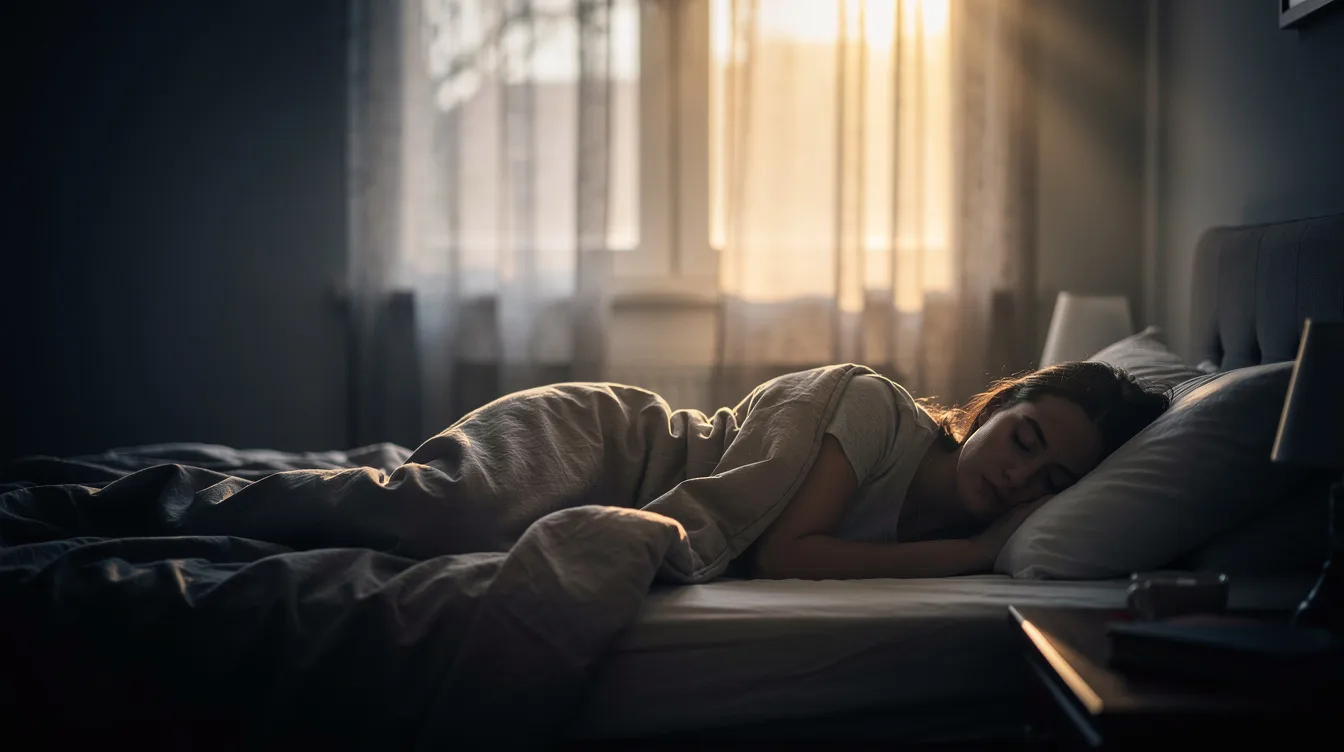
Evening workouts elevate heart rate into the night. WHOOP data showed that high-strain exercise delayed parasympathetic recovery and reduced heart rate variability—a marker of vagal tone and recovery quality.
Core temperature effects also matter. Sleep readiness requires a 1-2°C drop in body temperature. Intense evening exercise timing must allow 3-4 hours for this dissipation to occur naturally.
HRV monitoring via wearables provides actionable feedback. Lower RMSSD (root mean square of successive differences) post-workout indicates potential sleep interference. Tracking this metric helps identify your personal response to different workout timings.
Dose-Response and Timing Recommendations

Evening exercise and sleep – sleep research on evening exercise and sleep
Not all evening workouts carry equal risk. The distinction between high-strain and low-strain matters significantly.
High-strain activities (HIIT, running, football, strength training at high intensity):
- Require 4+ hour buffer before bed
- Example: End HIIT by 7 PM for an 11 PM bedtime
Moderate activities (cycling, swimming, moderate strength training):
- Require 2-3 hour buffer
- Example: End moderate cycling by 8:30 PM for 11 PM bedtime
Low-strain activities (yoga, walking, stretching, Pilates):
- Can be performed closer to bedtime
- Often improve relaxation and sleep readiness
| Exercise Type | Minimum Buffer Before Bed |
|---|---|
| Vigorous/HIIT | 4+ hours |
| Moderate | 2-3 hours |
| Light/Relaxation | 1 hour or less |
Progressive adjustments work best. Track exercise end-time versus sleep logs for 2 weeks to enable personalization, as individual response varies considerably.
Practical Tips to Ensure a Good Night’s Rest After Evening Exercise
For those who prefer evening workouts, several strategies help ensure a good night’s rest:
Choose appropriate intensity
- Low-to-moderate workouts like walking, Pilates, or light swimming before bed rarely disrupt sleep
- Save vigorous sessions for at least 2-4 hours before your target bedtime
Include cooldown routines
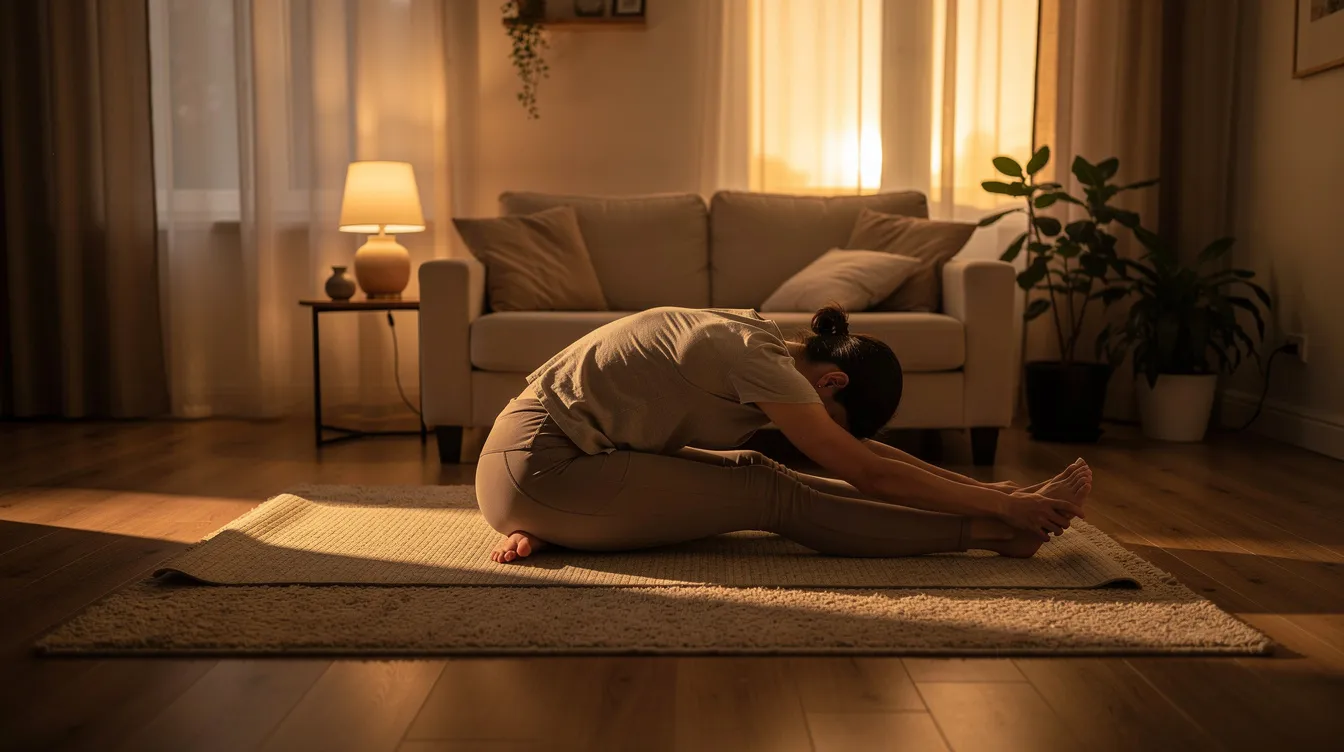
- Stretching, deep breathing, or progressive muscle relaxation help hasten heart rate and HRV recovery
- Even 10-15 minutes of dedicated cooldown makes a measurable difference
Time nutrition wisely
- Avoid excess hydration after 8 PM to prevent nighttime wake disruptions
- A light snack containing tryptophan (like a banana) about an hour before bed may support sleep
Manage the sweat-to-sleep transition
- Allow time for a warm shower, which can actually facilitate the body temperature drop needed for sleep
- Dim lights and avoid screens during your wind-down routine
Managing Sleep Disorders and Evening Workouts

Evening exercise and sleep – practical tips to ensure a good night’s rest after evening exercise
Before changing exercise routines, screen for underlying sleep disorders. Tools like the PSQI (scores >5 indicate poor sleep) or STOP-BANG questionnaire for obstructive sleep apnea provide useful starting points.
For people with insomnia, modifications matter:
- Morning exercise typically works better to avoid arousal exacerbation
- If evening is the only option, stick to light intensity
- Avoid treating exercise as a sleep aid—this can create performance anxiety
Clinician referral becomes appropriate when:
- Sleep problems worsen despite timing adjustments
- Sleep onset latency consistently exceeds 30 minutes
- Sleep efficiency drops below 80%
- Daytime functioning becomes impaired
Sports medicine and sleep medicine specialists can work together to optimize both training and recovery.
Special Populations: Older Adults, Athletes, Shift Workers
Different populations require tailored approaches to evening exercise compared to general recommendations.
Older Adults
- Advanced circadian phases mean earlier is better (5-7 PM)
- Low-intensity exercise helps counter age-related sleep fragility
- Focus on activities that support strength without excessive strain
Athletes
- Must balance training load against sleep trade-offs
- Use HRV monitoring to titrate evening session intensity
- Deep sleep suppression from late training can impair recovery and performance
- Consider periodizing harder sessions away from competition periods
Shift Workers
- Align exercise to post-shift “morning” equivalents for circadian anchoring
- Exercise can help signal the brain when the day starts
- Avoid vigorous activity in the hours before planned sleep regardless of clock time
Monitoring, Troubleshooting, and When to Seek Help
Finding your optimal timing requires systematic tracking:
Week 1-2: Baseline tracking
- Log workout end times, intensities, and duration
- Record time to fall asleep, sleep quality, and morning alertness
- Note any caffeine, alcohol, or stress confounders
Week 3-4: Test adjustments
- Shift workout end times by 30-60 minute increments
- Change only one variable at a time
- Compare sleep metrics to baseline
Red flags that warrant professional help:
- Persistent latency >30 minutes despite timing changes
- Sleep efficiency < 80%
- Chronic fatigue affecting work or relationships
- Depression, anxiety, or mood disturbances linked to poor sleep
A sleep specialist can conduct formal assessment and rule out treatment-requiring conditions.
Quick Recommendations for Better Sleep and Regular Exercise
The research supports several evidence-based recommendations:
Weekly targets
- Aim for 150 minutes of moderate aerobic activity per week
- Include 2-3 strength training sessions for comprehensive health benefits
Timing principles
- Make exercise timing individualized based on your tracked response
- When in doubt, allow more time between intense workouts and bed
- Afternoon sessions often provide the best balance of performance and sleep
Consistency matters most
- Regular exercise benefits sleep more than perfect timing
- Missing workouts to avoid evening sessions defeats the purpose
- The best workout is one you’ll actually do consistently
| Recommendation | Why It Matters |
|---|---|
| Track for 2 weeks | Identifies personal patterns |
| Buffer vigorous exercise | Allows physiological recovery |
| Prioritize consistency | Long-term benefits outweigh timing perfection |
| Adjust gradually | Prevents overcorrection |
Key Takeaways
Evening exercise and sleep can coexist successfully when you respect your body’s recovery needs. The research is clear that physical activity improves sleep quality for most adults—the question is finding your optimal timing window.
Start with a two-week tracking period to understand your personal response. Experiment with timing buffers based on workout intensity, and don’t hesitate to consult a sleep specialist if issues persist despite adjustments.
The goal isn’t to avoid evening exercise entirely. It’s to work with your biology rather than against it, ensuring that your commitment to fitness supports rather than undermines your nightly recovery.