
If you’ve ever woken up with a dry mouth, a scratchy throat, or a foggy brain, your breathing pattern during sleep might be the culprit. The quality of your breath—whether you breathe through your nose or mouth—can significantly impact your sleep quality and overall health. The way air enters your body at night directly affects everything from oxygen levels to how rested you feel in the morning.
This guide targets anyone experiencing sleep disturbances, snoring issues, or simply looking to optimize their nightly recovery. You’ll learn why breathing through your nose during sleep matters, how mouth breathing harms your rest, and practical steps to make the shift tonight.
Primary takeaways: Nasal breathing during sleep improves oxygen saturation, reduces snoring, and activates your parasympathetic nervous system for healthier sleep architecture.
Why Nasal Breathing Matters for Better Sleep
Your nose does far more than simply move air into your lungs. When you practice nose breathing, you benefit from a built-in filtration and humidification system that prepares air for optimal absorption.
Research demonstrates that inhaling through the nose produces nitric oxide in the nasal passages, which enhances vascular pulmonary regulation and increases arterial oxygenation. This biochemical process doesn’t happen when you breathe through your mouth.
The connection to your nervous system is equally significant. Studies show that nasal breathing shifts your body into a parasympathetic state—the “rest and digest” mode rather than “fight or flight.” This directly impacts how quickly you fall asleep and how deeply you stay asleep.
Compared to mouth breathers, those who maintain nasal breathing experience lower diastolic blood pressure and reduced perceived exertion during rest. These cardiovascular benefits translate into measurable improvements in sleep quality.
Common Symptoms And Causes Of Mouth Breathing

Nasal breathing sleep – why nasal breathing matters for better sleep
Mouth breathing during sleep rarely happens by choice. It’s typically a compensation mechanism when your nasal passages can’t move enough air.
The causes fall into two categories:
Anatomical causes:
- Deviated septum
- Nasal valve collapse
- Enlarged turbinates
- Nasal polyps
Nasal obstruction can also affect the ear due to the close anatomical connection between the ear, nose, and throat, potentially leading to additional health concerns.
Functional causes:
- Chronic nasal congestion from allergies
- Sinus infections
- Inflammation from irritation or illness
Your nighttime breathing patterns reveal the underlying problem. If you snore loudly and consistently, you likely have partial or total nasal obstruction forcing you to breathe through your mouth.
Common Symptoms
Nighttime signs:
- Loud snoring
- Dry mouth upon waking
- Waking with throat irritation
- Restless sleep with frequent position changes
- Pauses where you stop breathing momentarily
Daytime signs:
- Persistent fatigue despite adequate sleep time
- Brain fog and poor concentration
- Morning headaches
- Anxiety and irritability
- Trouble focusing on tasks
For example, mouth breathing during sleep can lead to persistent fatigue and morning headaches, as seen in cases where individuals wake up feeling unrested despite a full night’s sleep. Research has shown that people who habitually breathe through their mouths at night often report these symptoms more frequently than those who practice nasal breathing.
A clinical study found that female sleeping partners of heavy snorers reported morning tiredness at rates approximately double those of partners of occasional snorers—81% experienced this symptom before intervention.

Nose Breathing vs Mouth Breathing: Key Physiological Differences
The distinction between these breathing modes goes far beyond comfort. Here’s what happens in your body:
| Factor | Nasal Breathing | Mouth Breathing |
|---|---|---|
| Air filtration | Filters particles, allergens | No filtration |
| Humidification | Warms and moistens air | Cold, dry air reaches lungs |
| Nitric Oxide | Produced in nasal airway | None produced |
| Oxygen efficiency | Enhanced arterial oxygenation | Reduced efficiency |
| Oral health | Normal saliva flow | Dryness leads to dental risk |
Nitric oxide production represents the most significant biochemical difference. When inhaled during nasal breathing, nitric oxide affects vascular pulmonary regulation, resulting in better oxygen delivery to tissues throughout your body.
Mouth breathing leads to chronic oral dryness, which can harm dental health over time. Most people who breathe through their mouth at night wake with that familiar parched feeling and may experience increased risk of cavities and gum problems.
How Breathing Through Your Nose Activates The Parasympathetic Nervous System

Nasal breathing sleep – nose breathing vs mouth breathing: key physiological differences
Your autonomic nervous system controls involuntary functions like heart rate, digestion, and relaxation. Nasal breathing specifically triggers the parasympathetic branch—the system responsible for helping you relax and recover.
Research demonstrates that volunteers breathing through the nose showed lower diastolic blood pressure compared to mouth breathing during rest conditions. This cardiovascular marker indicates reduced sympathetic tone and increased parasympathetic dominance.
The effects on sleep architecture are direct:
- Faster sleep onset due to relaxation response
- Reduced sleep fragmentation
- Better oxygen saturation throughout the night
- Improved heart rate variability patterns
When nasal breathing was improved in a study of 42 snoring men using external dilators, quality of life scores improved significantly (P=.001), and energy dimension scores dropped from 36.8 to 23.0—indicating substantially reduced daytime tiredness.
Mouth Taping And Mouth Tape: Evidence, Risks, And Alternatives
Mouth taping has gained attention as a method to keep your mouth shut during sleep. However, the evidence is extremely limited.
What research shows:
- A few studies document modest benefits for snoring reduction
- Some evidence of improvement in mild sleep apnea cases
- No robust clinical trials establishing safety or efficacy
Safety concerns:
- Research characterizes mouth taping as “extreme”
- Contraindicated for those with nasal obstruction who cannot breathe adequately through the nose
- Potentially dangerous for moderate to severe sleep apnea patients
- May cause anxiety and sleep disruption
Before trying mouth taping, talk to a healthcare provider. Obtaining a proper diagnosis for sleep-related breathing issues such as sleep apnea or nasal obstruction is crucial before attempting any interventions. Professional evaluation of your nasal obstruction severity, sleep apnea status, and overall airway anatomy is essential.
Safer alternatives include:
- External nasal dilators (documented 24% increase in airflow)
- Nasal strips that reduce resistance at the nasal valve
- Positional therapy to reduce airway collapse
- Treatment of underlying nasal congestion
Practical Steps To Shift To Nasal Breathing For Better Sleep

Nasal breathing sleep – mouth taping and mouth tape: evidence, risks, and alternatives
Making the transition requires patience and the right tools. Here’s a gradual approach:
Nasal breathing exercises:
- Practice conscious nasal breathing for 5-10 minutes before bed
- Inhale slowly through your nose for 4 counts
- Hold briefly for 2 counts
- Exhale through your nose for 6 counts
- Focus on keeping your lips together naturally
Bedtime routine:
- Clear your nasal passages with saline irrigation 30 minutes before sleep
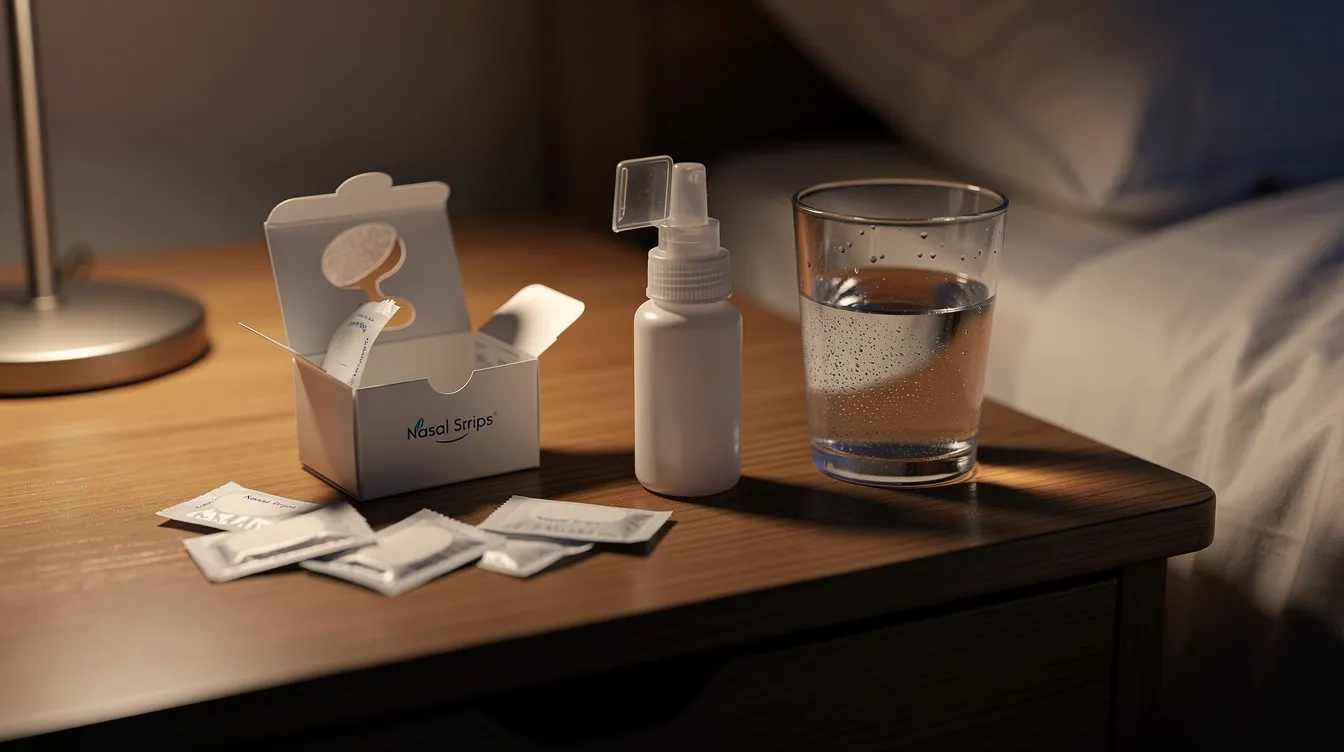
- Apply nasal strips or insert external dilators if you experience mild obstruction
- Use a humidifier to reduce nasal dryness
- Sleep in a slightly elevated position to reduce congestion
For chronic nasal congestion:
- Address underlying allergies with appropriate medication
- Consider warm saline rinses to reduce inflammation
- Consult a doctor about persistent obstruction
Clinical studies show that one month of consistent nasal dilator use produces significant improvements in sleep quality and daytime energy. Plan for 2-4 weeks of adaptation before expecting full benefits.
Nighttime Techniques And Non-Tape Alternatives
Beyond devices, several behavioral strategies encourage nasal breathing:
Positional changes:
- Side sleeping reduces airway collapse compared to back sleeping
- Slightly elevate your head to improve nasal airflow
- Use a supportive pillow that keeps your jaw in neutral position
Environmental modifications:
- Run a humidifier to protect against dryness (especially in winter)
- Keep bedroom temperature cool to reduce congestion
- Remove allergens from bedding regularly
Gentle jaw support:
- Some people benefit from chin straps designed to keep the mouth closed
- Practice awareness of jaw position as you fall asleep
- Relax facial muscles consciously before bed
These approaches provide the benefit of encouraging nasal breathing without the risks associated with taping.
When To See A Professional About Mouth Breathing Or Sleep Issues
Certain symptoms require urgent evaluation rather than self-treatment:
Red flags:
- Witnessed breathing pauses during sleep (potential sleep apnea indicator)
- Excessive daytime sleepiness despite adequate sleep duration
- Morning headaches combined with poor sleep
- Gasping or choking sensations during sleep
- High blood pressure that’s difficult to control
ENT referral indicated for:
- Persistent nasal obstruction despite conservative measures
- Unilateral (one-sided) nasal blockage
- History of nasal trauma
- Suspected structural abnormalities
Sleep study recommended for:
- Heavy snoring with daytime somnolence
- Witnessed apnea episodes
- Symptoms suggesting sleep-disordered breathing
The distinction between simple snoring and sleep apnea is clinically critical. Sleep apnea involves periods where you stop breathing entirely, and treatment approaches differ substantially from simple nasal breathing optimization.
Frequently Asked Questions
Is mouth tape safe to use? Evidence remains extremely limited. Research characterizes it as extreme, and it carries real risks for people with nasal obstruction or sleep apnea. Always consult a healthcare provider before trying it, and never use tape that could harm your lips or skin.
Can nasal breathing reduce snoring? Yes. A clinical study of 42 heavily snoring men documented significant snoring reduction (P< .001) after using nasal dilators for one month. Partners of these men also experienced significantly better sleep quality. The mechanism involves reduced airflow resistance, which eliminates the turbulent airflow producing snoring sounds.
When does nasal obstruction need medical treatment? Seek evaluation when obstruction causes sleep disturbance, significant daytime symptoms, or snoring that impairs quality of life. The presence of daytime sleepiness, witnessed breathing pauses, or morning headaches indicates need for urgent professional assessment rather than self-treatment.

Summary And Next Steps
You now understand why nasal breathing matters for restful sleep and have practical tools to make the shift.
Actions you can take tonight:
- Clear your nasal passages before bed with saline irrigation
- Practice 5 minutes of conscious nasal breathing while lying down
- Keep your mouth closed as you relax into sleep
- Consider nasal strips if you experience mild obstruction
This week:
- Exercise during the day to improve overall respiratory health
- Address environmental factors like humidity and allergens
- Track your morning symptoms to gauge improvement
When to get help:
- If symptoms persist beyond 2-4 weeks of consistent effort
- If you experience any red-flag symptoms mentioned above
- If a partner reports that you stop breathing during sleep
Small changes in how you breathe at night can lead to measurable improvements in both sleep quality and daytime energy. Start with one technique tonight, and build from there. Your brain, body, and immune system will benefit from the better oxygen delivery that nasal breathing provides.