Orthosomnia is an unhealthy preoccupation with achieving perfect sleep data from wearable devices, often leading to increased sleep anxiety and worse sleep quality. If you check your sleep score every morning and feel disappointed when the numbers aren’t optimal, this matters to you.
With an estimated 30% of American adults now using wearable devices to track sleep, understanding orthosomnia could save you from turning a wellness tool into a source of stress. Kelly Baron, an assistant professor of psychiatry at Harvard Medical School, emphasizes the importance of recognizing how these devices can impact our sleep behaviors.
Lead Hook: Anecdote and Trend
Picture this: You wake up feeling rested, energized, and ready to start your day. Then you check your Oura Ring. The app shows 68% readiness, low deep sleep, and a suggestion to “take it easy today.” Suddenly, that refreshed feeling vanishes. You spend the morning wondering what went wrong.
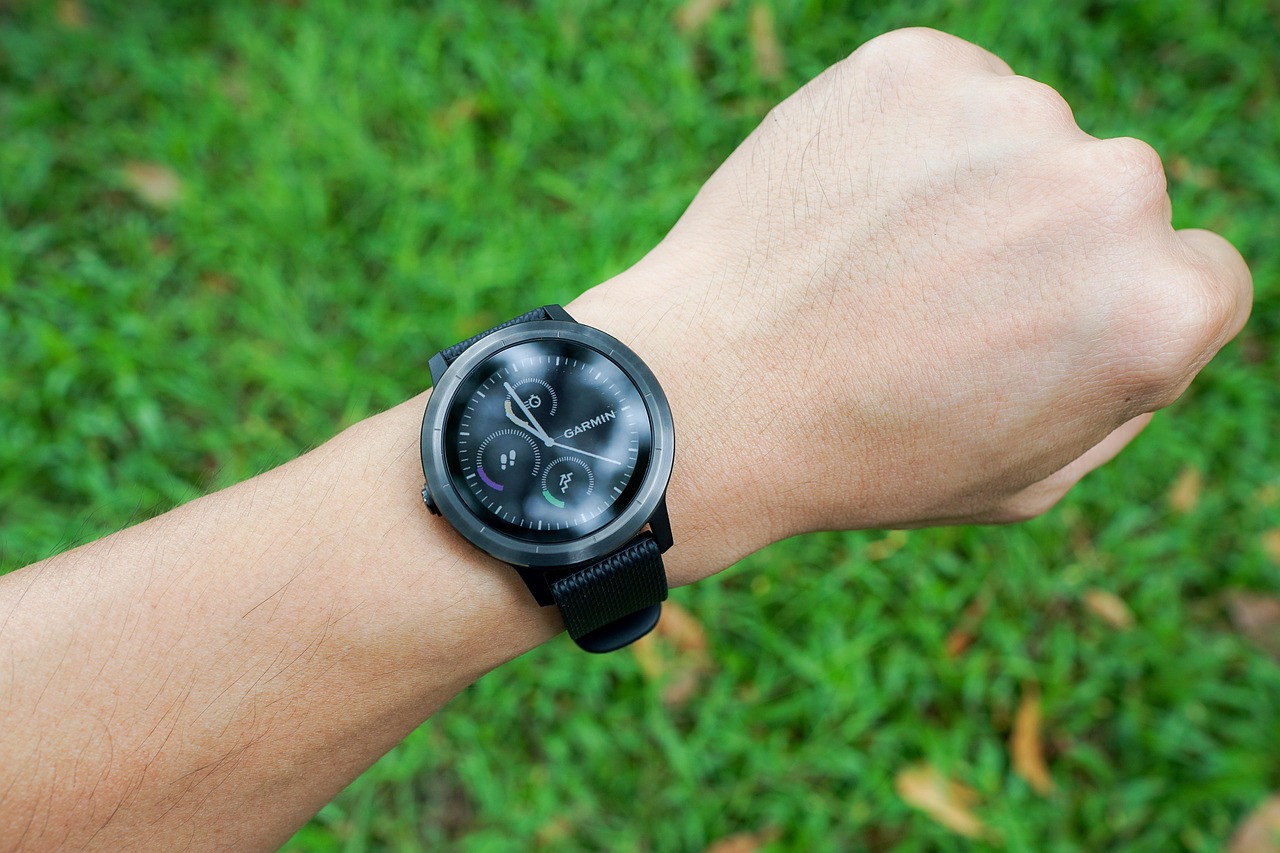
Some devices, like Garmin, use a ‘body battery’ metric to log your energy or charge level based on stress, rest, and sleep quality, helping you gauge your daily vitality and make informed decisions about activity or rest.
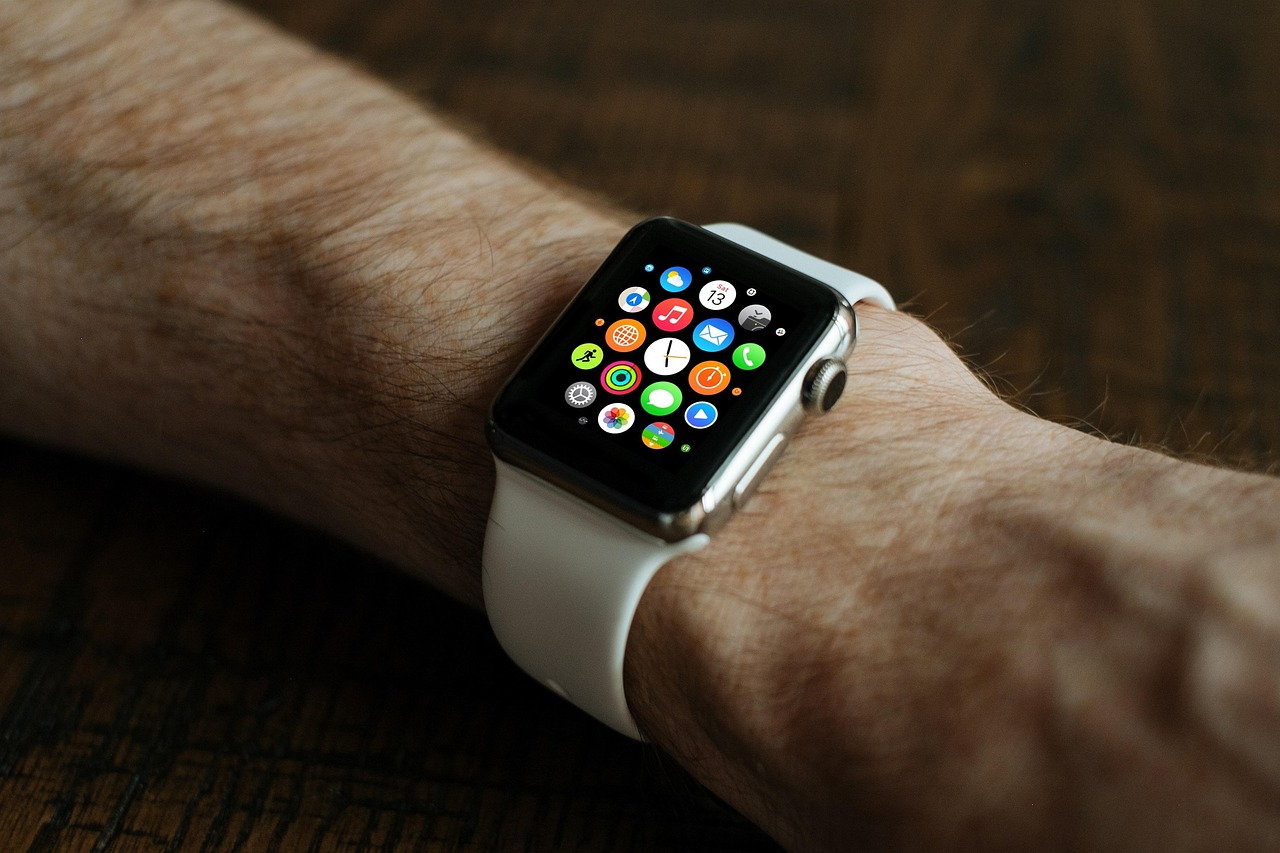
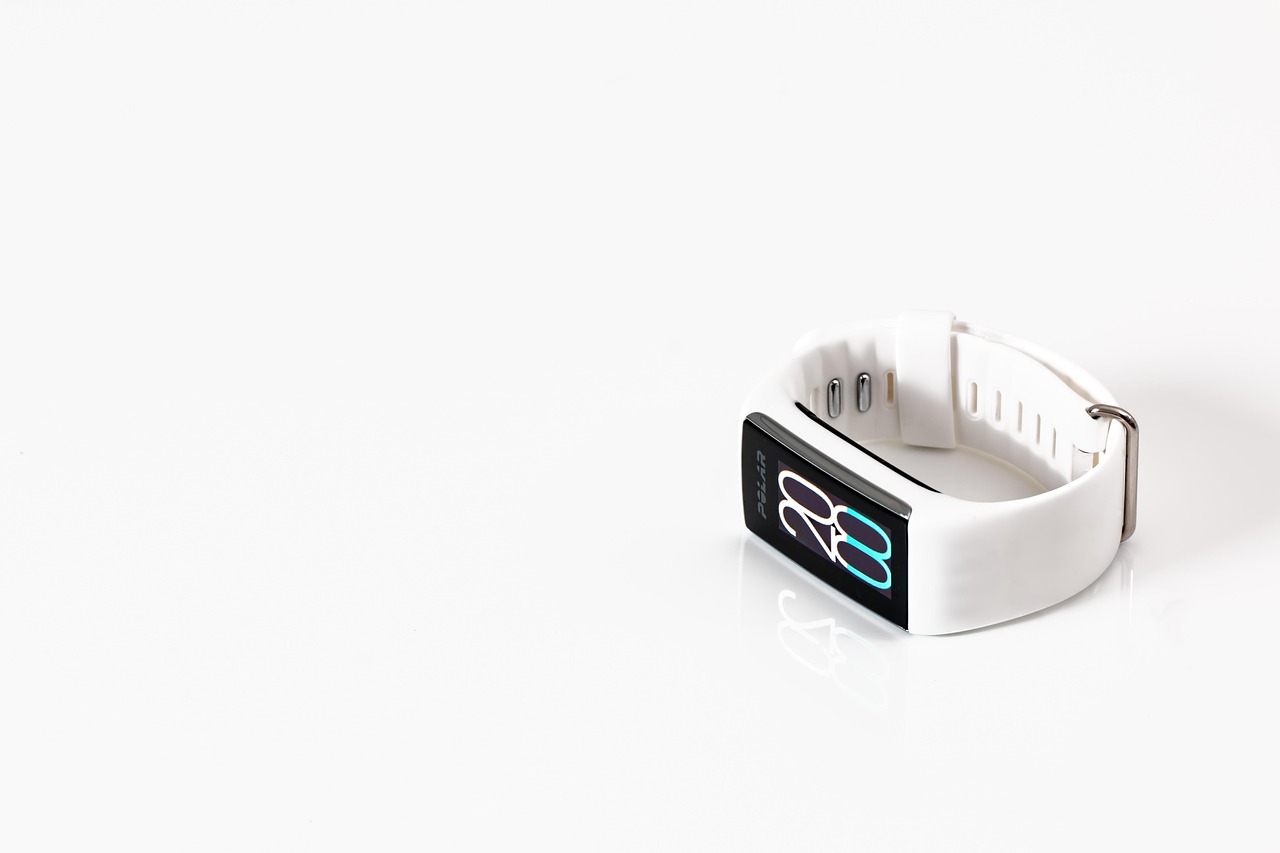
This scenario plays out millions of times daily. Fitness tracker shipments have reached hundreds of millions annually, with devices from Fitbit, Apple Watch, Garmin, and Whoop all promising to quantify your night. The quantified self movement has exploded, but so has a troubling pattern: people obsessing over sleep metrics to the point of losing actual rest.
Here’s what you’ll learn: how to recognize when tracking becomes harmful, practical steps to break the cycle, and how to use your device as a helpful tool rather than a source of anxiety.
What Is Orthosomnia And How Sleep Trackers Drive It
Orthosomnia combines “ortho” (correct) with “somnia” (sleep)—essentially, the drive for “perfect” sleep numbers. Unlike clinical insomnia, which involves chronic difficulty falling asleep or staying asleep at least three nights weekly for three months, orthosomnia is a behavioral response to tracker data.
Researchers Kelly Baron from Rush University and Sabra Abbott from Northwestern first coined the term in their 2017 study published in the Journal of Clinical Sleep Medicine. They documented three patients taking their self-diagnosed sleep disturbances to clinicians based solely on tracker reports showing insufficient sleep—despite objective polysomnography tests indicating normal sleep patterns.
The key problem: these patients spent excessive time in bed, sometimes 10-12 hours, trying to boost their reported sleep numbers. Consumer trackers tend to overestimate total sleep, reinforcing insomnia symptoms and complicating treatment.
Sleep tracking devices create performance pressure by gamifying rest. Daily scores, streaks, and comparisons tap into psychological vulnerabilities. What starts as awareness becomes obsession.
Why People Chase Perfect Sleep

Orthosomnia – lead hook: anecdote and trend
The quantified self ethos drives roughly 70% of tracker users to check their data daily. The motivation is empowerment—using information to optimize health. But this connects directly to social comparison.
App leaderboards and Instagram posts showing 100% sleep scores foster envy-driven chasing. Rebecca Robbins, Ph.D., notes that constant monitoring stresses certain subsets of users, turning rest into a metric contest.
Perfectionism emerges as a psychological risk factor in an estimated 20-30% of orthosomnia cases. If you already tend toward perfectionism in other life areas, you may be more susceptible to fixating on achieving a good night’s sleep according to your device.
What Sleep Trackers Actually Measure And Their Limits
Consumer sleep trackers rely on several sensors:
- Accelerometers detecting movement
- Photoplethysmography (PPG) measuring heart rate via light pulse
- Temperature sensors monitoring body temperature changes
- Sometimes microphones or SpO2 for breathing patterns
These sensors feed proprietary algorithms that estimate—not directly measure—your sleep stages. The black-box nature of these calculations lacks transparency.
Validation studies show consumer devices overestimate total sleep by 10-30 minutes and underestimate wake time by 20-50 minutes. Sleep trackers achieve only moderate agreement with polysomnography (the gold standard), excelling at total sleep time but struggling with nuanced wake detection (50-70% sensitivity) and sleep stage discrimination.
Polysomnography records brain waves, eye movements, muscle activity, and respiration, achieving 85-95% staging accuracy. Your fitness tracker cannot match this precision.
Key Metrics: Sleep Score, REM, Deep Sleep

Orthosomnia – what sleep trackers actually measure and their limits
Your sleep score is an algorithmic composite, typically 0-100, aggregating duration, efficiency, stages, and disturbances into a single number. Different devices weight factors differently—Oura emphasizes readiness, Garmin focuses on training readiness, Whoop balances strain and recovery.
REM sleep and deep sleep estimates carry significant limitations. Meta-analyses show consumer devices achieve only moderate agreement (kappa 0.4-0.6) for stage discrimination. Your device might report 15% deep sleep when polysomnography would show 20%—or vice versa.
The practical advice: avoid overinterpreting single-night metrics. One night showing low REM sleep doesn’t indicate a sleep disorder. Sleep patterns naturally vary night to night.
Real-Life Examples And Device Stories (Include Oura Ring)
One Oura Ring user described spiraling into fixation after consistently seeing low readiness scores tied to suboptimal deep sleep percentages. This led to napping experiments and extended bed times that actually fragmented nighttime sleep further—the opposite of the intended improvement.
Garmin users have reported canceling evening plans to protect heart rate variability metrics. Whoop devotees adjusted caffeine intake mid-day based on recovery scores, often heightening pre-bedtime stress rather than reducing it.
A shift worker parent, misled by nightly Apple Watch feedback showing frequent “awake” detections during fragmented shifts, attempted to force consolidated sleep. The result: worsened daytime fatigue and heightened anxiety about sleep quality that didn’t exist before using the device.
These case studies illustrate a common thread: trusting sleep tracker data over how you actually feel.
When Sleep Tracking Helps
Not all tracking leads to orthosomnia. For users without underlying anxiety, trackers offer genuine benefits:
- Long-term trend spotting: Identifying circadian shifts across weeks or months
- Early warning flags: Recognizing patterns that warrant clinician consultation
- Motivation for consistency: Supporting a regular sleep schedule
Studies show trackers can help motivated users increase sleep duration by 30-60 minutes when they focus on weekly trends rather than obsessing over nightly data. The difference lies in approach: viewing data provided as general guidance rather than absolute truth.
When Tracking Hurts: Orthosomnia Red Flags
Watch for these warning signs that tracking has become problematic:
| Red Flag | What It Looks Like |
|---|---|
| Daily score fixation | Checking your app immediately upon waking, before assessing how you feel |
| Extended bed time | Staying in bed 9+ hours to chase better numbers |
| Social cancellation | Skipping evening events to protect tracker metrics |
| Trusting device over body | Feeling tired despite “good” scores, or dismissing feeling rested because of “bad” scores |
| Treatment resistance | Prioritizing tracker data over polysomnography results or clinician advice |
If you recognize three or more of these behaviors, it’s time to reassess your relationship with your device.
How To Prevent Or Treat Orthosomnia (Practical Steps)
Take regular tracker breaks. Try weekly device-free nights. This helps restore natural sleep cycles without the pressure of metrics. Even one night per week without tracking can reduce anxiety.
Shift focus to weekly trends. Instead of reacting to last night’s score, average your deep sleep percentages across 7 days. This smooths natural variation and provides more meaningful data.
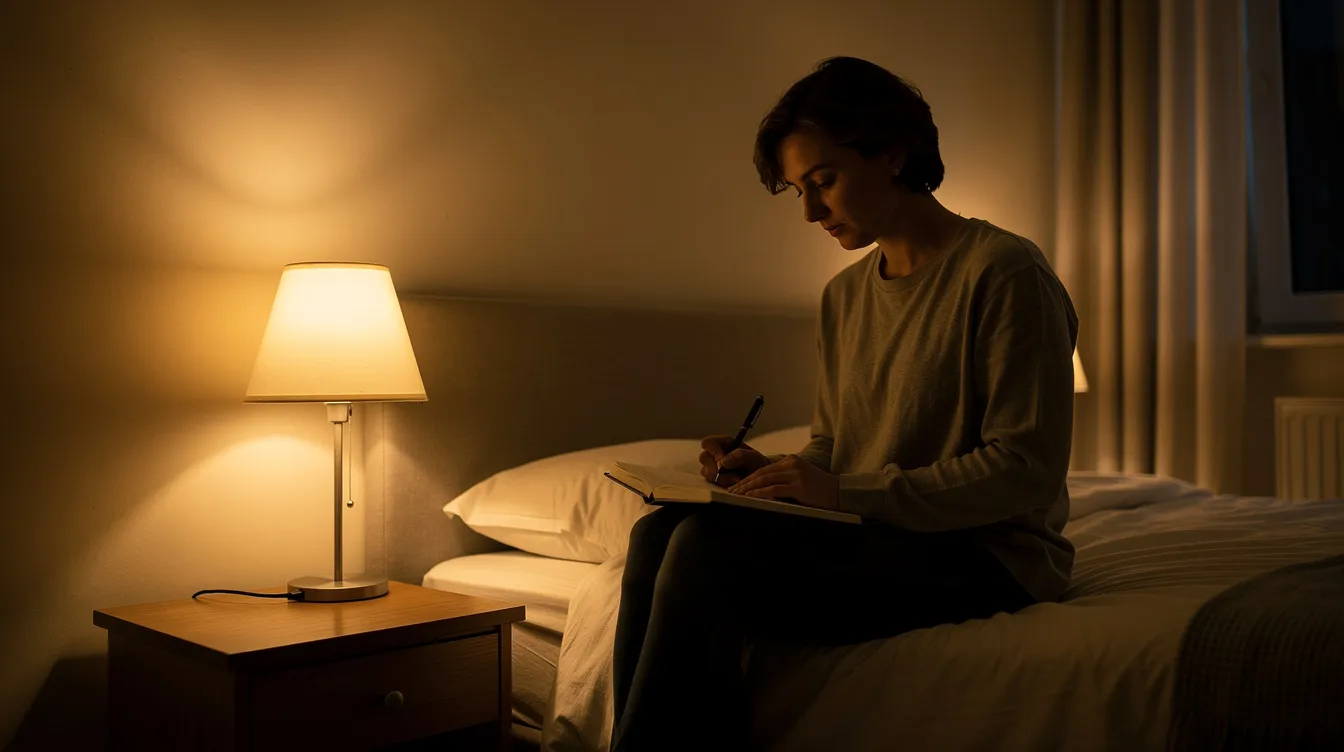
Keep a written sleep diary. Log subjective quality without numbers. Note how you felt upon waking, your energy levels, and your mood. This grounds you in actual experience rather than algorithmic interpretation.
Try evidence-based sleep hygiene techniques. Consistent schedules, caffeine cutoffs, and wind-down routines work regardless of what your device reports.
Seek CBT-I referral when anxiety persists. Cognitive behavioral therapy for insomnia reduces orthosomnia behaviors in 70-80% of patients through stimulus control and misconception correction. If you cannot break the checking cycle on your own, professional help exists.
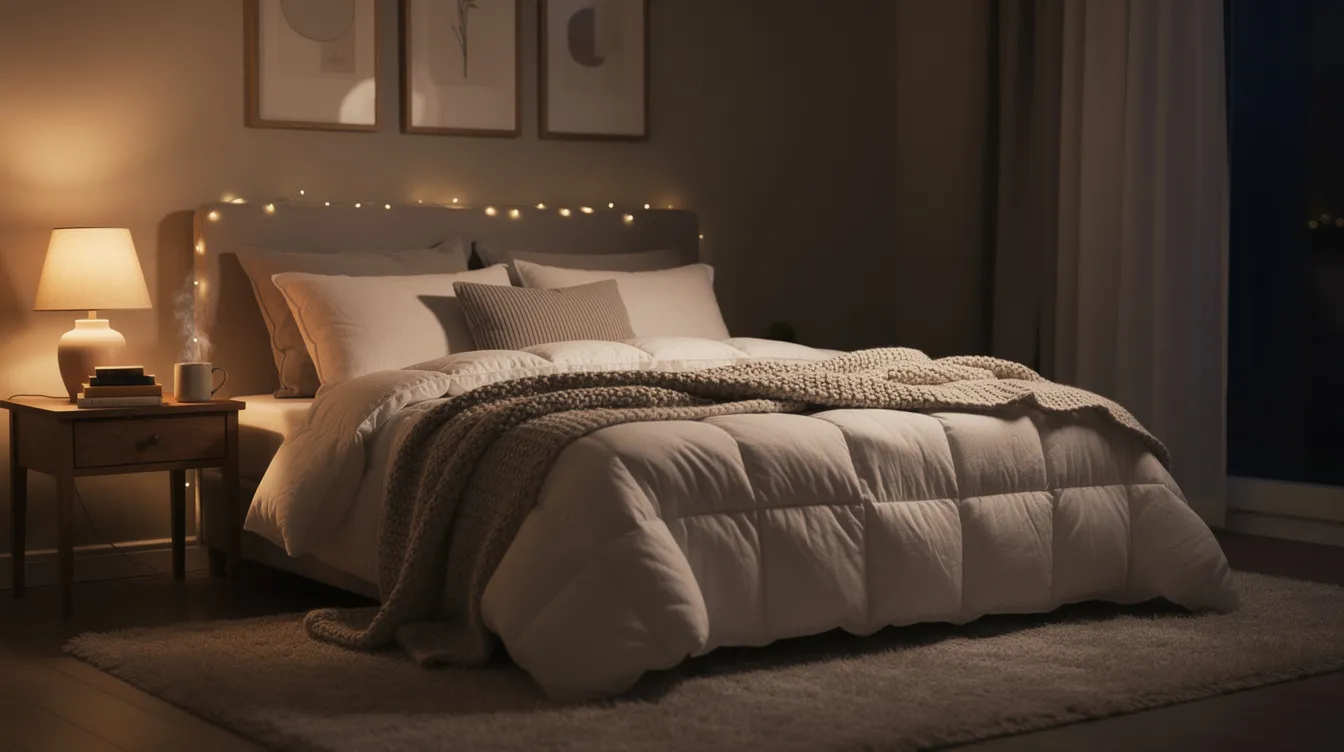
Sleep Hygiene Checklist For Writers To Include
Implement these practices to improve sleep independent of tracker feedback:
- Consistent timing: Keep bedtime and wake time within 30 minutes daily, including weekends
- Screen light reduction: Dim screens 1-2 hours before bed; blue-light filters reduce melatonin suppression by approximately 50%
- Caffeine cutoff: Stop consumption 6-8 hours before bed (reduces sleep latency 20-40 minutes)
- Alcohol awareness: Evening alcohol suppresses REM sleep 20-40% despite helping you fall asleep faster
- Wind-down routine: 20-30 minutes of relaxing activities—reading, stretching, L-theanine tea
- Cool environment: Optimal body temperature for sleep means a room around 65-68°F
These fundamentals support healthy sleep and quality sleep regardless of what any device reports.
Device Guidance: Oura Ring, Fitness Tracker, And Sleep Tracker Tips
Disable sleep score notifications. This removes the first-thing-in-morning compulsion to check. You can still view data later—just not automatically.
Compare multiple nights before drawing conclusions. Never interpret one night’s data in isolation. A minimum of 5-7 nights provides meaningful context.
Verify device claims. Check published validation studies. Oura Ring showed 79% stage agreement against polysomnography in 2021 peer-reviewed research. Garmin and Whoop demonstrate moderate validation. No consumer device matches medical devices in accuracy.
Sync weekly, not daily. If nightly syncing triggers anxiety, change your routine. Set Sunday evening as your data review time. This helps you accurately interpret trends without daily stress.
When To See A Doctor: Sleep Disorders And Evaluation
Bring your tracker trends to clinicians as context, not diagnosis. Sleep experts like Michael Breus and others recommend screening for sleep apnea and other disorders during evaluation—orthosomnia can mask underlying conditions.
When to request polysomnography (PSG):
- Daytime sleepiness (Epworth Sleepiness Scale >10) despite “good” tracker data
- Suspected sleep apnea symptoms
- Discrepancies between how you feel and what your device reports
Clinicians can help contextualize whether your morning exhaustion reflects a genuine sleep disorder or tracker-induced anxiety about numbers that don’t match reality.
Storytelling Elements And SEO Extras
FAQ: Orthosomnia Concerns
Can sleep trackers cause insomnia? Yes, via orthosomnia anxiety in susceptible users. The tracking itself doesn’t cause insomnia, but the behavioral response can.
How accurate are Oura sleep stages? Moderately accurate—75-85% agreement versus PSG, better for duration than stage discrimination.
Should I stop tracking if I’m obsessed? Take structured breaks rather than stopping entirely. A systematic review of your behavior helps identify the right balance.
What’s the difference between orthosomnia and insomnia? Orthosomnia involves behavioral data fixation; insomnia involves organic sleep failure regardless of tracking.
Which tracker is best for sleep? No device demonstrates clear superiority. Prioritize validated devices and healthy usage habits over brand.
How do I fix orthosomnia? Implement sleep hygiene practices, consider CBT-I, and de-emphasize nightly scores in favor of how you feel.
Meta Description
Discover orthosomnia: how sleep trackers can backfire into obsession. Learn warning signs, practical fixes, and healthy tracking tips.
Social Sharing Subheads
- Beat Orthosomnia: 5 Tracker Breaks for Better Rest
- Sleep Scores Lying? Weekly Trends Trump Nightly Obsession
- Oura and Whoop Users: Reclaim Real Rest from Data Anxiety
Sources And Further Reading
- Baron KG, Abbott S. “Orthosomnia: Are Some Patients Taking the Quantified Self Too Far?” Journal of Clinical Sleep Medicine, 2017
- Oura Ring validation study, Journal of Sleep Research, 2021
- Garmin sleep tracking validation, Sleep Medicine, 2022
- American Academy of Sleep Medicine: CBT-I resources
- Sleep Foundation: Sleep hygiene guidelines
A growing number of researchers continue studying this phenomenon as wearable technology evolves. With AI-enhanced trackers claiming 90% accuracy by 2025, the medical term orthosomnia will likely gain more attention from sleep medicine professionals and mental health experts alike.
Your tracker is a tool, not a judge. Use it to spot patterns in your life, not to chase perfection every night. Consider taking a break tonight—disable that notification, check in with how you actually feel in the morning, and remember that the best measure of quality sleep has always been whether you feel rested, aware, and ready to tackle your day.