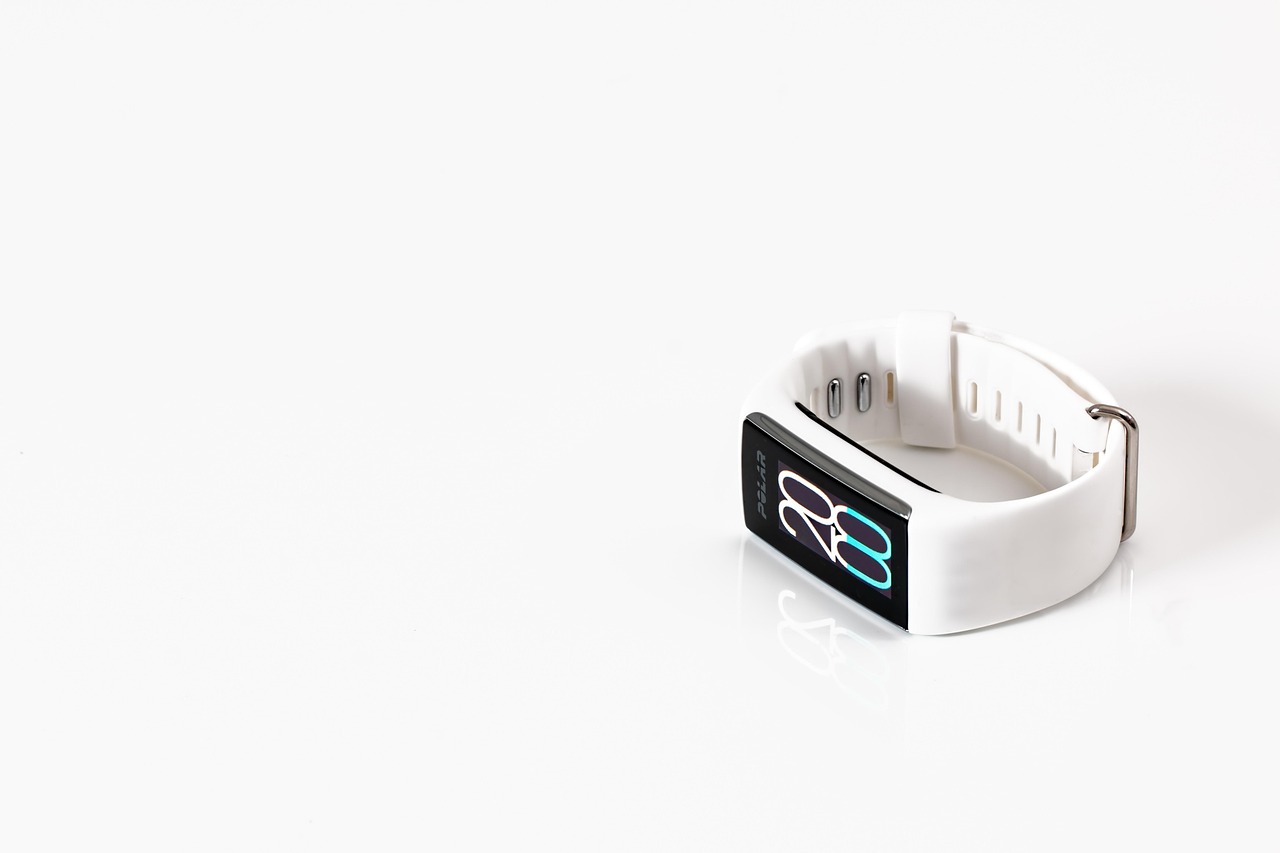

More than 20 million Americans live with obstructive sleep apnea, yet many remain undiagnosed. An at home sleep test offers a straightforward way to identify this common sleep disorder without spending a night in an unfamiliar sleep center.
An at home sleep test is considered a medical procedure, providing a clinically validated way to assess sleep disorders outside of a traditional sleep center.
A home sleep apnea test is a diagnostic test designed to detect breathing interruptions during sleep. These portable devices measure breathing patterns and blood oxygen levels while you sleep in your own bed, providing data that a sleep specialist can use to diagnose sleep apnea and recommend treatment.
This guide walks you through everything you need to know about home sleep testing—from how the devices work to interpreting your results.
What Is An At Home Sleep Study In Your Own Bed
An at home sleep study is a simplified overnight monitoring test conducted outside of a hospital or sleep laboratory. Unlike comprehensive in-lab polysomnography, which requires you to spend the night at a sleep study center with technicians monitoring your sleep, and records various body functions such as brain activity, eye movement, muscle activity, heart rate, and breathing patterns, home tests allow you to fall asleep in familiar surroundings.
The difference matters more than you might think. Lab-based testing often triggers what sleep medicine professionals call the “first night effect”—where unfamiliar environments compromise normal sleep patterns and potentially skew results. When you test in your own bed, you’re more likely to experience sleep that represents your typical night.
Common home sleep test device types include:
- Type 3 devices (portable monitors with multiple channels)
- Type 4 devices (simplified monitors focusing on fewer metrics)
- Wearable systems with smartphone app connectivity
These devices are less invasive than lab equipment and designed for easy self-application.
How A Home Sleep Apnea Test Works: Breathing Patterns And Sensors

At home sleep test – what is an at home sleep study in your own bed
Home sleep tests use several strategically placed sensors to track your breathing effort and detect apnea events throughout the night.
Core sensors include:
| Sensor Type | Placement | What It Measures |
|---|---|---|
| Nasal cannula | Tubes in nostrils, wrapped behind ears | Airflow and breathing patterns |
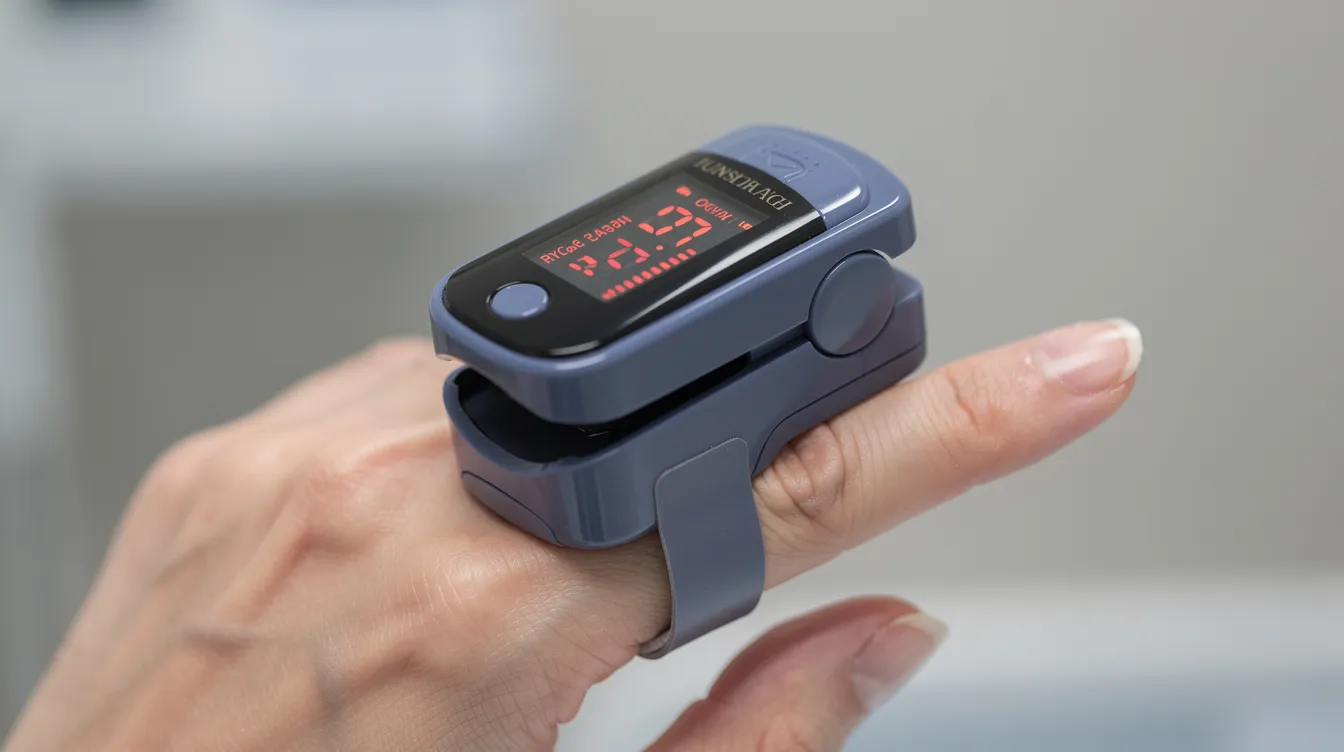
| Pulse oximeter | Clip on index finger | Blood oxygen level and heart rate |
| Chest/abdominal belt | Elastic band around torso | Breathing effort and body movement |
Some advanced home sleep test devices, such as those using WatchPAT technology, measure peripheral arterial tone. This allows them to assess vascular tone and autonomic nervous system activity during sleep, providing additional insights without invasive procedures.
Some devices include an additional effort belt around the chest to help differentiate between obstructive sleep apnea (where breathing effort exists but airway is blocked) and central sleep apnea (where the nervous system fails to signal breathing).
The sensors record data continuously while you sleep. Modern systems often connect to smartphone apps that upload information online, allowing your healthcare professional to access results quickly. After one night of testing, a sleep medicine specialist reviews the recorded data to calculate your apnea hypopnea index and determine whether you have sleep apnea.
They Monitor Breathing, Not Sleep Stages
Here’s a critical distinction: home tests track breathing patterns only.
These devices do not record brain waves or brain activity, which means they cannot identify sleep stages like rem sleep or nrem sleep (non rapid eye movement sleep). They won’t capture when dreaming occurs or measure the architecture of your sleep cycle.
This limitation means home sleep tests cannot diagnose other sleep disorders such as:
- Narcolepsy
- Restless leg syndrome
- Periodic limb movement disorder
- REM behavior disorder
Home tests are specifically engineered for nocturnal breathing assessment—nothing more.
Who Is Suitable For Home Sleep Apnea Testing
Home sleep apnea testing works best for patients showing classic sleep apnea symptoms:
- Loud, chronic snoring
- Observed pauses in breathing during sleep
- Excessive daytime sleepiness
- Morning headaches
- Difficulty concentrating
The American Academy of Sleep Medicine endorses home testing as an alternative to in-lab testing for patients with a high probability of moderate to severe sleep apnea based on clinical assessment and medical history.
Who benefits most from home testing:
- Adults with mobility issues who find travel difficult
- Patients with anxiety disorders, PTSD, or claustrophobia
- Parents who cannot arrange overnight childcare
- People who travel frequently and need portable assessment
- Those seeking cost-effective diagnostic options
However, home testing is not appropriate for everyone.
Key contraindications include:
- Heart failure
- Neuromuscular disorders
- Suspected central sleep apnea
- Severe mental health conditions requiring additional monitoring
- Sleep related conditions beyond breathing disorders
If you fall into these categories, your physician will likely recommend an overnight sleep study at a sleep lab where attended monitoring provides more comprehensive data.
What Home Sleep Tests Measure: Breathing Patterns And Indices

At home sleep test – who is suitable for home sleep apnea testing
Understanding what your home sleep test device actually measures helps you interpret results more confidently.
Primary metrics recorded:
- Airflow: Detects the presence and volume of air moving through your nasal passages
- Oxygen saturation: Measures the percentage of oxygen in your blood (SpO2) using a pulse oximeter
- Heart rate: Tracks beats per minute throughout the night
- Breathing effort: Records chest and abdominal movement during respiration
- Snoring: Documents snoring events and intensity
- Body position: Some devices track whether you sleep on your back, side, or stomach
The key output is the apnea hypopnea index ahi, which represents the average number of breathing interruptions per hour. This index helps clinicians diagnose obstructive sleep apnea and assess severity:
| AHI Score | Severity Level |
|---|---|
| Less than 5 | Normal |
| 5-15 | Mild sleep apnea |
| 15-30 | Moderate sleep apnea |
| Over 30 | Severe sleep apnea |
Some devices also calculate a respiratory event index, which may include additional breathing disturbances beyond apneas and hypopneas.
Pros And Cons: Home Sleep Tests May Not Completely Rule Out Apnea
Like any diagnostic test, home sleep testing comes with distinct advantages and limitations.
Advantages:
- Test in the comfort of your own bed with your normal bedtime routine
- Avoid the anxiety and discomfort of sleeping in a sleep laboratory
- Shorter wait times compared to sleep clinic appointments
- Lower cost than in-lab polysomnography
- Simple, disposable equipment that’s easy to use
- No transportation challenges—particularly valuable for seniors over 65
- Data often available to physicians within days
Limitations:
- Under-detection of mild sleep apnea is documented
- Higher possibility of sensor errors compared to attended testing
- Cannot diagnose sleep issues beyond breathing disorders
- May produce false negatives due to sensor detachment or device malfunction
- Home tests may not completely rule out sleep apnea in some patients
If your home test results are negative but you continue experiencing symptoms, your physician will likely recommend further evaluation with full in-lab polysomnography.
The bottom line: home testing is an effective screening tool for moderate to severe obstructive sleep apnea, but it has boundaries. When results conflict with your clinical presentation, in lab testing provides more definitive answers.
How To Prepare For A Home Sleep Test In Your Own Bed

At home sleep test – pros and cons: home sleep tests may not completely rule out apnea
Proper preparation helps ensure your test produces usable data on just one night.
Checklist for the night before testing:
- Follow your usual sleep routine as closely as possible
- Avoid alcohol for at least 24 hours before the test
- Skip sedatives or sleep medications unless medically necessary
- Avoid caffeine after noon
- Take a shower before applying sensors (clean skin improves adhesion)
- Remove nail polish from the finger where the pulse oximeter will attach
- Ensure your bedroom is comfortable and dark
- Charge your device if applicable
During the test:
- Apply all sensors according to the provided instructions
- Sleep as you normally would
- If sensors come loose, reattach them if possible
- Sleep for at least 4-6 hours to capture adequate data
The goal is to capture a night that represents your typical sleep. Unusual conditions—whether from alcohol, medications, or disrupted routine—may affect results and require retesting.
How To Get A Home Sleep Apnea Test: Prescription, Telehealth, And Shipping
Home sleep testing requires a physician prescription—you cannot self-order the test. Here’s how the process typically works:
Step 1: Initial consultation
Schedule an appointment with your primary care physician, internal medicine doctor, or sleep specialist. Describe your sleep apnea symptoms, including snoring patterns, witnessed breathing pauses, and daytime fatigue.
Step 2: Evaluation
Your physician reviews your medical history and determines whether you’re a suitable candidate for home sleep testing. Many practices now offer telehealth consultations, making this step accessible without an office visit.
Step 3: Test ordering
If appropriate, your doctor prescribes a home sleep apnea test. Options include:
- Mail-to-home devices shipped directly to you
- Rental equipment from a sleep center or medical equipment provider
- Pick-up from a local clinic
Step 4: Testing
You receive the device with instructions, perform the overnight test, and return the equipment (if rental) or dispose of it (if single-use).
Step 5: Results review
A sleep medicine specialist interprets your data and provides results to your prescribing physician. Typical turnaround from order to results ranges from one to two weeks, though some services offer faster processing.
Interpreting Results And Next Steps For Sleep Apnea
Once your test is complete, clinicians analyze the data to diagnose sleep apnea and determine appropriate next steps.
How AHI scores guide treatment:
Your apnea hypopnea index forms the foundation of diagnosis. If your score indicates mild, moderate, or severe sleep apnea, your physician will discuss treatment options tailored to your situation.
If your home test indicates sleep apnea:
- Your doctor will recommend a treatment plan, which may include a cpap machine, oral appliances, or lifestyle modifications
- In cases of severe anatomical obstruction, neck surgery may be considered as a treatment option to address airway blockages
- Additional testing may be ordered to fine-tune therapy
- Follow-up appointments monitor treatment effectiveness
If results are inconclusive or negative despite symptoms:
- Your physician may recommend in-lab polysomnography for further evaluation
- Technical issues during testing (sensor detachment, insufficient sleep time) may necessitate a retest
- Your clinical assistant professor or sleep specialist may consider alternative diagnoses
Results that don’t match your symptoms warrant additional investigation. Don’t assume a negative home test means you’re in the clear if you’re still experiencing significant sleep issues.
Accuracy, Limitations, And When To Consider In-Lab Testing For Obstructive Sleep Apnea
Home sleep tests are reliable screening tools, but they have documented limitations that affect accuracy.
Typical accuracy considerations:
Type 3 and Type 4 devices perform well for identifying moderate to severe obstructive sleep apnea in appropriate candidates. However, they may miss milder presentations and cannot provide the comprehensive picture that in-lab polysomnography offers.
Common causes of false negatives:
- Sensor detachment during sleep
- Insufficient total recording time (sleeping less than 4 hours)
- Device malfunction
- Testing on an atypical night (illness, unusual stress)
- Positional factors affecting breathing that weren’t captured
When in-lab testing is recommended:
In-lab polysomnography remains the gold standard for:
- Patients with complex medical conditions (heart failure, lung disease)
- Suspected central sleep apnea
- Suspected leg movements disorders or periodic limb movement disorder
- Cases where home results conflict with clinical presentation
- Comprehensive assessment of sleep stages and brain activity
- Patients requiring evaluation by a blood institute or specialized center for sleep-related cardiovascular concerns
Home tests cannot completely rule out all sleep disorders. If your physician suspects conditions beyond obstructive sleep apnea, an attended overnight sleep study at a sleep center provides the data necessary for accurate diagnosis.
Insurance, Cost, And Coverage For Home Sleep Tests
Cost represents one of the primary advantages of home sleep testing over in-lab alternatives.
Typical price ranges:
| Testing Type | Approximate Cost |
|---|---|
| Home sleep test | $150-$500 |
| In-lab polysomnography | $1,000-$3,000+ |
Most insurance plans cover home sleep apnea testing, and many carriers now require HST as a first-line evaluation for high-risk patients before approving in-lab studies. However, coverage varies by plan.
Before scheduling your test:
- Verify your specific insurance coverage
- Ask about deductibles and copays
- Confirm whether your physician’s order meets insurance requirements
- Check if pre-authorization is needed
HSA (Health Savings Account) and FSA (Flexible Spending Account) funds typically qualify for home sleep testing expenses. Confirm eligibility with your plan administrator.
Not all insurance carriers cover home sleep studies. Contact your insurer before assuming coverage to avoid unexpected bills.
Common Troubleshooting During Home Sleep Testing
Technical issues can compromise your test results. Here’s how to handle common problems:
Sensor detachment during the night:
- If you wake and notice a sensor has come loose, reattach it following the original instructions
- Note the approximate time of detachment if possible
- Continue sleeping—partial data is often still usable
Device stops recording:
- Check battery levels before starting your test
- If the device has indicator lights, verify it’s recording before falling asleep
- Contact your sleep health provider if you suspect the device malfunctioned
When data is unusable:
If your provider determines the recorded data cannot support diagnosis due to:
- Insufficient sleep time (you need adequate hours to generate meaningful results)
- Extensive sensor disconnection
- Technical device failure
Request a retest. Most providers accommodate repeat testing without significant delays or additional costs when technical issues caused the problem.
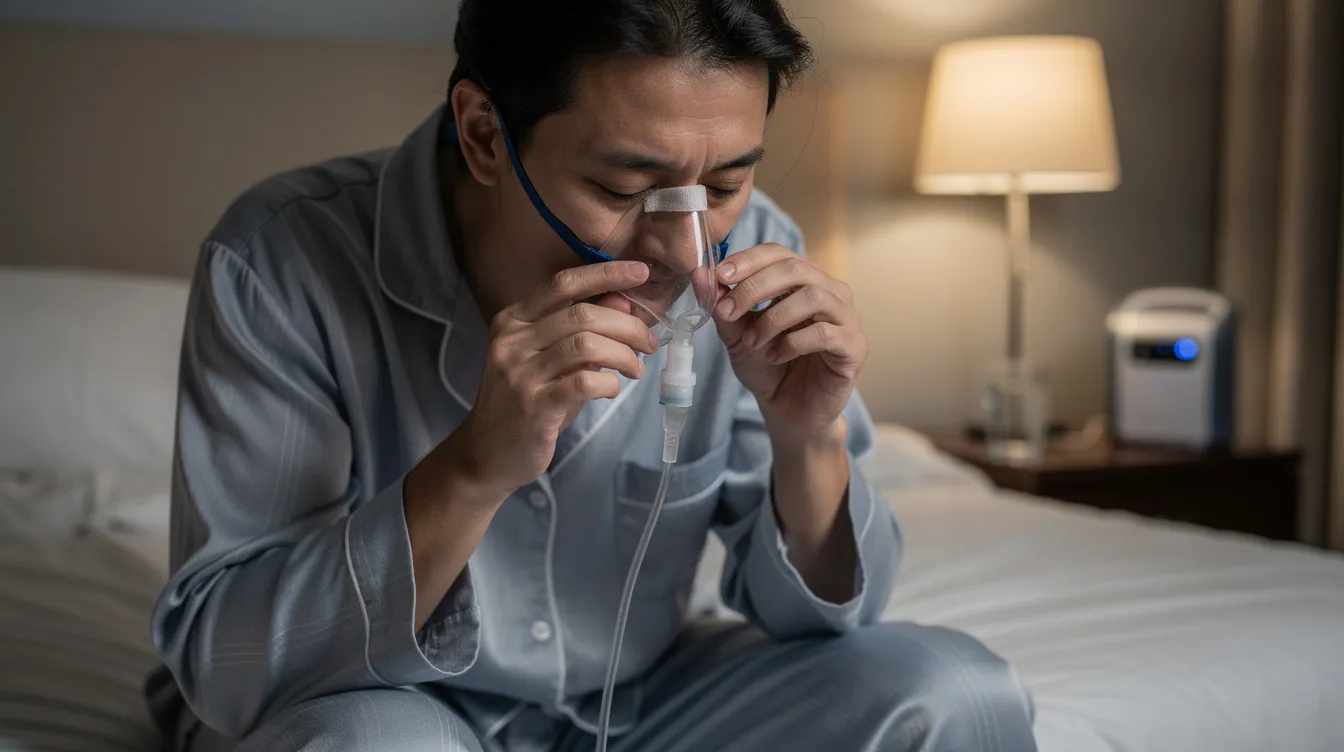
Home sleep testing has transformed how we diagnose obstructive sleep apnea, making evaluation accessible to millions who might otherwise delay or avoid testing altogether. While these devices have limitations—they focus solely on breathing and may not completely rule out all conditions—they provide a practical first step for most people experiencing symptoms.
If you’re struggling with snoring, daytime fatigue, or witnessed breathing pauses during sleep, talk to your physician about whether a home sleep apnea test fits your situation. Untreated sleep apnea carries serious health risks, from cardiovascular disease to impaired daily functioning. Taking action now protects your sleep health and overall wellbeing.