Waking up to a jarring alarm on dark winter mornings can feel like a daily assault on your nervous system. Your body lurches from deep sleep to forced alertness, leaving you groggy and disoriented for the next hour.
A sunrise alarm clock offers a different approach. By gradually filling your bedroom with light that mimics natural sunlight, these devices work with your body’s circadian rhythm rather than against it.
This guide breaks down the science behind dawn simulation, explains the measurable benefits for sleep and mood, and helps you choose the best sunrise alarm clocks for your specific needs. Whether you’re a heavy sleeper, dealing with seasonal affective disorder, or simply want a gentler wake up experience, you’ll find practical recommendations backed by research.
How Dawn Simulation Works (Sunrise Alarm)
A dawn simulator is essentially a programmable lamp that gradually increases light intensity over a set period—typically 15 to 90 minutes—before your desired alarm time. Instead of shocking you awake with noise, it creates a sunrise effect in your bedroom.
How Your Eyes Detect Light (Even While Closed)
The magic happens through specialized cells in your eyes called intrinsically photosensitive retinal ganglion cells (ipRGCs). These cells contain a protein called melanopsin, which is particularly sensitive to blue light in the 460-480 nanometer range.
Here’s what makes this remarkable: these cells can detect light changes even through your closed eyelids. When the sunrise simulation begins, your ipRGCs start signaling to your brain long before you consciously notice the brightening room.
The Connection to Your Body’s Circadian Rhythm
Those light signals travel directly to the suprachiasmatic nucleus (SCN) in your hypothalamus—your brain’s master clock that synchronizes your internal clock with the 24-hour day-night cycle.
Light is the strongest environmental cue (scientists call it a “zeitgeber” or time-giver) for keeping your circadian rhythm properly aligned with social time. This matters most during winter months when:
- Natural morning sunlight intensity drops below 100 lux
- Photoperiods shorten significantly
- Your internal clock can drift out of sync with your schedule
By providing consistent bright light cues before waking, dawn simulation helps prevent this desynchronization, making both sleep onset and waking processes smoother.
Morning Benefits: Wakefulness, Cortisol, and Circadian Rhythm

Sunrise alarm clock benefits – how dawn simulation works (sunrise alarm)
The sunrise alarm clock benefits extend well beyond simply replacing your sound alarm. Research shows measurable physiological changes when you wake with light rather than noise.
The Cortisol Awakening Response
Within 30-45 minutes of waking, your body naturally produces a 50-100% surge in cortisol levels. This cortisol awakening response (CAR) enhances alertness and mobilizes energy for the day ahead.
Dawn simulation amplifies this natural process:
- A 2004 study with 12 subjects found significantly higher cortisol levels at 15 and 30 minutes post-waking when using 30-minute dawn simulation versus standard alarms
- A 2010 study replicated these findings, showing elevated cortisol in participants using dawn lights peaking at either 50 or 250 lux over 30 minutes
Beyond cortisol, subjects in these studies showed lower heart rate transitions and improved heart rate variability upon waking—signs of reduced physiological stress.
Reduced Sleep Inertia
Sleep inertia is that groggy, disoriented state lasting 15-60 minutes after waking. It impairs cognition, slows reaction times, and makes you feel like you’re moving through fog.
A 2010 study with 23 participants compared three conditions:
- 30-minute dawn at 50 lux
- 30-minute dawn at 250 lux
- 0 lux control (darkness)
Both light conditions significantly reduced subjective inertia complaints compared to darkness, with 250 lux showing the strongest effects on alertness and cognitive task performance.
Why Heavy Sleepers See Stronger Benefits
If you’re someone who sleeps through multiple alarms, sunrise simulation may help more than you’d expect. The gradual ipRGC activation raises your arousal threshold progressively, preparing your brain for wakefulness before any audible alarm kicks in.
A study on 54 adolescents found that just 20 minutes of dawn light enhanced cognitive performance for hours afterward. Self-reported heavy sleepers in various trials experienced notably stronger wakefulness effects.
Starting Lux Recommendation
Research consistently points to 250 lux as a good starting point for most users before adjusting based on individual preference.
This level matches natural dawn intensities that penetrate closed eyelids (roughly 10-250 lux outdoors) and proves effective without overwhelming light-sensitive individuals. Studies showed no added benefit from dropping to 50 lux, but clear improvements over complete darkness.
Nighttime Benefits: Help You Fall Asleep and Bedtime Routines
Many advanced sunrise clocks work in both directions, offering a sunset feature that helps you fall asleep as effectively as the sunrise helps you wake.
How Sunset Simulation Signals Sleep
The sunset feature gradually dims light over 15-60 minutes in the evening, shifting from bright white light to warm reds and oranges. This color transition signals your brain to begin melatonin production, the hormone that initiates sleep.
When the light slowly dims in this controlled way, users report:
- Faster sleep initiation (within 10-20 minutes)
- More consistent bedtime routines
- Easier transition from evening activities to sleep mode
This bidirectional dawn-dusk protocol mirrors natural photoperiods—the same light patterns humans evolved with over thousands of years.
Evidence from Institutional Settings
Studies in dementia care facilities using dawn-dusk lighting protocols showed improved morning cheerfulness and mood without altering total sleep time. While these populations have unique needs, the findings suggest that consistent ambient light cues can stabilize sleep patterns across different contexts.
Choosing Clocks with Dedicated Night Modes
For best results, look for sunrise alarm clocks that offer:
- Separate sunset simulation (not just dimming)
- Night light functionality for middle-of-night navigation
- Gradual audio fading paired with light dimming
- Adjustable sunset duration (15-60 minutes)
Clocks combining dim light with fading sound create multimodal signaling that reinforces your body’s natural sleep cues more effectively than light alone.
Mental Health: SAD, Sad Light Therapy, and Limitations of Sunrise Alarms

Sunrise alarm clock benefits – nighttime benefits: help you fall asleep and bedtime routines
Seasonal affective disorder affects 5-10% of people in northern latitudes during winter months. The condition stems partly from circadian phase delays and reduced light exposure, making light-based interventions logical treatment approaches.
Sunrise Alarms vs. SAD Light Therapy
Here’s an important distinction that often gets confused:
| Feature | Sunrise Alarm | SAD Lamp |
|---|---|---|
| Timing | Pre-wake (gradual) | Post-wake (sustained) |
| Intensity | 250-500 lux | 10,000 lux |
| Duration | 30-90 minutes | 30-60 minutes |
| Primary benefit | Reduces sleep inertia | Treats depression symptoms |
| Distance | 18-24 inches | 16-18 inches |
SAD lamps deliver sustained, high-intensity exposure specifically designed to shift circadian phase and boost serotonin. Sunrise simulators provide briefer, lower-intensity pre-wake exposure optimized for reducing grogginess—not treating clinical depression.
When Medical-Grade Light Therapy Makes Sense
A landmark 6-week randomized controlled trial with 95 SAD patients found that 90-minute dawn simulation at approximately 250 lux yielded:
- 66% response rate (versus 38% with dim placebo dawn)
- 52% remission rate
However, SAD light therapy using 10,000 lux devices remains the clinical standard for moderate to severe cases. Dawn simulation works best as:
- An adjunct to primary SAD treatment
- A standalone option for subsyndromal SAD or “winter blues”
- A preventive measure for those with mild seasonal mood changes
Consulting a Clinician
If you suspect seasonal affective disorder, seek proper diagnosis via DSM-5 criteria before relying solely on consumer devices.
Sunrise alarm clocks can provide modest mood improvements after 1-2 weeks in non-clinical populations, but they shouldn’t replace evidence-based treatment for diagnosed conditions. Think of them as one tool in a broader approach to managing dark winter mornings and early or delayed awakening patterns.
Choosing the Best Sunrise Alarm Clocks: Features to Prioritize
Not all sunrise lamps deliver equal results. The difference between a quality sunrise clock and a cheap imitation often comes down to a few critical specifications.
When evaluating sunrise alarm clocks, consider these key features:
- Light intensity and gradualness: Look for models that allow you to adjust brightness and the duration of the simulated sunrise.
- Alarm sounds: Some sunrise alarm clocks offer up to five alarm tones, giving you a variety of natural sounds or music to choose from. This variety enhances the wake-up experience and caters to different preferences.
- Display quality: A clear, dimmable display is important for nighttime use.
- Backup battery: Ensures the alarm works even during power outages.
- Extra features: Consider options like FM radio, USB charging ports, or smart home integration.
Key Features to Evaluate
When comparing popular sunrise alarm clocks, prioritize:
- Maximum lux: 250-500 is ideal; higher risks glare without added benefit
- Sunrise duration: 30-90 minutes for optimal cortisol entrainment
- Color spectrum: 460-650nm range for proper melanopsin and cone stimulation
- Reliable scheduling: Should work without WiFi or app dependency
- Backup alarm: Audio alarm sounds after light peak (birdsong, ocean waves, or white noise)
- Physical controls: Easy buttons for dark room fumbling
App control offers flexibility but introduces reliability risks. The best sunrise alarm clocks function perfectly as standalone alarm clocks while offering app features as optional enhancements.
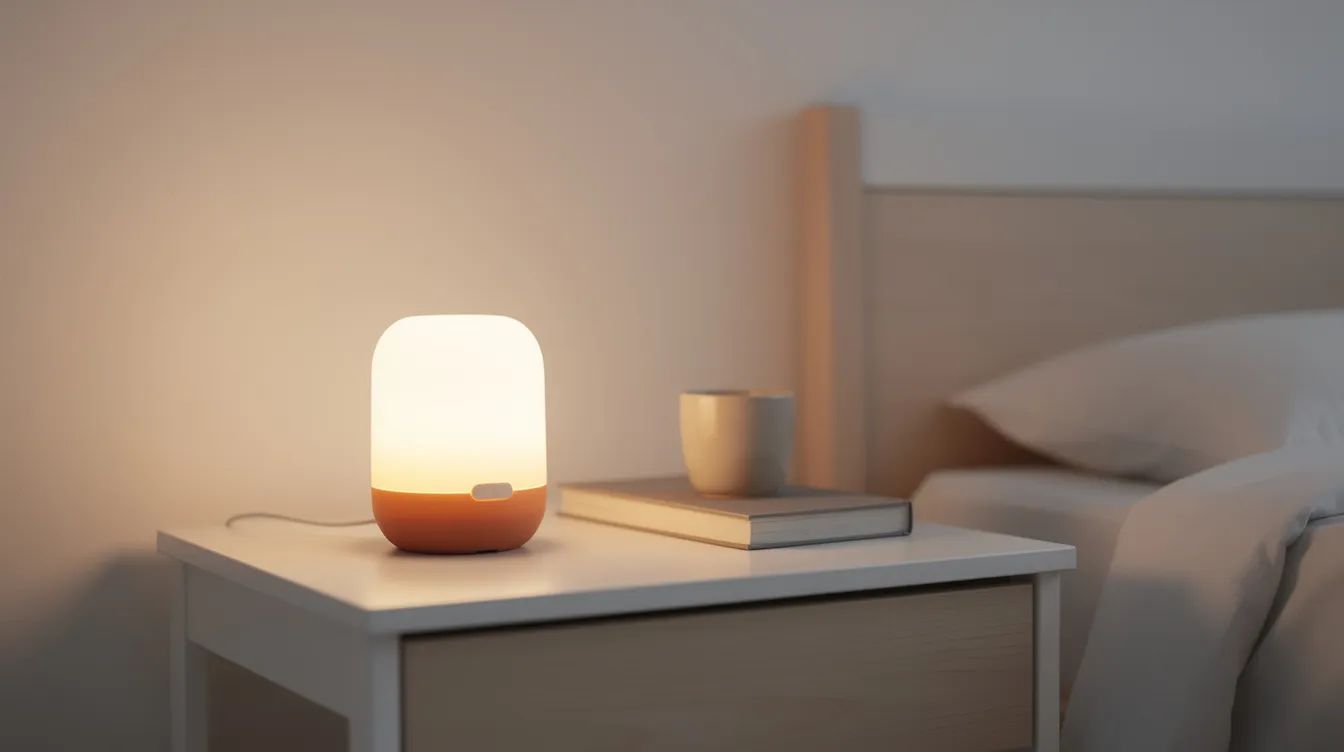
Best Sunrise Alarm: Bodyclock Shine 300 and Why It Excels
The Bodyclock Shine 300 stands out for users who need robust light penetration and customizable timing.
Key specifications:
- 300 lux peak brightness (maximum brightness in its class)
- 90-minute sunrise duration mimicking exponential natural dawn
- Multiple brightness settings (100/200/300 lux presets)
- Tactile physical buttons
The device starts below 10 lux and follows a logarithmic increase curve—slow at first, then accelerating through mid-phase before plateauing. This pattern closely matches how natural sunlight intensifies during actual dawn.
Interface considerations:
The Bodyclock requires menu navigation for fine-tuning, which some users find cumbersome in a dark room. However, once configured, the same brightness presets work consistently without daily adjustment.
Independent reviews report subjective sleep inertia reductions of 40-60% compared to traditional buzzers, making this the top recommendation for heavy sleepers who haven’t responded to weaker devices.
Best App-Controlled Picks: Hatch Restore and Philips SmartSleep
Hatch Restore
The Hatch Restore appeals to users who want deep customization through an intuitive app interface.
Strengths:
- Extensive sound library (white noise, chirping birds, stories, guided meditations)
- Customizable wake up routine with multiple stages
- Adaptive sunrise that adjusts to your feedback
- Attractive design for any tiny bedside table
The catch: A membership paywall ($4.99/month after trial) unlocks premium content. Without it, you’re limited to basic features. This can frustrate users who prefer one-time purchases.
Philips SmartSleep
The Philips SmartSleep lamps and Philips wake up light variants deliver reliable performance with less complexity.
Strengths:
- 300 lux output with consistent scheduling
- Hybrid app/physical controls
- Proven reliability without WiFi dependency
- Multiple alarm tones including FM radio
Trade-offs: Sound quality and variety lag behind Hatch, but standalone reliability exceeds app-dependent competitors. For users prioritizing dependability over features, Philips SmartSleep represents the safer choice.
Choose Hatch if you love tinkering with routines. Choose Philips if you want set-and-forget reliability.
Budget and Alternatives (Alarm Clocks and Smart Bulbs)
Not everyone needs a premium device. Budget options can deliver meaningful results for light sleeper types and those testing the concept.
Budget picks:
- JALL: ~$25-30, delivers 200-250 lux
- Afexoa: Similar price range with adequate brightness settings
These devices suit users who:
- Sleep lightly and respond to moderate light
- Want to test dawn simulation before investing more
- Have budget constraints but want quality sleep improvements
Smart bulb alternatives:
Smart bulbs like Philips Hue can create sunrise effects through app scheduling, potentially at lower cost than dedicated clocks.
Limitations to consider:
- Many smart light setups deliver under 100 lux at typical bedside distances
- Achieving bedroom-filling coverage often requires multiple bulbs
- PWM dimming in cheaper bulbs can cause flicker, triggering headaches in 10-20% of sensitive users
- App dependency introduces failure points (WiFi outages, software updates)
For reliable results, dedicated sunrise alarm clocks generally outperform cobbled-together smart bulb solutions—though Hue twilight-style automations work acceptably for tech-savvy users willing to troubleshoot.
Testing and Metrics: Lux, Duration, Curve, and Flicker

Sunrise alarm clock benefits – choosing the best sunrise alarm clocks: features to prioritize
Getting maximum benefit from your sunrise simulator requires proper setup and testing. These metrics help you optimize performance.
Measuring Lux at Your Bedside
Lux measures light intensity as perceived by human eyes. To verify your device delivers adequate light:
- Download a lux meter app (Lux Light Meter Pro works well)
- Position your phone where your eyes would be while sleeping
- Run the sunrise at its brightest setting
- Confirm readings of 250+ lux
Remember: lux falls with the inverse square of distance. Moving your clock from 18 inches to 36 inches cuts intensity to roughly 25% of the original value.
Testing Sunrise Duration
Different sleep patterns respond to different ramp times:
| Sleeper Type | Recommended Duration |
|---|---|
| Light sleeper | 15-30 minutes |
| Average | 30-45 minutes |
| Heavy sleeper | 60-90 minutes |
| Delayed awakening patterns | 90 minutes |
Start with 30 minutes and adjust based on results. If you’re still groggy, extend the duration. If you’re waking before the alarm time, shorten it.
Ideal Sunrise Curve Shape
The best dawn simulation follows a sigmoidal (S-shaped) curve:
- Slow start: Gentle brightening that doesn’t disrupt deep sleep
- Rapid mid-phase: Accelerating intensity through the middle period
- Plateau: Leveling at maximum brightness near wake up time
This pattern matches how natural light intensifies during actual sunrise. Cheap devices often use linear ramps (constant rate of change) which feel less natural.
LED Flicker Concerns
Budget sunrise lamps sometimes use PWM (pulse-width modulation) dimming that creates imperceptible flicker. While most people don’t notice, 10-20% of users—particularly migraine sufferers—may experience headaches.
To test for flicker:
- Point your phone camera at the lamp
- Set brightness to low-medium levels
- Look for visible strobing or banding in the camera image
- Strobing below 100Hz indicates problematic flicker
Premium models use DC dimming, which eliminates this issue entirely.
How To Use Your Sunrise Alarm Clock For Best Results
Proper positioning and calibration make the difference between marginal improvement and transformative results.
Positioning for Maximum Effect
Place your lamp to hit your closed eyes directly:
- Distance: 18-24 inches from your face
- Height: Level with or slightly above your head position
- Angle: Aimed toward your pillow, not the ceiling
If your bedroom is large or your bed positioned far from outlets, consider extension cords to achieve proper placement. A tiny bedside table works perfectly for most setups.
Starting Settings
Begin conservatively:
- Set sunrise duration to 30 minutes
- Use 250 lux (or your device’s brightest setting if lower)
- Disable audio alarms initially—use sunrise-only mode
- Set a separate alarm on your phone as a backup alarm for the first week
This approach lets you evaluate light-only waking without audible alarm interference.
Allowing Adaptation Time
Give your body one full week before evaluating results.
Studies show circadian phase stabilizes after approximately 7 days of consistent light exposure. Early impressions may not reflect long-term benefits.
During this adaptation week:
- Use the sunrise clock every day (weekends included)
- Maintain consistent wake up time
- Track your morning alertness in a journal
- Note any changes in how quickly you feel alert
After the first week, layer in audio alarms (gentle birdsong or ocean waves) if desired. Many users find they no longer need the audible alarm once their body adjusts to light-based waking.
Buying Guide: Comparing Best Sunrise Alarm Clocks
This comparison table summarizes the top options across key specifications.
Comparison Table
| Model | Max Lux | Sunrise Duration | Controls | Price | Ease of Use |
|---|---|---|---|---|---|
| Bodyclock Shine 300 | 300 | Up to 90 min | Physical only | ~$150 | 8/10 |
| Philips SmartSleep | 300 | Up to 60 min | Hybrid (app + physical) | ~$100 | 8/10 |
| Hatch Restore | Variable | Customizable | App-primary | ~$130 + subscription | 7/10 standalone |
| JALL | 200-250 | Up to 30 min | Physical only | ~$25 | 9/10 |
| Loftie Lamp | ~250 | Customizable | App + physical | ~$150 | 7/10 |
Best for heavy sleepers: Bodyclock Shine 300 (highest lux, longest duration) Best value: Philips SmartSleep (reliable performance, reasonable price) Best features: Hatch Restore (if you don’t mind the subscription) Best budget: JALL or similar (adequate for light sleepers)
Troubleshooting and FAQs About Sunrise Alarm Benefits
Do sunrise alarms work for heavy sleepers?
Yes, but intensity and duration matter. Heavy sleepers should:
- Use 300+ lux devices
- Set 60-90 minute sunrise duration
- Consider dual-unit setups (one on each side of bed)
- Combine with backup alarm sounds initially
The gradual cortisol activation prepares heavy sleepers for waking more effectively than abrupt noise alone.
What’s the difference between a SAD lamp and a sunrise alarm?
SAD lamps deliver 10,000 lux of white light or blue light for 30-60 minutes after waking, specifically treating seasonal affective disorder symptoms. Sunrise alarms deliver 250-500 lux gradually before waking, primarily reducing sleep inertia.
They serve different purposes and aren’t interchangeable for treating clinical conditions.
When should I seek medical-grade light therapy?
Consider clinical SAD light therapy if:
- You meet DSM-5 criteria for seasonal affective disorder
- Symptoms significantly impair daily functioning
- Sunrise simulation alone hasn’t improved mood after 2-3 weeks
- Your clinician recommends it based on assessment
Sunrise alarms work well for winter blues, mild mood dips, and circadian adjustment—but diagnosed SAD typically requires more intensive intervention.
What if I wake up before the alarm time?
This usually means your sunrise duration is longer than needed. Shorten it by 15-minute increments until you wake with the light rather than well before it reaches peak brightness.
Can I use a sunrise alarm with blackout curtains?
Absolutely. Blackout curtains actually make sunrise alarms more effective by eliminating competing light sources. Your device becomes the sole light zeitgeber, strengthening its circadian signaling.
Does lamp mode work for reading at night?
Most sunrise clocks include lamp mode for evening reading, though brightness levels vary. This differs from the sunrise feature and sunset feature—it’s simply steady illumination at your chosen brightness.
What about power outage scenarios?
Premium models include battery backup to maintain alarm time settings. Budget models may reset during outages. Check specifications if reliable scheduling matters for your morning routine.
Final Recommendations and Next Steps
Choosing the right sunrise alarm depends on your specific situation and budget.
Quick Recommendations
For heavy sleepers: The Bodyclock Shine 300 delivers the highest lux and longest sunrise duration. Its 90-minute curve and 300 lux output provide the robust signaling heavy sleepers need. Expect to pay around $150.
For SAD support: Combine a quality sunrise alarm with clinical SAD lamps for comprehensive light exposure. The sunrise handles your wake up routine while the SAD lamp delivers therapeutic intensity post-waking. This isn’t a substitute for clinical evaluation.
For budget buyers: JALL or Afexoa models around $25-30 work well for light sleepers and those testing the concept. Upgrade later if results warrant it.
For tech enthusiasts: Hatch Restore offers the most customization, though the subscription model adds ongoing costs. The sound quality and routine flexibility appeal to users who enjoy optimizing their peaceful morning experience.
Your Next Steps
- Choose a device based on the recommendations above
- Position it 18-24 inches from your face
- Start at 250 lux with 30-minute sunrise
- Use sunrise-only mode for the first week
- Track your morning alertness using a simple journal or app like Sleep Cycle
After one week of consistent use, evaluate whether you’re experiencing reduced grogginess, faster alertness, and easier morning routine transitions. Most users notice meaningful improvements within 7-14 days.
The shift from jarring alarm sounds to gradual early morning light represents a fundamental change in how you start each day. Your body evolved to wake with natural sunlight—a sunrise alarm simply brings that experience indoors, regardless of what’s happening outside your window.